

Politics
Bangladesh prosecution demands death penalty for ex-PM Hasina

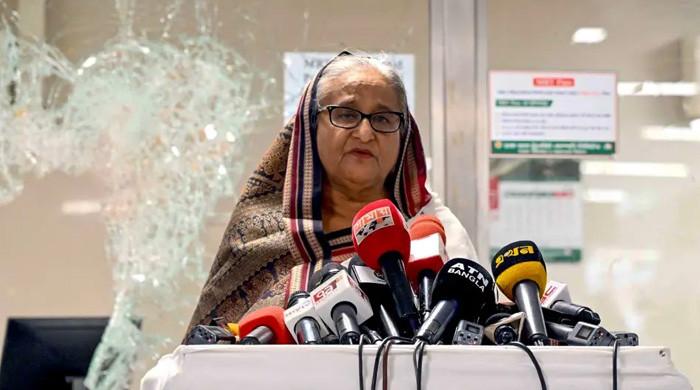
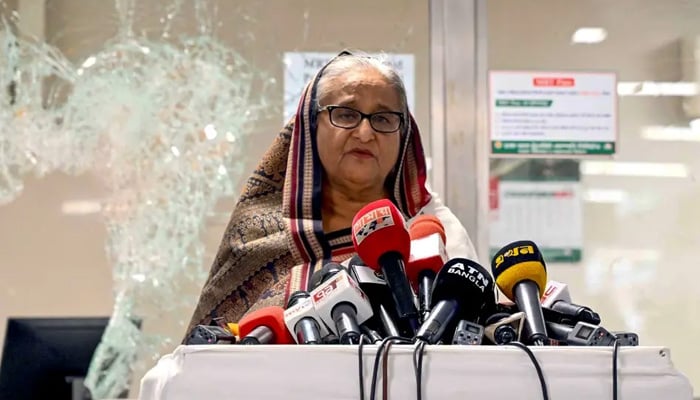
- We demand the highest punishment for her: chief prosecutor.
- Up to 1,400 people killed in clashes in July and August 2024.
- Hasina faces trial in absentia alongside two ex-senior officials.
Bangladeshi prosecution lawyers demanded on Thursday that fugitive ex-prime minister Sheikh Hasina receive the death penalty in her trial for crimes against humanity.
Hasina has defied court orders to return from India, where she fled last year, to face charges of ordering a deadly crackdown in a failed attempt to crush a student-led uprising.
Up to 1,400 people were killed in the clashes between July and August 2024, according to the United Nations.
“We demand the highest punishment for her,” chief prosecutor Tajul Islam told reporters outside court.
“For a single murder, one death penalty is the rule. For 1,400 murders, she should be sentenced 1,400 times — but since that is not humanly possible, we demand at least one.”
The prosecution alleges that Hasina, 78, was “the nucleus around whom all the crimes committed during the July-August uprising revolved”.
She is being tried in absentia alongside two former senior officials.
Her ex-interior minister, Asaduzzaman Khan Kamal, is also a fugitive, while former police chief Chowdhury Abdullah Al-Mamun is in custody and has pleaded guilty.
The prosecution said on Thursday that Kamal should also face the death penalty.
The trial, which opened on June 1, has heard months of testimony alleging Hasina’s role in ordering or failing to prevent mass killings.
“Her goal was to cling to power permanently — for herself and her family,” Islam said.
“She has turned into a hardened criminal, and shows no remorse for the brutality she has committed.”
‘Use lethal weapons’
Prosecutors have filed five charges, including failure to prevent murder, which amount to crimes against humanity under Bangladeshi law.
Hasina’s now-banned Awami League says that she “categorically” denies the charges.
Hasina has a state-appointed lawyer but refuses to recognise the court’s authority.
The trial is in its final stages, with the interim government aiming to steer the Muslim-majority nation of 170 million towards elections in February.
Witnesses have included a man whose face was ripped apart by gunshot during the culmination of the protests.
The prosecution also played audio tapes — matched by police with verified recordings of Hasina — that suggested she directly ordered security forces to “use lethal weapons” against protesters and that “wherever they find (them), they will shoot”.
Hasina, already convicted in July for contempt of court and sentenced in absentia to six months in prison, also faces ongoing corruption cases.
Relatives including her daughter Saima Wazed, who has served as a senior UN official, and her niece Tulip Siddiq, a British lawmaker, also face corruption charges, which they deny.
The daughter of a revolutionary who led Bangladesh to independence in 1971, Hasina presided over breakneck economic growth.
Critics accused her government of unjustly jailing her chief rival, passing draconian anti-press freedom laws, and perpetrating a litany of rights abuses including the murder of opposition activists.


US Director of National Intelligence Tulsi Gabbard has identified Pakistan among countries posing a growing strategic concern, warning that Islamabad’s evolving long-range missile capabilities could potentially bring the American homeland within range.
Presenting the 2026 Annual Threat Assessment before the Senate Intelligence Committee, Gabbard also named Iran, China, Russia, and North Korea as nations actively developing new missile delivery systems, including both nuclear and conventional warheads, which put the US within range.
“The US secure nuclear deterrent continues to ensure safety in the homeland against strategic threats. However, Russia, China, North Korea, Iran and Pakistan have been researching and developing an array of novel, advanced, or traditional missile delivery systems with nuclear and conventional payloads that put our homeland within range,” Gabbard said.
She noted that Pakistan’s ballistic missile development “potentially could include intercontinental ballistic missiles (ICBMs)” capable of reaching the US homeland.
Gabbard also warned that the number of missile threats facing the US was expected to rise sharply, with the intelligence community projecting that global missile inventories could exceed 16,000 by 2035, up from more than 3,000 currently.
She added that the countries identified in the report would likely seek to understand US missile defence plans in order to shape their own development programmes and assess Washington’s deterrence posture.
Reacting to the remarks, former Pakistani ambassador to the US Jalil Abbas Jilani rejected the claim that Pakistan posed a direct missile threat to the American homeland.
In a statement, Jilani said Pakistan’s nuclear doctrine was India-centric and aimed at deterrence, not global power projection, adding that Islamabad’s strategic posture was focused on regional security dynamics.
Meanwhile, Turkish analyst Shaqeq-ud-Din questioned the assessment, arguing that Pakistan did not possess intercontinental ballistic missiles, while raising concerns about India’s growing ICBM capabilities, which he said were expanding with external support.
He termed the classification of threats selective, questioning whether similar scrutiny was being applied uniformly to all countries.
South Asia threat assessment
The threat assessment report noted that South Asia remained a source of “enduring security challenges”, particularly the relations between Pakistan and India, for the US.
“Pakistan-India relations remain a risk for nuclear conflict given past conflicts where these two nuclear states squared off, creating the danger of escalation,” it stated. It also mentioned the Pahalgam attack that triggered a war between the two neighbours.
“President Trump’s intervention deescalated the most recent nuclear tensions, and we assess that neither country seeks to return to open conflict, but that conditions exist for terrorist actors to continue to create catalysts for crises,” it stated.
The report also highlighted tensions along the Pakistan-Afghanistan border, stating: “Relations between Pakistan and the Taliban have been tense, with intermittent cross-border clashes, as Islamabad has become increasingly frustrated with anti-Pakistan terrorist groups’ presence in Afghanistan while Islamabad faces growing terrorist violence.”
“Pakistan’s army chief warned this month that lasting peace requires the Taliban to sever ties with militants targeting Pakistan.
The Taliban’s public posture has been to call for dialogue, but it has denied harbouring anti-Pakistani militants,” it said, while referring to the ongoing war between the two states.
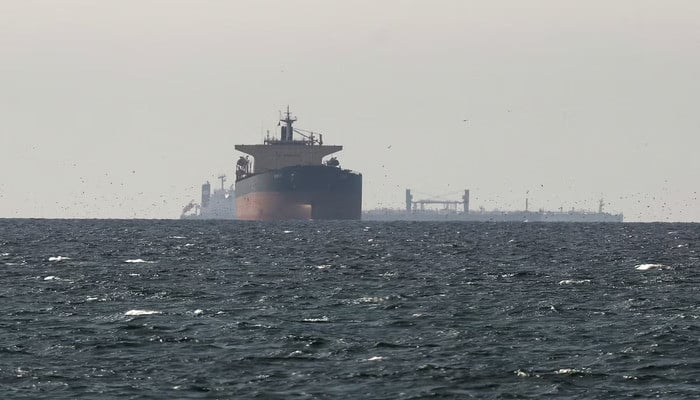
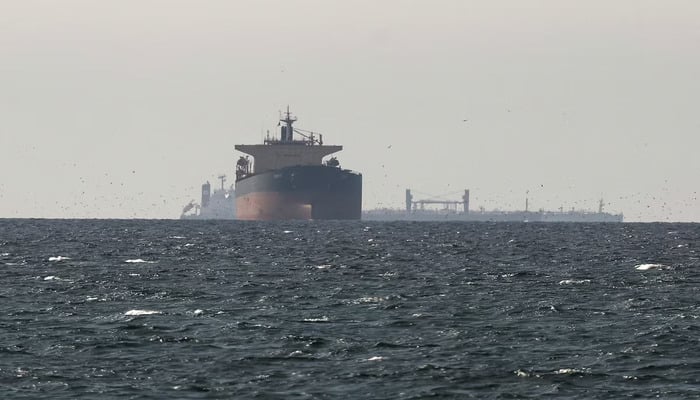
In a supermarket in Bahrain, Mahmoud Ali fills his cart as usual. The shelves remain stocked despite the war in the Middle East, but the blockade of the main shipping routes into the Gulf is now being felt at checkout.
“There’s no shortage”, but over the past few days “there has been a noticeable increase in the price of certain food products”, the father of four said.
The price of meat in particular has almost doubled, he added.
Like most of its neighbours in this arid region, the small Gulf monarchy depends heavily on imports, especially for its food supply.
But the war, triggered on February 28 by Israeli-US strikes against Iran, has severely disrupted the transport of goods through the strategic Strait of Hormuz, which is effectively closed.
“Most major ports in the UAE, Qatar, Kuwait and Bahrain have suspended or heavily reduced cargo processing,” said economist Frederic Schneider, from the Middle East Council on Global Affairs.
Air transport, another logistical pillar of the region, is also running below capacity because of daily Iranian drone and missile attacks, he added.
With the main gateways to the Gulf — the ports of Abu Dhabi, Jebel Ali in Dubai and Dammam in eastern Saudi Arabia — almost inaccessible, ships are turning to others located south of the strait in Oman and the Emirates.
Saudi Arabia has also positioned itself as a key supply hub at the heart of the Gulf region, as its airspace remains open and maritime traffic to its Red Sea ports continues.
To address the disruption of traffic in the ports along the Gulf coast, the kingdom has launched a new initiative to strengthen its transport networks by adding logistics routes and operational corridors to handle containers and cargo diverted from the country’s eastern ports, according to officials in the transport sector.
AFP journalists recently saw a stream of heavy trucks crossing the border with Qatar.
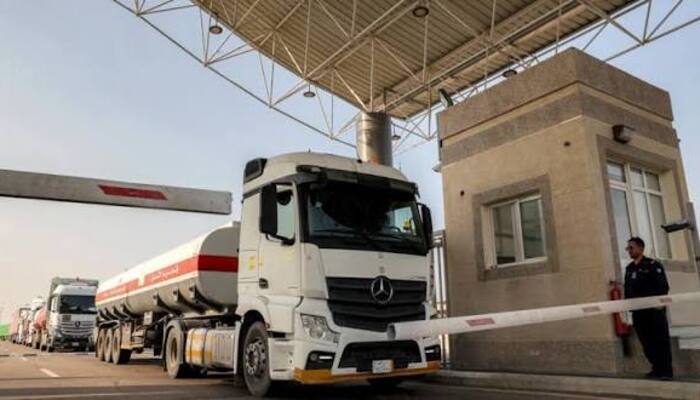
Other land-based alternatives exist, including road corridors linking to the Mediterranean through Syria or Jordan.
But these overland routes are too congested, expensive and insufficient to make up for the paralysis of traditional routes, Schneider said.
Fresh products, most of which are imported from Asia and cannot be stored for long, are the first to be affected.
‘Tangible risk’
Faced with this situation, the Gulf states are not on equal footing.
Saudi Arabia has direct access to the Red Sea. The United Arab Emirates claims to have four to six months of stock. And Qatar has invested heavily in its strategic reserves, following the three-year blockade imposed by its neighbours in 2017.
Bahrain and Kuwait, on the other hand, are already seeing consumers paying the price for the conflict.
After a rush on supermarkets in the first days of the war, Kuwaiti authorities froze the prices of certain basic products and subsidised meat imports.
“Overall, prices have remained stable,” an official from the Kuwaiti commerce ministry told AFP, speaking on condition of anonymity.
“But an increase of more than 30% was recorded for meat and fish,” which were affected by the suspension of fishing in the Gulf and the halt of imports from Iran, India and Pakistan, he said.
The private sector is also trying to contain the impact of the blockade.
The Lulu retail chain, which has 280 supermarkets in the region, said it maintains four to six months of reserve stock of non-perishables and has chartered special flights to fly in fruit, vegetables, meat, seafood and poultry.
So far, “37 special chartered flights have brought in more than 6,000 tons of fresh produce”, its communications director V Nandakumar told AFP, adding that the additional cost was “not going to be passed on to the consumer as of now”.
According to Schneider, “there is a certain level of preparedness and prices are elevated but under control for the moment”.
However, “as the war does not seem to end soon, there is a tangible risk of a price spiral on imported goods, in particular food”, he added.
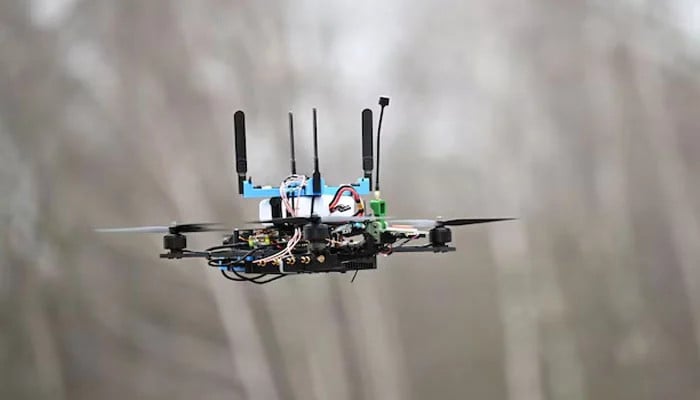
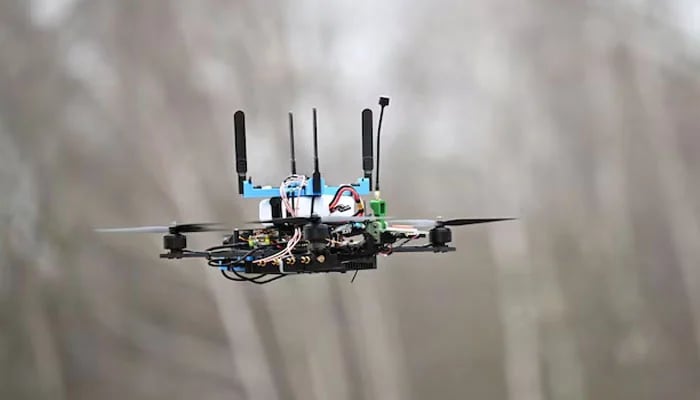
US officials detected unidentified drones above an army base in Washington where Secretary of State Marco Rubio and Pentagon chief Pete Hegseth live, the Washington Post reported on Wednesday, citing three people briefed on the situation.
The officials have not determined where the drones came from, the report said, citing two of the people.
The drones over Fort McNair prompted officials to weigh relocating Rubio and Hegseth, the report said.
However, the secretaries have not moved, the report added, citing a senior administration official.
The newspaper said the US military was monitoring potential threats more closely because of the heightened alert level over the US and Israeli war against Iran.
Reuters could not independently verify the report immediately.
The Pentagon and the US State Department did not respond to requests for comment.
Chief Pentagon spokesperson Sean Parnell declined to discuss the drones with the Washington Post.
“The department cannot comment on the secretary’s (Hegseth’s) movements for security reasons, and reporting on such movements is grossly irresponsible,” he told the Post.


Boots or Trail Runners? Depends if You Want Speed, Durability, or Ankle Support

Germany’s ZEW index falls to -0.5 in March amid Middle East tensions

Ryan Gosling reacts to viral NFL meme that won’t die

Stock market crash today (March 12, 2026): Nifty50 opens below 23,600; BSE Sensex down over 900 points on continuing US-Iran war – The Times of India

UK’s Topshop unveils Tolu Coker capsule collection

India’s textile recycling market may reach $3.5 bn by 2030: Report

-
Business1 week ago
Stock market crash today (March 12, 2026): Nifty50 opens below 23,600; BSE Sensex down over 900 points on continuing US-Iran war – The Times of India
-
 Fashion1 week ago
UK’s Topshop unveils Tolu Coker capsule collection
-
 Fashion1 week ago
India’s textile recycling market may reach $3.5 bn by 2030: Report
-

 Tech1 week ago
Meta Developed 4 New Chips to Power Its AI and Recommendation Systems
-
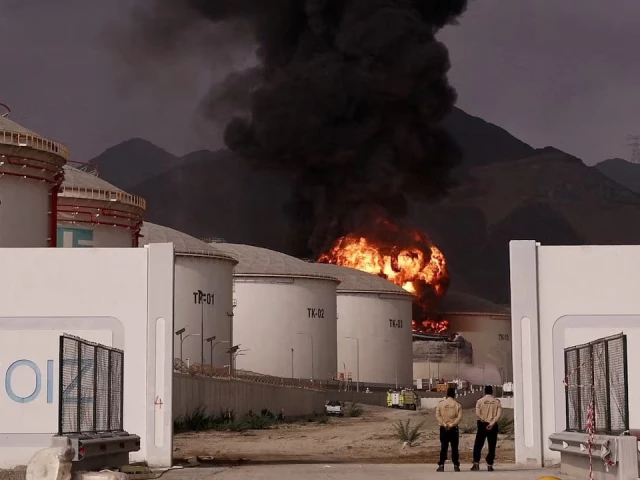 Business1 week ago
US ignites Iran war, but Gulf Arab states pay the price | The Express Tribune
-

 Sports1 week ago
Bangladesh crush Pakistan in ODI series opener | The Express Tribune
-
 Entertainment1 week ago
Gas, food, household prices explained
-

 Tech1 week ago
I Used Google’s New Gemini-Powered ‘Help Me Create’ Tool in Docs. It’s Great at Corporate-Speak