

Business
Beyond SRK-KKR Row: India’s Trade With Bangladesh ‘Business As Usual’?


Last Updated:
Aside from the hashtags and social media abuses, the facts about trade and business terms between India and Bangladesh reveal a deeply intertwined and profitable relationship

Actor Shah Rukh Khan has come under sharp attack from Hindu religious preachers and some BJP leaders over Kolkata Knight Riders (KKR) signing Bangladeshi pacer Mustafizur Rahman in the IPL 2026 auction. (Photo Credits: Instagram)
As the internet erupts over Shah Rukh Khan and the Kolkata Knight Riders’ decision to hire a Bangladeshi cricketer for the upcoming IPL season, branding the actor a “traitor”, the trade numbers from the union ministry of commerce and industry, accessed by News 18, quietly puncture the seemingly manufactured outrage.
Trade, economic, and diplomatic ties between India and Bangladesh were never cut off, even though India imposed some reciprocal restrictions on Bangladesh, including the withdrawal of transhipment facilities and port access. Beyond the hashtags and social media abuses, the facts about trade and business terms between India and Bangladesh reveal a deeply intertwined and profitable relationship, even a year after the ouster of Sheikh Hasina.
Decoding the trade data
According to the export and import data released by the Ministry of Commerce and Industry and updated on January 2, 2026, India’s exports to Bangladesh stood at 11.48 billion US dollars in FY 2025, up from 11.06 billion dollars in FY 2024. This shows a marginal growth of around 3 to 4% despite a year marked by political strain, border tensions, visa-route-port restrictions, and periodic diplomatic unease. According to the ministry data, India exported goods worth around 4 billion US dollars to Bangladesh in 2025-26 as of January 2.
The India Brand Equity Foundation (a trust backed by the commerce ministry) stated in its factsheet that India exported 5,069 commodities to Bangladesh in FY25, ranging from petroleum products, cotton yarn, cereals, machinery, vehicles, pharmaceuticals, to chemicals. In return, India imported around 806 commodities, including ready-made garments, jute products, leather goods, and select agricultural items. The trade balance remains heavily tilted in India’s favour, with no sign of a country “boycotting” its neighbour.
Economics over outrage
Data shows that robust trade continued through moments of visible political discomfort. Issues such as border management, water-sharing disputes, concerns over illegal migration, and domestic political churn in Bangladesh have cast long shadows over bilateral relations. Yet, trade and commerce have marched on, driven by supply chains, geography, and mutual economic interest rather than emotion or online virtue signalling.
Observers point out that this is not an argument for ignoring security or political concerns but a reminder that the Indian state engages Bangladesh through a pragmatic lens, distinguishing between geopolitical caution and economic engagement. This nuance is conspicuously absent in the digital mobs targeting a film star for a cricketing decision made by a franchise operating in a global sports ecosystem.
 Click here to add News18 as your preferred news source on Google.
January 02, 2026, 20:44 IST
Read More



Business
UAE stock markets close, trading halted by Abu Dhabi Securities Exchange and the Dubai Financial Market for two days amid Iran–US–Israel war fallout – The Times of India
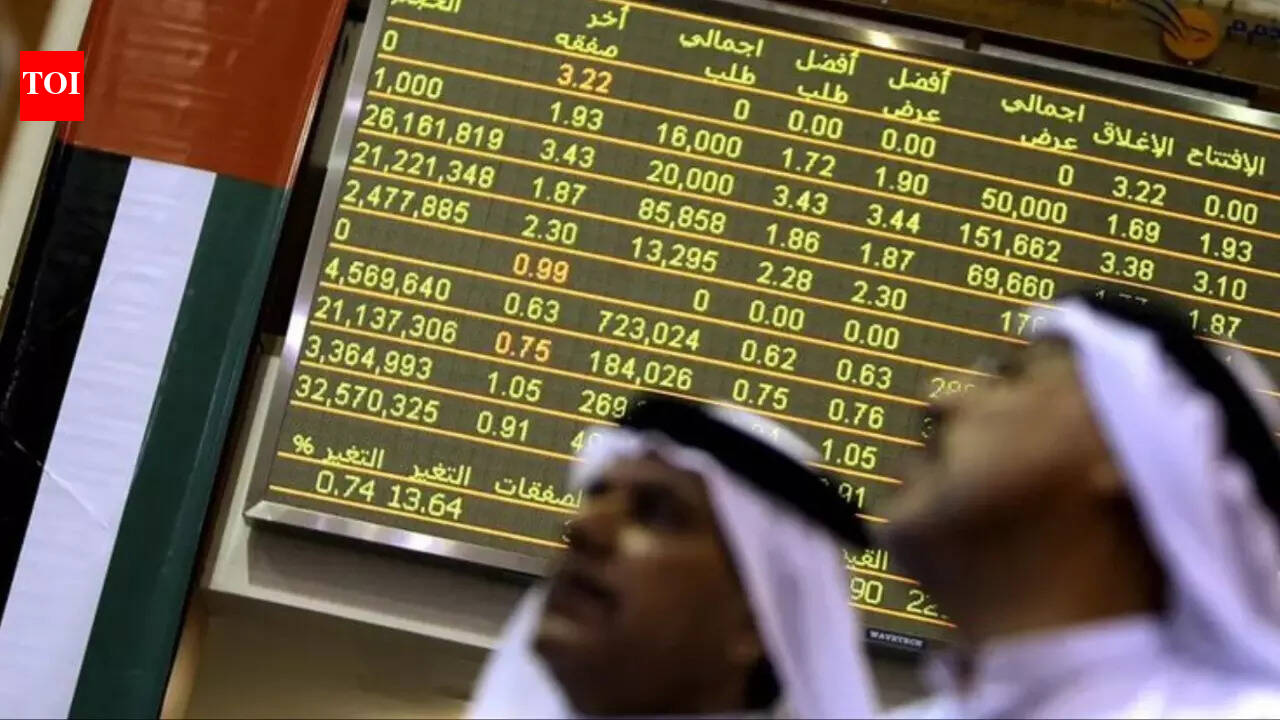
In an unprecedented economic response to escalating regional conflict, the United Arab Emirates has announced that its two major financial markets, the Abu Dhabi Securities Exchange (ADX) and the Dubai Financial Market (DFM), will remain closed on Monday, March 2 and Tuesday, March 3, 2026. The decision comes as the UAE reels from a series of retaliatory Iranian strikes following coordinated US and Israeli military actions against Iran, which have destabilised Gulf business sentiment and prompted sweeping security and economic precautions.The UAE Capital Markets Authority said that keeping the exchanges closed temporarily is part of its supervisory and regulatory mandate, providing authorities and market participants time to assess the impact of recent events on financial infrastructure and investor confidence. The halt affects equities, derivatives and trading in hundreds of billions of dollars in listed assets and is among the clearest signs yet of economic shockwaves from the regional crisis.
Why UAE stock markets are paused: Regional conflict among Iran–US–Israel disrupts confidence
The closures follow Iran’s retaliatory missile and drone strikes on Gulf cities and strategic targets, including airports and other infrastructure, after a joint US–Israel offensive. These attacks have not only led to safety measures such as airspace restrictions and travel advisories but also triggered widespread business disruption across the Gulf. Major airports in Dubai and Abu Dhabi have seen operations halted or altered and commercial hubs from ports to retail centres have felt the strain.
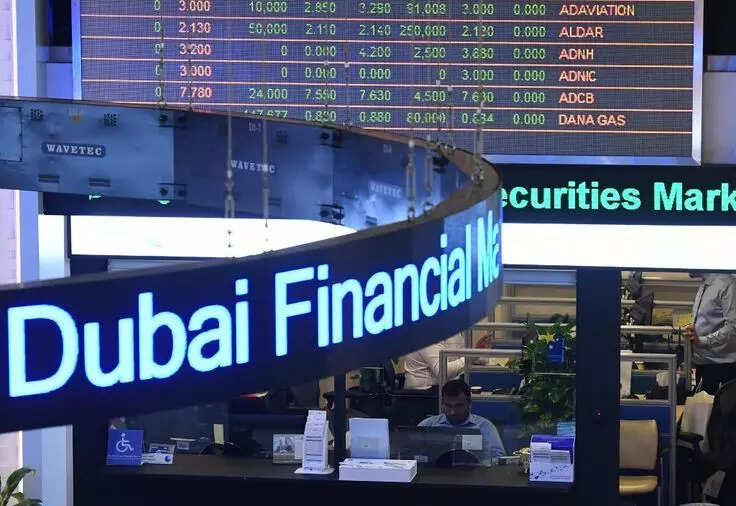
UAE Markets Shut Down: Is This Economic Capitulation to Regional War?
Financial markets are typically among the first economic indicators affected by geopolitical instability. When investors fear prolonged unrest, they often pull funds from equities and seek so-called “safe-haven” assets like gold, sovereign debt or commodities such as oil, especially when conflict threatens critical energy supply corridors like the Strait of Hormuz.
Regional market turmoil and knock-on effects in the Middle East amid Iran–US–Israel clashes
While the UAE exchanges are closed, other Gulf markets that remained open on Sunday experienced significant sell-offs as investors reacted to the turmoil:
- Saudi Arabia’s benchmark index saw sharp drops before partially recovering as investors weighed conflict risks against energy price gains.
- Muscat and other regional bourses also slid, reflecting broader risk-off sentiment.
- In Kuwait, authorities took the rare step of suspending trading indefinitely due to “exceptional circumstances” linked to the same regional tensions.
Financial markets are serving as a barometer of risk and economic confidence and the dramatic moves across the Gulf underscore how intertwined political stability is with economic performance in the region.
What the UAE’s stock market closure means for investors
For both domestic and international investors, the temporary shutdown of ADX and DFM has several implications. Liquidity and price discovery are paused, leaving billions of dollars in listed assets in limbo. Risk premiums on Gulf assets may rise, as traders reassess exposure during periods of heightened uncertainty. Investor sentiment is likely to remain fragile until there are visible signs of de-escalation or credible diplomatic resolutions.Economists note that halting trading does not eliminate market pressure, it simply delays it and when markets do reopen, there may be sharp moves as investors recalibrate positions based on new geopolitical and economic realities. The conflict has not just shaken stock markets, energy markets have also reacted. Reports from analysts indicate that crude oil prices have surged as fears of supply disruptions increase, with the Strait of Hormuz, a crucial passage for roughly 20% of global oil exports, under theoretical threat of closure.
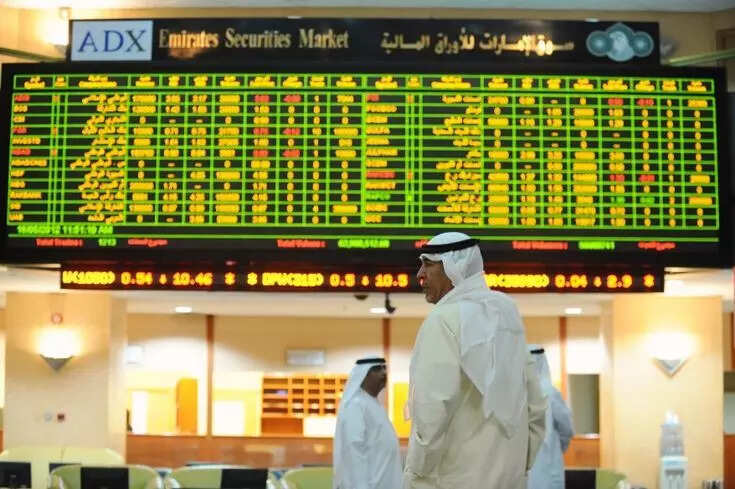
UAE Stock Markets Closed: What Does This Mean for Global Investors Amidst Escalating Conflict?
Higher oil prices can partially offset stock market pain in energy-exporting economies like the UAE but the overall economic impact remains complex. Other sectors, from tourism and hospitality to trade and logistics, have also felt immediate fallout: airport shutdowns have stranded travellers and corporate events and networking key to Ramadan business cycles have been postponed, compounding uncertainty.
UAE government messaging and future prospects
UAE authorities have stressed that public and economic safety remain top priorities. The temporary market closure is coupled with broad advisories across transportation, education and public services, such as airports issuing travel advisories and schools moving to remote learning, aimed at ensuring operational stability while the situation evolves. Officials have pledged to monitor conditions closely and communicate updates on any further market action. This includes potential rescheduling of reopening dates for ADX and DFM or additional measures to support investors once trading resumes.The UAE Capital Markets Authority ordered a two-day closure of the Abu Dhabi and Dubai stock markets on March 2–3, 2026, in response to escalating regional tensions. The pause follows retaliatory strikes by Iran after US and Israeli military action, which have disrupted markets, air travel and business operations across the Gulf. Gulf markets that remained open experienced sharp declines and volatility, reflecting investor risk aversion. Oil prices and safe-haven assets have climbed as geopolitical risk fuels global economic uncertainty. Authorities will continue to assess and communicate market developments as conditions evolve.
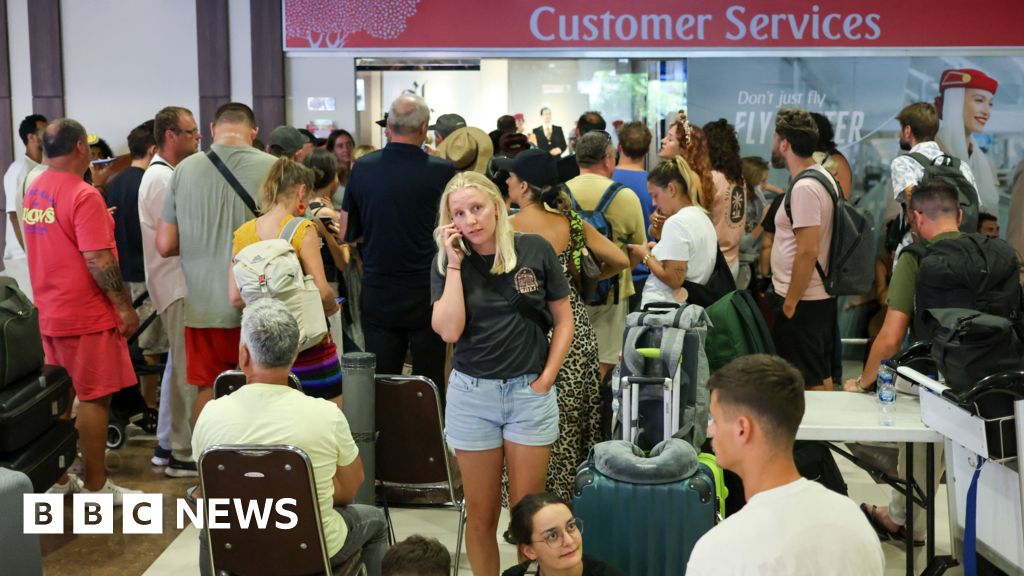
BA and Virgin Atlantic are among major airlines to ground services to the Middle East in light of the attacks.
Source link
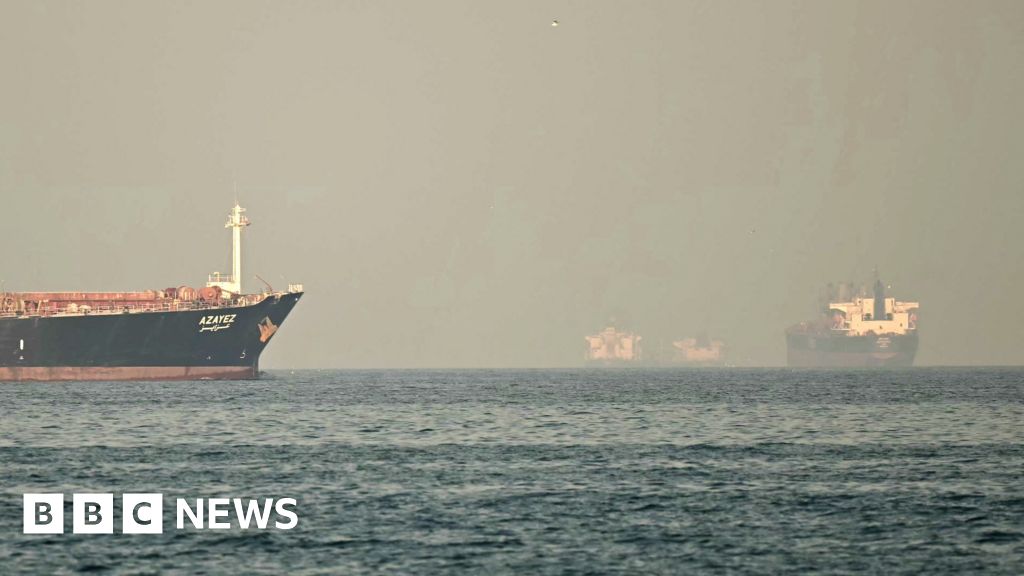
International shipping is said to have come to a standstill at the strait’s entrance, with fears of disruption already pushing up global oil prices.
Source link


Lenovo’s Latest Wacky Concepts Include a Laptop With a Built-In Portable Monitor

USA vs. Argentina (Mar 1, 2026) Live Score – ESPN

Shia LaBeouf battles addiction amid public and legal pressure

Pakistan carries out precision strikes on seven militant hideouts in Afghanistan

Eye-popping rise in one year: Betting on just gold and silver for long-term wealth creation? Think again! – The Times of India

The Supreme Court’s Tariff Ruling Won’t Bring Car Prices Back to Earth

-
 Politics1 week ago
Pakistan carries out precision strikes on seven militant hideouts in Afghanistan
-
Business1 week ago
Eye-popping rise in one year: Betting on just gold and silver for long-term wealth creation? Think again! – The Times of India
-

 Tech1 week ago
These Cheap Noise-Cancelling Sony Headphones Are Even Cheaper Right Now
-

 Sports1 week ago
Kansas’ Darryn Peterson misses most of 2nd half with cramping
-
 Tech1 week ago
The Supreme Court’s Tariff Ruling Won’t Bring Car Prices Back to Earth
-

 Entertainment1 week ago
Saturday Sessions: Say She She performs "Under the Sun"
-

 Sports1 week ago
How James Milner broke Premier League’s appearances record
-

 Entertainment1 week ago
Viral monkey Punch makes IKEA toy global sensation: Here’s what it costs