

Business
Bookmaker to close shops after ‘significant blow’ from Budget

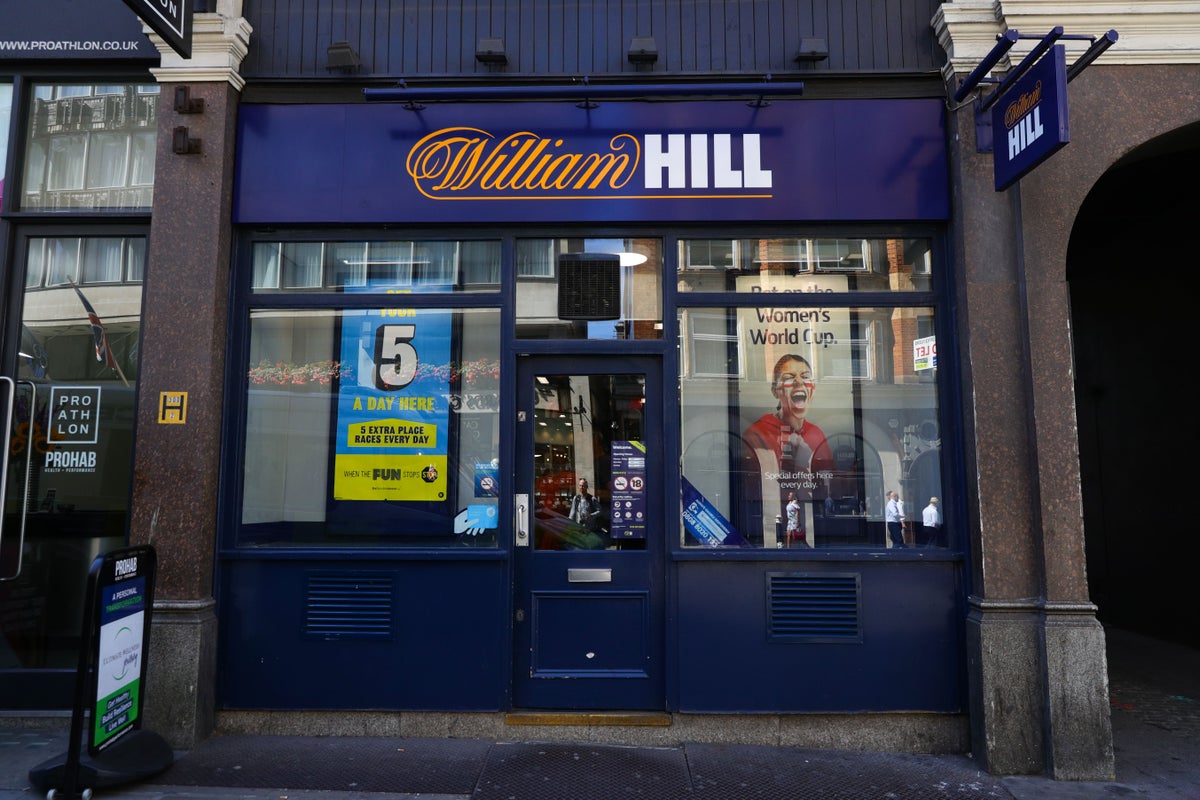
Evoke, the parent company behind betting giants William Hill and 888, has announced “quick and decisive” measures, including shop closures and significant cost reductions, to counteract recent government changes to gambling taxes.
The move comes as the group continues to explore a potential sale.
The company initiated a strategic review last December, following Chancellor Rachel Reeves’ announcement of increased taxes for online gambling operators.
Evoke stated it has acted to mitigate the financial blow from the November Budget, implementing both retail betting shop closures and group-wide cost-saving initiatives.
Last year, the debt-laden firm warned that new online gaming duties and a fresh online sports betting tax would inflate its annual duty costs by as much as £135 million from 2027.
Evoke had previously indicated it anticipated offsetting approximately half of these tax increases through store closures, alongside potential “changes to the customer proposition” and supplier efficiencies.
While the exact number of sites already closed was not confirmed on Tuesday, the company had previously suggested that up to 200 locations could be shut down if gambling taxes were raised.
Per Widerstrom, chief executive of Evoke, said: “We were very disappointed with the outcome of the UK Budget in November that dealt a significant blow to both Evoke and the wider regulated industry.
“We continue to believe these tax increases will negatively impact the industry’s economic contribution, customer protection, and will ultimately serve to support further growth in the illegal black market.
“As a result of these significant UK tax increases, the board is assessing its strategic options, with a resolute focus on maximising shareholder value.”
He added: “We have moved quickly and decisively to execute on our mitigation plans including the closure of retail stores that are no longer sustainable as well as broader cost savings, and we will update shareholders on our progress and updated strategic plan in due course.”
In the Budget, the Chancellor raised remote gaming duty from 21 per cent to 40 per cent from April next year.
There will also be a new online sports betting duty of 25 per cent, which will cover all sports except horse racing, from 2027.

In an update on trading, Evoke said that fourth-quarter revenues were 4% lower on a constant currency basis compared with a year earlier, when trading was boosted by company-friendly sports results.
But it said the revenues of £464 million were 7 per cent higher than the previous quarter.
Betting revenues were the hardest hit in the quarter, down 22 per cent year-on-year, while gaming revenues lifted 9 per cent.
Despite this, the firm said it expects to report a rise in full-year revenue of about 2 per cent to £1.79 billion.
Shares in the firm fell 7 per cent in morning trading on Tuesday.

Families on some benefits with three or more children will get an average rise of £4,100 a year.
Source link
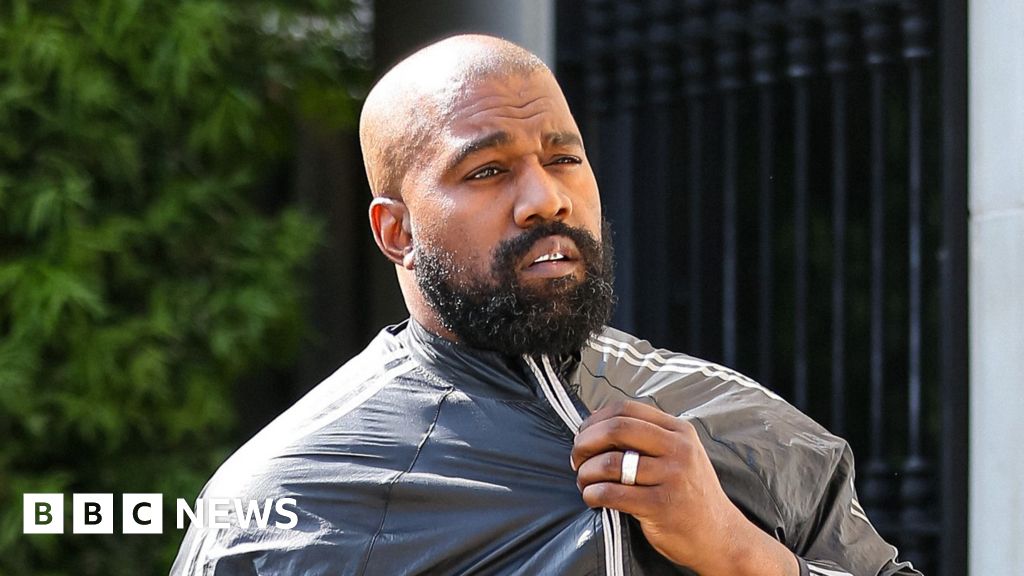
Sir Keir Starmer says it is “deeply concerning” the rapper is set to headline a festival after recent antisemitic comments.
Source link
Business
Stock markets outlook: Dalal Street braces for swings as RBI MPC decision, war risks weigh on sentiment–Check key triggers – The Times of India

Domestic equities are expected to remain volatile this week as investors track the Reserve Bank’s monetary policy decision, global macroeconomic cues and evolving developments in the West Asia conflict, analysts said, according to PTI.Market participants will also keep a close watch on crude oil price movements and foreign fund flows, which continue to influence sentiment.Vinod Nair, Head of Research at Geojit Investments Ltd, said the RBI’s Monetary Policy Committee (MPC) meeting will be the key domestic trigger, with investors focusing on the central bank’s stance on inflation and growth.“A rate pause is near-certain consensus, the central bank walks a tightrope between crude-driven inflation risks and a four-year low Manufacturing PMI signalling a softening growth impulse. The governor’s commentary on the rate cycle trajectory and FY27 projections will be closely monitored.“Globally, the US March CPI reading will carry significant importance, as it buries residual Fed rate-cut hopes, strengthens the dollar and tightens financial conditions for emerging markets, including India,” Nair said.He added that geopolitical developments in West Asia will remain the dominant factor shaping market direction.“Indian markets return after a three-day gap and remain acutely vulnerable to weekend war developments, with crude trajectory and any credible ceasefire signal being the decisive variable that could either trigger a sharp relief rally or extend the current sell-on-rise mode,” he said.In the previous holiday-shortened week, the BSE Sensex declined 263.67 points, or 0.35%, while the NSE Nifty fell 106.5 points, or 0.46%.Siddhartha Khemka, Head of Research (Wealth Management) at Motilal Oswal Financial Services Ltd, said investor sentiment will remain closely linked to developments in the West Asia conflict.Brent crude prices have stayed elevated near $107 per barrel, fuelling concerns around imported inflation. Currency pressures have also intensified, with the rupee weakening sharply before recovering towards Rs 93 against the US dollar following RBI intervention, he noted.Foreign institutional investor (FII) outflows remain a key overhang, with March witnessing heavy selling of Rs 1.2 lakh crore, among the highest monthly outflows in recent years.“Investors will monitor the US Federal Open Market Committee (FOMC) meeting minutes, GDP data, and initial jobless claims for further cues on growth and the policy trajectory.“Overall, markets are expected to remain volatile as geopolitical developments, crude price movements, FII flows and global macro data continue to drive sentiment,” Khemka said.Analysts said any signs of de-escalation in the West Asia conflict could ease crude prices and stabilise the currency, offering relief to markets, while further escalation may prolong risk aversion and keep pressure on foreign flows.

‘It’s a massive help’: Benefits and pensions rise as two-child cap ends

Olivia Munn urges fans for ‘early’ cancer checkup

Islanders fire head coach Patrick Roy with four games left in the season amid playoff race

-

 Sports1 week ago
USMNT handed reality check by Doku, Belgium ahead of World Cup
-

 Sports1 week ago
2026 NCAA men’s hockey tournament: Schedule, results
-

 Fashion1 week ago
EU apparel imports slump 15.48% YoY in Jan; Bangladesh hardest hit
-

 Tech2 days ago
Our Favorite iPad Is $50 Off
-
Uncategorized3 days ago
[CinePlex360] Please moderate: “Trump signals p
-
Uncategorized6 days ago
[CinePlex360] Please moderate: “Further tariff
-

 Entertainment1 week ago
The Avett Brothers’ bassist explains why he wrote a book about John Quincy Adams
-
Uncategorized1 week ago
[CinePlex360] Please moderate: “Apple scrapping