

Business
Budget 2026: Economic survey flags robust GDP growth; Industry credits domestic demand

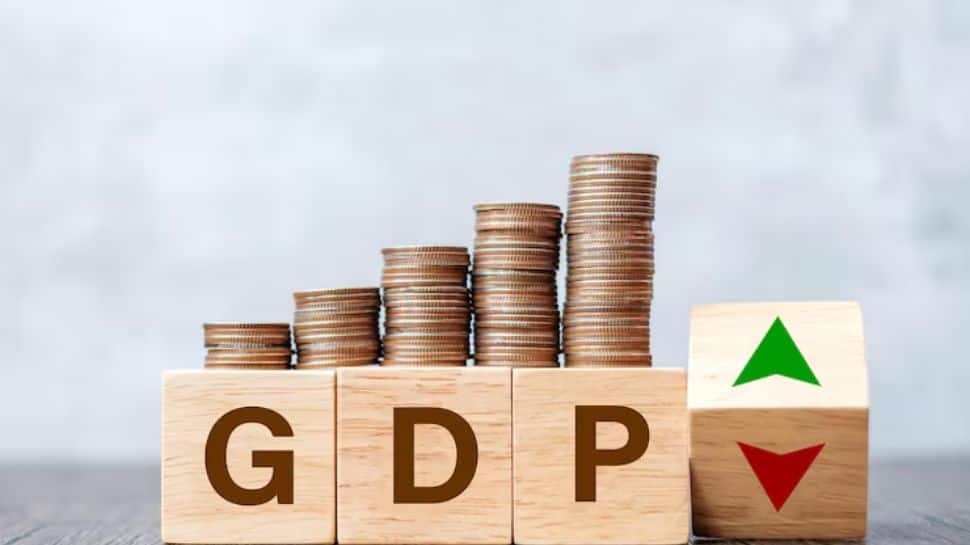
New Delhi: India’s economy is projected to expand at a rate of 6.8 to 7.2 per cent in the fiscal year 2027, according to the Economic Survey 2025-26 tabled in Parliament today. Industry leaders across the financial, insurance, and manufacturing sectors reacted to the findings, noting that the document outlines a stable macroeconomic environment driven primarily by domestic demand and structural shifts in exports.
The survey highlights that India remains the fastest-growing major economy for the fourth consecutive year. Shashank Udupa, SEBI-registered RA and Fund Manager at Smallcase, stated that “growth momentum is likely to stay strong even as global conditions remain uncertain. A key positive is that domestic demand is going to be the major driver. This makes growth more stable and predictable”
Udupa noted a significant structural shift in electronics exports, which moved from the seventh-largest category in FY22 to the third-largest by FY25. With USD 22.2 billion in exports recorded in the first half of FY26, the sector is on track to become India’s second-largest export segment.
Sector-specific insights from the survey also point toward a pivotal moment for the insurance industry. Hanut Mehta, CEO and Co-Founder at Bimapay Finsure, said the survey’s insights highlight both the resilience and potential of India’s insurance sector.
“While insurance penetration shows a slight dip, overall premium growth continues, signaling that the market is expanding and that consumers remain increasingly aware of the importance of protection,” he said, observing that tier II and tier III cities, along with semi-urban and rural areas, are emerging as key growth drivers.
The banking and financial services sector enters the upcoming fiscal year from a position of resilience, according to the industry. Sonam Srivastava, Founder and Fund Manager at Wright Research PMS, said the Economic Survey reinforces a broadly supportive macro-financial backdrop rather than signalling any abrupt policy shifts. Srivastava mentioned that the emphasis on balance sheet strength, improving asset quality, and sustained credit growth suggests that banks and NBFCs enter FY27 with a strong foundation.
“Credit growth is likely to remain anchored around nominal GDP growth, with retail, MSME and infrastructure-linked lending continuing to be key drivers, while capital adequacy and profitability buffers help absorb pockets of stress as rates remain higher for longer,” she said.
Dipesh Jain, Partner, Economic Laws Practice, noted that the Economic Survey has indicated that while the nominal GDP, per Budget estimates for FY26, is likely to be higher by approximately 51 per cent from FY 2022, the corresponding gross direct tax revenue is likely to be higher by approximately 58 per cent.
“The increased tax collection is attributed to, amongst others, NUDGE approach of the Income-tax Department,” Jain said. “This is a win-win for both – the income-tax department and the tax-payers.”
NUDGE refers to Non-intrusive Usage of Data to Guide and Enable. NUDGE identifies potential non-compliances and guides taxpayers with relevant information leading to voluntary corrections or compliance by tax-payers, without resorting to audits or litigation.



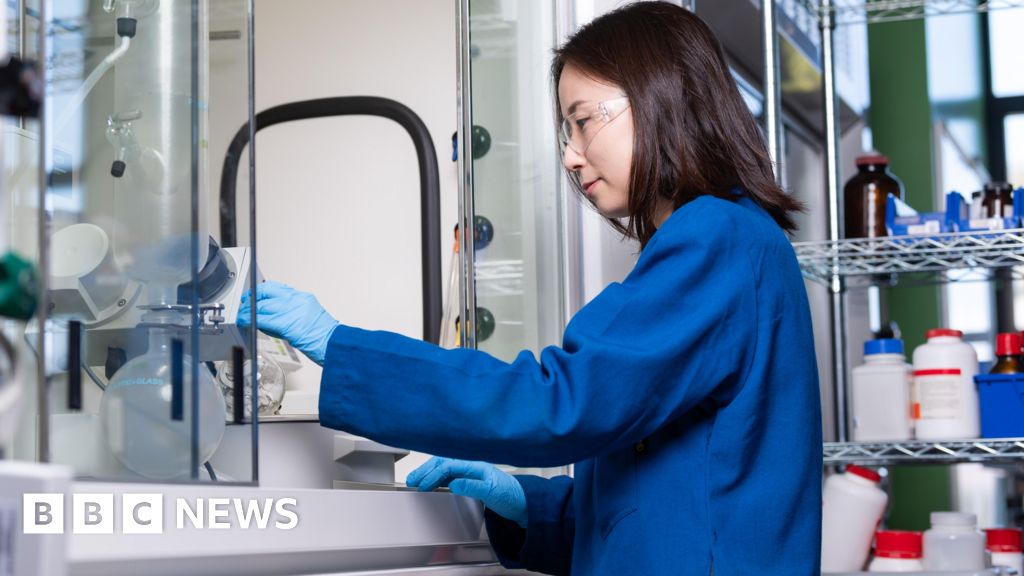
Molecules that can capture heat could be a useful technology to decarbonise heating.
Source link

The city is responsible for 80% of the world’s natural history TV shows.
Source link
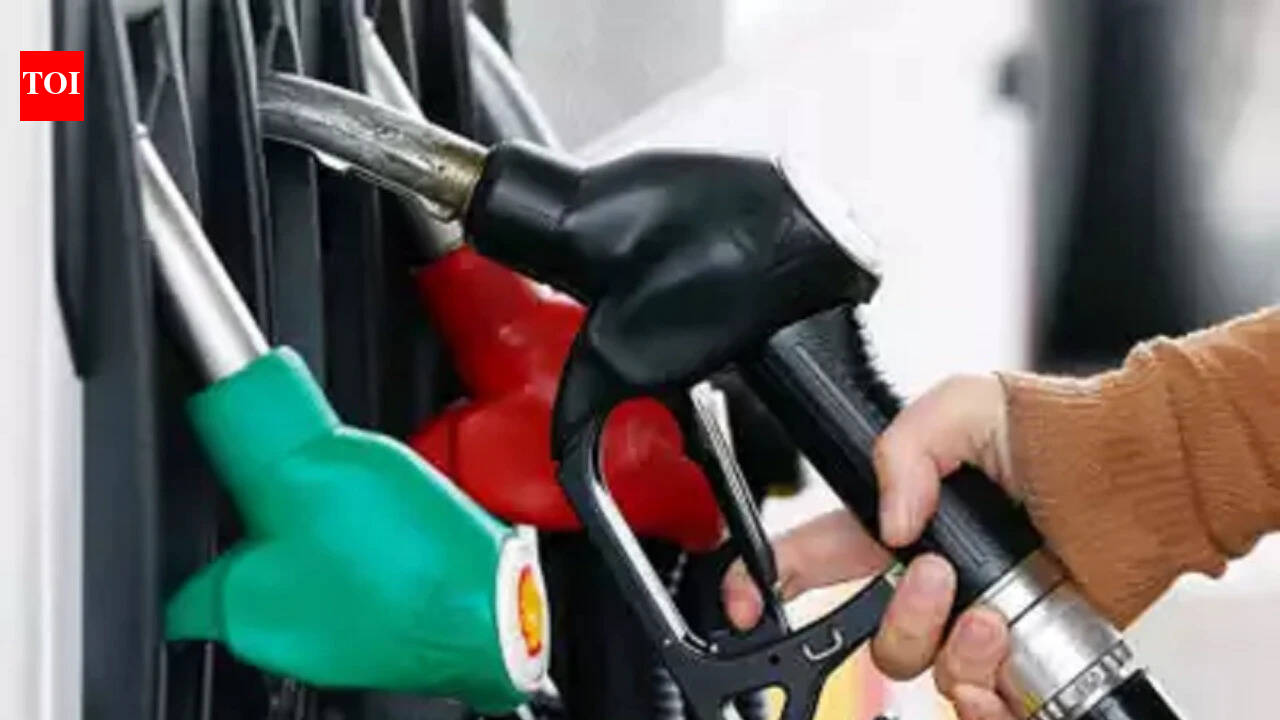
NEW DELHI: The West Asia conflict is pushing govt to look at a faster transition towards renewable energy, including the possibility of increasing ethanol blending in petrol from 20-25%, although in a calibrated manner. This will come along with increased refining capacity within the country, so that there is a buffer in the system and greater domestic resilience, those familiar with the discussions said, pointing out that sustaining refineries at 100% capacity is not sustainable.While Barmer refinery has begun operations, expansion at Numaligarh is underway and work on integrated refineries on the west coast is also under focus. Apart from a mega refinery in Maharashtra, a new facility in Gujarat is also planned.Officials said rising use of renewables, biofuels and hydrogen in the energy mix was no longer just an environmental issue, but a strategic necessity in a situation like the present one, where the military conflict in West Asia has disrupted global energy supplies, triggering a supply crisis and a surge in oil and gas prices.According to officials, 20% ethanol blending has helped India save 4.5 crore barrels of crude annually and reduce foreign exchange outflow by around ₹1.5 lakh crore so far. Given the concerns over fuel efficiency and impact on vehicles, govt is expected to take a gradual approach that addresses the anxiety on ethanol blending. The third pillar on energy is expanding the strategic petroleum reserves.


CDF Munir to address Marka-e-Haq victory ceremony at GHQ tomorrow

Putin says army fighting ‘aggressive’ Nato-backed force in Victory Parade address

I Tried the Best Captioning Smart Glasses, and Only One Leads the Pack

-

 Politics6 days ago
Iran weighs US reply delivered via Pakistan as Trump signals opposition to deal terms
-

 Tech1 week ago
This Indigenous Language Survived Russian Occupation. Can It Survive YouTube?
-

 Fashion1 week ago
Canada’s Lululemon appoints Esi Eggleston Bracey to board of directors
-

 Fashion1 week ago
US’ J.Jill, Inc. appoints Kimberly Wallengren as CMO
-
 Business1 week ago
Government hikes jet fuel prices by 5% for international airlines – The Times of India
-

 Fashion1 week ago
US’ Gap partners with Victoria Beckham on timeless wardrobe essentials
-
 Business1 week ago
Apollo Sports Capital and Tom Dundon make landmark $225 million investment in pickleball
-

 Fashion1 week ago
AAFA pushes for swift US House passage of key anti-counterfeiting law