

Business
Busiest Christmas Eve for air travel, says aviation body


Faarea Masud & Simon BrowningBBC News
 Getty Images
The number of passengers passing through UK airports will be the most ever seen on any Christmas Eve since records began in 1972, the Civil Aviation Authority (CAA) said.
It projects over 335,000 people will be flying in the UK on Wednesday, which is up 5% from Christmas Eve in 2024, though minimal disruption is expected.
Britain’s roads are also expected to see one of the busiest Christmas Eves since records began said the RAC, though another motoring lobby says traffic peaks for the season have passed.
The RAC said the worst time to travel on Wednesday is from 1pm to 7pm as millions hit the road to get home before Christmas Day on Thursday, with delays expected on major routes.
Manchester airport said on Christmas Eve it expects around 75,000 passengers passing through, with 208 flights leaving the UK, but that number will halve on Christmas Day. Its most popular destinations on Christmas Eve are Amsterdam, Paris and Dublin.
Heathrow meanwhile says it is expecting its busiest December period ever, including 152,000 passengers using it on Christmas Day. EasyJet said 558 flights will depart on Christmas Day, part of “its busiest festive season ever”.
Stansted Airport said Christmas Day for it, meanwhile, will be relatively quiet.
The busiest single day of the festive period for air travel was Friday 19 December.

 Getty Images
The RAC meanwhile said particular tight spots on the roads will be the clockwise northern and western sections of the M25 from mid-morning, and the M5 north from Gloucestershire towards the West Midlands later in the afternoon.
While millions will travel by rail, earlier last-train times mean many may take to the road, making them even more congested.
Several rail routes will be restricted or closed over the Christmas period for maintenance.
National Rail trains do not run on Christmas Day and only a small number will run on Boxing Day.
National Express coaches says it is running on Christmas day to 96 destinations.
The RAC’s mobile servicing and repair’s team leader Nick Mullender said 2025 was “looking to be the busiest getaway period since our records began” in 2013.
He said this year’s Christmas Eve would be the busiest, with workers saving on annual leave days and heading off on getaways at the last minute.
Meanwhile the AA, which provides traffic updates across the UK, said 19 December was the busiest part of the season.
For Christmas Eve, it warned the M27 will close in both directions between Junction 9 (Whiteley/Park Gate) and Junction 11 (Fareham East/Gosport) from 8pm until 4am on 4 January for major works at Junction 10.
This closure affects road journeys between Southampton and Portsmouth.
Drivers are advised to check tyres, expect delays and ensure oil and coolant levels are correct. It expected a rise in breakdowns as the weather becomes colder and 4.2 million journeys will be taken on roads.
You can see how weather will affect your Christmas travel plans on the road.
You can see here how other transport, such as ferries, are affected.

It comes after the war in Iran caused mass disruption to flights across the Middle East and UAE.
Source link

The news comes as financial results for 2025 show a seventh consecutive year of profitability.
Source link
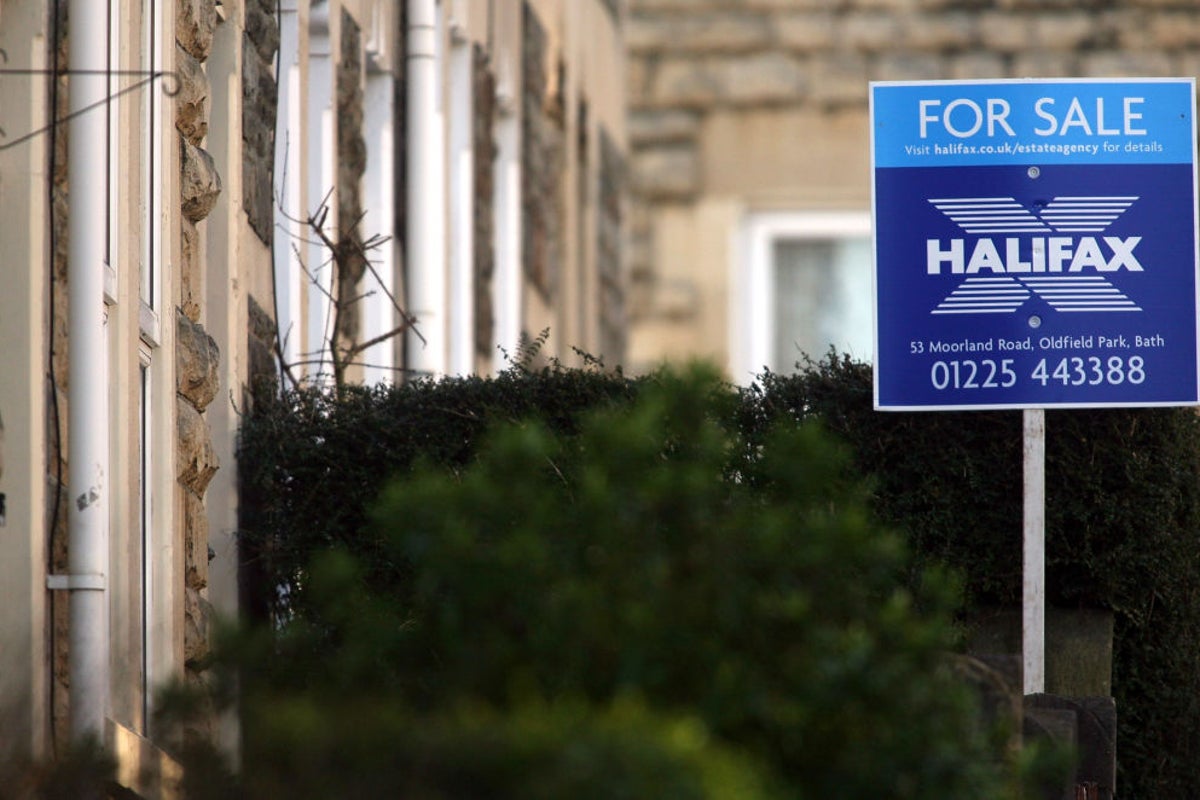
Mortgage costs are rising and homeowners who need to renew a fixed rate deal should move quickly, experts have warned.
The Bank of England is likely to hold rates when its Monetary Policy Committee meets on Thursday, rather than cut them as had been widely anticipated before the Middle East crisis.
That means further pressure on mortgage deals as the best offers get pulled from the market. The so-called “swap rates”, which reflect the markets view of which way borrowing costs will go, are on the rise.
Since the outbreak of the Iran war, mortgages at less than 4 per cent, common not so long ago, have met a rapid demise.
Elliot Nathan, partner at mortgage broker Eddge, says: “As of today, its easier to name which banks haven’t increased rates in the past few days.
“I suspect with the uncertainty we shall continue to see SWAPs rise which in turn will lead to lenders making further increases. I would strongly recommend anyone thinking of securing a fixed rate for a remortgage which is due to expire this year, to move quickly.”
None of the big lenders are offering a fixed rate below 4 per cent at the moment.
All of the biggest banks – namely Barclays, HSBC, Lloyds Bank, NatWest and Santander – have increased rates since the start of March. Building societies have done the same. Nationwide rates on some fixed rate deals go up by 0.35% from Tuesday March 17.
While recent mortgage costs are up, they are still better than a year ago, before the Bank of England cut rates. Sadly for the UK, borrowing costs are being driven by world events rather than UK government policy, which may limit what politicians are able to do in mitigation, say brokers.
Rachel Springall, finance expert at Moneyfactscompare.co.uk, said: “Borrowers looking for the lowest fixed rates will be disappointed to see the demise of sub-4 per cent mortgages, but they are not sustainable with swap rates increasing.
“Lenders look at margins very carefully, so it would be unwise to price their deals too low, if the expectations are for interest rates to rise, even if over the short-term.”
She added: “The mortgage market needs stability, and really, borrowing costs are lower than in recent years, and we have had sub-4 per cent deals on the shelves for over a year (since February 2025). While many of the biggest lenders no longer offer a sub-4 per cent fixed deal, it is a cautious decision.
“Mortgage rates are rising due to global pressures, not UK fiscal policy, so while not ideal, rate increases are not mirroring the ‘mini-Budget’ fiasco in 2022.”
Peter Stimson, director of mortgages at MQube, said: “Since the start of the Iran war, swaps, which fixed rate mortgage pricing is based off, have risen around 0.60% and all of this has essentially now been passed on to mortgage customers with all the big lenders now having repriced at least twice, in the form of higher mortgage rates.”
This means a first time buyer wishing to take out a 90 per cent LTV mortgage is now paying around 4.65 per cent for a 2-year fixed rate (£999 fee) and around 4.90 per cent for a 5-year deal (£999 fee).
Mr Stimson added: “However, rates are changing rapidly and the longer the war continues the more we can expect rates to continue their upward trajectory. How bad could this get? If this is protracted and we get oil approaching $150 a barrel, we may see yet another interest rate rise being priced into the swap curve by the market and another jump in mortgage rates. Hopefully, there is resolution before then.”
Oil on Tuesday was trading at $103 a barrel.
Dan Coatsworth, head of markets at AJ Bell, said: “The longer the oil price stays above $100 per barrel, the louder the alarm bells for the market over inflation risks. Iran’s continued attacks on regional energy infrastructure are helping to keep crude at elevated levels.”
Some say the issue for mortgage prices is a lack of new housing.
Mary-Lou Press, President of NAEA Propertymark (National Association of Estate Agents), said: “The loss of sub-4 per cent fixed rate mortgages will be disappointing for many buyers, particularly first-time buyers already facing affordability pressures.
“This shift highlights how sensitive mortgage rates are to wider economic uncertainty, making it harder for people to plan and potentially slowing activity across the housing market.
“Even small increases in rates can significantly impact borrowing capacity and monthly costs, reinforcing the need for stability and confidence.”

Easter holidaymakers switching from Dubai to Spain as flights fill up

Woman on Coldplay “kiss cam” speaks about backlash from scandal and how it differed from CEO
Hundreds of jobs at risk at Bentley in Crewe

Stock market crash today (March 12, 2026): Nifty50 opens below 23,600; BSE Sensex down over 900 points on continuing US-Iran war – The Times of India

Intertextile Shanghai 2026: Fringe events spotlight market trends

What time will NASA’s 600 kg satellite crash to Earth today— 14 years after launch?

-
Business5 days ago
Stock market crash today (March 12, 2026): Nifty50 opens below 23,600; BSE Sensex down over 900 points on continuing US-Iran war – The Times of India
-
 Fashion1 week ago
Intertextile Shanghai 2026: Fringe events spotlight market trends
-
 Entertainment1 week ago
What time will NASA’s 600 kg satellite crash to Earth today— 14 years after launch?
-

 Sports1 week ago
2026 NCAA Tournament Berth Tracker: Automatic Bids, Championship Game Times, and Defending Champs
-

 Fashion1 week ago
German brand Adidas posts 13% revenue growth in 2025
-
 Business1 week ago
Gulf war risks global economic shock | The Express Tribune
-
 Business1 week ago
Crude oil surpasses $100: WTI up 30%, brent crude reaches $118; what it means? – The Times of India
-

 Fashion6 days ago
UK’s Topshop unveils Tolu Coker capsule collection