

Business
CCP to probe cooking oil industry | The Express Tribune

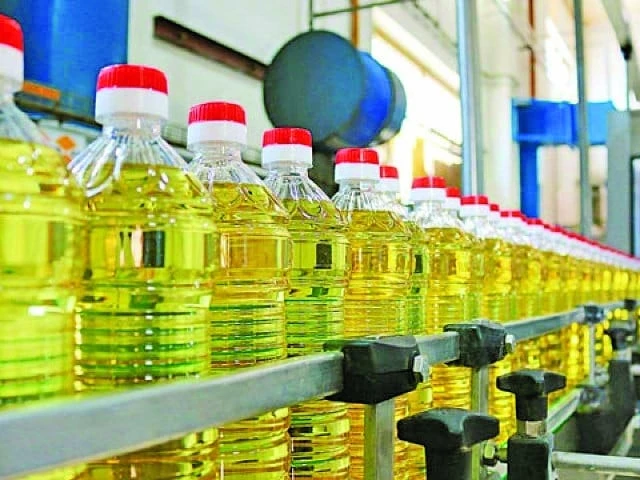
It was emphasised in the meeting that the demand and supply of essential food items, especially ahead of Ramazan and festive seasons, be evaluated for their uninterrupted supply at stable prices. Photo: file
ISLAMABAD:
The government has directed the Competition Commission of Pakistan (CCP) to investigate the allegations of cartelisation in the cooking oil and ghee industry on a fast track.
The National Price Monitoring Committee (NPMC), in a recent meeting, directed the CCP to submit its preliminary findings in the next meeting. The committee said that it had noticed that health issues were increasing due to the substandard quality of cooking oil and ghee. Furthermore, it stated that the issue may be taken up seriously by the relevant ministries and provincial departments.
The price control committee also reviewed the cooking oil price trend in compliance with the Economic Coordination Committee’s (ECC) decision taken on July 25, 2025.
The CCP informed meeting participants that an investigation into alleged cartelisation in the palm oil and ghee sector had been initiated in November 2025. The CCP was in the process of collecting requisite information and would complete its preliminary report in a couple of months.
The committee decided that the Ministry of Industries and Production, in collaboration with the Ministry of Science and Technology (Pakistan Standards and Quality Control Authority), should coordinate with the provincial governments (food control authorities/ departments) to ensure compliance with prescribed standards for the vegetable oil and ghee supplied domestically and submit a report to the NPMC in the next meeting.
The committee agreed that the Ministry of National Food Security and Research and the food and agriculture section of the Ministry of Planning, Development and Special Initiatives, under the supervision of the consultant food and agriculture, may prepare a policy paper for the potential agri-products, such as tea, edible oil, processed products, pulses, juices, etc, which could be incentivised to reduce Pakistan’s import bill and save foreign exchange. Additionally, it may include the impact of general sales tax on processed food that was impeding the development of value-added markets.
The committee said that the presentation to be made by the Islamabad Capital Territory (ICT) administration was deferred and the chair had given the directive that the ICT chief commissioner would give a detailed briefing on the movement of commodity prices and the administrative measures planned for Ramazan in the next meeting.
The NPMC decided that the Pakistan Bureau of Statistics (PBS) would prepare a weekly/monthly report on the ranking of districts in terms of price control and share it with the concerned ministry and provincial governments to enable them to effectively control price movements.
The chief statistician presented an analysis covering the inflation trends, impact of recent floods on food prices, wholesale-retail price differentials and national and international trends for cooking oil prices. He informed the meeting that prices of key commodities such as wheat, chicken, potatoes, onions, tomatoes and eggs were reviewed, with a particular focus on comparing the current rates with pre-flood levels.
The State Bank of Pakistan (SBP) presented a comprehensive report on loan disbursements to farmers for the sowing of Rabi crops in flood-affected areas, along with district-wise details. Meeting participants expressed the desire that the SBP may also provide a complete disaggregated breakdown of farm and non-farm credit and the types of credit disbursed under those categories, so that the NPMC may have a clearer picture of the effective utilisation of agri-credit.
The committee emphasised the need for stronger coordination between the provincial governments and the Ministry of National Food Security to accurately assess the situation. It was emphasised that the demand and supply of essential food items, especially ahead of Ramazan and festive seasons, be evaluated for their uninterrupted supply at stable prices. The food ministry apprised the meeting of consultations held with the Ministry of Industries and the provincial governments, and identified the measures to be taken before and during Ramazan to provide essential food items at stable prices.
The provincial departments added that they had asked the district administrations to take all possible measures to ensure the supply of essential food items during Ramazan. In that regard, the Sasta Ramazan Bazaar will also be organised.
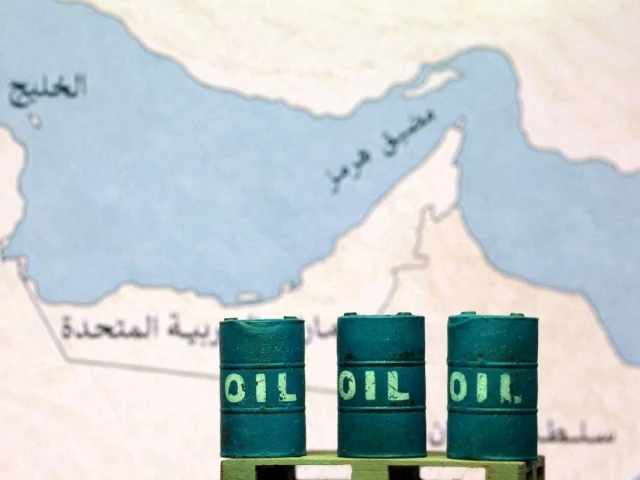



The war in the Middle East has brought renewed attention to Britain’s vulnerability to energy price shocks.
Source link
Business
Gadkari urges shift to 100% ethanol blending, flags energy security and import risks – The Times of India
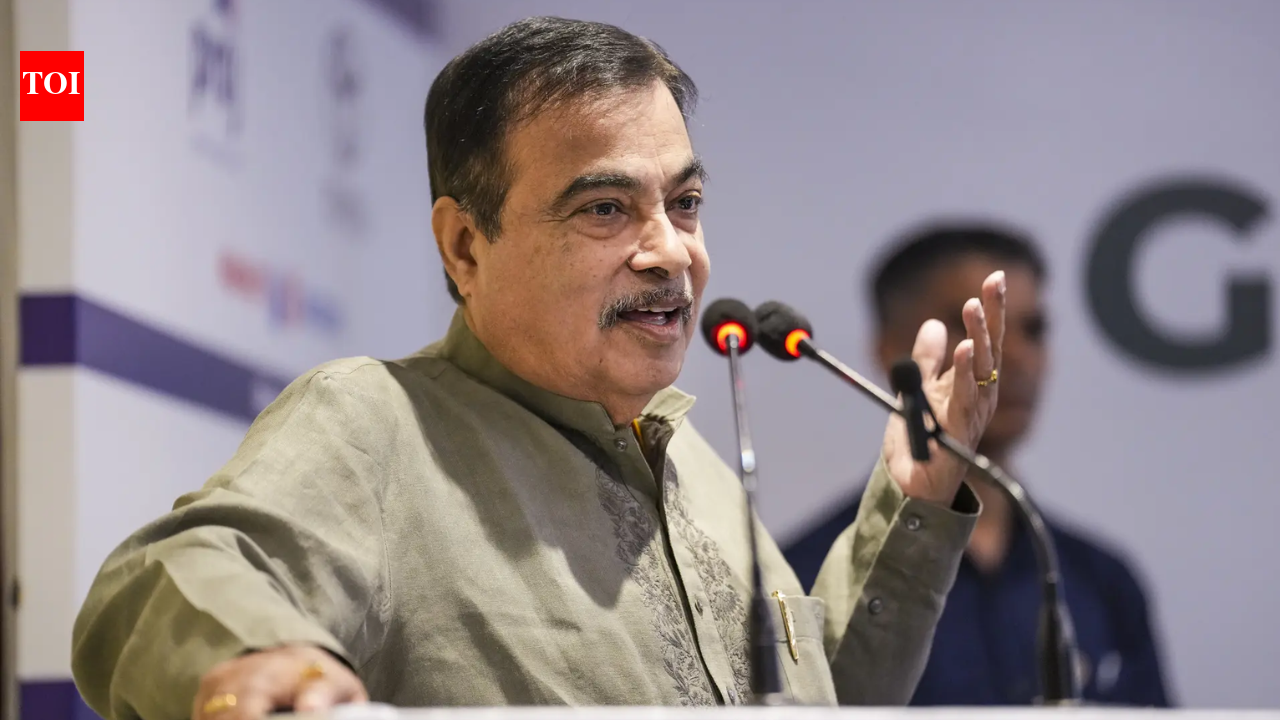
India should aim for 100 per cent ethanol blending in the near future to strengthen energy self-reliance, road transport and highways minister Nitin Gadkari said on Tuesday. He said that vulnerabilities in oil supplies due to the ongoing crisis in West Asia have made it essential for the country to reduce dependence on imports.Speaking at the Indian Federation of Green Energy’s Green Transport Conclave, Gadkari said, “In the near future, India should aspire to achieve 100 per cent ethanol blending… Today, we are facing an energy crisis due to the war in West Asia, so it is necessary for us to become self-reliant in the energy sector,” as quoted by PTI.India currently allows vehicles to run on E20 petrol, which contains 20 per cent ethanol, with minor engine modifications to avoid corrosion and related issues. In 2023, PM Modi launched petrol blended with 20 per cent ethanol. Countries such as Brazil have already achieved 100 per cent ethanol blending.Gadkari noted that India imports 87 per cent of its oil requirements, adding, “We import fossil fuels worth Rs 22 lakh crore, which is also causing pollution… so we need to work on increasing production of alternative fuel and bio-fuel.”On future energy solutions, he stressed the importance of green hydrogen but pointed out challenges in cost and transport. “Transport of hydrogen fuel is a problem. Also, we need to produce 1 kg of hydrogen at $1 dollar, to make India an exporter of energy,” he said, adding that hydrogen production from waste should be explored.The minister also emphasised the role of a circular economy in generating employment opportunities. While calling for reduced reliance on petrol and diesel vehicles, he clarified, “But we can not force people to stop buying petrol and diesel vehicles.”Addressing concerns about E20 fuel, Gadkari said the petroleum sector is lobbying against the move. He also urged automobile manufacturers to prioritise quality over cost to expand into new markets.Last year, Gadkari dismissed criticism against E20 (ethanol-blended petrol), saying a “paid” social media campaign is being run to “target me politically.” He said Society of Indian Automobile Manufacturers and Automotive Research Association of India have shared their findings on ethanol blending in petrol. He added that India’s ethanol programme has benefited farmers, noting that ethanol made from maize has helped them get better prices and led to gains of Rs 45,000 crore.

One petrol retailer says he is experiencing about five drive-offs a week at each forecourt, costing him thousands.
Source link

Soccer’s incredible shrinking shin guards could be a big problem

Matarazzo celebrates Real Sociedad Copa title: ‘Just the beginning’

Germany firms raise investment plans, uncertainty persists: ifo

-

 Fashion5 days ago
France’s LVMH Q1 revenue falls 6%, shows resilience amid Iran war
-

 Sports1 week ago
The case for Man United’s Fernandes as Premier League’s best
-

 Entertainment1 week ago
Palace left in shock as Prince William cancels grand ceremony
-
 Business1 week ago
UK could adopt EU single market rules under new legislation
-

 Entertainment6 days ago
Is Claude down? Here’s why users are seeing errors
-

 Fashion1 week ago
Energy emerges as biggest cost driver in textile margins
-
 Business1 week ago
Delta Air Lines unveils first new Delta One suite in premium cabin arms race
-

 Fashion1 week ago
Asia claims largest share of markets on Kearney FDI Confidence Index