

Fashion
China’s textile sector needs $40.8 bn to halve emissions by 2030

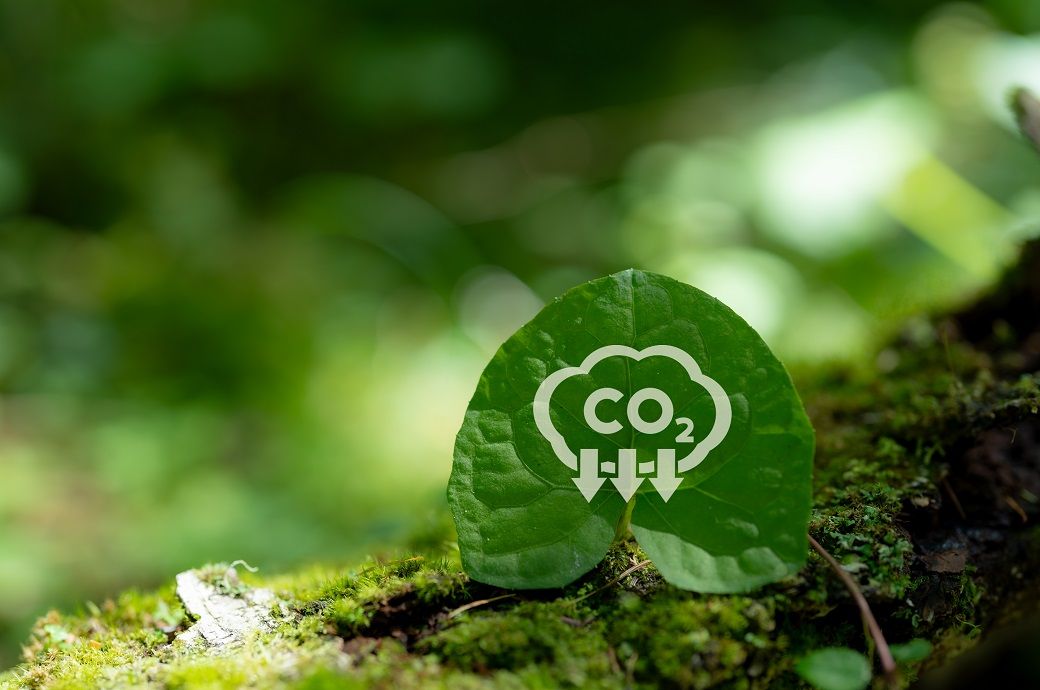
China produces over half of the world’s fibre output and accounts for more than 30 per cent of global apparel exports, valued at $294 billion, positioning it as a pivotal force in lowering fashion’s carbon footprint. However, while national ‘dual carbon’ targets, green finance policies, and clean energy progress have created a favourable backdrop, decarbonisation efforts remain uneven in practice, Aii and Development Finance International (DFI) said in their latest report, ‘Landscape and Opportunities for the Decarbonization of China’s Textile and Apparel Manufacturing Sector’.
Aii identified around 44,000 ‘scaled enterprises’—companies with annual turnover above CN¥20 million (~$2.85 million)—as the segment best positioned to act. These manufacturers, many clustered in industrial parks, have the operational scale, emissions impact, and data readiness to drive near-term reductions, but face persistent barriers beyond financing.
China’s textile and apparel sector needs at least $40.8 billion to cut emissions by 50 per cent by 2030, as per Aii.
Despite supportive ‘dual carbon’ policies, decarbonisation remains uneven.
Around 44,000 scaled enterprises are best placed to act but face technical and financing gaps.
Industrial parks, green finance, and coordinated action are seen as key to scaling emissions reductions.
Manufacturers report gaps in technical know-how, planning tools, and localised support, alongside difficulty interpreting evolving brand and regulatory requirements. Although domestic green finance is widely available, aligning standard loan and equity models with diverse factory needs remains a challenge.
International financial institutions are playing a growing role, with $4.3 billion across eight active green credit lines confirmed as of 2024. However, uptake is often limited as local loans priced at 3-4 per cent are preferred over IFI-backed financing, which ranges from 3-7 per cent and can involve stricter conditions.
Industrial parks are highlighted as a strategic platform for scaling action. More than 11,000 textile enterprises operate across over 1,300 parks, offering shared infrastructure and governance models that can lower transition costs. China’s nationwide zero-carbon industrial park initiative, launched in 2025, further strengthens this pathway.
The report also pointed to emerging best practices, including digital tools, factory-level diagnostics, and bundled solutions piloted by local governments, brands, and technical partners. Aii’s Climate Solutions Portfolio identified priority interventions such as energy efficiency upgrades, renewable energy adoption, chemical innovation, and thermal energy recovery.
Aii calls for stronger collaboration across brands, manufacturers, financial institutions, and local authorities. Key recommendations include diversifying financing mechanisms, improving alignment between brand expectations and supplier capabilities, embedding low-carbon planning into core business strategy, expanding local technical assistance, and strengthening data-sharing platforms.
The report added that coordinated action and aggregated demand will be critical to translating strong climate ambition into tangible emissions reductions across China’s textile and apparel value chain.
Fibre2Fashion News Desk (SG)









“We designed this collection with parents in mind. Shopping for a newborn, as a gift or for your own, should feel joyful and easy. Everything is intended to be mixed together and matched — it’s fun, it’s emotional, and the value is incredible.”. – Sarah Holme, Head of Design & Product Development for Old Navy.
Old Navy has introduced Little Navy, a new collection of newborn essentials designed to simplify early-stage shopping and gifting.
The range includes layettes, hats, booties and mix-and-match basics in soft, seasonless colours and cosy fabrics.
Sized for babies up to 24 months, the line focuses on comfort, versatility, emotional appeal and strong value for modern parents.
Little Navy goes beyond onesies, offering layettes, hats, booties, and more, all in one convenient collection and no extra searching required. It features a soft, seasonless color palette, cozy fabrics, and versatile styles made for newborns and babies up to 24 months, with sizing that allows Little Navy to grow with baby.
Note: The headline, insights, and image of this press release may have been refined by the Fibre2Fashion staff; the rest of the content remains unchanged.
Fibre2Fashion News Desk (RM)
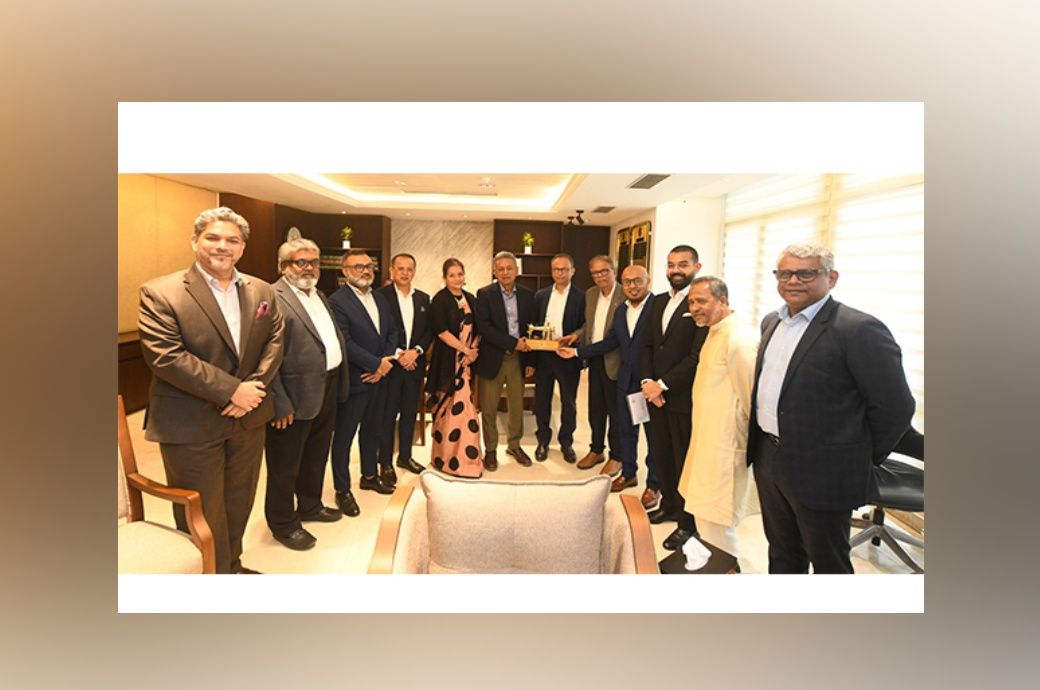
They said bank audit procedures have stalled numerous applications. Around Tk 57 billion in incentives for the textile and apparel sector remain unsettled in fiscal 2025-26, creating acute liquidity pressure and affecting exports.
Bangladesh trade body BGMEA representatives recently met Finance Minister Amir Khasru Mahmud Chowdhury and urged him to release pending cash incentives without waiting for quarterly release schedules and simplify the disbursement process.
They said bank audit procedures have stalled numerous applications.
They also raised concerns over loan rescheduling and working capital.
The authorities were requested to disburse incentives upon application submission instead of waiting for quarterly release schedules, according to a release from the trade body.
BGMEA vice president Mohammad Shihab Uddoja Chowdhury raised concerns over loan rescheduling and working capital. He said banks often reschedule loans to maintain non-performing loan ratios, but fail to provide the working capital factories need to resume operations.
He proposed that banks pair rescheduling with working capital support to create a win-win outcome, allowing factories to operate and repay loans. The finance minister agreed with the proposal.
BGMEA leaders also called for business facilitation and lower operational costs to help Bangladesh remain competitive in the global market. They sought policy support to remove obstacles in customs, ports and other administrative layers and to ensure an investment-friendly environment.
Fibre2Fashion News Desk (DS)
Bangladesh think tank Centre for Policy Dialogue has called for major reforms in business environment, tax collection, trade deals and FDI management, cautioning that the country’s post-election economic transition may be at risk without evidence-based decisions and strong accountability.
A CPD study identified ‘leaking revenue’ as the weakest area across all decision-making indicators.
Source link

[CinePlex360] Please moderate: “Chinese company

Colorado opts to practice, mourn death of Dominiq Ponder
[CinePlex360] Please moderate: “China warns Jap

-
 Business6 days ago
Households set for lower energy bills amid price cap shake-up
-
 Entertainment1 week ago
Talking minerals and megawatts
-
 Business6 days ago
Lucid widely misses earnings expectations, forecasts continued EV growth in 2026
-

 Politics5 days ago
What are Iran’s ballistic missile capabilities?
-

 Sports1 week ago
Eileen Gu comments on Alysa Liu’s historic gold medal
-

 Sports5 days ago
Sri Lanka’s Shanaka says constant criticism has affected players’ mental health
-

 Tech6 days ago
Here’s What a Google Subpoena Response Looks Like, Courtesy of the Epstein Files
-

 Politics1 week ago
Supreme Court ruling angers Trump: Global tariffs to rise from 10% to 15%