

Business
Chipotle stock craters as Wall Street grows concerned after company cuts forecast


A Chipotle logo is displayed on a sign at a shop on June 1, 2025 in Washington, DC.
Kevin Carter | Getty Images
Shares of Chipotle Mexican Grill tumbled as much as 19% in trading Thursday after the company cut its full-year same-store sales forecast for the third straight quarter.
Including Thursday’s move, the stock has fallen 45% this year, dragging its market value down to roughly $43 billion. At least five Wall Street analysts have cut their price targets for the stock after the report, anticipating investors’ displeasure with the burrito chain’s shrinking traffic and gloomy outlook.
“It’s difficult to call a bottom for sales given the multitude of factors weighing on demand,” Citi analyst Jon Tower wrote in a research note, revising his price target from $54 to $44 per share.
In the third quarter, Chipotle’s same-store sales rose 0.3%, but the chain’s traffic fell. While many restaurant chains have suffered in recent years as diners wracked by inflation eat out less, analysts were unsure if the chain’s value perception contributed to Chipotle’s issues. While its burritos and bowls average about $10, consumers often assume its average prices are closer to the $15 entrees of its fast-casual peers, executives said on the conference call.
“While we knew that traffic had slowed for Chipotle into the fall, we were surprised by the magnitude that was reported last night and the resulting deleverage this produced,” BTIG analyst Pete Saleh wrote in a note. “We’re admittedly perplexed by how suddenly this traffic weakness came about, and not convinced affordability concerns are the main driver here.”
CEO Scott Boatwright said on Wednesday’s earnings conference call that diners are visiting less frequently, particularly those between the ages of 25 and 35 years old, a key demographic for the company. Same-store sales have worsened so far in October, and the company is now projecting that sales at restaurants open at least a year will shrink in the fourth quarter and fall by a low-single digit percentage for the full year.
“We are very concerned that the menu and marketing actions taken so far have not sufficiently offset the traffic retraction,” Bernstein analyst Danilo Gargiulo said.
Still, most analysts attributed the slowdown to industrywide challenges, not company-specific issues that Chipotle needs to address. Unemployment, increased student loan repayments and slower real wage growth accounting for inflation are weighing on consumers’ spending, according to Boatwright.
“We believe the brand remains fundamentally healthy (stable share of customer restaurant wallet) and expect a return to growth as the macro improves,” Bank of America Securities analyst Sara Senatore wrote in a note to clients.
Chipotle’s weak performance bodes poorly for its fast-casual peers, like Sweetgreen and Cava. Morgan Stanley analyst Brian Harbour called fast-casual restaurants “This Season’s Halloween Scare” in his research note covering Chipotle’s earnings report.
Shares of Sweetgreen fell 6% in trading Thursday, while Cava stock was down 8%. Both are slated to report their third-quarter results next week.
Correction: The company is now projecting that sales at restaurants open at least a year will fall by a low-single digit percentage for the full year. An earlier version misstated the percentage move.



Business
US consumer price inflation hits 3.8% in April, highest in nearly 3 years as Iran war fuels energy costs – The Times of India
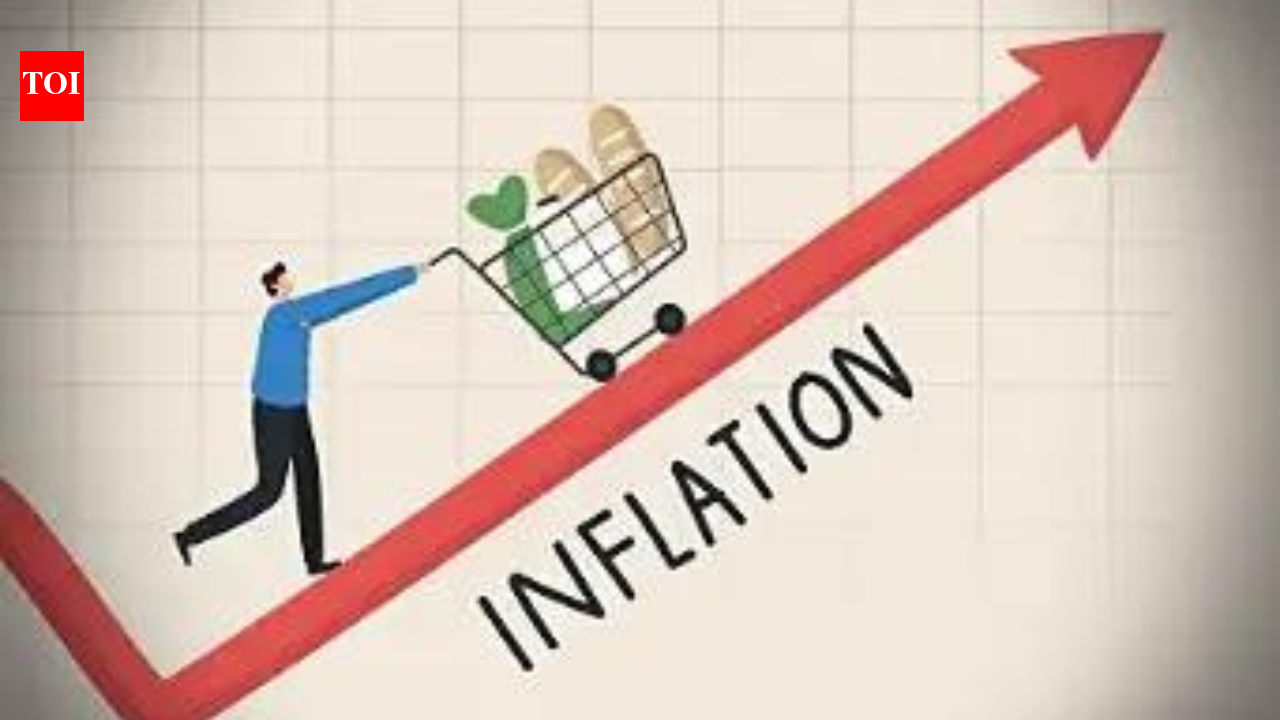
US inflation rose in April to 3.8 per cent as surging fuel costs amid the ongoing Iran-US conflict drove up consumer prices, hitting a three-year high complicating the Federal Reserve’s path on interest rates.Data released by the Labor Department on Tuesday showed the Consumer Price Index (CPI) increased 0.6 per cent in April after a 0.9 per cent jump in March, the biggest monthly rise since June 2022. On an annual basis, inflation accelerated to 3.8 per cent, marking the highest year-on-year increase, since May 2023.Petrol prices in the US are now more than 28 per cent higher than a year ago, according to official data. AAA estimates show average gasoline prices have crossed $4.50 per gallon, roughly 44 per cent above year-ago levels, squeezing household budgets and raising concerns about broader economic fallout.The spike in energy prices follows the escalation of hostilities between the US, Israel and Iran earlier this year. Markets were rattled after Tehran blocked access through the Strait of Hormuz — a critical global energy route that handles nearly one-fifth of the world’s oil and liquefied natural gas supplies.Core inflation, which excludes food and energy prices, remained relatively contained. Core CPI rose 0.4 per cent month-on-month and 2.8 per cent annually, suggesting that higher fuel costs have not yet fully spread across the wider economy.Food prices also edged higher in April. Grocery costs rose 0.7 per cent from March, led by increases in meat prices after a slight decline in the previous month.The latest inflation reading adds to uncertainty for the Federal Reserve, which had earlier been expected to begin cutting interest rates in 2026. Policymakers are now signalling caution amid fears that prolonged geopolitical tensions and elevated oil prices could trigger another wave of inflation.US President Donald Trump has repeatedly criticised the Fed for not lowering borrowing costs faster to support economic growth. Attention is now turning to Kevin Warsh, Trump’s nominee to succeed outgoing Federal Reserve Chair Jerome Powell, whose Senate confirmation is expected this week.Higher fuel costs are also beginning to weigh on corporate America. Appliance maker Whirlpool Corporation said last week that quarterly revenue fell nearly 10 per cent, warning that the war-driven economic slowdown had severely dented consumer confidence.
EBay has turned down a 56 billion US dollar (£41.4 billion) takeover move from GameStop, labelling the proposal as “neither credible or attractive”.
GameStop boss Ryan Cohen launched an unsolicited offer of 125 dollars (£92.40) per share – half in cash and half in GameStop stock – to eBay shareholders last week.
However, the online marketplace’s board confirmed on Tuesday that it had now rejected the move.
In a letter, eBay chairman Paul Pressler said it reviewed the offer but believes that eBay is a “strong, resilient business”.
He added: “We have sharpened our strategic focus, strengthened execution, enhanced our marketplace and seller experience, and consistently returned capital to shareholders.
“With its differentiated global marketplace and a clear strategy, eBay’s board is confident that the company, under its current management team, is well-positioned to continue to drive sustainable growth, execute with discipline, and deliver long-term value for our shareholders.”
GameStop, which runs around 1,600 shops around the US, said it started accumulating eBay shares earlier this year and currently has a 5% stake.
Mr Cohen had previously indicated he would take his proposal directly to eBay shareholders if the company’s board rejected the deal.
Business
India’s retail inflation jumps to over one-year high at 3.48 per cent in April – The Times of India
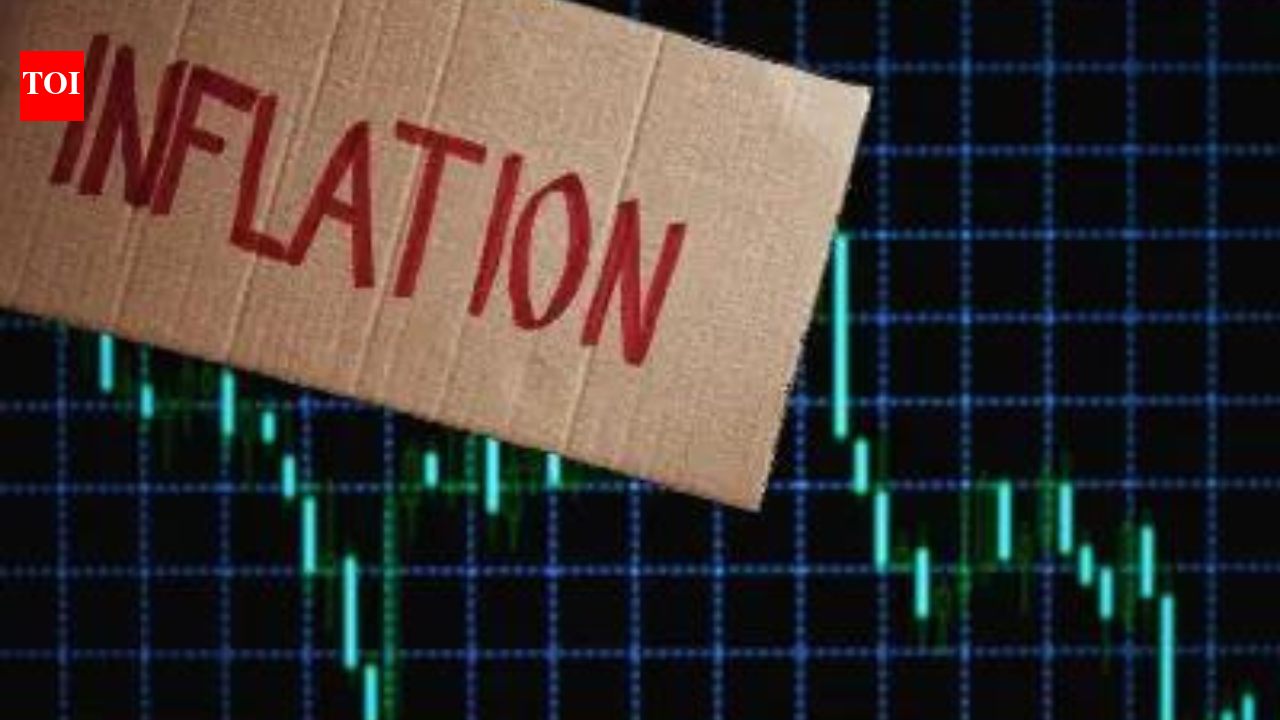
India’s retail inflation rose to a more than one-year high of 3.48 per cent in April from 3.40 per cent in March, driven mainly by higher food prices, according to data released by ministry of statistics & programme implementation on Monday. Food inflation, measured by the Consumer Food Price Index (CFPI), also accelerated to 4.20 per cent in April from 3.87 per cent last month, indicating broader price pressures across household essentials. Meanwhile, inflation in rural areas stood at 3.74 per cent, higher than the 3.16 per cent recorded in urban India.Among key items, silver jewellery recorded the sharpest inflation at 144.34 per cent in April, though slightly lower than 148.42 per cent in March. Gold, diamond and platinum jewellery inflation also remained elevated at 40.72 per cent. Among key food items, tomato prices surged 35.28 per cent year-on-year in April, while potato and onion prices remained in deflation at minus 23.69 per cent and minus 17.67 per cent, respectively. The personal care and miscellaneous goods category recorded the sharpest inflation at 17.66 per cent, while transport inflation remained largely flat at minus 0.01 per cent. India’s retail inflation has now risen for the second consecutive month, inching closer to the Reserve Bank of India’s 4 per cent medium-term target. The RBI last month projected CPI inflation for 2026-27 at 4.6 per cent and warned that elevated global energy prices due to the Middle East conflict, along with possible El Niño conditions affecting the monsoon, could pose upside risks to inflation.


USTR tariffs put $333 bn apparel sourcing at risk

Stars of "Dutton Ranch" on reprising their "Yellowstone" roles for the spinoff

2025-26 NBA Title Odds: Thunder, Spurs Favored; Knicks Rising

-

 Politics1 week ago
Iran weighs US reply delivered via Pakistan as Trump signals opposition to deal terms
-

 Tech1 week ago
DHS Demanded Google Surrender Data on Canadian’s Activity, Location Over Anti-ICE Posts
-
 Business1 week ago
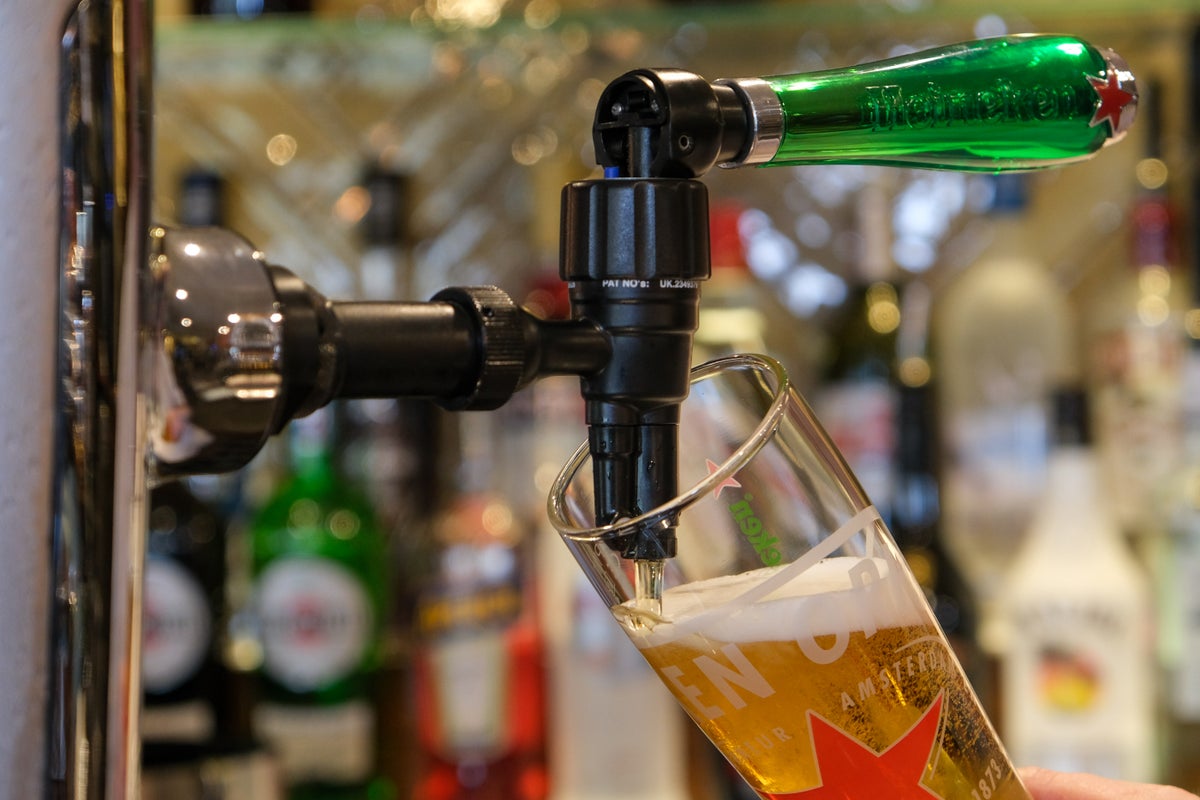
Heineken to invest £44.5m in hundreds of pubs creating 850 jobs
-

 Entertainment1 week ago
Jelly Roll reacts to daughter Bailee Ann’s major life milestone
-
 Business1 week ago
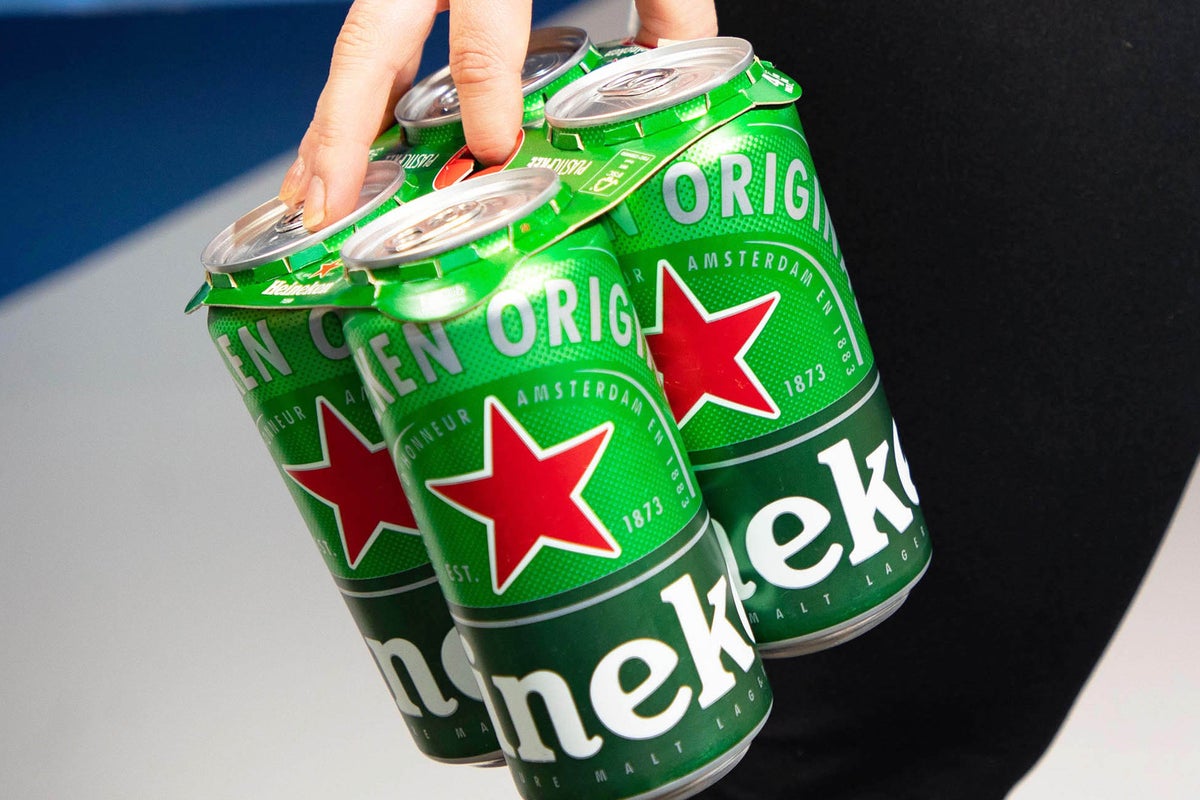
Heineken plans huge investment in hundreds of UK pubs ahead of World Cup
-

 Tech4 days ago
A new frontier: Identity stack evolves for agentic systems | Computer Weekly
-

 Tech4 days ago
‘Orbs,’ ‘Saucers,’ and ‘Flashes’ on the Moon: Pentagon Drops New UFO Files
-

 Tech5 days ago
What Microsoft Executives Really Thought About OpenAI in 2018