

Business
Cracker Barrel stock falls as company reports mixed earnings after rebrand controversy


In an aerial view, a Cracker Barrel sign featuring the old logo hangs on a sign outside of a restaurant on Aug. 27, 2025 in Florida City, Florida.
Joe Raedle | Getty Images
Cracker Barrel Old Country Store said Wednesday the restaurant chain is focusing on enhancing its experiences for guests after it faced intense backlash over an attempted rebrand earlier this summer.
The company reported mixed fiscal fourth-quarter earnings Wednesday afternoon, and CEO Julie Masino said the company is “optimistic” about its future as it heads into next year.
The stock sank roughly 10% in after hours trading.
Here’s how the company performed compared with what Wall Street was expecting, based on a survey of analysts by LSEG:
- Earnings per share: 74 cents vs. 80 cents expected
- Revenue: $868 million vs. $855 million expected
Masino said Cracker Barrel was grateful for customers voicing their “passion for Cracker Barrel in recent weeks” and that the company is now switching its focus.
“We conducted extensive research to inform our strategic plan, but what cannot be captured in data is how much our guests see themselves and their own story in the Cracker Barrel experience, which is what’s led to such a strong response to these changes,” Masino said on a call with analysts Wednesday.
The company is now focusing on innovating in the kitchen and “areas that enhance the guest experience,” Masino said, with the team aiming to return to a “positive trajectory.”
Still, Cracker Barrel said it expects total revenue for fiscal 2026 of $3.35 billion to $3.45 billion, compared with the $3.52 billion analysts expected, and a same-store traffic decline of 4% to 7%.
The company faced backlash last month after it announced a complete rebrand, including a redesign of its logo and a remodeling of its restaurants.
The new logo scrapped the image of a man sitting on a wooden chair leaning against a barrel, instead moving to a simpler black-and-yellow logo featuring only “Cracker Barrel,” without the “Old Country Store.” It had been the company’s latest move in a “strategic transformation” announced in May 2024 to reenergize the brand.
The restaurants were also scheduled to undergo remodeling to align with the new vision.
But the rebrand came under intense scrutiny. Users on social media called it “soulless” and “generic,” and conservatives took to X to argue that the logo change was an attempt to remove the American identity of the brand to cater to diversity, equity and inclusion efforts. The stock sank in the wake of the changes.
Cracker Barrel’s old and new logo.
Courtesy: Cracker Barrel
Cracker Barrel responded to the criticism, saying that the company could have “done a better job sharing who we are and who we’ll always be.” The chain said the man from the original logo, Uncle Herschel, would still be featured on the menu and part of the Cracker Barrel “family.”
President Donald Trump even weighed in on the situation, saying that Cracker Barrel “should go back to the old logo, admit a mistake based on customer response (the ultimate Poll) and manage the company better than ever before.”
The same day, the company announced a stunning reversal, shutting down the rebrand and retaining its original branding.
“We thank our guests for sharing your voices and love for Cracker Barrel. We said we would listen, and we have. Our new logo is going away and our ‘Old Timer’ will remain,” the company said in a statement.
Masino said on the Wednesday call that four locations with the modern designs are already being reverted to the traditional “Old Timer” signage.
“That’s why our team pivoted quickly to switch back to our ‘Old Timer’ logo and has already begun executing new marketing, advertising and social media initiatives leaning into Uncle Herschel and the nostalgia around the brand with more to come,” Masino said on the Wednesday call.
She added that the company is launching “Front Porch Feedback” on Thursday to build on what Cracker Barrel has received over recent weeks. The new tool will allow reward members to comment directly to team members after every visit, Masino said.
The company also announced it was suspending all of its restaurant remodels.
Shares of the company rose after the reversal, mostly restoring its losses. Since its first announcement, Cracker Barrel lost and regained almost $100 million in market value.
“Cracker Barrel is not just an old country store or a restaurant,” Masino said. “It’s the front porch of America, and we take that very seriously.”


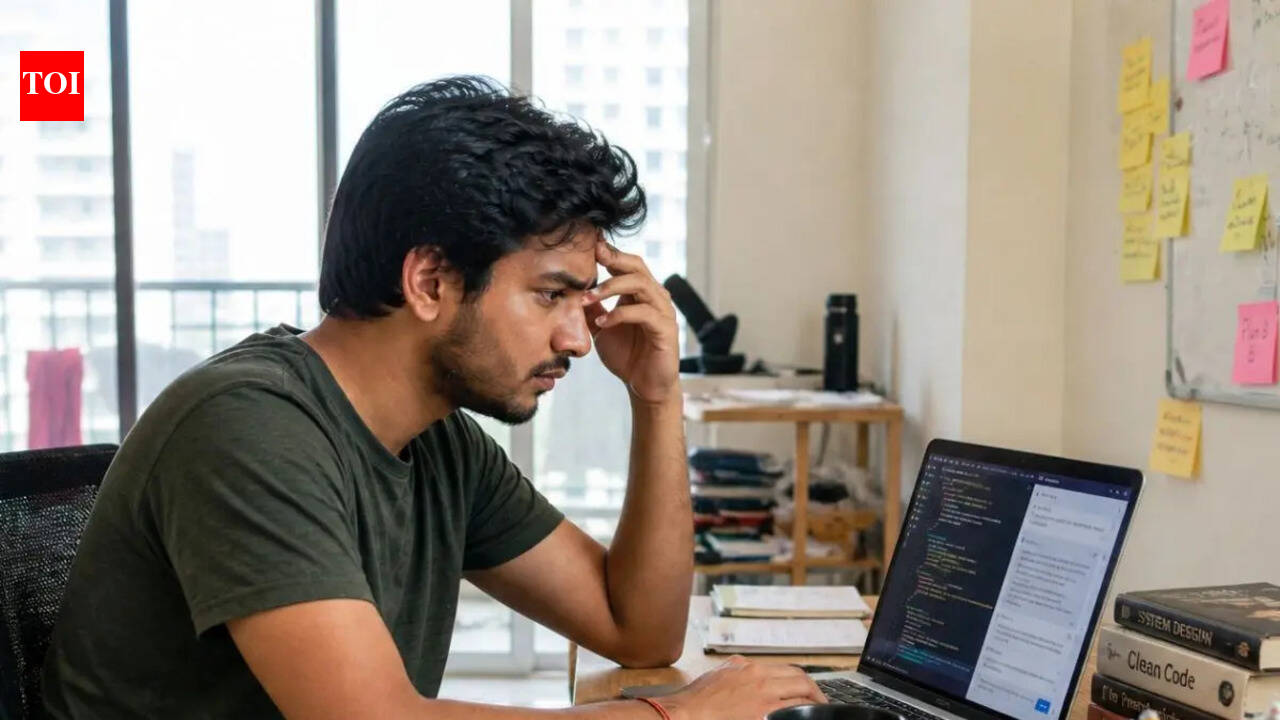
BENGALURU: India’s Gen Z workforce is embracing what experts describe as “portfolio careers” – balancing multiple professional identities and income streams simultaneously. New research from LinkedIn shows that 75% of Gen Z entrepreneurs in India now manage multiple income streams, significantly higher than the 62% among Gen X entrepreneurs. The findings point to a growing preference among younger professionals for flexibility, autonomy and diversified sources of income. “We’re also seeing the rise of the ‘portfolio era’, with more professionals creating multiple income streams and redefining what a career can look like. This shift is making entrepreneurship more accessible than ever before,” said LinkedIn India country manager Kumaresh Pattabiraman.Rather than depending on a single full-time role, many professionals are simultaneously building businesses, freelancing, consulting, creating online content and monetising specialised skills through digital platforms. The trend comes amid a broader rise in entrepreneurial activity in India. LinkedIn recorded a 104% year-on-year increase in members adding “Founder” to their profiles – the highest growth among all global markets.AI is also emerging as a major enabler of this shift. The report found that 85% of Gen Z entrepreneurs consider AI and digital tools important to their business operations.
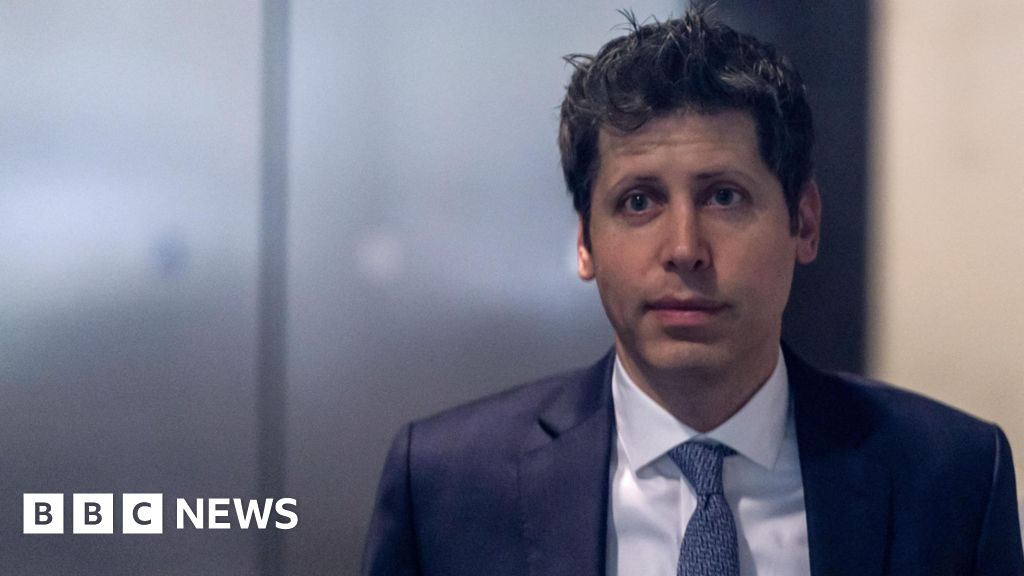
Sam Altman said Elon Musk tried many times for total control of OpenAI, which he’s now suing.
Source link

A United Airlines plane approaches the runway at Denver International Airport on March 23, 2026.
Al Drago | Getty Images
United Airlines flight attendants approved a new five-year labor contract with 31% average raises to base pay by August and other improvements, marking the last of the major carriers with unionized flight crews to reach a deal post-Covid.
The labor deal would give United’s roughly 30,000 flight attendants their first raises in close to six years. The company and the flight attendants’ union reached a preliminary deal in March. Crews had rejected a contract last year.
The union said the contract won 82% approval from the flight attendants, with close to 90% of them voting.
“The contract will immediately change the lives of United Flight Attendants, especially our thousands of new hires who have been hired since the pandemic,” said Ken Diaz, president of the United chapter of the Association of Flight Attendants.
The contract also includes boarding pay, or pay for when the aircraft’s door is open and travelers are getting on. Airlines had for years started flight attendants’ pay clock once the boarding door was closed.
The contract comes with a roughly 7% to 8% increase in compensation and $741 million in back pay, as well as quality-of-life improvements like restrictions on red-eye flights and “sit pay” during disruptions of more than 2½ hours.


Will LeBron James retire after current season?

South Korea reviews phased support for Strait of Hormuz security efforts

New Jersey Gov. Mikie Sherrill announces another NJ Transit World Cup ticket cut days after first reduction

-

 Tech1 week ago
DHS Demanded Google Surrender Data on Canadian’s Activity, Location Over Anti-ICE Posts
-
 Business1 week ago
Heineken plans huge investment in hundreds of UK pubs ahead of World Cup
-

 Tech5 days ago
A new frontier: Identity stack evolves for agentic systems | Computer Weekly
-

 Tech4 days ago
‘Orbs,’ ‘Saucers,’ and ‘Flashes’ on the Moon: Pentagon Drops New UFO Files
-
 Business1 week ago
India among most resilient large EMs, better placed for future global shocks; policy reforms & strong buffers help: Moody’s – The Times of India
-
 Fashion5 days ago
New orders in German manufacturing up 5% MoM in Mar 2026: Destatis
-

 Tech5 days ago
What Microsoft Executives Really Thought About OpenAI in 2018
-

 Sports5 days ago
Shaheen Afridi achieves landmark feat during opening Test against Bangladesh