

Business
Energy giants told to pass on £150 discount to customers

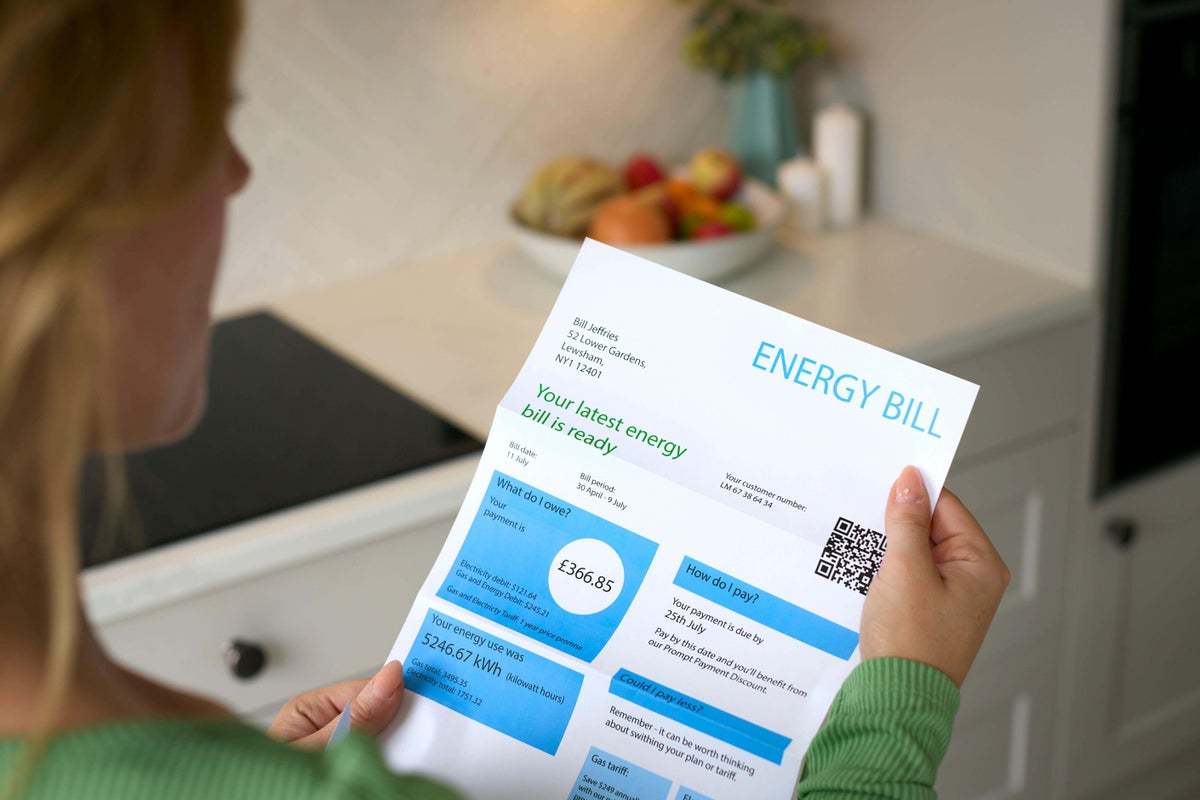
The Government has instructed energy companies to ensure that customers on fixed tariffs also benefit from the £150 reduction in household bills, a measure announced in the recent Budget.
Chancellor Rachel Reeves confirmed her intention to lower energy costs and alleviate the cost of living, with an average household bill set to decrease by £150 from April.
This saving, Ms Reeves explained, would be achieved by abolishing the Energy Company Obligation (Eco) scheme, which she asserted had burdened households with an additional £1.7 billion annually.
Energy Secretary Ed Miliband formally wrote to energy firms on Wednesday, urging them to extend the benefit of this reduction to consumers currently on fixed energy tariffs.
These tariffs guarantee a consistent unit rate and standing charge for the duration of the agreed contract, typically a year or longer.
In contrast, those on standard variable tariffs experience fluctuating rates, which adjust according to wholesale market costs paid by suppliers, without a set timeframe.
In his letter, Mr Miliband wrote: “This Government has made a clear commitment to cut people’s bills and help ease the financial pressure on millions of families, as we know energy costs cause such anxiety for many people, and that is why we are acting now.
“As we move forward, we want to set out our clear expectation that every single penny of our intervention at this Budget is passed on to consumers, including those on existing fixed term tariffs.
“Around 37% of the market is now on a fixed term tariff and Government is clear that they must benefit from this reduction in bills.
“We urge you to continue to work with our department to ensure that this happens.
“This close, joint working will be both welcomed and reassuring for customers, demonstrating our shared commitment to fairness and consumer protection.
“Thank you once again for your partnership and for your efforts to ensure that these positive changes reach every household.”
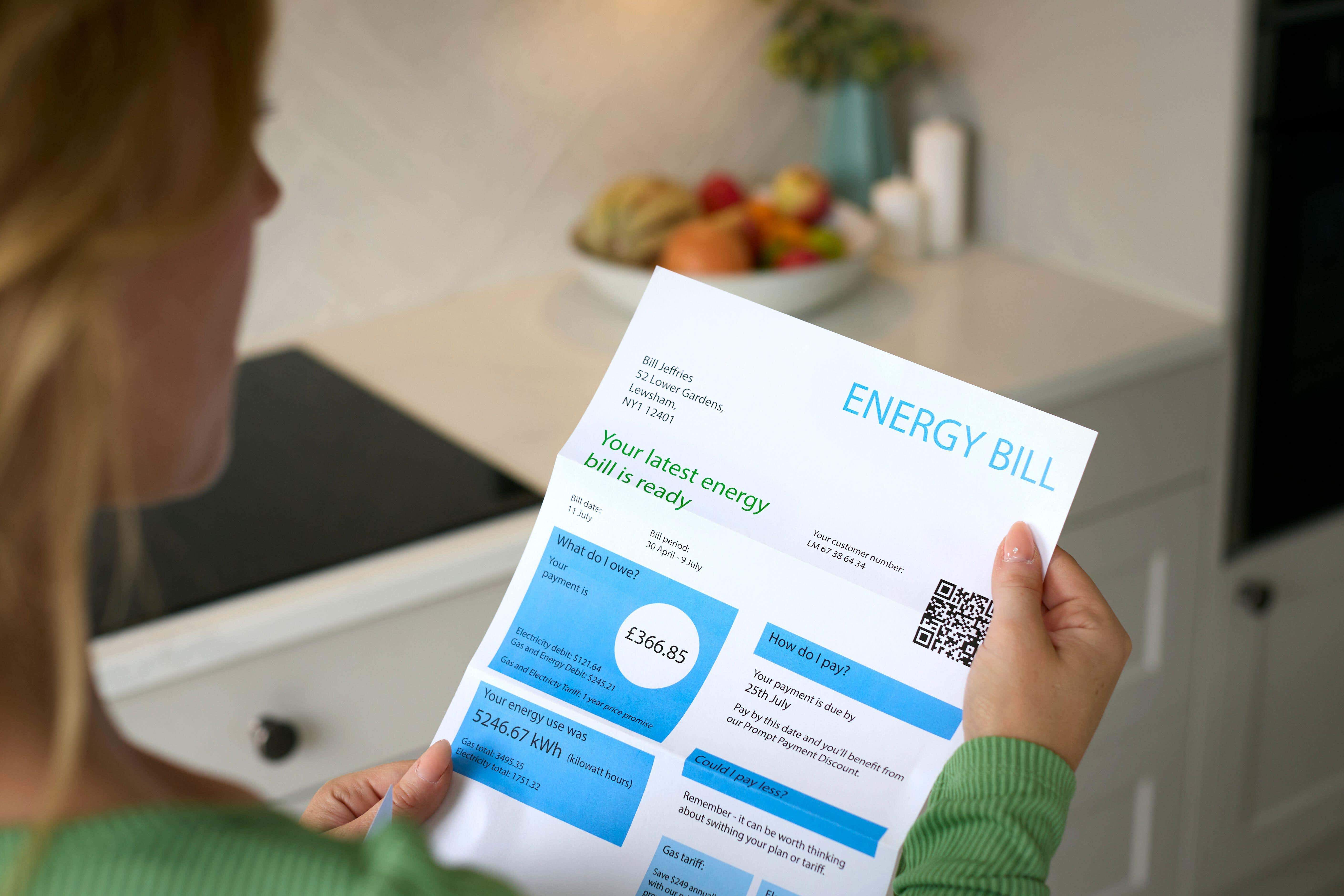
According to latest Ofgem figures, around 21 million domestic customers’ energy accounts are on fixed tariffs, while around 34 million remain on standard variable tariffs.
Ned Hammond, deputy director of customer policy at Energy UK, which represents suppliers, said: “The energy industry has long called for Government action to reduce costs, having seen directly how many households are struggling to afford their energy bills and with customer debt at record levels.
“So last week’s Budget announcement was very welcome and suppliers will of course look to pass on the savings. However, it’s also expected that there will be some new costs added to bills over the coming months.
“While most customers remain on the price cap, where the amount they pay for energy is set by Ofgem, suppliers also set their own fixed tariffs to compete on price with each other and so have every reason to pass on any cost savings with these.”

The Government has been urged to stick to its pledge to ban ticket touting amid concerns the policy will be left out of next month’s King’s Speech.
In November, the Government announced that new rules making it illegal to resell tickets for live events for profit would end the “industrial-scale” touting that has caused misery for millions of fans.
Ministers confirmed plans to make it illegal for tickets to concerts, theatre, comedy, sport and other live events to be resold for more than their original cost.
The Labour manifesto promised stronger protections to stop consumers being scammed or priced out of events by touts, who frequently use bots to buy tickets in bulk the moment they go on sale, which they can then sell on for huge mark-ups on secondary ticketing websites.
The proposed rules make it illegal for tickets to be sold at a price above the face value – defined as the original price plus unavoidable fees including service charges.
Service fees will be capped to prevent the price limit being undermined by platforms, which will have a legal duty to monitor and enforce compliance, and individuals will be banned from reselling more tickets than they were entitled to buy in the initial sale.
A host of globally renowned artists have backed the plan, including Radiohead, Dua Lipa and Coldplay.
Following a report in the Guardian that the minister responsible for the policy, Ian Murray, had told music industry groups not to worry if the measure was not part of the King’s Speech on May 13, the Government said it required new primary legislation that it was working to deliver at the earliest opportunity.
A Government spokeswoman said: “Ticket touts are a blight on the live events industry, causing misery for millions of fans.
“We set out decisive plans last year to stamp out touting once and for all, and we are committed to delivering on these for the benefit of fans and industry.”
The music industry and Which? raised concerns about the suggestion of any delay, as sites appeared to show touts selling tickets for the Radio 1 Big Weekend in Sunderland well above the two-ticket limit for buyers and at vastly inflated prices.
Annabella Coldrick, chief executive of the Music Managers Forum, said: “2026 was supposed to mark this Government moving ‘from announcements to action’ but we have little evidence of this to date.
“A ban on ticket touting was one of only two music-related commitments in the Labour manifesto, alongside fixing EU touring.
“These are widely supported, pro-growth measures that will deliver tangible benefits to the British public. However, if ticket resale legislation is not presented in the King’s Speech, it will have the opposite effect and continue to cost those constituents hundreds of millions of pounds a year.
“This Government needs to stand by its promises and get it done.”
Adam Webb, campaign manager at FanFair Alliance, said: “The Government has a big decision to make: will they ‘put fans first’ or not?
“Last November, ministers committed to ‘bold new measures’ to ban online ticket touting and support consumers.
“Enacting these measures should be a no-brainer but, if legislation is not presented in the upcoming King’s Speech, the cycle of industrial-scale exploitation will continue.”
Lisa Webb, consumer law expert at Which?, said: “The Government has promised to put fans first but, if this legislation is not included in the King’s Speech, the only ones celebrating will be the rip-off secondary ticketing websites and online touts.”

The approval came as Donald Trump is to attend a dinner with billionaire Paramount backers the Ellisons.
Source link
Business
France Ends Airport Transit Visa Requirement for Indian Travellers | Business – The Times of India
France has lifted the airport transit visa requirement for Indian nationals with effect from April 10, the French Embassy in India announced on Thursday.Indian nationals holding ordinary passports are no longer required to obtain an airport transit visa when passing through the international zone of airports located on French territory during a layover en route to a third country.The change follows a decree amending the 2010 regulations on documents and visas required for the entry of foreigners into French territory. The decree was adopted and published in the French Official Gazette (Journal Officiel) on April 9, 2026.MEA welcomes the moveThe Ministry of External Affairs welcomed the announcement.“We welcome the announcement on the operationalisation of visa-free transit for Indian nationals transiting through French airports,” MEA Spokesperson Randhir Jaiswal said.He recalled that the removal of the transit visa requirement for Indian passport holders was agreed between Prime Minister Narendra Modi and French President Emmanuel Macron during their meeting in Mumbai in February this year.“The government of France has now operationalized this agreement,” Jaiswal added.Who benefitsThe measure applies to Indian nationals transiting through mainland France exclusively by air, remaining in the international airport zone without entering French territory.President Macron had announced during his visit to India in February that measures would be taken to ease travel for Indian nationals via France.
Poll
What do you think is the main advantage of this visa policy change?
The updated procedures have been reflected on the France-Visas platform.


How ‘Michael’ continues to smash the box office despite backlash
Ministers urged to stick to ticket tout ban amid fears of delay
Warner Bros shareholders approve Paramount’s $111bn takeover

-

 Fashion1 week ago
France’s LVMH Q1 revenue falls 6%, shows resilience amid Iran war
-

 Entertainment1 week ago
Is Claude down? Here’s why users are seeing errors
-

 Sports1 week ago
PSL 11: Peshawar Zalmi win toss, opt to field first against Quetta Gladiators
-

 Tech1 week ago
The Deepfake Nudes Crisis in Schools Is Much Worse Than You Thought
-
 Business1 week ago
Standard Life buys rival in £2b deal to create savings giant
-

 Tech1 week ago
CYBERUK ’26: UK lagging on legal protections for cyber pros | Computer Weekly
-

 Sports1 week ago
World Cup kit ranking: Which teams will look best in 2026?
-

 Sports1 week ago
Who is Johnnie Robbie? Meet West Coast Pro’s women’s champion and rising star on the indie scene