

Business
Energy prices drive SPI to 7.04% YoY | The Express Tribune

KARACHI:
The Sensitive Price Indicator (SPI) jumped sharply by 7.04% year-on-year, primarily driven by higher fuel and utility costs despite some relief from falling food prices, amid the US-Israel illegal attacks on Iran.
Data released by the Pakistan Bureau of Statistics showed that SPI-based inflation for the week ended March 18, 2026, remained elevated on an annual basis due to steep increases in energy tariffs. Diesel prices surged by nearly 30% year-on-year, while gas charges rose by a similar magnitude, reflecting continued adjustments in administered energy prices. Petrol prices also recorded an increase of over 25% compared to the same period last year, highlighting the sustained burden of fuel costs on consumers.
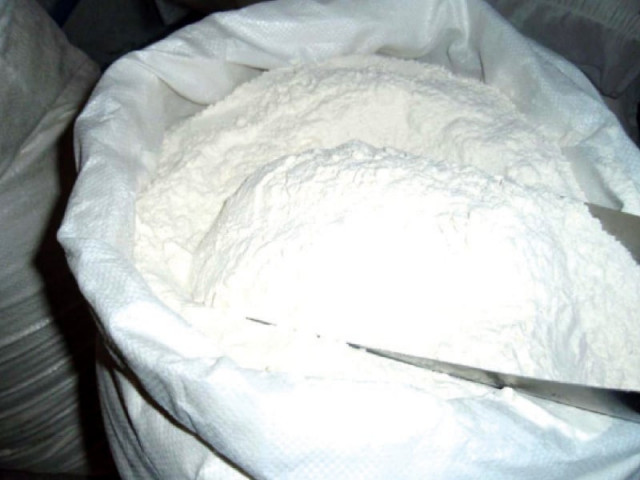
The rise in energy prices has had a cascading impact on essential commodities, particularly food. Wheat flour prices climbed 26.5% on a yearly basis, driven by higher production and transportation costs. Other food items such as beef, powdered milk, and mutton also posted notable increases, indicating that inflationary pressures remain broad-based across key household consumption categories.
However, the overall inflation reading was partially offset by significant declines in several perishable items. Potato prices dropped by more than 50% compared to last year, while chicken and eggs fell by around 20% each. Similarly, pulses and sugar registered double-digit declines, providing some relief to consumers and preventing a sharper rise in the SPI.
On a week-on-week basis, SPI increased by 0.21%, mainly due to a spike in vegetable and poultry prices. Tomatoes recorded a sharp increase of 24.9%, followed by chicken (7.3%) and bread (1.1%). Among non-food items, prices of energy savers, cigarettes, georgette, and firewood also edged up during the week.
Conversely, several essential kitchen items witnessed price declines on a weekly basis. Garlic prices fell by 4.8%, onions by 2.5%, and wheat flour and sugar also posted modest decreases. Liquefied petroleum gas (LPG) prices dropped by 2.7%, offering limited relief on the energy front.
Analysts believe that while falling prices of perishables may provide short-term respite, the underlying inflation outlook remains firm due to structural factors, particularly elevated energy tariffs, taxation measures, and exchange rate pass-through. These factors continue to keep inflation sticky, even as some food prices ease.
Inflation has shown significant week-to-week volatility in recent weeks, largely driven by fluctuations in perishable food prices, according to the SPI trend data compiled by Optimus Capital Management. The data highlights a sharp spike of 1.89% week-on-week in early March, followed by a moderation and then a smaller increase of 0.21% in the latest week, suggesting that price pressures are easing but remain unstable.
While food-driven shocks continue to influence short-term movements, the overall SPI index maintains a gradual upward trajectory, consistent with the 7.04% year-on-year increase, reflecting persistent underlying inflation. The data points to a pattern where temporary declines in items like vegetables and staples are offset by recurring spikes, indicating that inflation is not fully subsiding but rather stabilising at an elevated level due to structural cost pressures, particularly energy and utilities.






BENGALURU: Walmart-owned e-commerce firm Flipkart on Thursday said its group chief financial officer Sriram Venkataraman is quitting the firm as the company prepares for its next phase of growth and a potential public listing.Venkataraman will remain with the company for a period to ensure continuity and a smooth handover, Flipkart said. During this transition, Ravi Iyer will oversee the broader finance organisation.The move comes as Flipkart tightens its leadership structure ahead of a potential IPO, sharpening focus on profitability and scale. Flipkart group CEO Kalyan Krishnamurthy said Venkataraman played a key role in building and strengthening the finance function.

NEW DELHI: India’s weekly LPG imports fell to 265,000 tonnes in the week to March 19, from 322,000 tonnes on March 5. West Asia inflows declined to just 89,000 tonnes in the week to March 19, the lowest share since Jan 2026, according to S&P Commodities At Sea (CAS).The report, however, added that alternative regional supplies increased to 176,000 tonnes, largely from the US, in the week to March 19, up from zero the previous week when West Asia accounted for 100% of imports.The report said Indian oil marketing companies are likely to import 2.2 million tonnes of LPG from the US in 2026. CAS data added that US LPG loadings destined for India are increasing, with volumes now surpassing those from traditional Gulf suppliers. Petroleum ministry officials confirmed that some cargoes from the US had already arrived, but did not specify the number.With officials calling the availability of LPG “worrisome”, India is trying to secure the cooking gas from diversified sources, including Russia and Japan.Officials said some cargoes had already arrived from the US, while oil refineries were deliberating with suppliers across other geographies to bridge the gap created by disruptions in supplies through the Strait of Hormuz. While LPG supplies from West Asia take 7-8 days to reach India, officials said cargoes from the US take about 45 days, while those from Russia and Japan may take 35-40 days.India imports nearly 60% of its LPG requirement and about 90% of it comes from West Asia.

Household energy bills could jump by £332 a year in July as recent sharp increases in wholesale prices are set to feed through into Ofgem’s price cap, according to the latest forecasts.
Analysts Cornwall Insight said forecasts for the watchdog’s price cap from July to September had surged to £1,973 a year for a typical dual fuel households – an increase of £332 or 20% on April’s cap.
This marks a significant step up on its forecast from just over two weeks ago, when it had predicted a 10% increase from July.
The independent energy consultants are updating their forecasts every week while the US-Israel war with Iran escalates and the energy market is volatile.
Cornwall said household energy bills over the summer look set to be higher than it had anticipated prior to the escalation of conflict in the Middle East, which has sent wholesale gas and oil prices soaring.
Even if wholesale prices quickly returned to pre-conflict levels, some of the recent volatility will be baked into the next price cap, which covers July to September, it said.
However, the figure is likely to change and the size of the increase to the next price cap will depend on how long gas prices stayed elevated and how long the period of disruption continues.
Ofgem’s price cap is based on average wholesale prices over a three-month period.
A spokesman for the Government’s Department for Energy Security and Net Zero said Cornwall’s forecasts are “highly speculative”, adding: “Using wholesale price fluctuations to predict what will happen in the next few months is not reliable.
“Tackling the affordability crisis is the Government’s number one priority. That is why we are acting to bring bills down now and for the long term.”
The price most households pay for energy will fall by 7% from April 1, or £117 a year, driven by the Government’s promise to cut bills by an average of £150 by removing green subsidies.
However, gas prices have been climbing in recent weeks, and this could feed through into future electricity prices and how much it costs to heat people’s homes.
On Thursday, UK natural gas prices reached a three-year high after jumping by around 25% during the day. Prices had eased back a little on Friday.
The latest spike was driven by attacks on energy facilities in Iran and Qatar, stoking fears about longer-term damage and disruption to gas supplies.
Shell said one of its key gas plants was damaged in the strike on Qatar, which is used to make things like fuel for transport and ingredients for plastics and cosmetics.
Qatar’s state-backed energy company Qatar Energy has halted production of liquified natural gas (LNG) at its site since the beginning of March.
Meanwhile, the UK’s competition watchdog is looking into concerns that households relying on heating oil are facing sudden price increases on the back of the conflict.
Home heating oil, which is used by around 1.5 million households in the UK – primarily in Northern Ireland, is not covered by Ofgem’s price cap, which currently fixes prices until the end of June.
The Competition and Markets Authority (CMA) said on Friday that it had launched a market study into the supply of heating oil to see how it was impacting consumers and whether it needs to intervene.


Why Barry Keoghan is stepping back from the spotlight?

Iran conflict heightens risks to developed markets’ growth: Fitch

Transgender golfer sues LPGA over policy that protects women’s competitions

-

 Fashion1 week ago
Chinese firm to invest $15.34 million in garment factory at BEPZA
-
 Business1 week ago
US issues 30-day waiver for Russian oil shipments stranded at sea | The Express Tribune
-

 Fashion1 week ago
US unemployment rate 4.4% in Feb 2026, LFPR 62%: BLS
-

 Sports1 week ago
Bilas’ All-America teams: My top 20 men’s college basketball players of 2025-26
-
 Business1 week ago
Oil holds above $100 as tensions escalates between Iran, US and Israel – SUCH TV
-

 Tech7 days ago
Tips and Advice for Buying Used or Refurbished Electronics
-
 Entertainment5 days ago
Strategic oil stocks to be released ‘immediately’ in Asia and Oceania: IEA
-

 Sports6 days ago
Japan suffers shocking collapse to Venezuela in World Baseball Classic