

Fashion
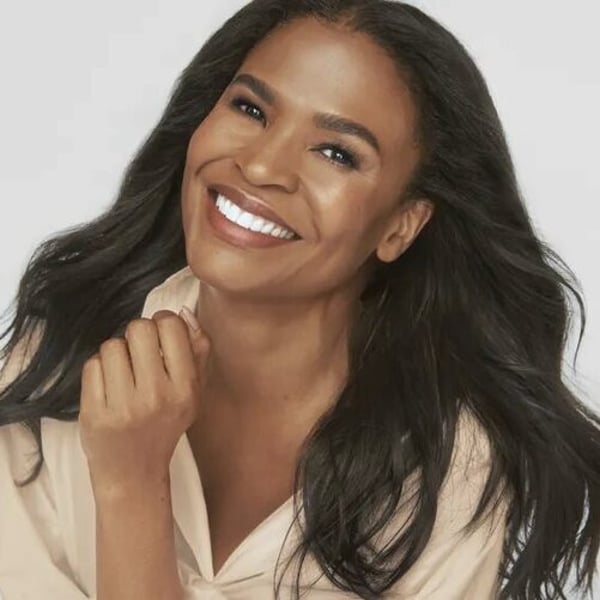
Estée Lauder names Nia Long first ambassador for North America

Published
October 9, 2025
U.S. beauty giant Estée Lauder announced on Thursday the appointment of actor, producer and author Nia Long as its first brand ambassador for the North America region.
In this role, the award-winning actor, producer and author will appear in campaigns across digital, TV, and print for the New York-brand’s skincare and makeup franchises.
“Beauty starts with confidence and honoring your authentic self,” said Long. “I’m excited to partner with Estée Lauder, a storied brand founded by a woman who believed beauty should uplift and empower us to celebrate ourselves every day.”
Long is an acclaimed American film and television actress who rose to fame in the 1990s, through roles in culturally significant films like “Boyz n the Hood”, and “Love Jones”. On television, she gained further recognition with her role as Lisa Wilkes on “The Fresh Prince of Bel-Air” and later with “Third Watch”.
More recently, the actress stars as Katherine Jackson in “Michael”, the highly anticipated biopic about Michael Jackson directed by Antoine Fuqua, as well as leading and executive producing “Dreams of the Moon”, a period drama set in 1971 about a young African-American girl who dreams of becoming an astronaut.
“We are proud to welcome Nia to the Estée Lauder family,” said Fiona Sainty, SVP/GM, Estée Lauder & Aerin Beauty & Bobbi Brown North America.
“She is a powerhouse and a cultural force whose authenticity, confidence, and modern point of view on beauty resonate deeply with our brand values. As a longtime advocate for the brand with a deep understanding of beauty as an expression of self-love, she is the perfect choice to serve as our new Brand Ambassador for the North America region.”
While Long is the company’s debut ambassador for North America, she joins Estée Lauder’s roster of other celebrity ambassadors including Paulina Porizkova, Ana de Armas, Amanda Gorman, Bianca Brandolini D’Adda, Carolyn Murphy, Grace Elizabeth, Karlie Kloss, Yang Mi, and Kōki.
Copyright © 2025 FashionNetwork.com All rights reserved.







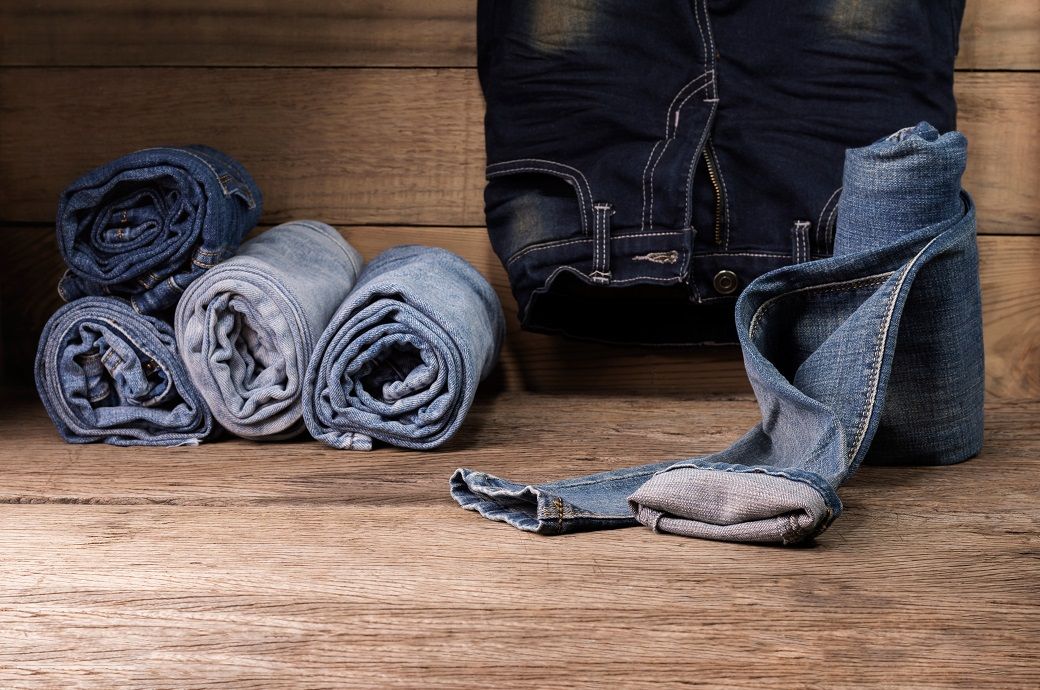
New Zealand’s apparel imports (HS ** and ** combined) declined to NZ$***.** million (~$***.* million) in January **** from NZ$***.** million in January ****, representing a *.* per cent year-on-year decrease. In volume terms, shipments fell to **.** million units from **.** million units, reflecting softer sourcing activity and continued inventory discipline among retailers.
Knitted apparel (HS **) imports declined to NZ$**.** million (~$**.* million) in January **** from NZ$**.** million in January ****, down *.* per cent year on year. Volumes also fell to **.** million units from **.** million units, suggesting weaker replenishment demand and continued emphasis on controlled inventory cycles across the retail segment.


Stock Market News Live Updates: Sensex Down Over 1,000 Points, Nifty Below 24,900; India VIX Jumps Nearly 20%

New Zealand’s apparel imports ease down to $101 mn in Jan 2026

Katie Price laughs off pregnancy claims as Lee Andrews remains overseas

Pakistan carries out precision strikes on seven militant hideouts in Afghanistan

Eye-popping rise in one year: Betting on just gold and silver for long-term wealth creation? Think again! – The Times of India

These Cheap Noise-Cancelling Sony Headphones Are Even Cheaper Right Now

-
 Politics1 week ago
Pakistan carries out precision strikes on seven militant hideouts in Afghanistan
-
Business1 week ago
Eye-popping rise in one year: Betting on just gold and silver for long-term wealth creation? Think again! – The Times of India
-
 Tech1 week ago
These Cheap Noise-Cancelling Sony Headphones Are Even Cheaper Right Now
-

 Sports1 week ago
Kansas’ Darryn Peterson misses most of 2nd half with cramping
-

 Sports1 week ago
How James Milner broke Premier League’s appearances record
-
Sports1 week ago
Mike Eruzione and the ‘Miracle on Ice’ team are looking for some company
-

 Entertainment1 week ago
Viral monkey Punch makes IKEA toy global sensation: Here’s what it costs
-
 Entertainment1 week ago
Saturday Sessions: Say She She performs "Under the Sun"