

Fashion
EU Commission grants over $414 mn for 132 clean transition projects

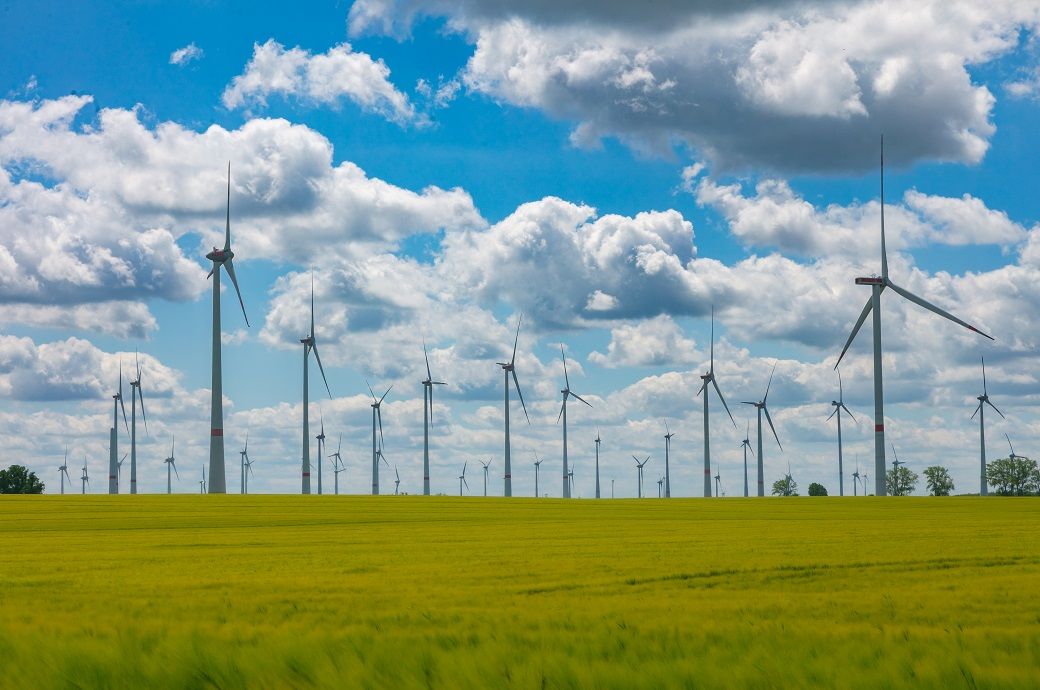
The allocated amount represents more than half of the €536 million total investment needs for these projects—the remainder coming from national, regional and local governments, public-private partnerships, businesses and civil society organisations.
The European Commission has granted over €358 million (~$414.2 million) to 132 new projects across Europe under the LIFE Programme for environment and climate action.
It will mobilise €133 million (the EU will provide €76 million) to contribute to circular economy and improving quality of life, with 31 projects backing the transition to a clean, circular, energy-efficient and climate-resilient economy.
LIFE projects play a significant role in the Eurioean Union’s (EU) transition to a clean, circular and resilient economy, helping safeguard and restore the EU’s biodiversity, supporting industrial competitiveness and contributing to the EU’s long-term goal of becoming climate-neutral by 2050.
This investment will have a lasting impact on the region’s environment, economy, industry and the well-being of all Europeans. The projects will cover all areas of the LIFE programme.
It will mobilise €133 million (of which the EU will provide €76 million) to contribute to circular economy and improving quality of life, with 31 projects supporting the transition towards a clean, circular, energy-efficient, and climate-resilient economy.
It will mobilise €96 million (of which the EU will provide €58 million) to 19 projects to strengthen climate resilience and mitigation efforts.
It will also mobilise €82 million (of which the EU will provide €77 million) to 48 projects aimed at accelerating the clean energy transition, an official release said.
Among the 31 projects selected to promote a more circular economy and quality of life, the €3.6 million LIFE Woodmer project in Sweden will produce biopolymers from waste wood to reduce hazardous chemicals and plastics in packaging and textiles.
The €1.9 million project InBioSoil in Spain uses fungi to clean up soil contaminated with persistent organic pollutants.
To ensure a clean energy transition, the 48 new projects announced today range from citizen-led local energy cooperatives to retrofitting old buildings and installing affordable heat pumps. They include the €1.2 million LIFE SUNACADEMY project, a new renewable energy training academy in France, with a focus on residential and large solar installations.
The €1.8-million NESOIplus project will provide for clean energy solutions and capacity building targeted to remote island communities in the Azores, Canaries and Martinique. And with a budget of €1.6 million, the BAIL-RENOV project will give an increased focus on landlord’s needs all along the energy renovation process in rental properties in France.
Over its 33 years of existence, the LIFE Programme has co-financed more than 6,500 environmental and climate action projects across the EU and associated countries.
The present LIFE programme started in 2021 and runs until 2027, with a budget of €5.43 billion. The grants financed under the LIFE Programme are managed by CINEA, the European Climate Infrastructure and Environment Executive Agency.
Fibre2Fashion News Desk (DS)







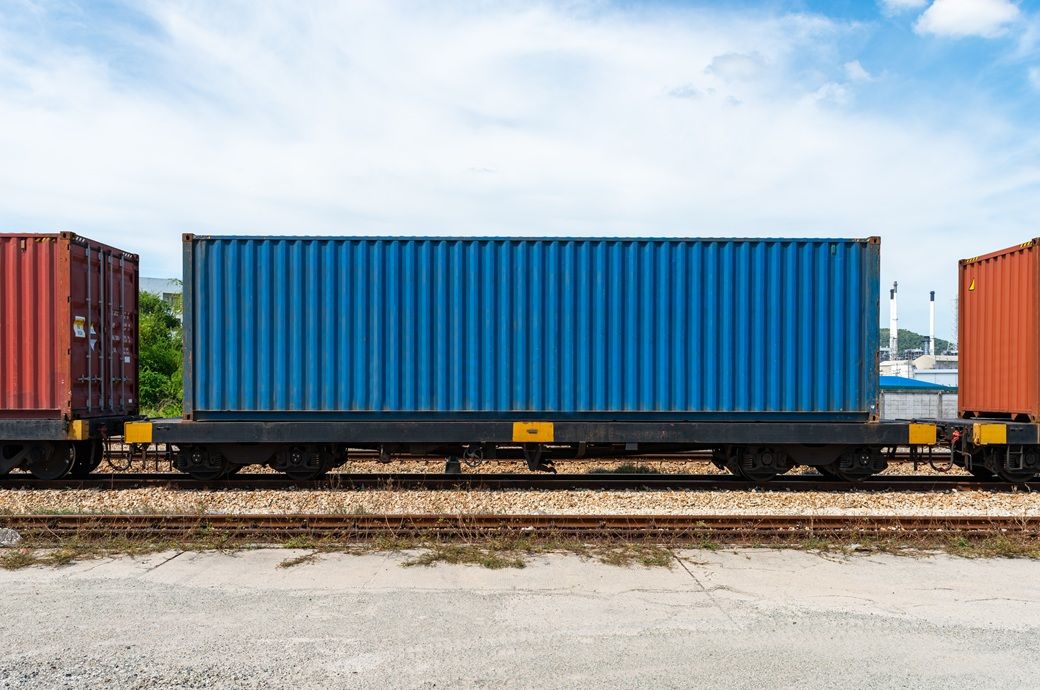
The agreement covers the construction and operation of a 360-kilometre railway linking the main mining areas of Al-Shidiya and Ghor Al-Safi to the Port of Aqaba.
The United Aran Emirates and Jordan recently an agreement to develop a railway network in Jordan and establish the UAE-Jordan Railway Company.
The agreement covers the construction and operation of a 360-kilometre railway linking the main mining areas of Al-Shidiya and Ghor Al-Safi to the Port of Aqaba.
The project aims at transporting 16 million tonnes of phosphate and potash annually.
The project aims at transporting 16 million tonnes of phosphate and potash annually, with a total investment value of $2.3 billion. Both phosphate and potash are chemicals used in the textile industry.
The agreement was signed by UAE Minister of Energy and Infrastructure Suhail bin Mohamed Al Mazrouei and Jordan’s Minister of Transport Nidal Al-Qatamin.
The UAE-Jordan Railway Company was formally established as a joint venture between Abu Dhabi’s L’IMAD Holding Company (L’IMAD) and several Jordanian stakeholders, according to an official release in the UAE.
The joint venture will be responsible for the implementation, operation and maintenance of Jordan’s railway network through its executing arm, Etihad Rail, the developer and operator of the UAE’s national railway network.
The project will enhance Jordan’s export capabilities and logistics efficiency by directly linking phosphate and potash production sites to the Port of Aqaba, significantly reducing transport time and costs.
It will also support comprehensive economic development and open wide prospects for job creation across multiple sectors, leveraging the extensive expertise of Etihad Rail.
Fibre2Fashion News Desk (DS)
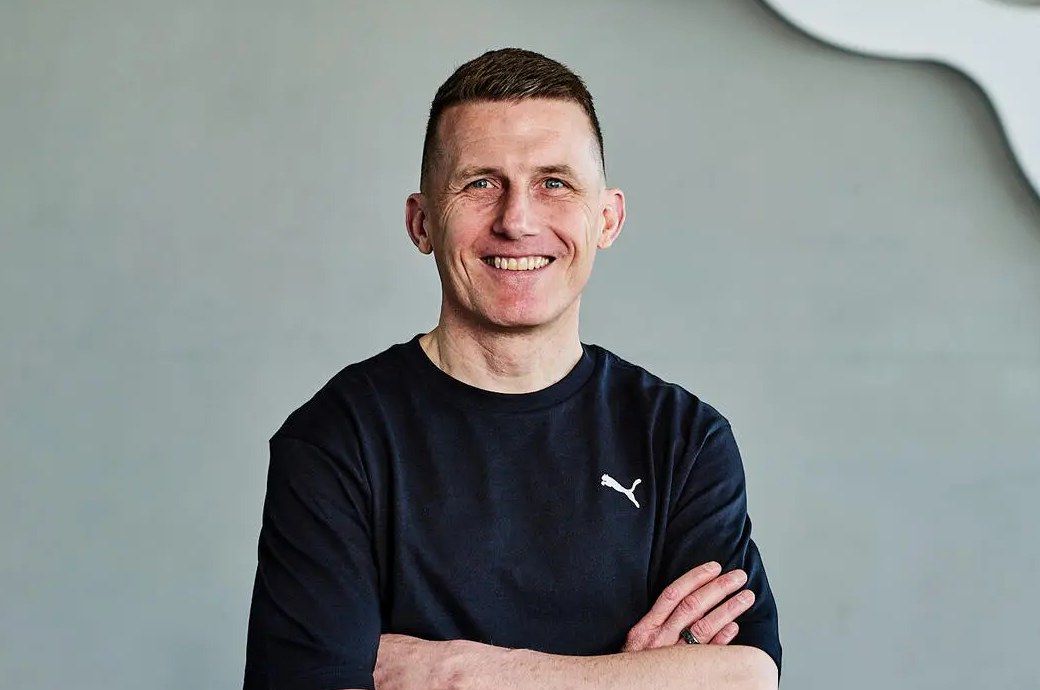
With more than two decades of experience in the sports industry, James brings a unique combination of skills, which will help PUMA use creative direction as an important strategic lever to establish itself as a top-3 global sports brand.
Puma has appointed James Carnes as senior vice president creative direction.
Reporting to Maria Valdes, he will oversee creative direction, innovation, and product excellence.
With over two decades of experience, including leadership roles at Adidas, he will align design strategy with business goals to strengthen Puma’s global brand appeal and market position.
“James is a very highly regarded leader in our industry and he has been instrumental in shaping some of the most influential performance and lifestyle products, labels, and platforms,“ said Maria Valdes. “With a strong background in industrial design and a deep understanding of both athletes and consumers, he will play an important role in getting our customers and consumers excited about PUMA once again.”
Until 2021, James held several leadership positions in design, creative direction and strategy at adidas, both in Herzogenaurach and Portland, Oregon. Most recently he worked as an independent consultant and investor in the wider industry.
At PUMA, James will align creative direction with the company’s overall strategic ambitions, set the seasonal direction for the Business Units and create a long-term look and feel for the brand across consumer touch points.
“Creative Direction is about more than seasonal trends and colours. It is about defining how PUMA holistically presents itself in the market, harnessing the company’s portfolio of world class innovation, and deeply connecting with consumers,” said James Carnes. “We have the amazing opportunity to modernize the image and style of one of the most iconic sports brands in the world and I look forward to leading our teams and collaborating with my colleagues to make this happen.”
Note: The headline, insights, and image of this press release may have been refined by the Fibre2Fashion staff; the rest of the content remains unchanged.
Fibre2Fashion News Desk (RM)
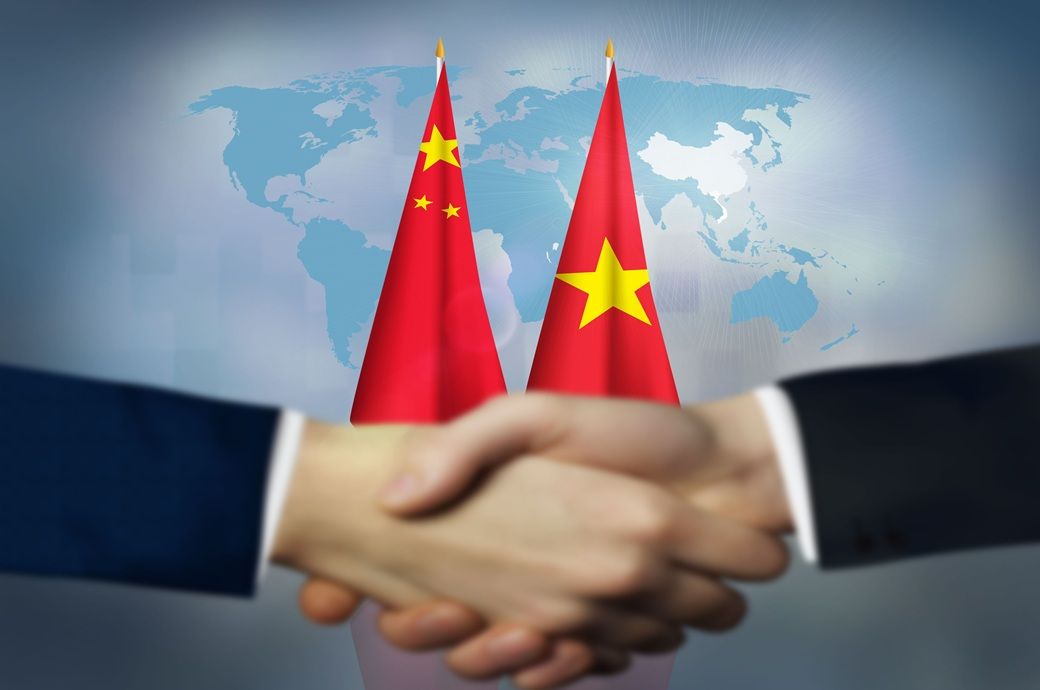
China will step up building a higher-level China-Vietnam community with a shared future that carries strategic significance, Chinese President Xi Jinping said while holding talks with visiting Vietnamese President To Lam.
China and Vietnam are accelerating efforts to navigate bilateral trade towards a more balanced and sustainable course.
President Xi Jinping recently held talks with visiting Vietnamese President To Lam.
During the visit, Vietnamese Minister of Industry and Trade Le Manh Hung called for a restructuring of production, trade and supply chains alongside stronger investment cooperation.
Xi said both countries should work together in their modernisation drive, accelerate the alignment of development strategies and prioritise infrastructure connectivity.
While meeting Chinese Minister of Commerce Wang Wentao during the state visit, Vietnamese Minister of Industry and Trade Le Manh Hung called for a restructuring of production, trade and supply chains alongside stronger investment cooperation.
Wang said both sides should focus on implementing the high-level common perceptions, including raising bilateral trade turnover to $500 billion in future.
Hung urged China to expand imports of Vietnamese goods, broaden the list of products eligible for tariff preferences and further open its market. He also called for the mutual recognition of quarantine results for agro-forestry-fishery products, facilitation of Vietnamese exports via cross-border e-commerce, and expansion of Vietnam’s trade promotion offices across Chinese localities, according to a Vietnamese news agency.
China will continue to support Vietnam in setting up additional trade promotion offices, following those already established in Chongqing, Hangzhou and Haikou, Wang responded.
China also expressed readiness to support Vietnam’s stronger exports through cross-border e-commerce, encouraging greater visibility of the Vietnam National Pavilion on Chinese e-commerce platforms beyond JD.com to better promote Vietnamese products to Chinese consumers.
China has consistently been Vietnam’s largest trading partner and second-largest export market, while Vietnam continues to be China’s biggest trading partner in the Association of Southeast Asian Nations (ASEAN).
Fibre2Fashion News Desk (DS)


2026 NFL draft: Louis Riddick’s favorite prospects, sleepers
India-US trade deal: Three-day talks to begin from April 20; what to expect – The Times of India

Meta Glasses Are Comfortable, Functional, and Make My Spouse Recoil in Fear

The case for Man United’s Fernandes as Premier League’s best

Palace left in shock as Prince William cancels grand ceremony
100% road tax waiver for electric cars, new rules for 2, 3 and 4 wheelers – what Delhi govt’s draft EV policy says – The Times of India

-
 Sports6 days ago
The case for Man United’s Fernandes as Premier League’s best
-
 Entertainment6 days ago
Palace left in shock as Prince William cancels grand ceremony
-
Business1 week ago
100% road tax waiver for electric cars, new rules for 2, 3 and 4 wheelers – what Delhi govt’s draft EV policy says – The Times of India
-

 Entertainment1 week ago
Dua Lipa hits major career high ahead of wedding with Callum Turner
-
 Business6 days ago
UK could adopt EU single market rules under new legislation
-
 Business1 week ago
The FAA wants gamers to apply for air traffic control jobs
-

 Sports1 week ago
Lamar Jackson hits back at critics with faithful message on social media
-

 Fashion6 days ago
Energy emerges as biggest cost driver in textile margins