

Business
‘Every day feels like firefighting’: Hit by EU sanctions over Russian oil – Indian refinery Nayara Energy struggles to sustain operations – The Times of India

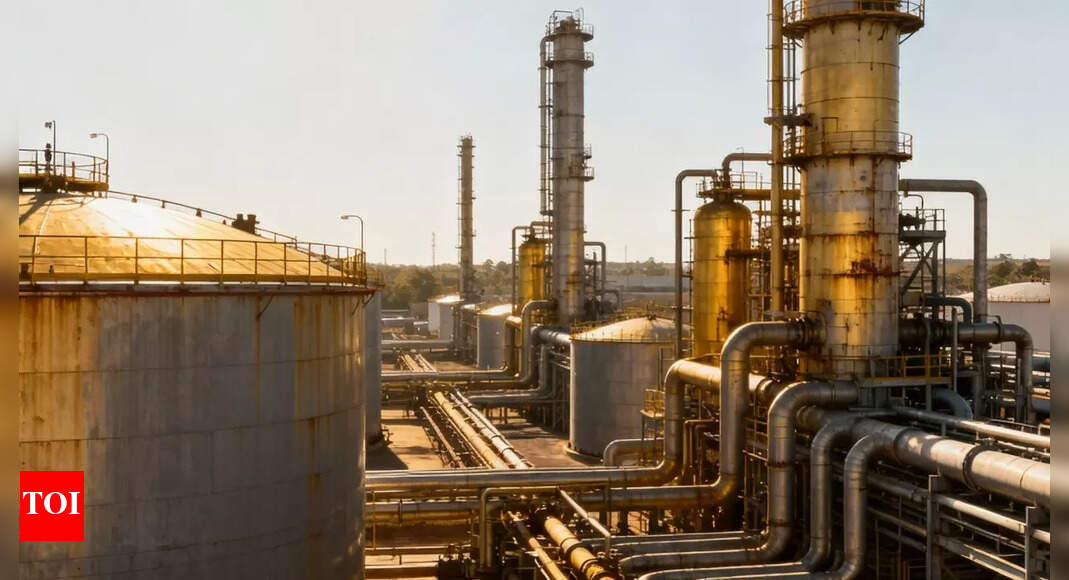
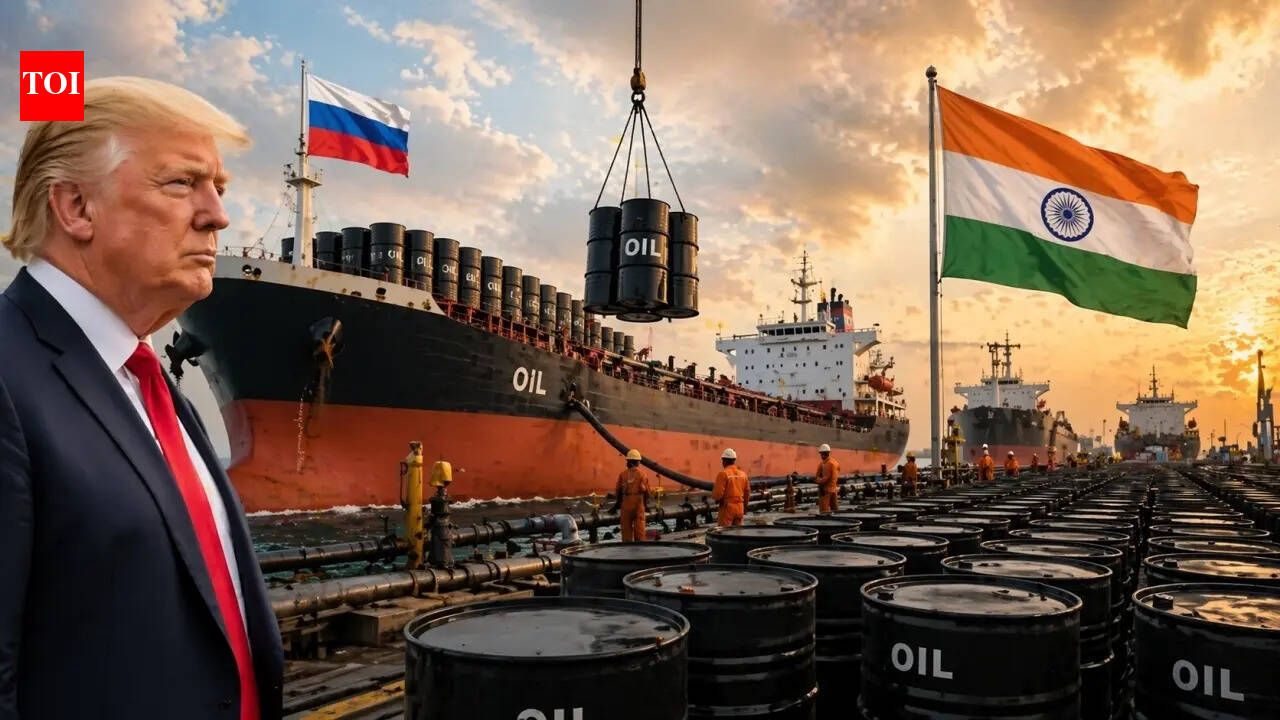
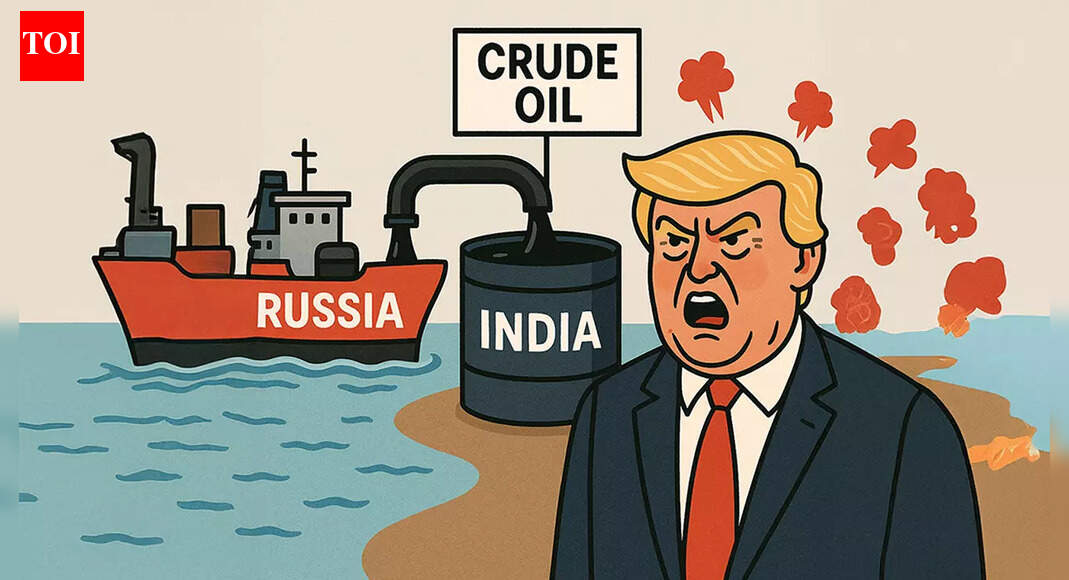
Nayara Energy, the Indian refinery with major Russian ownership, is scrambling to sustain operations after being hit by European Union sanctions. The Russian-owned refinery, facing exclusion from many international markets due to severe EU sanctions implemented on July 18, has been compelled to redirect additional fuel towards domestic consumption whilst seeking alternative export destinations, amongst various necessary adaptations required by the EU restrictions.According to a Reuters report, from late August onwards, Nayara Energy’s refinery has intensified its railway usage, dispatching two to three trains daily, each comprising 50 tanker cars to transport fuel to inland storage facilities. This is more than twice its previous railway utilisation for diesel and petrol transportation.Nayara’s Russian ownership exemplifies the enduring close relationship between New Delhi and Moscow, a connection that positions India differently from Western allies.The government has found itself managing a delicate situation with Nayara’s ongoing difficulties, providing essential operational support whilst being cautious not to trigger Western opposition, according to government and company officials quoted in the report. The administration’s assistance includes allocation of tank wagons and authorisation for coastal vessels to transport the refinery’s products.The refinery, with Russian state oil corporation Rosneft as its primary stakeholder, now sources its crude oil requirements exclusively from Russia, following the cessation of Iraqi and Saudi Arabian supplies post-EU sanctions. This dependency creates potential vulnerabilities should supply chains face disruption from enhanced sanctions or increased pressure from the Donald Trump administration.The UK government is evaluating dual strategies: supporting Nayara whilst being cognisant of mounting international pressure for stricter sanctions, according to Amitendu Palit, senior research fellow at the National University of Singapore’s Institute of South Asian Studies quoted in the report.“Long-term support might not be sustainable unless the whole global dynamics change – like a resolution between Russia and the U.S.A. or progress in Russia-Ukraine conflict,” he said.The Mumbai-based Nayata holds significant influence in India’s expanding fuel industry, contributing 8% of refined products output and managing over 6,500 petrol stations.The company has been compelled to decrease crude processing at its 400,000-barrel-per-day Vadinar refinery to 70-80% capacity – down from its previous 104% – as it encounters difficulties securing export customers for its fuel and banking institutions to process payments, according to sources familiar with refinery operations.
What Nayara is doing to sustain operations?
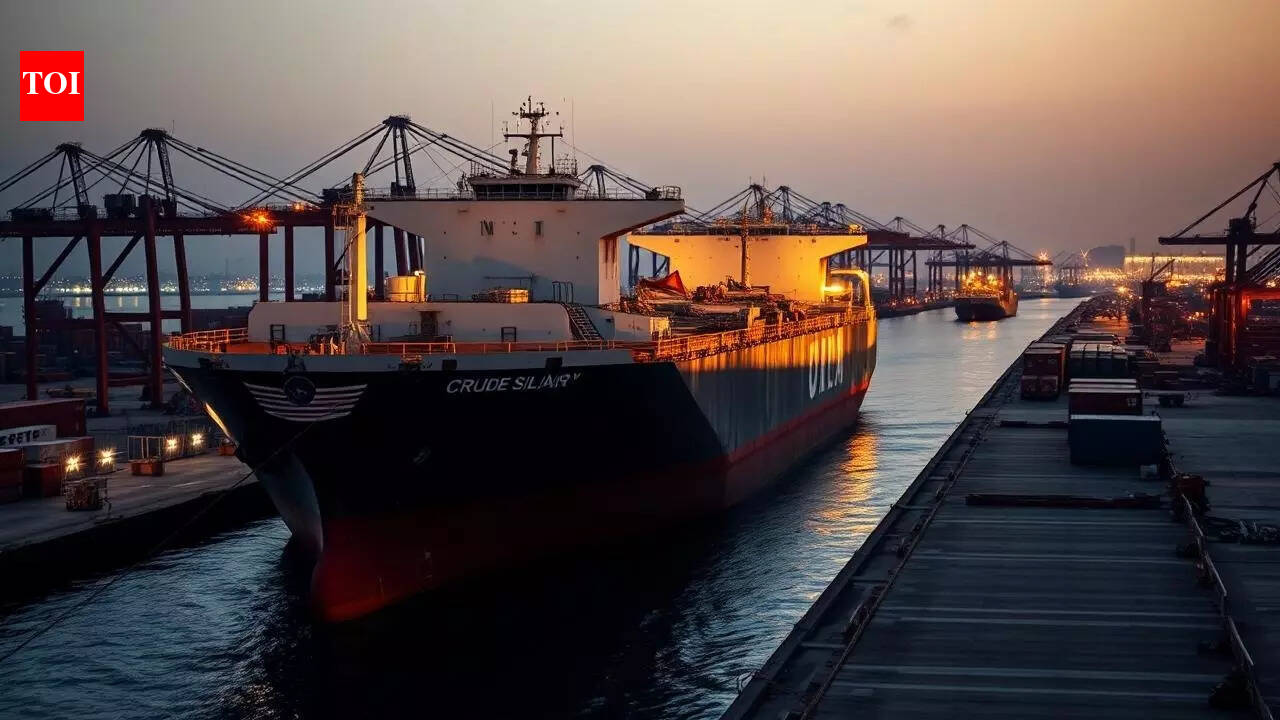
Nayara adapted its operations by increasing railway transportation after sanctions impeded its coastal shipping and export capabilities, necessitating domestic distribution of its products, the Reuters report said. The refinery, lacking pipeline connectivity, received assistance from the government to access additional railcars and temporary permission to operate four coastal vessels, including the sanctioned Leruo and two vessels from the shadow fleet: the Garuda (Guinea-Bissau flag) and Chongchon (Djibouti flag), the report said.The company has requested governmental authorisation for two additional coastal vessels. Additionally, Nayara seeks official support to acquire equipment and materials, currently restricted by sanctions, for its maintenance closure initially planned for February. Sources indicate the company might postpone the shutdown until April whilst searching for alternative materials.“We are under constant threat,” a senior company official said on condition of anonymity, citing the worry that vessels the company is now using could come under future Western sanctions.“We never anticipated that we would be hit so directly. Now, every day feels like firefighting.”Nayara – the name is a mix of Hindi and English for “New Era” – previously operated as Essar Oil before its 2017 acquisition by Rosneft alongside a consortium including Russian fund UCP and Trafigura, with the latter later divesting its stake. The company sourced oil from diverse nations until 2022. Subsequently, India increased its Russian oil imports at discounted rates following Western sanctions on Moscow post the Ukraine invasion, becoming the primary buyer of Russian seaborne crude.The refiner’s primary concerns centre on maintenance issues and international payment capabilities, according to internal sources at Nayara quoted in the Reuters report.Since August, the state-owned SBI has halted processing of trade and forex transactions for Nayara, citing concerns about EU sanctions.Despite meetings between Nayara officials, finance ministry representatives and banks to address these banking complications, a resolution remains pending. This situation hampers the company’s ability to conduct international crude imports and fuel exports, as per government sources.Recent shipments have been directed to the Middle East, Turkey, Taiwan and Brazil, with 16 cargo loads of diesel, gasoline and jet fuel transported via EU-sanctioned vessels, according to available data.



Across the UK, shopfronts are being exploited by criminal gangs pushing illegal drugs, experts say.
Source link
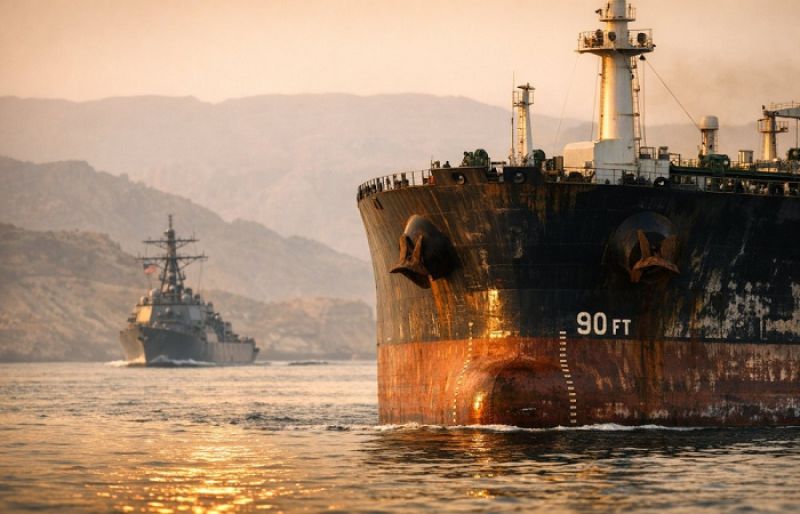
At around 8.25 am, the benchmark US oil contract, West Texas Intermediate (WTI) climbed 4.06% to US$96.73 per barrel.
International oil benchmark Brent North Sea crude rose 3.62% to US$105.63. Both eased back in the following minutes.
Oil prices have soared since Israel and the US attacked Iran on Feb 28, and they have kept inching up due to the uncertainty over whether war will resume.
As the clock ticked for a return to the war that has engulfed the region, US President Donald Trump had said Tuesday he would maintain the truce to allow more time for Pakistani-brokered peace talks.
Iran said it welcomed the efforts by Pakistan but made no other comment on Trump’s announcement.
Wall Street stocks gained ground following President Trump’s unilateral ceasefire extension in the Iran war.
All three major US stock indexes advanced, with tech shares helping to put the Nasdaq out front, while gold advanced and the dollar edged higher.
The S&P 500 and the Nasdaq reached record closing highs.
“Despite the energy shock and headlines that have inundated investors, the macroeconomy, corporate fundamentals, and consumer spending remain strong,” said Bill Merz, head of capital markets research at US Bank Wealth Management in Minneapolis.
“Investors are taking the stance that the Strait of Hormuz will open before too much damage is inflicted on the global economy.”
Iran’s Revolutionary Guards seized two vessels for maritime violations just hours after Trump agreed to extend the ceasefire until negotiations are concluded.
About a fifth of the world’s oil and liquefied natural gas (LNG) supplies normally pass through the strait.
US stocks, initially battered by the war, have since made a full recovery, with the S&P 500 and the Nasdaq having reached all-time closing highs in recent sessions.
But geopolitical uncertainty lingers, and a prolonged period of elevated oil prices remains a threat.
About two-thirds of the S&P 500 companies that have reported quarterly earnings since the beginning of April have voiced concerns about energy prices in their analyst conference calls, according to a Reuters review of transcripts.
“Anytime there’s a global event like the conflict in the Middle East, and it grabs so many headlines and captures attention, it will crop up in earnings commentary,” Merz added. “But we’re not seeing it significantly impact behaviour yet.”
First-quarter earnings season is well underway amid lofty expectations. Analysts currently estimate year-on-year S&P 500 earnings growth of 14.4% for the January-March period, according to the most recent LSEG data.
The Dow Jones Industrial Average rose 341.27 points, or 0.69%, to 49,490.52, the S&P 500 +gained 73.90 points, or 1.05%, to 7,137.91, and the Nasdaq Composite was up 397.60 points, or 1.64%, to 24,657.57.
European shares ended lower for the third straight session as the Middle East strife continued to weigh on markets and investors assessed a raft of corporate earnings.
Dozens of international firms have withdrawn guidance or signalled price hikes since the war began.
MSCI’s gauge of stocks across the globe rose 4.52 points, or 0.42%, to 1,070.98.
The pan-European STOXX 600 index fell 0.35%, while Europe’s broad FTSEurofirst 300 index fell 8.58 points, or 0.35%.
Emerging market stocks fell 9.41 points, or 0.58%, to 1,606.07. MSCI’s broadest index of Asia-Pacific shares outside Japan closed lower by 0.6%, to 822.27, while Japan’s Nikkei .N225 rose 236.69 points, or 0.40%, to 59,585.86.
The dollar rose amid lingering geopolitical worries.
The dollar index, which measures the greenback against a basket of currencies including the yen and the euro, rose 0.26% to 98.63, with the euro down 0.32% at $1.1704.
Against the Japanese yen, the dollar strengthened 0.12% to 159.56.
In cryptocurrencies, Bitcoin gained 4.13% to $78,866.74. Ethereum rose 3.48% to $2,398.37.
US Treasury yields increased, rangebound amid choppy trading.
The yield on benchmark US 10-year notes rose 1.2 basis points to 4.304%, from 4.292% late on Tuesday.
The 30-year bond yield rose 1.1 basis points to 4.9091% from 4.898% late on Tuesday.
The 2-year note yield, which typically moves in step with interest rate expectations for the Federal Reserve, rose 2.1 basis points to 3.8%, from 3.779% late on Tuesday.

Jenny Lennick’s colourful hair clips are sold across the US and around the world.
Source link


Canada forms new advisory committee to strengthen US trade relations
High street drug dealer sells cannabis to undercover reporter

Clearing Hormuz Strait mines could take six months: report

-

 Fashion1 week ago
France’s LVMH Q1 revenue falls 6%, shows resilience amid Iran war
-

 Entertainment1 week ago
Is Claude down? Here’s why users are seeing errors
-

 Tech1 week ago
The Deepfake Nudes Crisis in Schools Is Much Worse Than You Thought
-

 Sports1 week ago
PSL 11: Peshawar Zalmi win toss, opt to field first against Quetta Gladiators
-

 Tech1 week ago
Human-machine teaming dives underwater
-
 Business1 week ago
Standard Life buys rival in £2b deal to create savings giant
-
 Business1 week ago
BP sees ‘exceptional’ oil trading result as Iran war sends crude costs soaring
-

 Fashion1 week ago
What no one is saying about the 2026 apparel slowdown