

Fashion
Germany’s Hugo Boss sees Q2 growth amid volatility, sales hit $1.2 bn

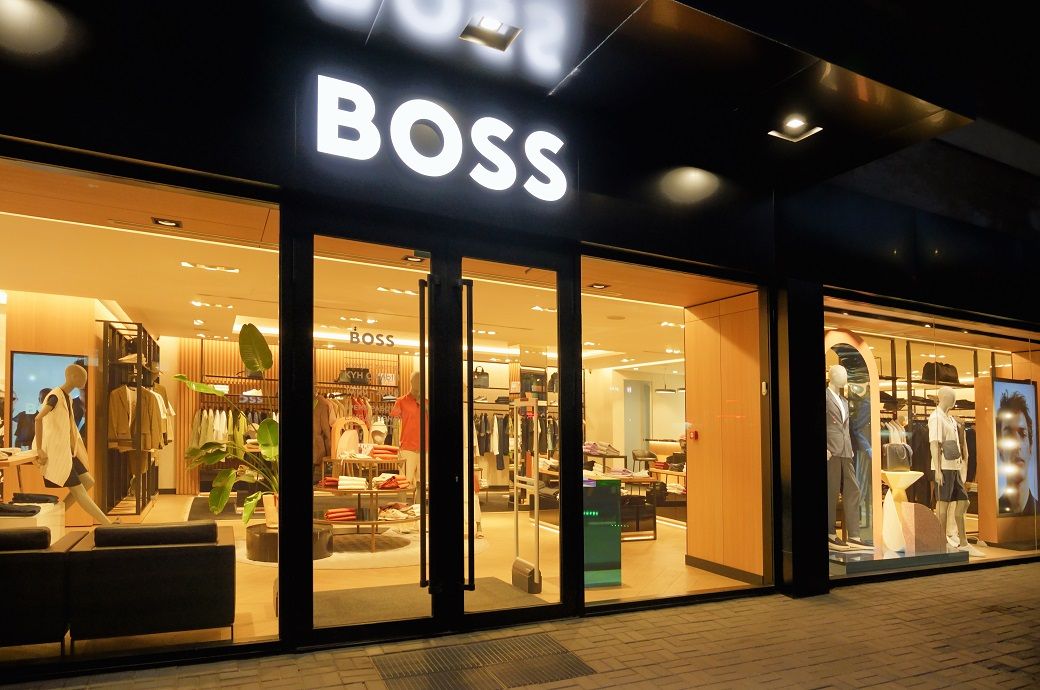
While the reported revenue declined 1 per cent due to adverse currency effects, EBIT jumped 15 per cent to €81 million (~$93.15 million), lifting the EBIT margin by 120 basis points (bps) to 8.1 per cent.
Germany’s Hugo Boss has reported solid Q2 2025 results, with currency-adjusted sales up 1 per cent to €1,002 million (~$1.16 million) and EBIT rising 15 per cent to €81 million (~$93.15 million).
Growth was driven by Boss Menswear and digital sales, offsetting declines in Asia and other segments.
The company reaffirmed its 2025 outlook, projecting sales growth between –2 per cent and +2 per cent.
Brand-wise, Boss Menswear remained the company’s main growth driver, with currency-adjusted sales up 5 per cent. In contrast, Boss Womenswear and Hugo declined by 8 per cent and 12 per cent respectively, as the company undertakes strategic adjustments in these segments.
Regionally, Europe, Middle East, and Africa (EMEA) and the Americas returned to growth with 3 per cent and 2 per cent increases respectively, while the Asia/Pacific region lagged, down 5 per cent, largely due to weak consumer sentiment in China.
The digital business grew by 7 per cent and wholesale by 3 per cent, though brick-and-mortar retail saw a slight 1 per cent dip.
The gross margin held steady at 62.9 per cent in Q2, aided by sourcing efficiencies and improved product costs. Operating expenses declined 3 per cent, reflecting stringent cost discipline across selling, marketing, and administrative functions.
Notably, selling and marketing costs dropped 4 per cent, with marketing investments down 10 per cent YoY in Q2, though largely due to timing shifts.
The net income of the company rose 28 per cent to €50 million (~$57.5 million), with earnings per share (EPS) increasing by 27 per cent to €0.68. Financial expenses declined 27 per cent, benefitting from favourable currency developments.
Trade net working capital (TNWC) remained stable at €839 million, though up 5 per cent currency-adjusted, due to increased inventories and trade receivables. This rise was a strategic move to mitigate tariff uncertainties. The TNWC ratio, based on a four-quarter moving average, improved to 19.7 per cent from 21.2 per cent last year.
“The second quarter (Q2) of 2025 was once again marked by a challenging macroeconomic and industry environment, with global consumer confidence remaining at a low level. Against this backdrop, we delivered solid top and bottom-line improvements, supported by further efficiency gains through our rigorous and sustainable cost discipline,” said Daniel Grieder, chief executive officer (CEO) at Hugo Boss. “Importantly, we remain committed to our long-term ambition of strengthening brand relevance over short-term gains. The successful launch of our Beckham X Boss collection in April is just one example of how we are continuing to drive brand momentum, even in a volatile environment.”
For full year 2025, Hugo Boss is expecting group sales between €4.2 billion and €4.4 billion (–2 per cent to +2 per cent), and EBIT between €380 million and €440 million, marking a projected rise of 5 to 22 per cent. The EBIT margin is forecasted between 9 per cent and 10 per cent.
Sales are anticipated to remain stable in EMEA and the Americas, while Asia/Pacific is expected to witness a moderate decline. Capital expenditure for the year is projected between €200 million and €250 million, lower than €286 million in 2024.
Despite ongoing geopolitical and economic volatility, Hugo Boss aims to drive high-quality growth by executing new brand campaigns and fashion shows in the second half of 2025, reinforcing its global relevance and customer engagement.
“Based on our performance in the first half of 2025, we confirm our full-year outlook for both sales and operating profit. As we enter the second half of the year, our focus remains on exciting consumers, unlocking additional business opportunities and maintaining a consistent focus on high-quality growth. I am particularly excited about our upcoming Fall/Winter 2025 collections and the launch of our new brand campaigns later this month, which are set to further boost brand relevance,” added Grieder.
Fibre2Fashion News Desk (SG)








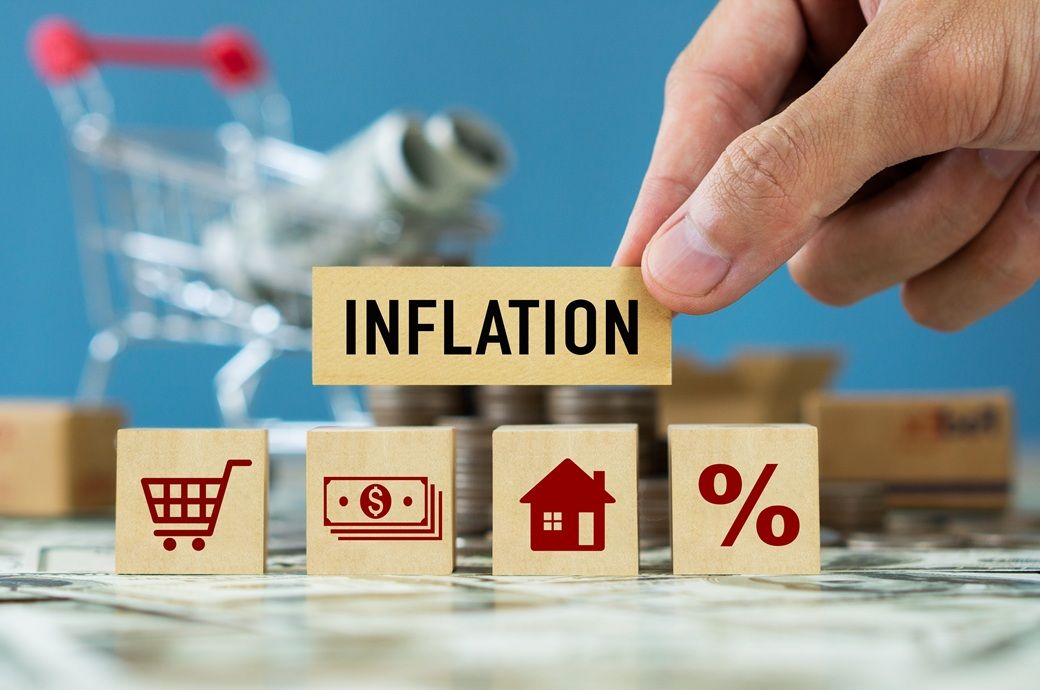
The increase was driven largely by energy prices, as declines in regulated and non-regulated energy products eased significantly. In contrast, inflation in services slowed, Istat said in a press release.
Italy’s inflation rose to 1.7 per cent year on year in March 2026, driven by higher energy, according to Istat. Monthly inflation stood at 0.5 per cent.
Core inflation eased to 1.9 per cent, while services inflation slowed.
The HICP increased 1.6 per cent annually, with lower-income households experiencing relatively smaller price rises than higher-spending groups.
Core inflation, which excludes energy and unprocessed food, moderated to 1.9 per cent from 2.4 per cent, while inflation excluding energy eased to 2.1 per cent.
On a yearly basis, goods prices rose 0.8 per cent compared with a slight decline in the previous month, while services inflation slowed to 2.8 per cent from 3.6 per cent. This narrowed the inflation gap between services and goods.
On a monthly basis, the rise in the index was mainly led by increases in regulated energy prices, up 8.5 per cent, and non-regulated energy prices, up 5 per cent, along with gains transport services.
The harmonised index of consumer prices (HICP) rose 1.7 per cent MoM and 1.6 per cent YoY, slightly above the earlier estimate. In the first quarter, inflation remained lower for households with weaker spending capacity compared with higher-spending households.
Fibre2Fashion News Desk (SG)
The decision was taken during a meeting of the council of ministers that was chaired by the Transitional President Captain Ibrahim Traore.
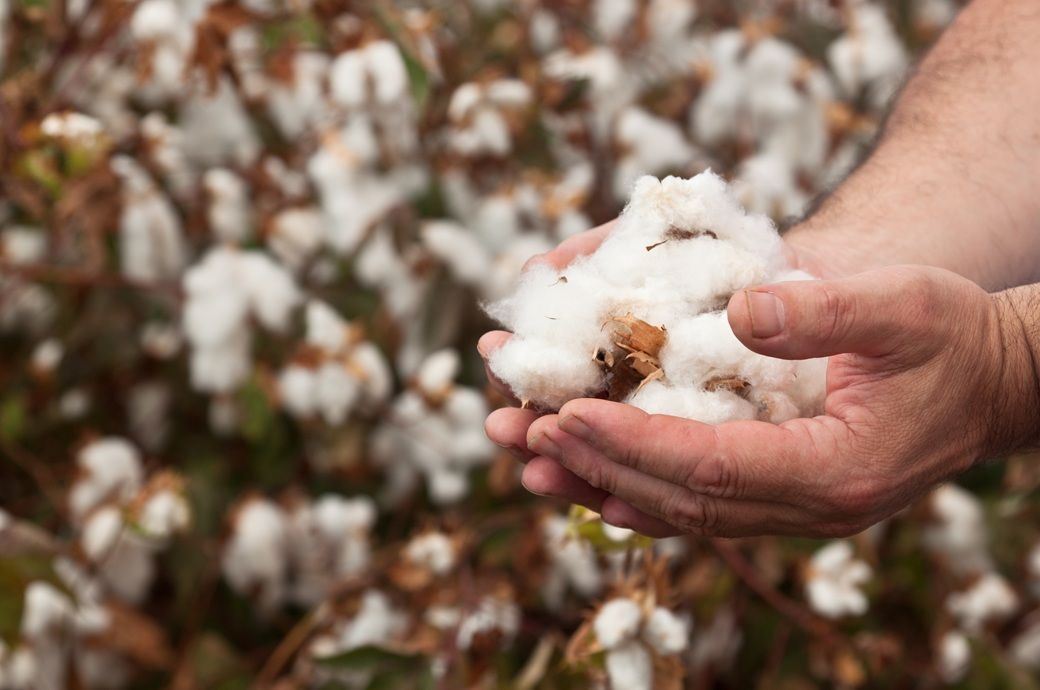
Burkina Faso has announced the full nationalisation of Burkinabe Company of Textile Fibres (Sofitex), citing rising debt, declining production and inefficiencies.
Sofitex was a mixed-ownership firm, in which the state held a majority stake.
Full state ownership is expected to lead to tighter financial discipline, improved governance and a restructuring of operations to boost efficiency.
Sofitex was a mixed-ownership cotton company, in which the state held a controlling majority stake and private investors owned a minority share valued at about 75 billion CFA francs.
A 2025 valuation cited by the government places Sofitex’s total worth at 338.14 billion CFA francs (~$607 million), with the private stake valued at just over 75 billion CFA francs for 976,400 shares.
The company’s cotton production fell by 24-26 per cent to under 300,000 metric tonnes in the 2024-2025 season.
Full state ownership is expected to lead to tighter financial discipline, improved governance and a restructuring of operations to boost efficiency, according to a domestic media outlet.
Fibre2Fashion News Desk (DS)

Markham joins from Whistles, where she served as Creative Director. She was previously Global Design Director at Topshop and Design Director at ASOS. She succeeds Queralt Ferrer who steps down after four years with the Partnership.
John Lewis has appointed Jacqui Markham as fashion creative director, overseeing own-brand womenswear, menswear and childrenswear.
She joins from Whistles and succeeds Queralt Ferrer.
The move strengthens investment in design, quality and relevance, alongside digital growth, Oxford Street refurbishments, exclusive collaborations and an expanded line-up of global fashion brands.
The appointment marks the next phase in John Lewis developing its own brand fashion, with clear creative direction and continued investment behind it.
Markham brings a strong track record of building distinctive, successful collections with a focus on design, quality and relevance for customers.
Her appointment comes alongside John Lewis’s continued investment in fashion, including upgrades to shops and digital, and the recent refurbishment of womenswear and menswear at the Oxford Street flagship store.
This month also sees the launch of the second John Lewis x Rejina Pyo collaboration, and a new 15-piece exclusive capsule collection from Amanda Wakeley. These will complement the expanded line-up of new brands including Samsoe Samsoe, MOTHER, St Agni, Patagonia, Belstaff, Missoma and Completedworks.
Rachel Morgans, John Lewis Director of Fashion, said: “I look forward to welcoming Jacqui to John Lewis at a defining moment for our fashion business. She brings a wealth of expertise and a proven ability to create exceptional design and will support our future creative vision.”
Jacqui Markham commented: “I am very excited to join the Partnership and to work together with all the teams toward a shared vision for the future of John Lewis. It feels like a seminal moment in the long history of the Partnership, and I cannot wait to get started to help shape that vision and bring our collective ideas to light.”
Note: The headline, insights, and image of this press release may have been refined by the Fibre2Fashion staff; the rest of the content remains unchanged.
Fibre2Fashion News Desk (RM)


United Airlines slashes 2026 forecast as fuel costs surge, but demand remains strong

Energy prices ‘could stay high into winter’

The Best Chromebooks Are Doing Their Best to Course Correct

-

 Fashion6 days ago
France’s LVMH Q1 revenue falls 6%, shows resilience amid Iran war
-

 Entertainment7 days ago
Is Claude down? Here’s why users are seeing errors
-

 Fashion1 week ago
Asia claims largest share of markets on Kearney FDI Confidence Index
-

 Tech1 week ago
The Deepfake Nudes Crisis in Schools Is Much Worse Than You Thought
-

 Sports1 week ago
PSL 11: Peshawar Zalmi win toss, opt to field first against Quetta Gladiators
-

 Tech1 week ago
Bremont Is Sending a Watch to the Moon’s Surface
-

 Tech1 week ago
Human-machine teaming dives underwater
-
 Business1 week ago
BP sees ‘exceptional’ oil trading result as Iran war sends crude costs soaring