

Business
Govt to absorb future fuel price hikes amid Middle East crisis: Ali Pervaiz Malik | The Express Tribune

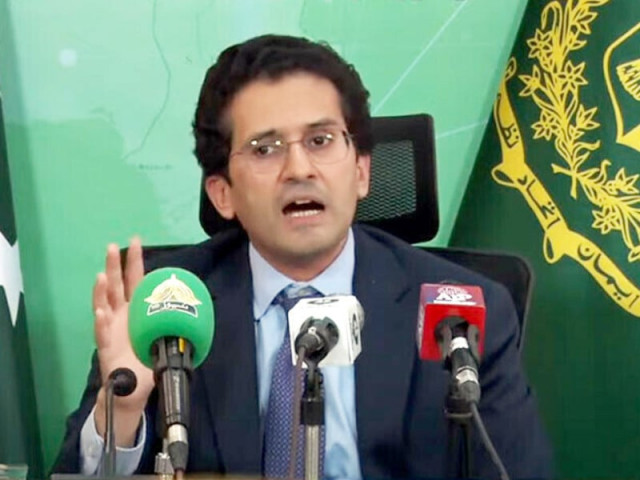
Says he believes that within a reasonable time, there will not be much change in prices
Petroleum Minister Ali Pervaiz Malik asserted on Tuesday that there would be no further increases in petroleum prices as the government has resolved to absorb the impact of any future increase in the international market due to the Mideast conflict.
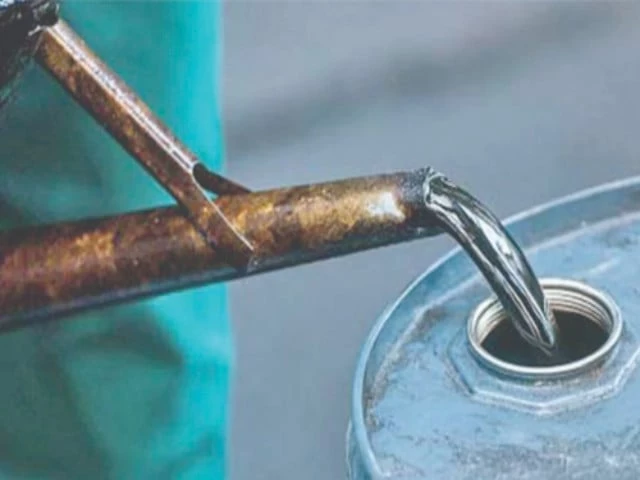
Last week, the government announced an increase of Rs55 per litre in petrol and diesel prices following a surge in petroleum costs amid the ongoing Middle East crisis. The closure of the Strait of Hormuz has severely disrupted supply lines across the region, affecting fuel availability and prices globally.
Prime Minister Shehbaz Sharif on Monday announced austerity measures, acknowledging that petrol prices were expected to rise internationally in the coming days. However, the premier assured the public that the government would strive to shield them from the full burden of these increases.
Read: OGRA dismisses reports of Rs73 petrol, Rs84 diesel hike as ‘completely baseless’
Speaking in an interview on private television programme ‘Capital Talk’, Malik Defended the recent price hike caused by global fluctuations and market volatility, adding that the substantial increase was passed on to the public due to unavoidable circumstances but he that larger changes were unlikely in the coming days.
“The prime minister decided that after this increase, he will do everything possible to ensure that if any future increase occurs, it will be buffered through austerity measures, conservation efforts, budget contingencies or taxation measures. I believe that within a reasonable time, there won’t be much change in prices,” Malik said.
He further emphasised that the government had resolved to absorb the impact to prevent additional hardship for the public while maintaining steady fuel supplies.
Malik described the situation as extraordinary and said efforts had been made to ensure that people did not face supply difficulties.
“We had tried to build reserves, especially for gas, but after the closure of the Strait of Hormuz, we had to handle things differently. That is why Pakistan entered the crisis in a comparatively better way,” he said.
The minister added that the duration of the crisis remained uncertain. “It means we have to prepare ourselves for a test match, and whatever reserves we have, we must try to extend them and maintain the supply line.”
Also Read: Govt expands austerity drive as fuel prices rise and global oil markets turn volatile
Responding to criticism from Khyber-Pakhtunkhwa Chief Minister Sohail Afridi over the recent hikes, Malik said the chief minister was engaging in politics but urged him to propose alternatives. “People want to know what would have been done if prices were not raised. There should be some alternative arrangement for that too,” he remarked.
Addressing claims by financial experts about recent drops in petroleum prices, Malik cautioned the public against being misled. He described the current situation as difficult but expressed confidence that Pakistan would overcome the crisis.
“Together, we will overcome this difficult period,” he said, hoping the crisis would end soon, noting its impact extends beyond fuel to imports and remittances.
On rumours regarding gas shortages, the minister clarified that Pakistan would not face problems this month thanks to two cargoes that arrived before the war began. However, he warned that if the conflict prolonged, the government would need to source additional supplies or adjust distribution to conserve gas.


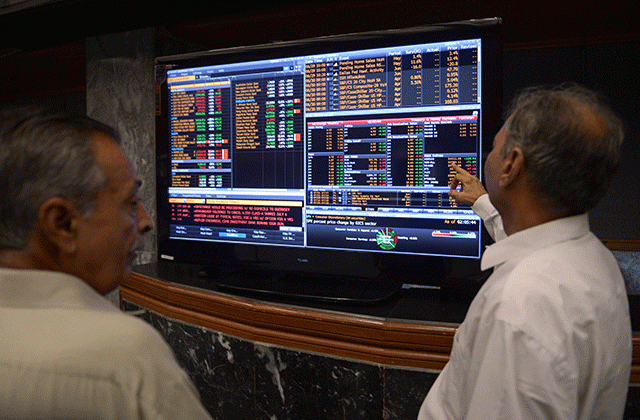


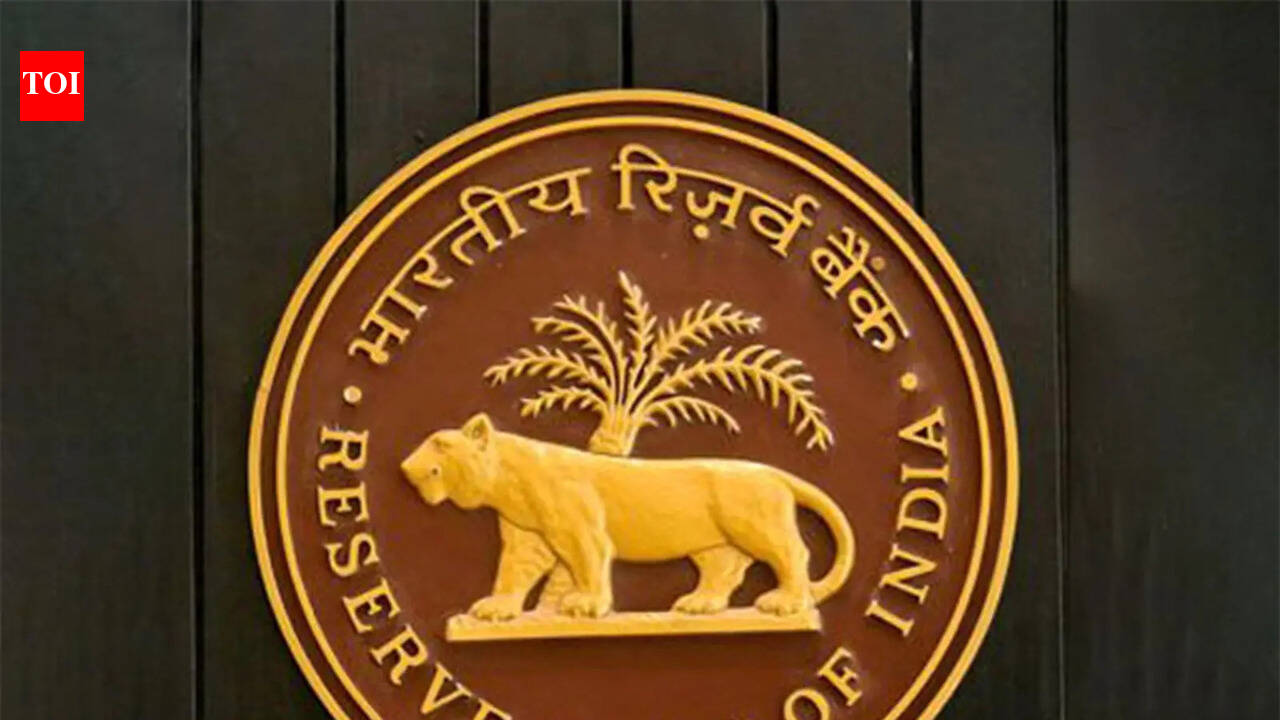
Mumbai: RBI has required banks to report all foreign exchange derivative deals involving the rupee undertaken in India and globally by their entire group, including overseas branches, subsidiaries, and parent entities. This brings into view offshore trades that were earlier largely invisible. This applies to both OTC deliverable and offshore non-deliverable contracts, meaning even speculative offshore bets on the rupee must now be disclosed. Banks now must report detailed transaction data-size, counterparty, maturity, and structure-no later than two working days, though trades below $1 million and certain already-reported or internal hedging transactions are exempt.

Sarah has now got her money back but there are calls to reform the deadline for reporting scams to banks.
Source link

Music streamer Deezer allows users to filter out AI music, so why does Spotify not offer the same?
Source link


‘Euphoria’ star Jessica Blair Herman unveils truth about feud amongst cast
Banks to report all related party forex derivative transactions: RBI – The Times of India

Josh Duhamel provides relationship update with ex-wife Fergie

-

 Sports1 week ago
NCAA men’s gymnastics championship: All-time winners list
-

 Sports1 week ago
WWE WrestleMania 42 Night 2: Live match results and analysis
-

 Fashion1 week ago
UK’s Sosandar returns to profitability amid robust FY26 performance
-

 Politics7 days ago
UK’s Starmer seeks to deflect blame over Mandelson appointment
-
 Entertainment1 week ago
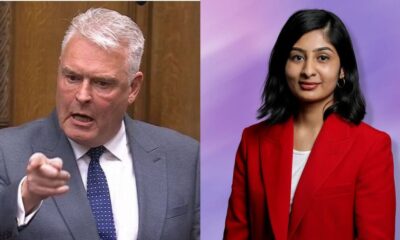
Lee Anderson, Zarah Sultana kicked out of UK Parliament for calling PM ‘liar’
-
 Business1 week ago
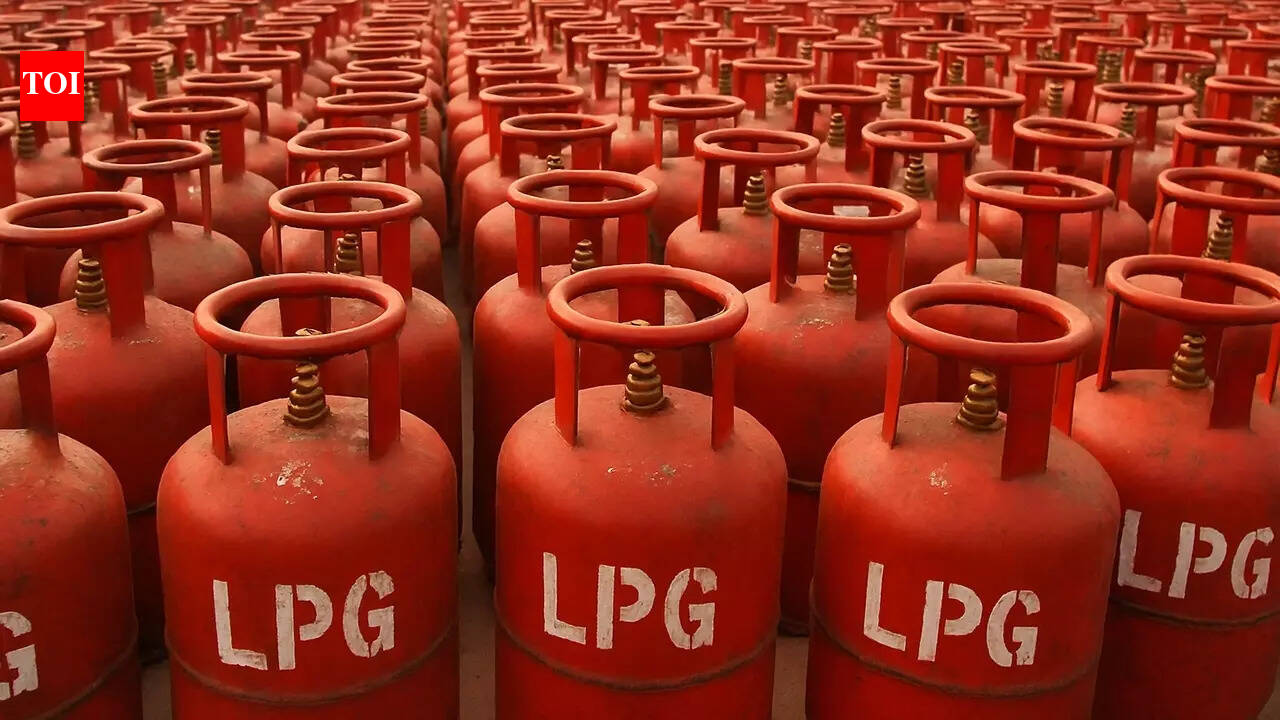
No fuel shortage: Govt assures 100% domestic LPG, PNG, CNG supply amid Hormuz energy crunch – The Times of India
-
 Business1 week ago
How Trump’s psychedelics executive order could unlock stalled cannabis reform
-

 Sports1 week ago
Quetta Gladiators opt to bowl after winning toss against Peshawar Zalmi in PSL 11 clash