

Business
Green hydrogen for energy security | The Express Tribune

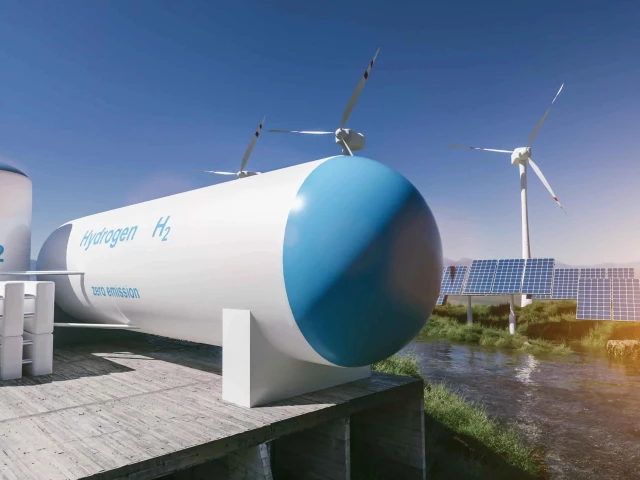
Import dependence, global shocks push Pakistan to explore low-carbon alternatives
ISLAMABAD:
Recent geopolitical tensions in the Middle East have once again highlighted Pakistan’s continued reliance on imported energy and the associated exposure to global price volatility.
With around 85% of oil demand and a growing share of liquefied natural gas (LNG) sourced from international markets, external supply disruptions can quickly translate into higher domestic energy costs, inflationary pressures and broader macroeconomic instability.
Energy imports account for nearly one?third of Pakistan’s total import bill, contributing to persistent trade deficits and foreign-exchange constraints.
It is encouraging that over the past decade, Pakistan has significantly diversified its energy mix by expanding solar, wind and hydropower capacity, thereby reducing its reliance on imported fuels. However, this effort can be further strengthened by adopting new technologies, as several countries are already doing. To ensure long-term energy security, future-oriented planning must also consider emerging technologies that are reshaping global energy markets.
India provides a relevant regional example. Through its National Green Hydrogen Mission and the Strategic Interventions for Green Hydrogen Transition (SIGHT) programme, the country is seeking to integrate hydrogen into its future energy mix while improving cost competitiveness. With financial incentives aimed at supporting domestic electrolyser manufacturing and large-scale production of green hydrogen and its derivatives, the initiative reflects a broader industrial strategy to capture opportunities in the evolving global energy economy rather than functioning solely as a subsidy.
It also enables India to access the full potential of its renewable energy, as it is seen as a core part of green hydrogen infrastructure rather than simply another energy input. Pakistan’s engagement with hydrogen, by contrast, remains limited and largely focused on feasibility assessments and pilot initiatives. Hydrogen can improve the overall efficiency and utilisation of Pakistan’s renewable energy resources by providing a flexible pathway to absorb excess electricity generation.
As solar and wind capacity expands, periods of surplus production, particularly during high solar output hours or strong wind conditions, may increasingly lead to curtailment if grid demand or transmission capacity is limited. Converting this surplus renewable electricity into green hydrogen through electrolysis can enable productive use of otherwise underutilised energy, effectively transforming variable power into a storable and transportable energy carrier.
In this way, hydrogen can complement grid-scale storage and system-balancing solutions by helping smooth fluctuations in renewable output and supporting greater integration of intermittent generation. Beyond its role in system flexibility, hydrogen can also contribute to sectoral energy efficiency by enabling renewable electricity to be deployed in applications that are difficult to electrify directly. This can improve the overall load factor of renewable assets, reduce curtailment losses and enhance the economic viability of large-scale renewable investments.
In the absence of a coordinated national framework supported by targeted incentives, the current gradual approach may limit the pace at which domestic industries adapt to emerging global trade measures that increasingly incorporate carbon considerations.
Mechanisms such as the European Union’s Carbon Border Adjustment Mechanism (CBAM) are expected to impose additional costs on carbon-intensive imports, including textiles. Decarbonising industrial production, potentially through green hydrogen, may therefore become essential for maintaining export competitiveness.
Furthermore, a green hydrogen project supports Pakistan’s Policy Guidelines for Trading in Carbon Markets. The guidelines set out a roadmap to: (i) facilitate development of carbon markets and enable trading of emission-reduction credits; (ii) mobilise international climate finance for mitigation projects; and (iii) encourage emissions-reduction activities in sectors such as energy, agriculture and industry.
A green hydrogen project helps achieve these three objectives, as it demonstrates measurable emissions reductions, avoidance of double counting, long-term sustainability and community benefits. Over time, such projects could support the creation of a credible domestic carbon-credit supply, enhance access to international mitigation finance and strengthen Pakistan’s positioning within evolving global carbon-market frameworks. Looking ahead, Pakistan may benefit from adopting a comprehensive hydrogen strategy that establishes clear production targets, integrates hydrogen into priority industrial applications and introduces supportive fiscal and regulatory measures.
Strategic international partnerships could help mobilise technology transfer, investment and institutional capacity-building. While hydrogen projects require substantial upfront capital investment, these costs should be assessed against the broader economic impact of recurring energy supply shocks.
In an increasingly uncertain geopolitical environment, strengthening energy security will require balancing immediate crisis management with sustained structural reform. Expanding domestic energy resources while preparing for emerging low-carbon technologies can help reduce vulnerability to global market disruptions and support more stable long-term economic growth.
Ultimately, the strategic question is not whether Pakistan can afford to invest in future energy systems, but whether it can afford the continuing economic costs of energy vulnerability.
SAMAN GUL IS AN ENERGY EXPERT AND DR MANZOOR AHMAD HAS SERVED AS THE CHAIRMAN OF PAKISTAN LNG LTD AND PAKISTAN’S AMBASSADOR TO WTO






Heineken has announced a substantial investment exceeding £44 million into hundreds of its pubs across the UK, a move expected to create approximately 850 jobs.
The Dutch brewing giant’s Star Pubs operation, which manages 2,350 sites nationwide, is undertaking this significant financial commitment despite a challenging period for the pub sector.
The industry has faced considerable pressure over the past year, grappling with escalating labour costs and increases in national insurance contributions.
Concurrently, consumer spending has been constrained by concerns over inflation and rising unemployment, further impacting pub revenues. However, pubs did receive additional business rates support from the government last month, aimed at alleviating some of these financial burdens.
Lawson Mountstevens, managing director of Star Pubs, indicated that the investment strategy is partly designed to bolster revenues and help the group navigate the recent “sustained increases in running costs”.
This year, £44.5 million will be allocated to upgrades for 647 pubs. A notable 108 of these venues are earmarked for particularly significant cash injections, with each transformation costing at least £145,000.
Heineken clarified that while the majority of its pubs are group-owned, they are independently operated by local licensees. A key focus for this investment, particularly in the lead-up to the 2026 football World Cup, will be on sports-focused venues.
The pub firm and brewer has a history of significant investment in British pubs, having pumped £328 million into the sector since 2018. Work has already commenced at 52 locations, including eight projects dedicated to reopening boarded-up pubs that have endured lengthy closures.
Mr Mountstevens also urged the government to reduce the tax burden on pubs, arguing it would ease cost pressures and foster further job creation within the industry.
He stated: “We can only do so much; the root-and-branch reform of business rates that the industry has been calling for over many years is urgently required, as well as a lowering of the burden of taxation on pubs, including VAT and beer duty.”
He concluded with a direct appeal: “We are calling on the Government to support us in bringing out the best in the Great British pub.”

GameStop’s boss Ryan Cohen says he sees potential to make eBay a much bigger rival to Amazon.
Source link
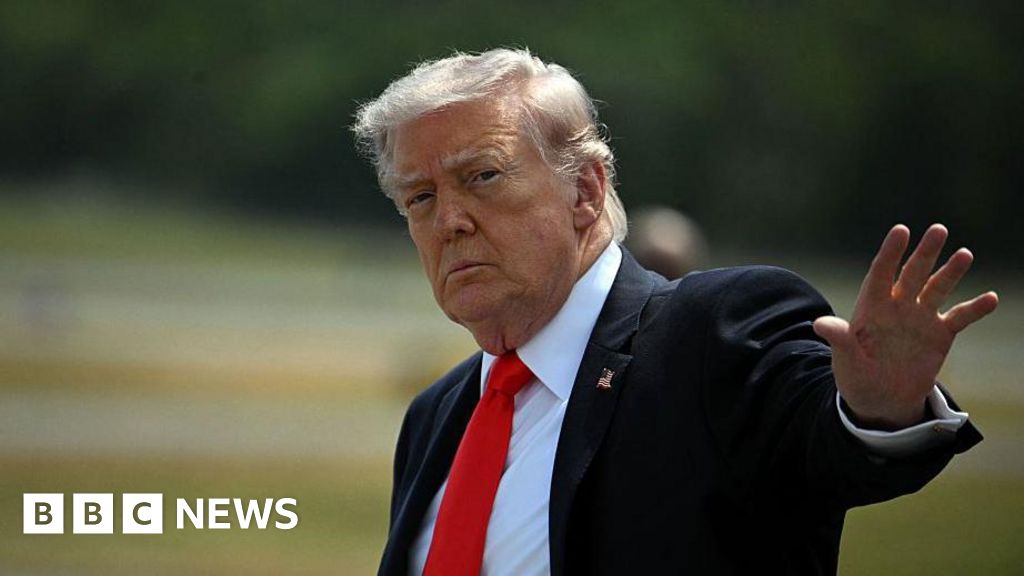
It comes as the US said on Monday it will begin to help “guide” vessels out of the Strait of Hormuz.
Source link


Met Gala 2026 “Costume Art” red carpet pictures from New York City

Tarik Skubal to undergo elbow surgery, sidelining Tigers ace for months ahead of free agency

Jake Paul breaks silence after Olivia Rodrigo’s savage SNL joke

-

 Tech1 week ago
A Brain Implant for Depression Is About to Be Tested in Humans
-

 Tech1 week ago
Almost 90% of women leave tech industry within 10 years | Computer Weekly
-
 Business1 week ago
Pakistan’s oil market is fuelling the crisis | The Express Tribune
-
 Business7 days ago
‘I had £20,000 stolen and had to fight a 13-month fraud reporting rule to get it back’
-

 Sports6 days ago
Pro wrestling star Steph De Lander reveals how colleague’s advice helped lead her to title triumph at ACW
-

 Entertainment1 week ago
Norway joins Type 26 Frigate Programme to boost NATO naval power
-

 Entertainment1 week ago
Melania Trump says ABC should ‘take a stand’ on late-night host Kimmel
-

 Tech7 days ago
This Ambitious Laptop Doesn’t Leave Much Room for Your Hands