

Fashion
H&M enters Brazil with first store and e-commerce launch

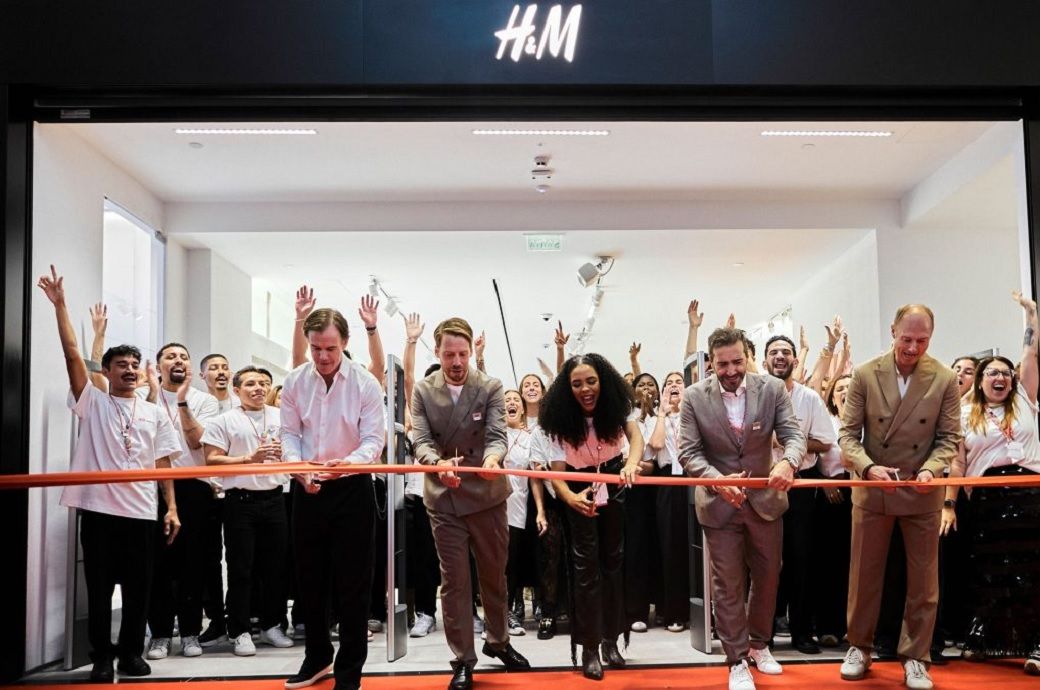
“Launching our first store and online on the same day is a historic moment for H&M, and I’m so excited we have finally arrived. Bringing H&M to Brazil is more than a launch — it’s about building a lasting connection with a country that inspires us. We’re here to celebrate creativity and self-expression, offering fashion and quality at the best price in a sustainable way to our customers in Brazil”. Daniel Erver, CEO, H&M Group.
H&M has officially entered Brazil with the opening of its first store at Shopping Iguatemi in São Paulo and the simultaneous launch of its e-commerce platform.
CEO Daniel Erver called it a historic moment, while local leaders highlighted the warm reception.
The launch marks H&M’s dual physical and digital debut, bringing fashion and sustainability to Brazilian customers.
“The enthusiasm and warm welcome we’ve received from Brazilian customers has been truly inspiring. We are thrilled to finally bring the H&M experience to São Paulo and look forward to connecting with our customers across the country”. Joaquim Pereira, Country Manager, H&M Brazil.
“Opening the doors of our Iguatemi store today was a dream come true. Seeing the excitement on our customers’ faces was unforgettable”. Renata Grima, Store Manager, H&M Iguatemi.
Fibre2Fashion News Desk (RM)










The most traded contract July 2026 settled at 82.20 cents per pound, up 3.00 cent or 3.79 per cent. The contract marked the highest close since late May 2024, indicating strong technical breakout. Cotton futures delivered a robust monthly gain of 17.4 per cent in April 2026, the best monthly rally seen in recent years.
Cotton rally driven by two macro tailwinds, weak dollar and firm crude, boosting export competitiveness and fibre substitution.
Strong US export sales rebound confirms demand resilience after a brief dip.
Technical breakout signals bullish momentum, with multi-year high closing levels.
Stable ICE stocks suggest no near-term supply pressure, supporting upside bias.
Weakness in the US Dollar Index played a crucial role by making US cotton exports more competitive and affordable in international markets. Lower dollar value directly encouraged higher buying interest from importing countries, supporting futures prices.
Crude oil price movement remained a key external driver influencing cotton market dynamics. Despite earlier declines in polyester (synthetic fibre) prices, a rebound in crude oil strengthened cotton’s relative competitiveness against man-made fibres. Higher crude oil prices increase production cost of polyester, thereby shifting demand preference towards cotton.
Market analysts emphasised that both crude oil linkage and weaker dollar provided dual support to cotton prices. Macro-driven buying interest has significantly improved overall market tone.
Geopolitical tensions, particularly risks of escalation in the Middle East, created volatility in global commodity markets. Due to these tensions, crude oil prices briefly spiked to around $126 per barrel, reaching a four-month high before easing slightly.
USDA weekly export sales report released on Thursday reflected strong recovery in demand fundamentals. For the week ending April 23, US net upland cotton export sales were reported at 162,870 bales which represents a sharp increase of 36 per cent compared to the previous week, signalling renewed buying activity.
Analysts said that the previous week’s weak export performance was temporary and not indicative of underlying demand weakness. The latest strong export data provided fresh bullish momentum and reinforced confidence among market participants.
ICE certified cotton stocks data showed total inventories at 165,681 bales as of April 29. Stable certified stock levels indicated no immediate supply pressure on the market.
Overall market direction remained bullish, supported by a combination of macroeconomic factors, improved export demand, and positive technical momentum in futures prices.
This morning (Indian Standard Time), ICE cotton for July 2026 was traded at 83.20 cents per pound (up 1.00 cent), cash cotton at 79.20 cents (up 3.00 cent), the May 2026 contract at 79.86 cents (up 3.00 cent), the October 2026 contract at 84.16 cents (up 0.91 cent), the December 2026 at 83.47 cents (up 0.60 cent) and the March 2027 contract at 84.25 cents (up 0.56 cent)). A few contracts remained at their previous closing levels, with no trading recorded so far today.
Fibre2Fashion News Desk (KUL)

The legislation (HR 4930) aims at strengthening US Customs and Border Protection’s (CBP) ability to share information with stakeholders during enforcement of American intellectual property (IP) rights at the border.
The American Apparel & Footwear Association has urged the US House of Representatives to pass a key anti-counterfeiting measure that is scheduled to be considered this week.
The legislation (HR 4930) aims at strengthening US Customs and Border Protection’s ability to share information with stakeholders during enforcement of American intellectual property rights at the border.
When enacted, this provision will enable brands to help CBP curb counterfeits before they enter American homes, according to a release from AAFA.
HR 4930 clarifies CBP’s ability to share information with brands, not only from products and packaging, but also from packing materials connected to suspected counterfeit shipments.
It also expands the definition of who qualifies as a ‘person’ eligible to receive information from CBP, allowing the agency to address longstanding challenges to the enforcement of IP rights by strengthening information shared with stakeholders in IP enforcement.
By widening both the scope of information and the pool of partners, the legislation aims at breaking down information silos, improve enforcement efficiency and better support efforts to identify and block counterfeit items, AAFA said.
“Stopping these unsafe counterfeits at the border, preventing them from polluting third party marketplaces, and, ultimately, keeping them out of American homes should be a bipartisan, bicameral priority. We hope the Senate will take up this measure if it passes the House so it can quickly be presented to the President for his signature,” remarked Stephen Lamar, AAFA’s president and chief executive officer.
In recognition of World IP Day on April 26, AAFA led a letter with almost two dozen consumer, retail and manufacturing groups to US Secretary of Commerce Howard Lutnick and Under Secretary of Commerce for Intellectual Property and United States Patent and Trademark Office director John A Squires to tout the economic importance of protecting IP, encourage the continuance of leading multilateral discussions on intellectual property and grow stakeholder capacity-building opportunities.
Fibre2Fashion News Desk (DS)
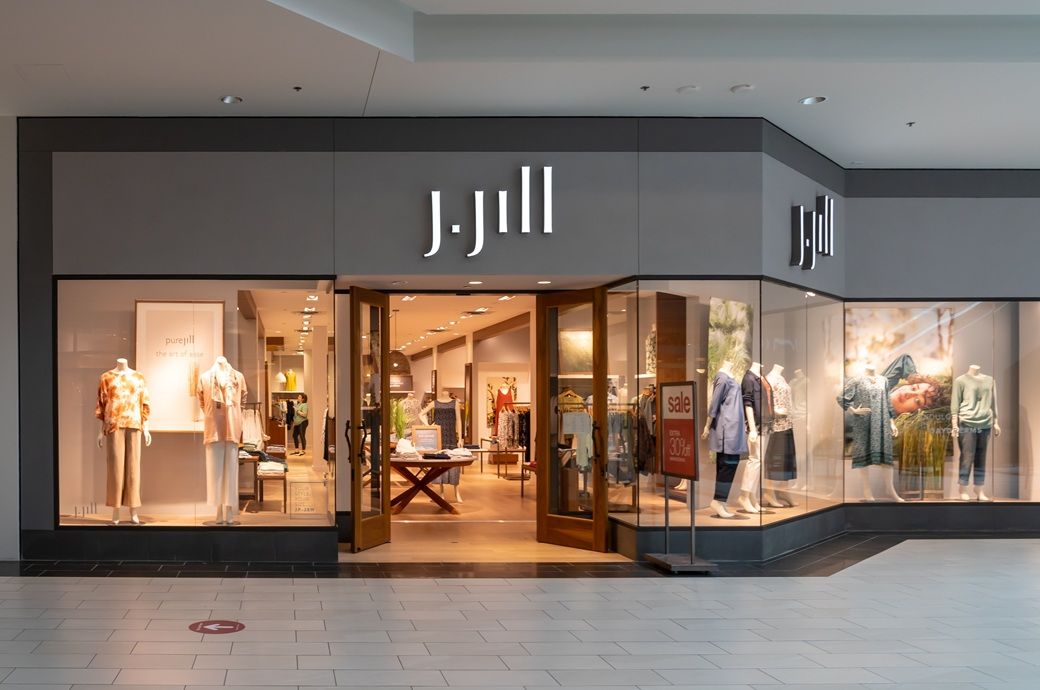
With this appointment, J.Jill strengthens its marketing leadership structure, bringing brand, creative and marketing together under an executive leader with deep marketing experience as part of the company’s strategy to expand its customer base and drive long-term growth. Ms. Wallengren will report directly to CEO and President Mary Ellen Coyne.
J.Jill, Inc. has appointed Kimberly Wallengren as senior vice president and chief marketing officer, effective April 27, 2026.
A former VP of Marketing for North America at Coach, she will oversee brand, creative and marketing functions, focusing on brand positioning, customer acquisition and consumer engagement to support J.Jill’s long-term growth strategy under CEO Mary Ellen Coyne.
“We’re excited to welcome Kimberly to J.Jill as we focus on expanding brand awareness and growing our customer file,” said Mary Ellen Coyne, CEO and President of J.Jill. “Kimberly brings a strong track record of leading marketing strategies that have attracted new audiences and strengthened engagement with existing customers. She has a deep understanding of today’s consumer and a proven ability to translate these insights into impactful campaigns and more effective ways to reach and engage customers, which will be critical as we look to our next phase of growth.”
Ms. Wallengren, who has extensive experience developing and growing global brands, is a Coach veteran, most recently serving as VP of Marketing for North America. At Coach, she defined the marketing strategy for North America and played a key role in expanding the brand’s customer base by evolving its positioning to resonate with a broader, more diverse audience, all while maintaining strong engagement with its core customer. She also led notable initiatives across partnerships and digital platforms, including a first-of-its-kind partnership between a luxury fashion brand and the Women’s National Basketball Association and campaigns within gaming environments such as The Sims 4 and Roblox. During her tenure, Coach was consistently recognized among the top brands on the Lyst Index, a quarterly ranking of fashion’s hottest brands and products complied by the fashion shopping platform Lyst.
Prior to joining Coach, Ms. Wallengren served as Head of Marketing for American Eagle’s AE77 sustainable premium denim brand, leading business and marketing strategy as well as customer acquisition and retention efforts. She previously held leadership roles at adidas and New Balance, where she led marketing campaigns, developed global strategies, and built consumer engagement to drive profitability. She holds a BS, cum laude, in Psychology and Biology from Boston College.
“I’m thrilled to join J.Jill at such an exciting time for the company,” said Kimberly Wallengren, SVP, CMO, J.Jill. “This brand has a strong foundation and a clear opportunity to connect with both existing and new customers in meaningful ways. I look forward to working closely with Mary Ellen and the team to build momentum and create experiences that inspire customers wherever they engage with us.”
Note: The headline, insights, and image of this press release may have been refined by the Fibre2Fashion staff; the rest of the content remains unchanged.
Fibre2Fashion News Desk (RM)


Germany urges stronger European defence after US reduces troops

ICE cotton witnesses sharp rise on weaker dollar, strong exports

Palace drops Princess Charlotte unseen photo for 11th birthday

-
 Business1 week ago
France Ends Airport Transit Visa Requirement for Indian Travellers | Business – The Times of India
-

 Tech1 week ago
They Wanted to Join Raya. They’ve Been on the Waiting List for Years
-

 Tech5 days ago
A Brain Implant for Depression Is About to Be Tested in Humans
-

 Entertainment1 week ago
Anne Hathaway makes shocking confession about Taylor Swift’s music
-

 Tech5 days ago
Almost 90% of women leave tech industry within 10 years | Computer Weekly
-

 Tech1 week ago
Why Do I Like Dyson’s PencilVac So Much?
-

 Sports1 week ago
US says Iran can play in Fifa World Cup but IRGC-linked individuals won’t be allowed
-

 Tech1 week ago
US Special Forces Soldier Arrested for Polymarket Bets on Maduro Raid