

Business
How Costly A House Should You Buy & How Much EMI Is Best? The 5-20-3-40 Formula Will Guide You


For most people, the dream of buying a house goes hand in hand with the fear of overwhelming debt. Home loans may have made ownership easier, but many buyers still struggle with questions of affordability: How expensive should the house be? How much down payment is enough? How big should the loan be? To answer this, financial experts point to a simple but effective calculation: the 5-20-3-40 formula. (News18 Hindi)
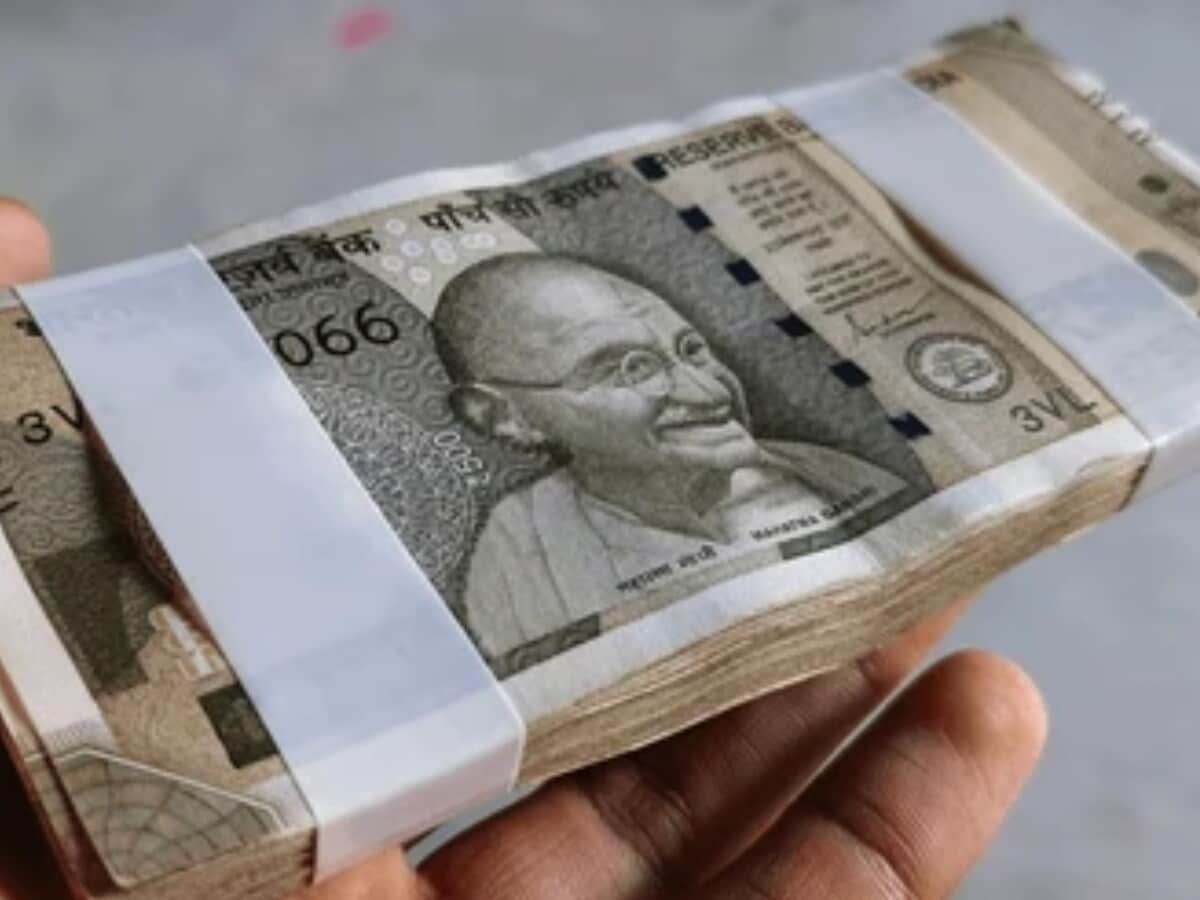
This four-part rule lays out the balance between income, down payment, loan amount, and monthly installments in clear terms. It begins with the 5 percent cushion, which suggests that a buyer should always keep at least five percent of the property’s value in cash. On a Rs 50 lakh house, that comes to Rs 2.5 lakh readily available to manage initial costs or emergencies. (News18 Hindi)
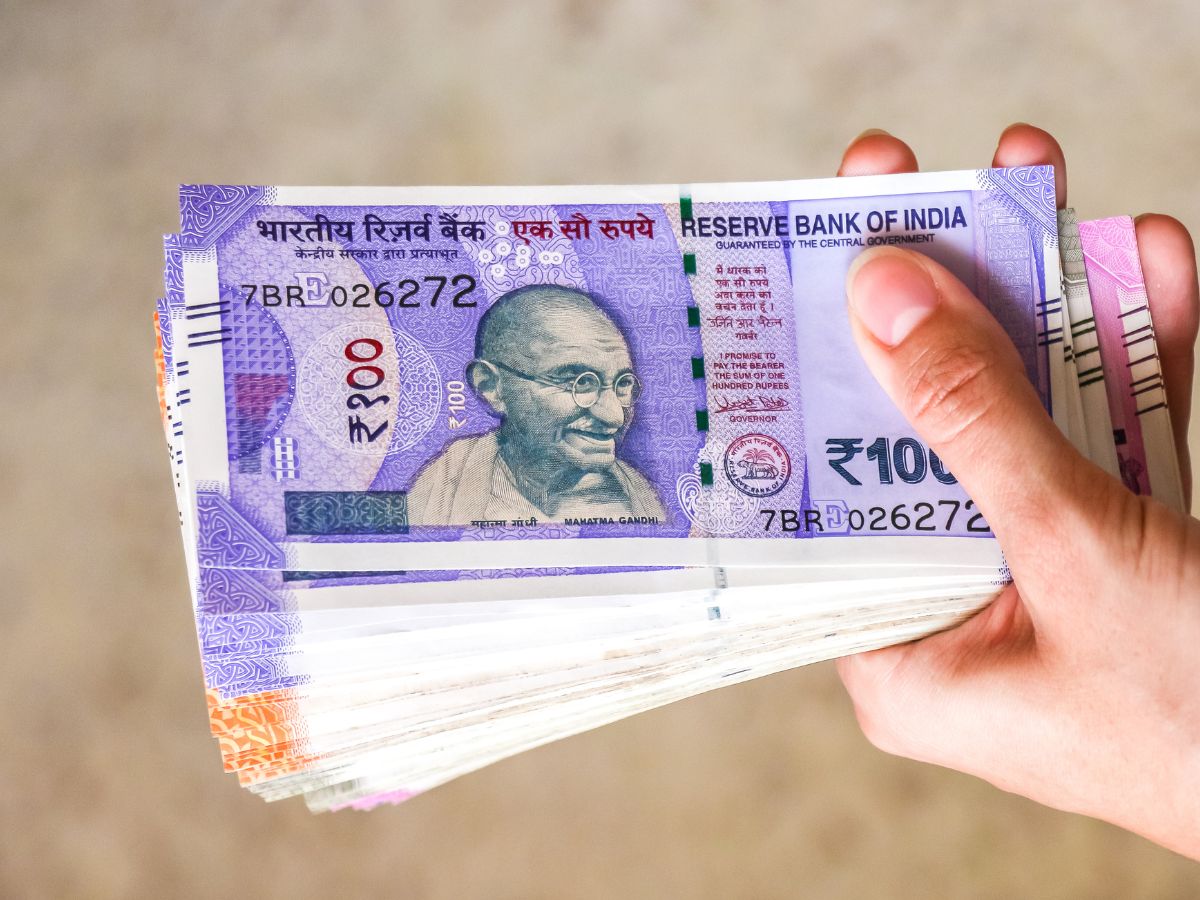
The second component is the 20 percent principle, which emphasises that a buyer should ideally cover one-fifth of the home’s cost upfront, keeping the loan capped at 80 percent of the property’s price. Financial planners say this step is crucial because it reduces the interest burden and shortens the repayment period. (News18 Hindi)

The third measure, known as the 3X rule, links the value of the house to the buyer’s income. The advice is straightforward: never buy a house priced at more than three times your annual earnings. So, someone making Rs 15 lakh a year would be safe purchasing a home worth Rs 45 lakh, but stretching beyond that amount risks straining long-term finances. (News18 Hindi)

Finally comes the 40 percent ceiling, which applies to EMIs. The formula warns against committing more than 40 percent of monthly income to loan repayment. For a buyer earning Rs 1 lakh a month, the EMI should not exceed Rs 40,000. Staying within this limit ensures there is still room to manage daily expenses, savings, and unexpected costs. (News18 Hindi)

Taken together, the formula provides a realistic picture of what a person can afford. Consider an example: a professional earning Rs 15 lakh annually wishes to buy a house worth Rs 45 lakh. According to the formula, they should have Rs 2.25 lakh in cash for the initial cushion, make a down payment of Rs 9 lakh, borrow no more than Rs 36 lakh, and limit their EMI to around Rs 30,000 a month. In this case, the purchase falls comfortably within all the recommended limits, leaving the buyer financially secure while pursuing home ownership. (News18 Hindi)

Experts stress, however, that while the 5-20-3-40 formula offers a valuable framework, it should not be treated as an unbreakable law. Each household has its own financial realities, whether that includes children’s education, health care needs, or investment goals. The formula is best used as a guide, a way to set boundaries that prevent overextension, while still allowing flexibility depending on individual circumstances. (News18 Hindi)


One petrol retailer says he is experiencing about five drive-offs a week at each forecourt, costing him thousands.
Source link
Business
Billions to be paid! US starts refund process for Trump tariffs: Can Indian exporters claim? – The Times of India
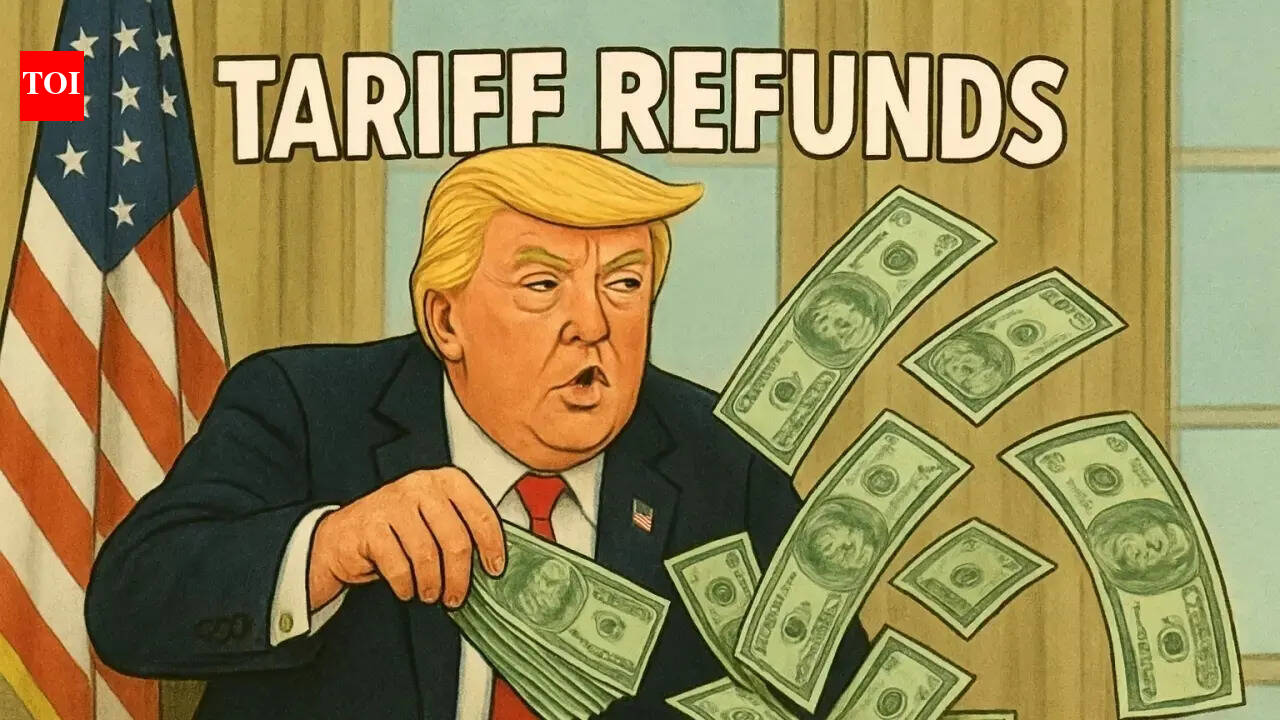
The US government has rolled out a system to facilitate refunds of over $166 billion from tariffs introduced by Donald Trump and later invalidated by the US Supreme Court. In February, the court struck down a broad set of reciprocal tariffs, delivering a significant setback to a central pillar of Trump’s economic agenda and paving the way for repayments.On Monday, US Customs and Border Protection announced that the first phase of its refund-processing platform is now operational, allowing importers and customs brokers to begin filing claims to recover the duties they had paid.The agency had earlier estimated in March that more than 330,000 importers may qualify for reimbursements on duties or deposits linked to over 53 million shipments. In its initial rollout, the platform covers about $127 billion in duty payments eligible for electronic refunds.
Tariff refunds What US Customs and Border Protection has said
The process to return reciprocal tariff payments starts on April 20 through a newly launched online platform, CAPE (Consolidated Administration and Processing of Entries), operated by US Customs and Border Protection.This move follows a February 20, 2026 judgment by the US Supreme Court, which ruled that tariffs introduced by Donald Trump were unlawful. The court found that these duties had been imposed under the International Emergency Economic Powers Act without adequate legal backing.Also Read | Iran has closed Strait of Hormuz completely: What does this mean for India’s crude oil, LPG, LNG supplies?The tariffs impacted a wide range of exports from countries including India. To receive repayments, importers in the US are required to submit claims which include shipment details, applicable tariff classifications and proof of payment. Once approved, these refunds along with interest are expected to be processed within 60 to 90 days. Eligibility is limited to those who originally paid the tariffs, primarily US importers and businesses.The total amount to be refunded is estimated at around $166 billion, with nearly $12 billion tied to Indian goods.The tariff structure began at 10% on April 2, 2025, before escalating quickly. Duties on Indian goods increased to 25% by August 7, 2025, and further to 50% by August 28, remaining at that level until early February 2026. On February 6, 2026, rates were lowered to 18% following negotiations. However, the Supreme Court’s ruling later that month nullified the entire regime, effectively rendering the tariffs void and paving the way for refunds.
What it means for India
Exporters and end consumers are not permitted to file claims directly, although some companies, such as FedEx, may opt to pass on the refunded amounts at their discretion.According to Global Trade Research Initiative (GTRI), around 53% of India’s shipments to the US, which largely comprises textiles and apparel, were subject to higher tariffs. This makes them the largest contributors to the refund pool. Of the nearly $12 billion tied to Indian exports, textiles and apparel are estimated to account for around $4 billion, followed by engineering goods with a similar share and chemicals contributing about $2 billion, while other sectors make up the remainder.However, what is important to understand is that these refunds will not flow directly to Indian exporters. The payments are meant only for US importers who bore the tariff burden.Also Read | Explained: On way to 4th largest, how India slipped to 6th rank & what it means for 3rd largest economy dream“Payments go only to US importers, and exporters have no legal right to claim them. Indian exporters, therefore, have no direct legal route to claim refunds,” explains Ajay Srivastava, founder of GTRI.Hence, any potential recovery of these refunds will depend on commercial discussions. Exporters will need to actively engage with their US counterparts to negotiate a share of the refunded duties, particularly in cases where earlier pricing factored in tariff costs. GTRI explains that this can be done by reopening contracts, adding rebate-sharing clauses, asking for price revisions or credit notes, and using invoices and tariff data to show how costs were absorbed. “Exporters with stronger bargaining power, especially in textiles and engineering goods, may secure better terms in future orders,” the think tank says.Industry bodies such as the Apparel Export Promotion Council, Engineering Export Promotion Council of India and Chemexcil can also assist exporters with guidance on contract renegotiation and sector-specific approaches, it adds.

John Ternus will take over running the technology giant as Cook steps up to become executive chairman.
Source link

Spike in petrol thefts after Iran war pushed up fuel prices

War-linked energy shock pushing inflation higher in Europe: IMF expert

Scam messages offering ships safe transit through Hormuz, warns security firm

-

 Fashion5 days ago
France’s LVMH Q1 revenue falls 6%, shows resilience amid Iran war
-

 Sports1 week ago
The case for Man United’s Fernandes as Premier League’s best
-

 Entertainment1 week ago
Palace left in shock as Prince William cancels grand ceremony
-
 Business1 week ago
UK could adopt EU single market rules under new legislation
-

 Entertainment6 days ago
Is Claude down? Here’s why users are seeing errors
-

 Fashion1 week ago
Energy emerges as biggest cost driver in textile margins
-
 Business1 week ago
Delta Air Lines unveils first new Delta One suite in premium cabin arms race
-

 Tech1 week ago
A Lot of Shops Won’t Fix Electric Bikes. Here’s Why