

Business
“India Will Not Only Meet But Possibly Exceed IMFs Estimates,” Says Union Minister Piyush On India’s Booming GDP


New Delhi: Union Minister of Commerce & Industry, Piyush Goyal highlighted on Wednesday the International Monetary Fund’s (IMF) recent revision of India’s growth estimate, which increased from 6.4% to 6.6% for this year, stating that this upward revision is an indication to India’s strengthened economy, driven by increased consumer spending, accelerated investment in infrastructure, and a confident business atmosphere.
He also attributed the growth to the government’s proactive measures, including reduced GST rates, which have led to increased consumer spending and GST collection. Goyal futher showed optimism, stating that with a 7.8% GDP growth in the first quarter, India is set not only to meet but possibly exceed the IMF’s estimates, firming its position as one of the world’s fastest-growing economies.
While speaking to reporters outside the Indian Chemicals and Petrochemical Conclave 2025 held at Bharat Mandapam, Goyal said, “The International Monetary Fund (IMF) has recently revised its growth estimates for India, increasing the projected growth rate from 6.4% to 6.6% for this year. This reflects India’s strengthened economy, the country’s confident atmosphere, increased consumer spending due to reduced GST rates, and accelerated investment in infrastructure. While global growth is expected to weaken to 3.2% this year, India’s growth is nearly double that rate. The first quarter saw a 7.8% GDP growth rate, and it is anticipated that India will not only meet but possibly exceed the IMF’s estimates, continuing to be one of the world’s fastest-growing economies. PM Modi’s vision for a developed India by 2047 seems promising.”
Goyal also highlighted the recent surge in GST collection in September, following the rate cuts, and attributed it to Prime Minister Modi’s vision for a developed India by 2047.
“Despite initial concerns about reduced spending and GST collection in August due to anticipated GST rate cuts, September saw increased GST collection, and the market witnessed a surge in consumer spending post the rate cuts. PM Modi has gifted the Indian consumers, especially the lower and middle classes, with these economic benefits.” Goyal added.
On Wednesday, Minister Goyal addressed the distinguished captains of industry at the Indian Chemicals and Petrochemical Conclave 2025 held at Bharat Mandapam, New Delhi, emphasising India’s pathway to global leadership through innovation, technology, and competitiveness.
Applauding the sector’s vital role in nation-building, Goyal said that the chemicals and petrochemicals industry is “omnipresent in every facet of modern life, from agriculture to automobiles, healthcare to infrastructure and must be at the forefront of developing cutting-edge solutions that power India’s growth.”
Reflecting on India’s vision for Viksit Bharat @2047, the Minister called upon industry leaders to set ambitious goals, urging the sector to aspire to become a USD 1 trillion industry by 2040, thereby contributing significantly to India’s target of a USD 35 trillion economy by 2047.
“Our biggest challenge as a nation is that we often don’t aim big enough,” Goyal said. “Innovation, science, and research must be the backbone of India’s progress. The chemicals and petrochemicals sector has the potential to be a global champion in technology-driven growth and sustainability.”
He noted that advanced nations have achieved prosperity through long-term investments in research and development, and India must similarly anchor its growth in innovation. Goyal highlighted that even oil-rich nations are diversifying into renewable energy and clean technologies, recognising that the future belongs to value-added, sustainable industries.
Acknowledging the industry’s strategic importance to the economy, he emphasised collaboration across the value chain and the need for greater self-reliance in critical materials, while also integrating with global markets to enhance competitiveness.
“We must support each other within our value chains, strengthen domestic capabilities, and at the same time, engage confidently with the world,” the Minister added. “A vibrant, innovative chemicals and petrochemicals sector will be central to India’s journey toward becoming a developed economy.”
CII s report on “People Powering Progress: Building India’s Chemical Workforce for a USD 1 Trillion Industry” was released during the Special Plenary Session with Piyush Goyal, Hon’ble Minister of Commerce and Industry, at the 7th edition of Indian Chemicals and Petrochemicals Conference 2025.
The report captures insights on the transformative potential of India’s chemical industry with projections to reach USD 400-450 billion by 2030 and potentially USD 850-1,000 billion by 2040, driven by global supply chain dynamics, domestic demand, and technological advancements. The sector, contributing 7% to India’s GDP and 14% of industrial output, serves as a catalyst for growth across a wide range of sectors.
R Mukundan, President Designate, CII; Chairman, CII National Committee on Chemicals and Petrochemicals; and Managing Director & CEO, Tata Chemicals Ltd., underlined the role of trade and technology partnerships in shaping the sector’s global positioning.
Opportunities opened through Free Trade Agreements (FTAs) enable the strengthening of the ecosystem for R&D, technology partnerships, and trade linkages. These efforts foster customer development and position the chemical industry as a resilient, future-ready global player. Collaboration and partnerships in research and technology will power India’s next leap, strengthening our ecosystem for R&D and global collaboration to make India a chemical manufacturing powerhouse.
Salil Singhal, Chairman of the CII Indian Chemicals and Petrochemicals Conference, Member of the SCALE Committee, and Chairman Emeritus of PI Industries, welcomed recent policy reforms that support the industry. The unveiling of the HSN Code Mapping Guidebook, along with simplified regulatory pathways, strengthened credentials, and empowered MSMEs, marks a landmark reform.
These initiatives bring clarity, precision, and responsiveness to policy frameworks, creating opportunities for meaningful participation in India’s growth story, particularly in the chemical sector.
Chandrajit Banerjee, Director General, CII, highlighted the critical role of government initiatives in strengthening the sector’s competitiveness. The chemical sector’s significant contribution to manufacturing is widely recognised. Within the broad spectrum of Make in India, initiatives such as the Production Linked Incentive (PLI) scheme, PM Gati Shakti, and the National Logistics Policy have played a crucial role in integrating the chemicals and petrochemicals industry into India’s broader manufacturing ecosystem.









Business
UAE stock markets close, trading halted by Abu Dhabi Securities Exchange and the Dubai Financial Market for two days amid Iran–US–Israel war fallout – The Times of India
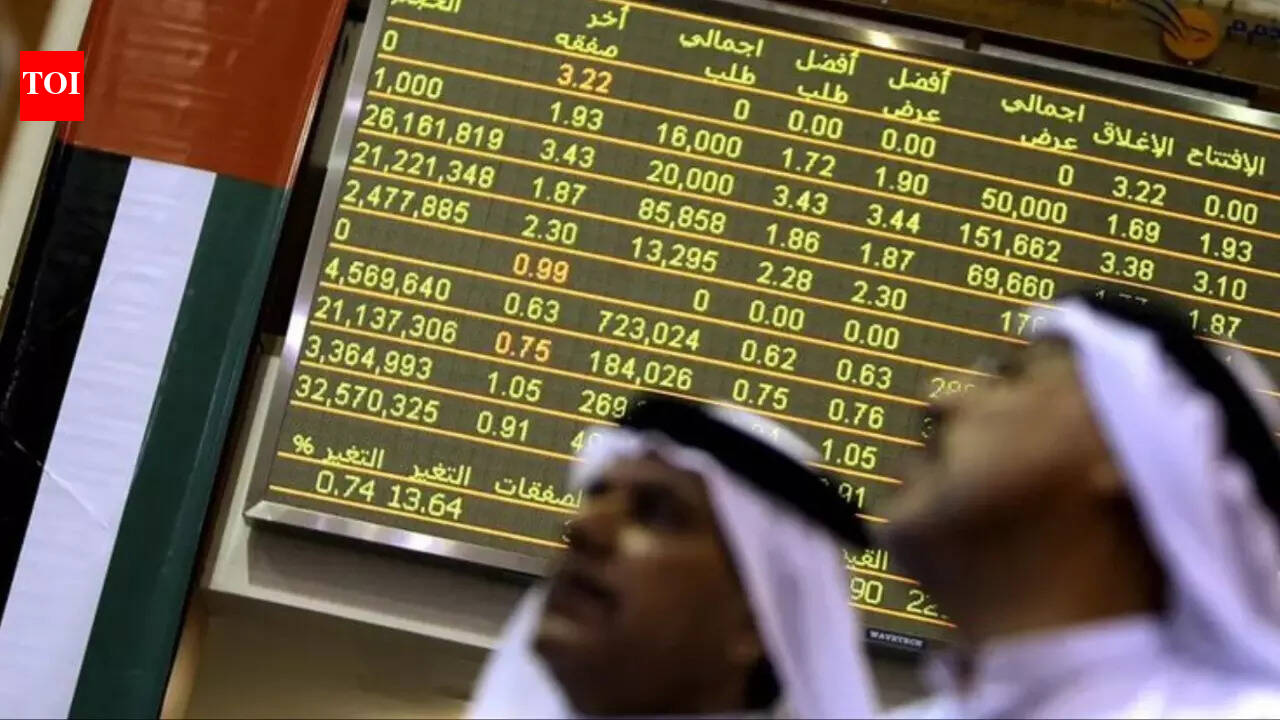
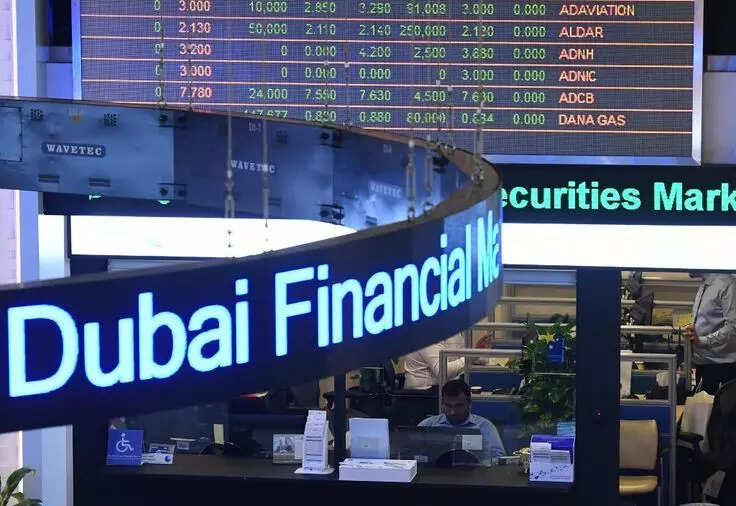
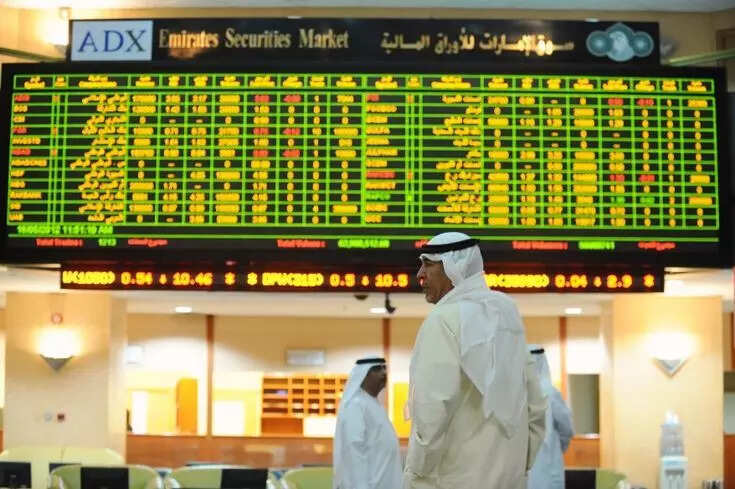
In an unprecedented economic response to escalating regional conflict, the United Arab Emirates has announced that its two major financial markets, the Abu Dhabi Securities Exchange (ADX) and the Dubai Financial Market (DFM), will remain closed on Monday, March 2 and Tuesday, March 3, 2026. The decision comes as the UAE reels from a series of retaliatory Iranian strikes following coordinated US and Israeli military actions against Iran, which have destabilised Gulf business sentiment and prompted sweeping security and economic precautions.The UAE Capital Markets Authority said that keeping the exchanges closed temporarily is part of its supervisory and regulatory mandate, providing authorities and market participants time to assess the impact of recent events on financial infrastructure and investor confidence. The halt affects equities, derivatives and trading in hundreds of billions of dollars in listed assets and is among the clearest signs yet of economic shockwaves from the regional crisis.
Why UAE stock markets are paused: Regional conflict among Iran–US–Israel disrupts confidence
The closures follow Iran’s retaliatory missile and drone strikes on Gulf cities and strategic targets, including airports and other infrastructure, after a joint US–Israel offensive. These attacks have not only led to safety measures such as airspace restrictions and travel advisories but also triggered widespread business disruption across the Gulf. Major airports in Dubai and Abu Dhabi have seen operations halted or altered and commercial hubs from ports to retail centres have felt the strain.
UAE Markets Shut Down: Is This Economic Capitulation to Regional War?
Financial markets are typically among the first economic indicators affected by geopolitical instability. When investors fear prolonged unrest, they often pull funds from equities and seek so-called “safe-haven” assets like gold, sovereign debt or commodities such as oil, especially when conflict threatens critical energy supply corridors like the Strait of Hormuz.
Regional market turmoil and knock-on effects in the Middle East amid Iran–US–Israel clashes
While the UAE exchanges are closed, other Gulf markets that remained open on Sunday experienced significant sell-offs as investors reacted to the turmoil:
- Saudi Arabia’s benchmark index saw sharp drops before partially recovering as investors weighed conflict risks against energy price gains.
- Muscat and other regional bourses also slid, reflecting broader risk-off sentiment.
- In Kuwait, authorities took the rare step of suspending trading indefinitely due to “exceptional circumstances” linked to the same regional tensions.
Financial markets are serving as a barometer of risk and economic confidence and the dramatic moves across the Gulf underscore how intertwined political stability is with economic performance in the region.
What the UAE’s stock market closure means for investors
For both domestic and international investors, the temporary shutdown of ADX and DFM has several implications. Liquidity and price discovery are paused, leaving billions of dollars in listed assets in limbo. Risk premiums on Gulf assets may rise, as traders reassess exposure during periods of heightened uncertainty. Investor sentiment is likely to remain fragile until there are visible signs of de-escalation or credible diplomatic resolutions.Economists note that halting trading does not eliminate market pressure, it simply delays it and when markets do reopen, there may be sharp moves as investors recalibrate positions based on new geopolitical and economic realities. The conflict has not just shaken stock markets, energy markets have also reacted. Reports from analysts indicate that crude oil prices have surged as fears of supply disruptions increase, with the Strait of Hormuz, a crucial passage for roughly 20% of global oil exports, under theoretical threat of closure.
UAE Stock Markets Closed: What Does This Mean for Global Investors Amidst Escalating Conflict?
Higher oil prices can partially offset stock market pain in energy-exporting economies like the UAE but the overall economic impact remains complex. Other sectors, from tourism and hospitality to trade and logistics, have also felt immediate fallout: airport shutdowns have stranded travellers and corporate events and networking key to Ramadan business cycles have been postponed, compounding uncertainty.
UAE government messaging and future prospects
UAE authorities have stressed that public and economic safety remain top priorities. The temporary market closure is coupled with broad advisories across transportation, education and public services, such as airports issuing travel advisories and schools moving to remote learning, aimed at ensuring operational stability while the situation evolves. Officials have pledged to monitor conditions closely and communicate updates on any further market action. This includes potential rescheduling of reopening dates for ADX and DFM or additional measures to support investors once trading resumes.The UAE Capital Markets Authority ordered a two-day closure of the Abu Dhabi and Dubai stock markets on March 2–3, 2026, in response to escalating regional tensions. The pause follows retaliatory strikes by Iran after US and Israeli military action, which have disrupted markets, air travel and business operations across the Gulf. Gulf markets that remained open experienced sharp declines and volatility, reflecting investor risk aversion. Oil prices and safe-haven assets have climbed as geopolitical risk fuels global economic uncertainty. Authorities will continue to assess and communicate market developments as conditions evolve.
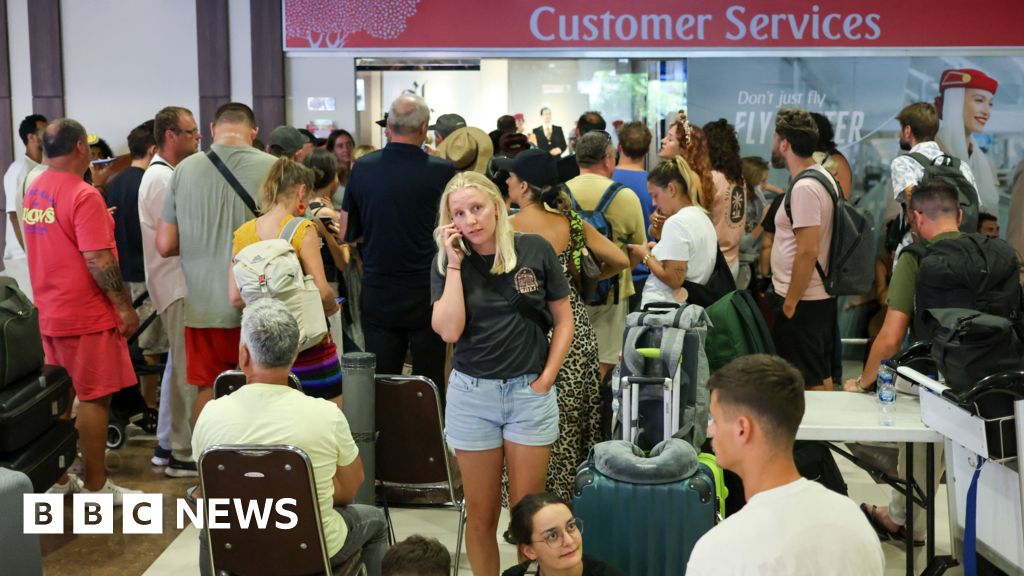
BA and Virgin Atlantic are among major airlines to ground services to the Middle East in light of the attacks.
Source link

International shipping is said to have come to a standstill at the strait’s entrance, with fears of disruption already pushing up global oil prices.
Source link


Lenovo’s Latest Wacky Concepts Include a Laptop With a Built-In Portable Monitor

USA vs. Argentina (Mar 1, 2026) Live Score – ESPN

Shia LaBeouf battles addiction amid public and legal pressure

Eye-popping rise in one year: Betting on just gold and silver for long-term wealth creation? Think again! – The Times of India

Pakistan carries out precision strikes on seven militant hideouts in Afghanistan

The Supreme Court’s Tariff Ruling Won’t Bring Car Prices Back to Earth

-
Business1 week ago
Eye-popping rise in one year: Betting on just gold and silver for long-term wealth creation? Think again! – The Times of India
-
 Politics1 week ago
Pakistan carries out precision strikes on seven militant hideouts in Afghanistan
-

 Sports1 week ago
Kansas’ Darryn Peterson misses most of 2nd half with cramping
-
 Tech1 week ago
The Supreme Court’s Tariff Ruling Won’t Bring Car Prices Back to Earth
-

 Tech1 week ago
These Cheap Noise-Cancelling Sony Headphones Are Even Cheaper Right Now
-

 Entertainment1 week ago
Saturday Sessions: Say She She performs "Under the Sun"
-

 Sports1 week ago
How James Milner broke Premier League’s appearances record
-

 Entertainment1 week ago
Viral monkey Punch makes IKEA toy global sensation: Here’s what it costs