

Fashion
Indian apparel industry urges urgent govt support

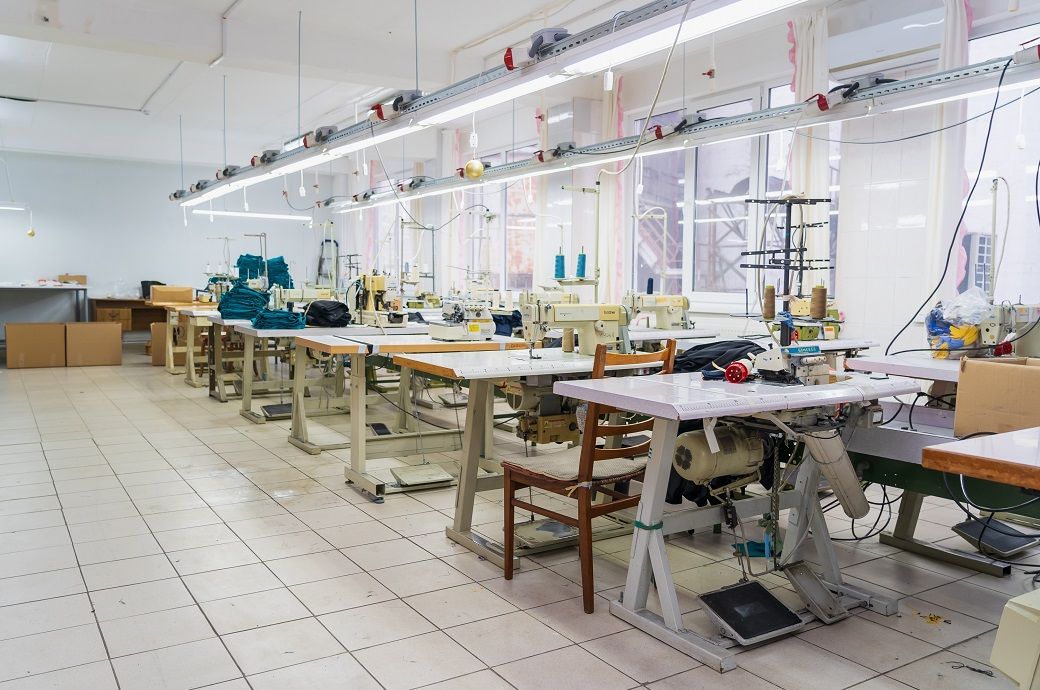
The Apparel Export Promotion Council (AEPC) said the industry had reconciled to a 25 per cent reciprocal tariff but the further burden would make Indian exports uncompetitive. “The additional 25 per cent will close the US market for Indian apparel. Exporters will now face a tariff differential of 30–31 per cent against major competing nations,” AEPC Secretary General Mithileshwar Thakur told Fibre2Fashion. He urged immediate fiscal support until a bilateral trade agreement can be reached.
India’s apparel industry warns of an existential crisis as US tariffs on exports will soar to above 50 per cent from August 27, 2025.
Exporters face a tariff gap of over 30 per cent against competitors, risking three million jobs and 20,000 factories.
Industry leaders urge urgent fiscal support and stronger diplomatic engagement until a bilateral trade pact is secured.
Jasveen Kaur, Senior Director of Merchandising at New Times Group, described the tariff shock as “seismic,” saying nearly 25 per cent of Tiruppur’s US-bound knitwear orders have already been paused or cancelled. “This is not about two per cent of GDP—it is about millions of jobs and the survival of entire communities,” she said, adding that exporters are slashing prices to keep shipments moving as US buyers renegotiate or withdraw.
Industry estimates suggest around three million jobs and 20,000 factories are at risk. While some exporters are exploring joint ventures in Bangladesh, Sri Lanka, and Southeast Asia, Kaur noted that diversifying markets and securing new buyers could take more than a year. “We need decisive government action and stronger diplomatic engagement with the US,” she appealed.
Sanjay K Jain, Chairman of the ICC National Textiles Committee and MD of TT Ltd, echoed these concerns. “The industry is at a standstill, and 50 per cent of orders (for export to the US) will likely be cancelled. The rest can only be retained if exporters absorb losses. The impact of such super-high tariffs will be terrible and felt across the entire value chain,” he warned.
While the government’s recent move to waive the 11 per cent cotton import duty was welcomed, industry players said it offers little relief against the tariff shock. Exporters are focusing on cost optimisation, targeting a 15–20 per cent reset, but say sustained government support is vital to prevent large-scale disruption in India’s apparel sector.
Fibre2Fashion News Desk (KUL)











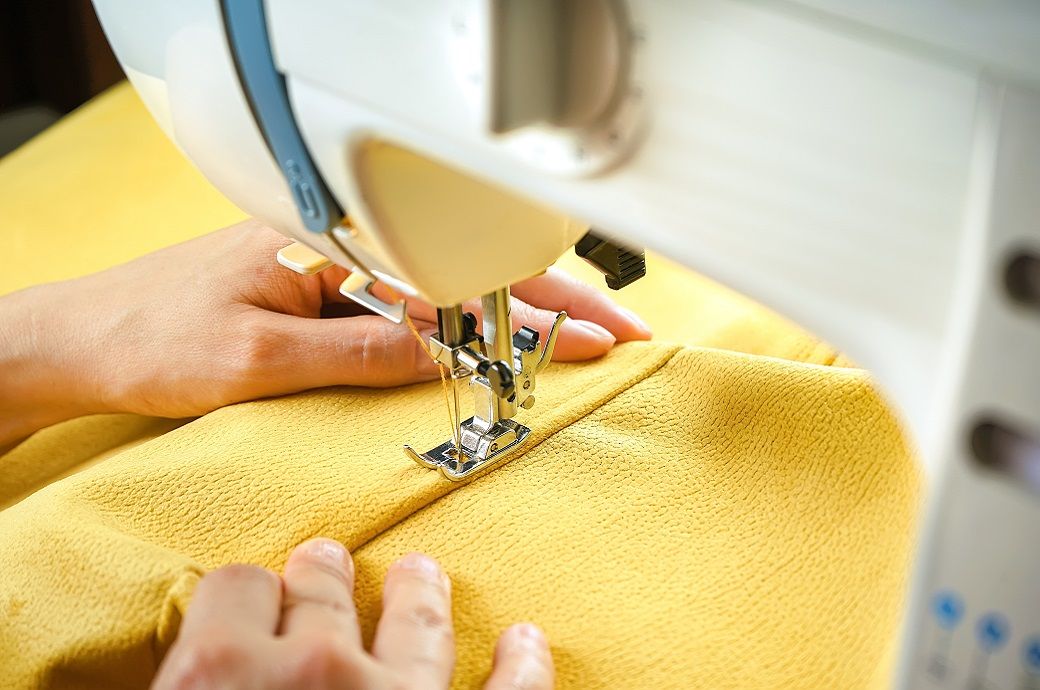
The report, ‘Breaking Point: Heat and the Garment Floor’, by Tata Institute of Social Sciences and HeatWatch, documents widespread heat stress and major gaps in workplace protections across factories in Tamil Nadu, Delhi-NCR and Gujarat. Based on surveys of 115 workers and 47 in-depth interviews, along with factory case studies, the study highlights how extreme heat combines with production pressure and gendered workplace dynamics to intensify risks.
Severe heat stress and weak protections plagued India’s garment factories, employing 45 million people, mostly women, a new report found.
It urged legal recognition of heat stress as an occupational risk, stronger labour rights, enforceable safety standards and infrastructure upgrades such as ventilation, cooling and medical access to protect workers’ health, productivity and incomes.
Survey findings reveal limited access to basic protections. Over 36 per cent of workers reported irregular or unclean drinking water, 78 per cent struggled to access toilets, and 80 per cent said their workstations lacked air movement. Nearly 88 per cent felt completely drained during peak summer months, while 87 per cent reported heat-related ailments such as headaches, dizziness and muscle cramps in the past year.
Women workers reported acute impacts, with 96.8 per cent experiencing burning sensations during urination and 92.6 per cent reporting menstrual disruptions linked to heat and production pressure.
Factory assessments across 15 surveyed units across different states showed 60 per cent lacked on-site medical facilities, 73.3 per cent had metal or asbestos roofs, and nearly half did not monitor temperature or humidity. In some cases, monitoring devices were installed only during buyer inspections.
The report warns that extreme heat is not merely seasonal discomfort but a structural labour and public health issue. It calls for legal recognition of heat stress as an occupational disease, expanded social protection, mandatory work-rest cycles, infrastructure upgrades and stronger worker participation in safety decisions.
With India projected to lose 35 million jobs and 4.5 per cent of GDP by 2030 due to heat stress, the study urges urgent structural reforms to protect one of the country’s largest employment sectors.
Fibre2Fashion News Desk (CG)
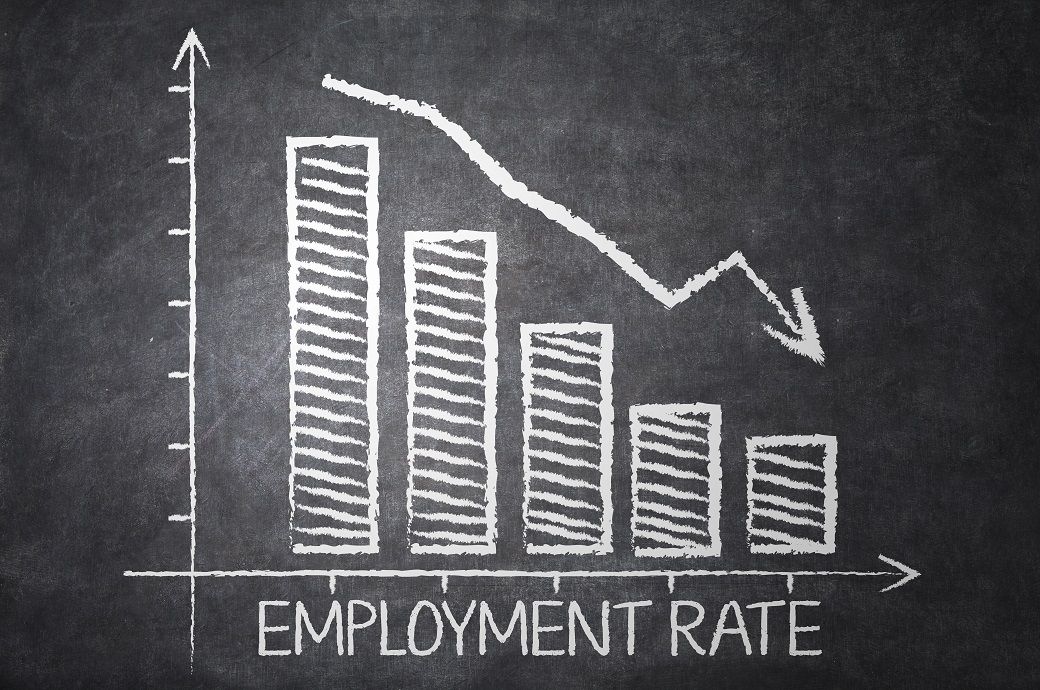
Without seasonal adjustment, this number dropped by 369,000, or 0.8 per cent MoM, with the decrease being a usual seasonal phenomenon.
The seasonally-adjusted number of employed in Germany fell by 14,000 month on month (MoM) in January to 45.5 million, provisional data show.
This number was down by 0.2 per cent YoY in the month.
Around 1.86 million were unemployed in January—a rise of 11.7 per cent YoY.
The unemployment rate rose to 4.2 per cent—a rise of 0.5 pp YoY.
The number of unemployed, at 1.75 million, rose by 0.4 per cent MoM.
In the period from May to December 2025, the number was down by an average of 12,000 MoM.
The number of employed in January 2026 was down by 88,000, or 0.2 per cent, year on year (YoY).
The downward trend in the YoY labour market figures, observed since August 2025, continued, a Destatis release said.
According to the Destatis Labour Force Survey, 1.86 million were unemployed in January 2026—an increase of 195,000, or 11.7 per cent, YoY. The unemployment rate rose to 4.2 per cent—an increase of 0.5 percentage point (pp) YoY.
Adjusted for seasonal and irregular effects, the number of unemployed in January stood at 1.75 million—a MoM increase of 6,000, or 0.4 per cent. The adjusted unemployment rate remained unchanged at 4 per cent.
Fibre2Fashion News Desk (DS)

Activewear sales rose 9 per cent to $3,088 million, while Innerwear sales increased 21 per cent largely due to the acquisition. International sales declined 5 per cent to $240 million.
Gildan Activewear has reported full-year 2025 net sales of $3,619 million, up 11 per cent, supported by HanesBrands integration and growth in Activewear and Innerwear.
Adjusted EPS rose 17 per cent to $3.51, while free cash flow reached $493 million.
The company targets $250 million synergies by 2028, plans Bangladesh Phase 2 expansion, and forecasts 2026 revenue of $6-6.2 billion.
The gross profit increased to $1,130 million and gross margin improved 50 basis points to 31.2 per cent, supported by lower manufacturing and raw material costs alongside favourable pricing, partly offset by tariff pass-through. Adjusted for a $35.4 million inventory fair value step-up related to the transaction, adjusted gross profit reached $1,165 million with adjusted gross margin of 32.2 per cent; the remaining $237 million step-up is expected to flow through cost of sales in 2026, Gildan said in a press release.
Selling, general and administrative (SG&A) expenses were $389 million, while adjusted SG&A rose to $387 million (10.7 per cent of sales) from $308 million (9.4 per cent), reflecting consolidation effects and higher variable compensation. Operating income stood at $620 million (17.1 per cent margin) versus $618 million (18.9 per cent) in 2024, while adjusted operating income increased to $779 million, lifting adjusted operating margin to 21.5 per cent.
Net financial expenses climbed $45 million to $149 million due to acquisition-related borrowing. GAAP diluted EPS from continuing operations was $2.57 compared with $2.46, while adjusted diluted EPS rose 17 per cent to $3.51, benefiting from a lower diluted share base.
Operating cash flow increased to $606 million from $501 million, and free cash flow reached $493 million after capex of $114 million. Year-end net debt was $4,417 million, with leverage at 3.0x net debt to trailing 12-month proforma adjusted EBITDA.
In the fourth quarter (Q4), net sales from continuing operations rose 31.3 per cent to $1,078 million, with operating margin at 9.2 per cent and adjusted operating margin at 20.7 per cent. GAAP diluted EPS declined to $0.32, while adjusted diluted EPS increased to $0.96. Quarterly operating cash flow rose to $336 million and free cash flow to $304 million.
Integration progress is ahead of plan, with expected annual run-rate cost synergies of about $250 million by end-2028, up from the earlier $200 million target. The company plans to close two HanesBrands textile facilities in early 2026 as part of footprint optimisation.
Gildan has initiated a formal sale process for the HanesBrands Australian business, expected to generate approximately $675 million in net sales and $0.21 in diluted EPS in 2026, with proceeds earmarked for debt reduction.
For 2026, excluding HanesBrands Australia, Gildan forecasts revenue of $6-6.2 billion and adjusted diluted EPS of $4.2-4.4, alongside adjusted operating margin of about 20 per cent and free cash flow above $850 million. The company also approved a 10 per cent dividend increase, declaring a quarterly dividend of $0.249 per share.
Looking ahead, Gildan plans to develop a second textile facility within its Bangladesh complex, with initial production targeted for late 2027. From Q1 2026, segment reporting will shift from product categories to Retail and Wholesale to align with its go-to-market structure.
“Our results underscore the impressive execution by our global team whose focus is now on fully capturing the value of our expanded platform. As we look ahead to 2026, we are very excited about the HanesBrands acquisition which doubles our scale, combines iconic brands with our world-class, low-cost, vertically integrated platform, and unlocks a powerful engine for innovation and growth. The integration is well underway, and we now expect to deliver higher than initially targeted run-rate cost synergies reaching approximately $250 million by the end of 2028 with approximately $100 million in 2026,” said Glenn J Chamandy, president and CEO at Gildan Activewear.
Fibre2Fashion News Desk (SG)


Extreme heat threatens health, jobs in Indian textile sector: Report

Saudi Oil Supply Assurance Lifts Pakistan Stock Market – SUCH TV

Has the Iran war changed the Gulf forever?

India Us Trade Deal: Fresh look at India-US trade deal? May be ‘rebalanced’ if circumstances change, says Piyush Goyal – The Times of India

Attock Cement’s acquisition approved | The Express Tribune

What are Iran’s ballistic missile capabilities?

-
Business6 days ago
India Us Trade Deal: Fresh look at India-US trade deal? May be ‘rebalanced’ if circumstances change, says Piyush Goyal – The Times of India
-
Business7 days ago
Attock Cement’s acquisition approved | The Express Tribune
-
 Politics7 days ago
What are Iran’s ballistic missile capabilities?
-

 Politics1 week ago
US arrests ex-Air Force pilot for ‘training’ Chinese military
-
 Business1 week ago
Households set for lower energy bills amid price cap shake-up
-

 Fashion1 week ago
OECD GDP growth slows to 0.3% in Q4 amid mixed trends
-

 Fashion7 days ago
Policy easing drives Argentina’s garment import surge in 2025
-

 Sports6 days ago
LPGA legend shares her feelings about US women’s Olympic wins: ‘Gets me really emotional’