

Politics
Indonesia school collapse death toll rises to 17, dozens still missing

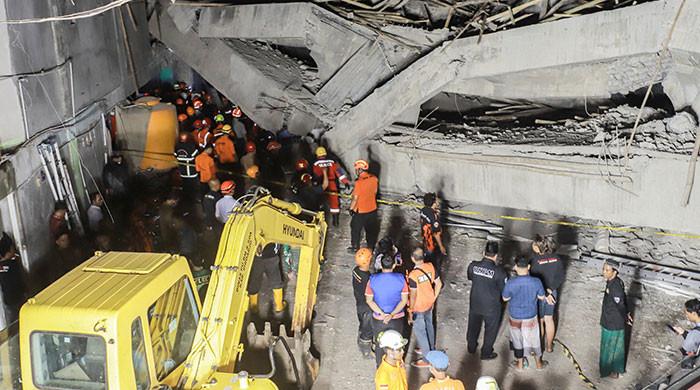
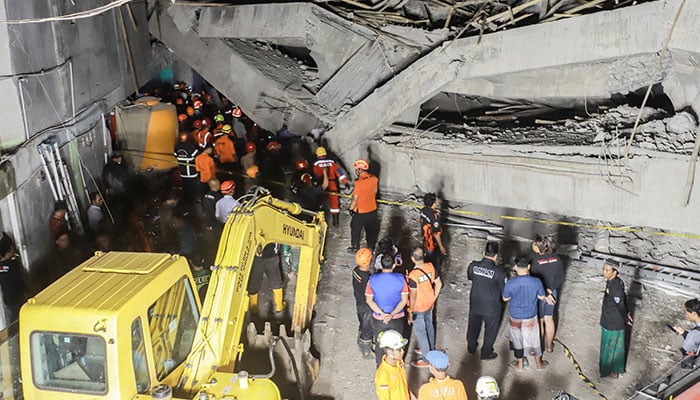
- Part of school collapsed when students gathered for prayers.
- Evacuation process is still ongoing, says rescue agency official.
- More victims could be found: disaster agency chief.
The death toll in an Indonesian school collapse rose to 17 on Saturday, officials said, as rescuers deployed heavy machinery to recover dozens more victims believed still buried under the rubble.
Part of the multi-storey boarding school collapsed suddenly on Monday as students gathered for afternoon prayers.
Rescuers retrieved two bodies and a body part from the rubble on Saturday, bringing the death toll to 17, National Search and Rescue Agency (Basarnas) operation director Yudhi Bramantyo said in a statement.
“The evacuation process is still ongoing. Debris removal is focused to the north side in an area not integrated with the main structure,” Yudhi said Saturday.
Local search and rescue agency head Nanang Sigit confirmed the updated toll in a separate statement.
Earlier on Saturday, authorities said they had recovered nine bodies on Friday.
Rescuers were searching for 49 people still missing, National Disaster Mitigation Agency (BNPB) chief Suharyanto said before prior to the retrieval of the latest bodies.
More victims could be found, said Suharyanto, who, like many Indonesians, only goes by one name, as rescuers brought heavy machinery to clear locations where the victims were believed to be buried underneath the rubble.
“After the last victim was found last night, we are focusing on a massive cleanup, with heavy equipment entering the collapsed areas,” he said, as reported by broadcaster Kompas TV.
The school collapse was so violent that it sent tremors across the neighbourhood, according to residents.
Investigators have been looking into the cause of the collapse, but initial signs pointed to substandard construction, experts have said.
The rescue operation was complex because vibrations in one place could affect other areas, officials said.
But the families of the missing agreed on Thursday for heavy equipment to be used, after the 72-hour “golden period” for the best chance of survival came to an end.
The rescue operation was complicated by an earthquake that struck overnight on Tuesday, briefly halting the search.


A French teenager has been charged with mischief and public nuisance in Singapore for licking a straw and putting it back in an orange juice vending machine, court documents showed Monday.
Didier Gaspard Owen Maximilien, 18, allegedly filmed himself “licking a straw and placing it back at the vending machine”, uploaded the video on Instagram knowing that it “would or would probably cause annoyance to the public”, according to the documents.
The teenager is studying in Singapore, according to court records.
The public nuisance offence carries a jail term of up to three months and a fine.
A second charge of committing mischief said Maximilien knew that he was “likely to cause wrongful loss or damage” to iJooz, the company operating the vending machine which had to replace all 500 straws in the dispenser.
The mischief offence carries a punishment of up to two years in jail on conviction and a fine, according to the charge sheet.
Both offences were allegedly committed on March 12.
The charges were lodged before a district court last Friday, and the next hearing will be on May 22.
The Straits Times newspaper said the video “quickly went viral, sparking shock and concern among netizens”.
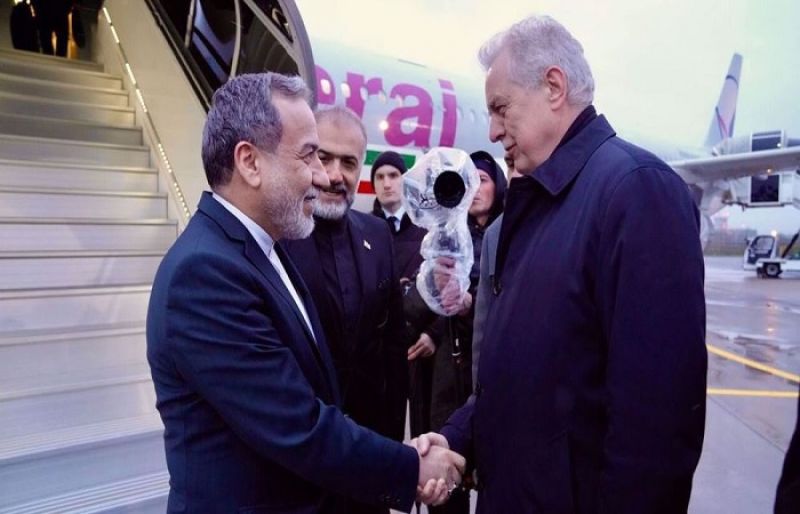
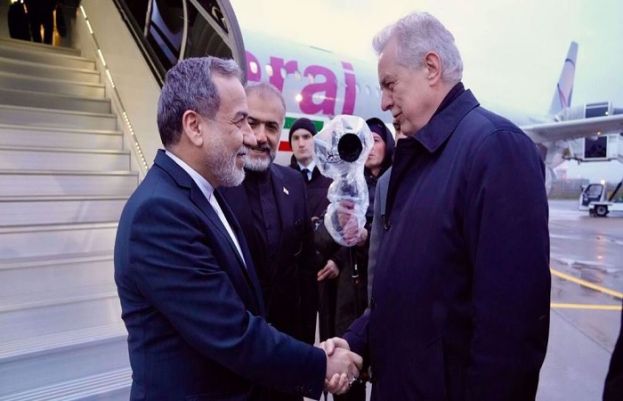
Iran’s Foreign Minister Abbas Araghchi has arrived in Russia to continue close consultations between Tehran and Moscow on regional and international issues, and to enhance bilateral relations.
Speaking upon arrival at Pulkovo International Airport in St. Petersburg on Monday, Araghchi noted that due to the recent US-Israeli aggression against the country, there had been a gap in meetings with Russian counterparts.
“We have tried to use the available opportunity, following our trips to Pakistan and Oman, to travel to Russia,” he said.
Araghchi added that Monday’s meeting would be a good opportunity to discuss developments in the war and review the latest situation, expressing confidence that consultations and coordination between the two countries would be of particular importance.
Constructive consultations held in Pakistan
Regarding his trips to Islamabad and Oman over the past three days, the foreign minister emphasized the bilateral nature of the visits.
Pointing to Pakistan’s role as a mediator in Iran-US negotiations, Araghchi said it was necessary to review the latest situation with Pakistani officials.
“Previous negotiations, despite some progress, did not achieve their goals due to American approaches, their excessive demands, and their wrong policies. Therefore, we needed to hold consultations with our friends in Pakistan to review the latest developments,” Araghchi explained.
He stressed that Iran’s position in the negotiations is very important.
“We must secure the rights of the Iranian people after 40 days of resistance and protect the country’s interests,” he added.
Iran-Oman expert-level consultations on Strait of Hormuz to continue
Referring to his meetings with senior Omani officials, Araghchi noted that Iran and Oman are both littoral states of the Strait of Hormuz, and it is necessary for them to consult each other, especially as safe passage through the strait has become a globally significant issue.
“It is natural that as two coastal countries of this strait, we must talk to each other to secure our common interests and coordinate any action taken in this regard, because the interests of Iran and Oman are directly involved in this matter,” Araghchi said.
He confirmed that there is a broad consensus between Iran and Oman, and it was agreed during the visit that consultations would continue at the expert level.
Iran closed the waterway to the enemies and their allies following the launch of the US-Israeli aggression against Iran on February 28, with the assassination of the Leader of the Islamic Revolution, Ayatollah Seyyed Ali Khamenei, and several top military commanders.
On April 8, forty days into the war, a temporary Pakistan-brokered ceasefire took effect. Talks ensued in Islamabad but stopped short of an agreement amid the United States’ maximalist demands and insistence on unreasonable positions.
Iran announced the reopening of the chokehold to commercial traffic following the announcement of a ceasefire by US President Donald Trump on April 7.
The country, however, imposed a total closure on the waterway on April 18 after Trump said the US was continuing an unlawful blockade it had imposed on Iran in continuation of unlawful aggression towards the country.
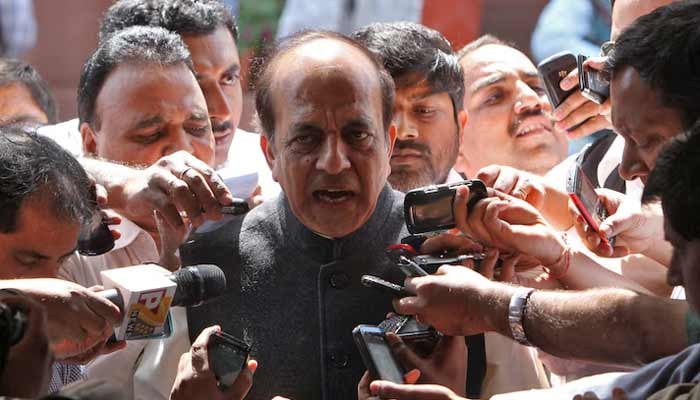
India named veteran politician Dinesh Trivedi as its next high commissioner to Bangladesh on Monday, in a rare appointment of a non–foreign service officer as New Delhi seeks to reset ties with its eastern neighbour.
Ties between the countries soured after a popular uprising forced Bangladesh’s long‑serving Prime Minister Sheikh Hasina to flee to New Delhi in 2024, where she remains. Trivedi’s appointment highlights India’s push to rebuild trust with Bangladesh as it faces stiff competition from China for influence and business.
Trivedi, 75, a former railways and health minister, joined Prime Minister Narendra Modi’s Bharatiya Janata Party in 2021 from a regional party in West Bengal, a border state that plays a key role in India’s ties with Bangladesh and where Modi has been seeking to expand his party’s influence in ongoing local elections.
“He is expected to take up the assignment shortly,” India’s Ministry of External Affairs said in a statement about Trivedi.
Relations between the two countries began improving only after an election in February brought Tarique Rahman of the Bangladesh Nationalist Party to power, replacing an interim government that had veered strongly towards China.
Bangladesh’s foreign minister visited Delhi this month seeking increased fuel and fertiliser supplies, closer energy cooperation and eased travel restrictions, but one of the biggest sticking points remains India’s refusal so far to extradite Hasina.


United Airlines CEO confirms he approached American Airlines about merger

‘House of the Dragon’ unveils ‘more brutal’ season 3 trailer at CCXP Mexico

French teen faces jail in Singapore for licking vending machine straw

-

 Sports1 week ago
NCAA men’s gymnastics championship: All-time winners list
-

 Sports1 week ago
WWE WrestleMania 42 Night 2: Live match results and analysis
-

 Fashion1 week ago
UK’s Sosandar returns to profitability amid robust FY26 performance
-

 Politics6 days ago
UK’s Starmer seeks to deflect blame over Mandelson appointment
-

 Entertainment7 days ago
Lee Anderson, Zarah Sultana kicked out of UK Parliament for calling PM ‘liar’
-
 Business1 week ago
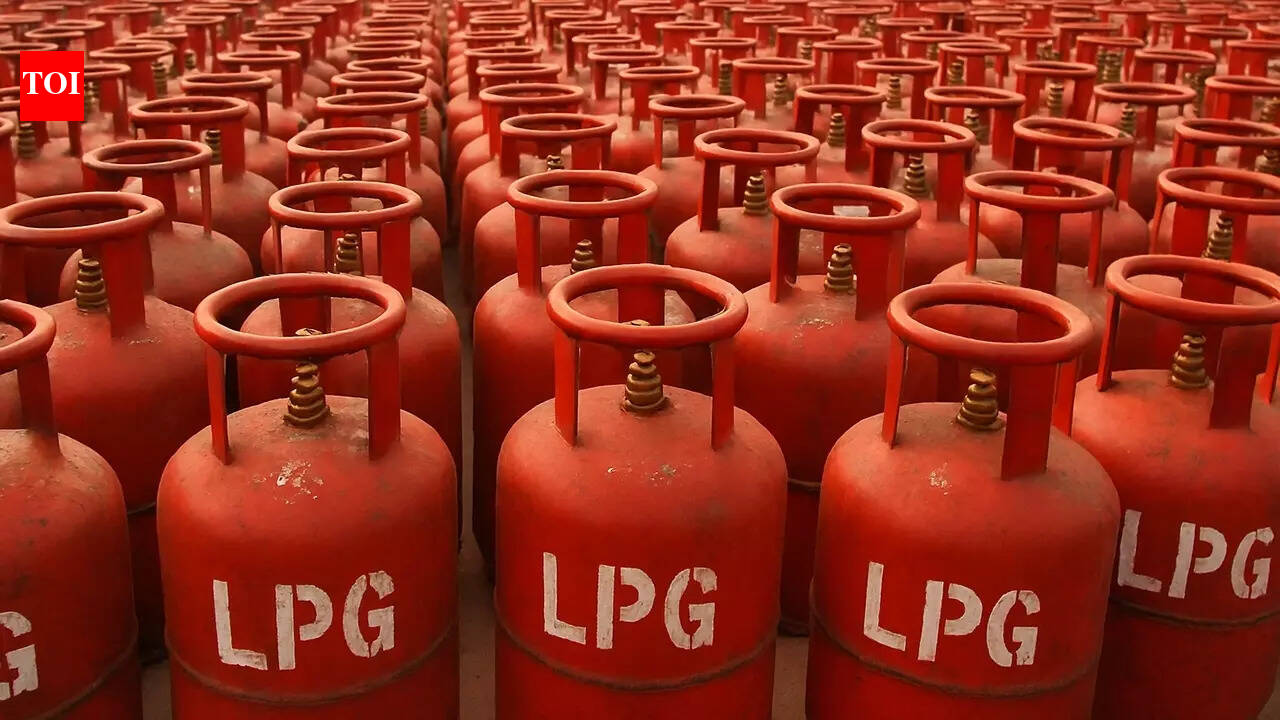
No fuel shortage: Govt assures 100% domestic LPG, PNG, CNG supply amid Hormuz energy crunch – The Times of India
-
 Business7 days ago
How Trump’s psychedelics executive order could unlock stalled cannabis reform
-
 Business1 week ago
Exercise to test response to offshore energy threat involving vessels and drones