

Business
Inflation Climbs to 16-Month High at 7% in February – SUCH TV


Pakistan’s inflation rose to 7% in February 2026, marking the highest level since October 2024, as electricity price hikes and rising global uncertainty pushed consumer costs upward.
According to the Pakistan Bureau of Statistics, the Consumer Price Index (CPI) increased 6.98% year-on-year, compared to 5.8% in January and 1.5% in February last year.
Electricity Tariffs Drive Surge
The biggest impact came from higher electricity prices after subsidy cuts and revised tariff structures.
Housing, water, electricity, gas & fuels index rose 9.65% annually
Electricity prices alone increased 10.03% month-on-month
These adjustments significantly burdened households already coping with high living costs.
Core Inflation & Interest Rates
Core inflation showed slight easing:
Urban core inflation: 7.1% (down from 7.2%)
Rural core inflation: Stable at 8.3%
The rise in CPI reduced real interest rates by around 120 basis points. The State Bank of Pakistan kept its policy rate unchanged at 10.5% last month.
Food Prices Mixed
Food inflation rose to 5.8%, up from 3.9% in January.
Major increases:
Tomatoes: +82%
Wheat: +42.6%
Wheat flour: +25.9%
Meat: +11.3%
Milk powder: +9.4%
Price declines:
Potatoes: -40%
Chicken: -21.8%
Gram pulse: -21.7%
Onions: -17%
Wholesale Pressure Rising
The Wholesale Price Index (WPI) increased to 1.0%, signaling growing producer-level cost pressures that could pass on to consumers in coming months.
External Risks Loom
Analysts warn that escalating Middle East tensions could:
Raise global oil prices
Increase Pakistan’s import bill
Pressure the rupee
Worsen inflation further
With millions of Pakistanis working in Gulf countries, any prolonged instability could also affect remittances — a key pillar of the economy.
Business
‘A win-win for both nations!’ Three-day India-US trade talks to begin this week – The Times of India
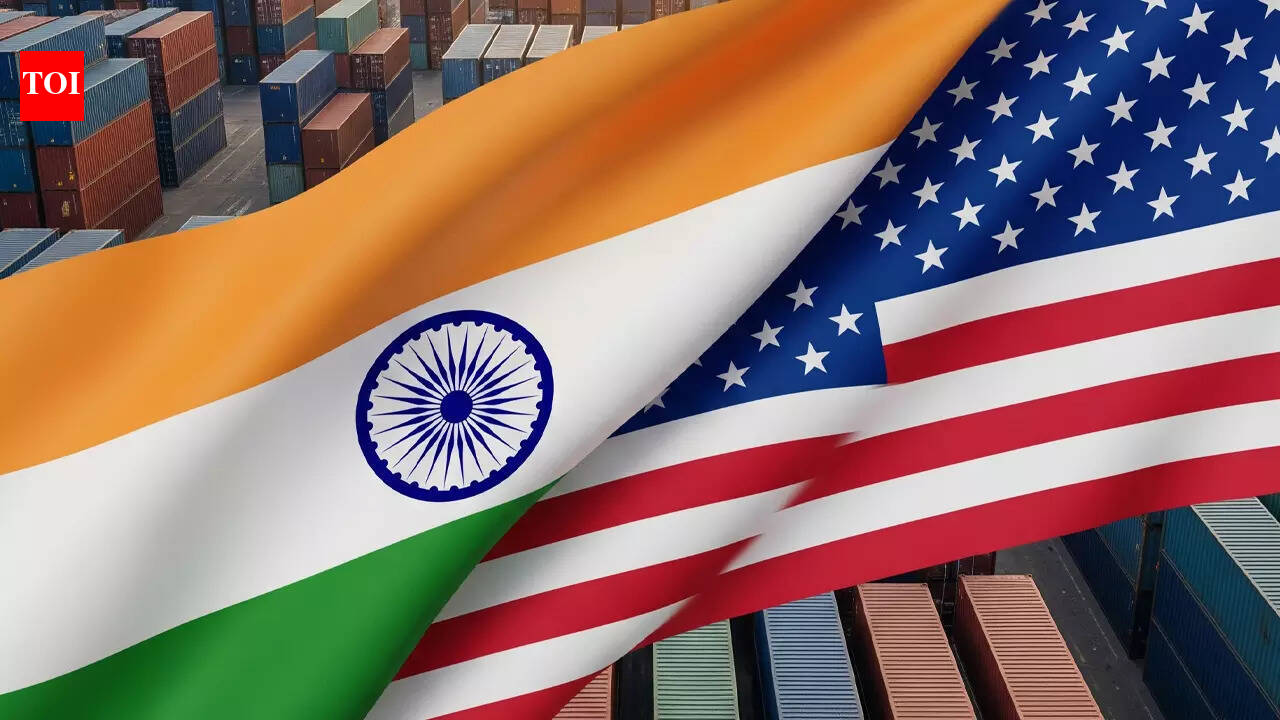
India and the United States are set to resume trade talks this week, taking a “great step to finalize” the proposed agreement. Taking to social media platform X, US Ambassador to India Sergio Gor said “The Indian trade delegation will be arriving in Washington this week. A great step to finalize our bilateral trade deal. A win-win for both nations!”This week, a delegation of around a dozen officials will be travelling from New Delhi to Washington for discussions on the first phase of the proposed bilateral trade agreement (BTA). The talks are scheduled from April 20 to 22 and will be led by India’s chief negotiator Darpan Jain, additional secretary in the department of commerce. The team will also include officials from the customs department and the ministry of external affairs.The negotiations come against the backdrop of recent changes in the US tariff system, prompting both sides to revisit parts of the trade agreement finalised earlier this year and released on February 7.A key development was the US Supreme Court striking down reciprocal tariffs imposed under the 1977 International Emergency Economic Powers Act. Following this, the US administration introduced a temporary flat 10% tariff on all countries for 150 days from February 24.These changes led to the postponement of a planned February meeting between the chief negotiators. The rescheduled talks in Washington will now proceed under the revised tariff framework.Alongside tariff issues, the discussions are also expected to cover two investigations initiated by the US Trade Representative under Section 301 of its trade law. India has refuted the allegations and is seeking withdrawal of the probes, arguing that the initiation notices do not provide adequate justification.
Energy markets have seen wild swings since the US and Israel attacked Iran on 28 February.
Source link
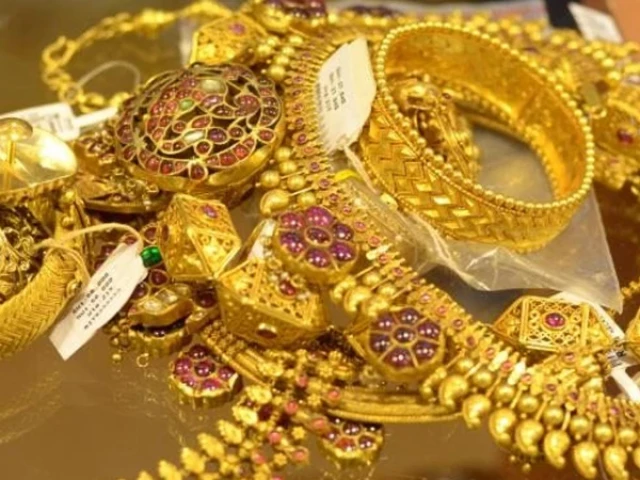
Gold and silver prices declined in both international and domestic markets, reflecting a broader downward trend in precious metals.
In the international bullion market, the price of gold fell by $49 per ounce, settling at $4,788.
According to the All-Pakistan Gems and Jewellers Sarafa Association (APGJSA), in the local market, gold prices also recorded a significant drop. The price per tola decreased by Rs4,900 to reach Rs501,162. Similarly, the price of 10 grams of gold declined by Rs4,201, settling at Rs429,665.
Silver prices also followed a downward trajectory. The price per tola of silver fell by Rs145 to Rs8,417 while the price of 10 grams of silver dropped by Rs124, reaching Rs7,216.
Read More: Gold, silver prices rise again in local and international markets
Gold and silver prices recorded an increase on Saturday in both international and local markets after declining on Friday, following a three-day upward trend in global and domestic markets.
According to the All Pakistan Sarafa Gems and Jewellers Association (APSGJA), in the international bullion market, the price of gold rose by $45 per ounce to reach $4,837. In the local market, the price of gold per tola increased by Rs4,500 to Rs506,062, while the rate for 10 grams rose by Rs3,858 to Rs433,866.
Silver prices also moved higher, with the per tola rate increasing by Rs118 to Rs8,562. Similarly, the price of silver per 10 grams rose by Rs101 to Rs7,340.

‘A win-win for both nations!’ Three-day India-US trade talks to begin this week – The Times of India

Germany’s BOSS secures landmark Australian Open partnership

PCB imposes one-year PSL ban on Dasun Shanaka over contractual breach

-

 Fashion4 days ago
France’s LVMH Q1 revenue falls 6%, shows resilience amid Iran war
-

 Sports1 week ago
The case for Man United’s Fernandes as Premier League’s best
-

 Entertainment1 week ago
Palace left in shock as Prince William cancels grand ceremony
-
 Business1 week ago
UK could adopt EU single market rules under new legislation
-

 Entertainment5 days ago
Is Claude down? Here’s why users are seeing errors
-

 Sports1 week ago
Lamar Jackson hits back at critics with faithful message on social media
-

 Fashion1 week ago
Energy emerges as biggest cost driver in textile margins
-
 Business1 week ago
Delta Air Lines unveils first new Delta One suite in premium cabin arms race