

Business
Inflation spikes to two-year high of 10.9% | The Express Tribune

ISLAMABAD:
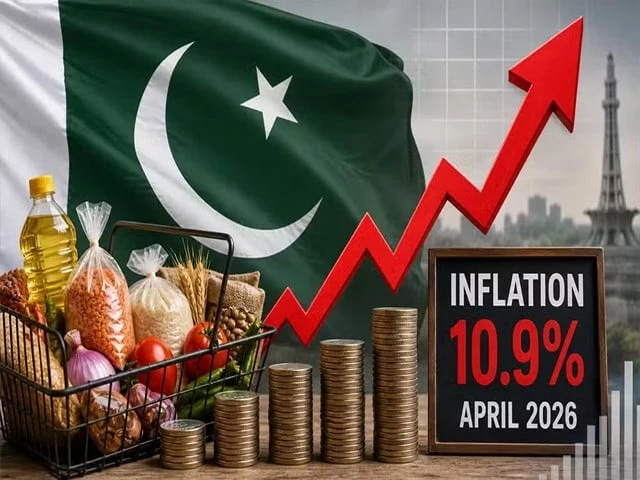
Inflation rose to a near two-year high of 10.9% in April, driven by global supply shocks and the government’s decision to fully pass on higher fuel costs to consumers, in addition to raising petroleum levy, sending energy, transport and food prices soaring.
The Pakistan Bureau of Statistics reported on Friday that for the first time consumer inflation climbed to double digits since July 2024, when the government of Prime Minister Shehbaz Sharif had started increasing taxes under the International Monetary Fund programme.
The adverse impact of the rising prices was felt across urban and rural areas and on almost all products that are directly or indirectly affected by the increase in the prices of the petroleum products, showed the inflation bulletin.
April inflation reading of 10.9% was also the highest since July 2024, which was also slightly more than the independent and official forecast for the month. The ministry of finance had given a maximum 9% inflation forecast.
The global fuel prices have been on the rise since the United States and Israel attacked Iran on February 28th. The Brent crude is about 55% more expensive than before the start of the war.
But despite the challenging situation, the government not only continued recovering the global prices from the domestic consumers but also increased taxes on petrol. This has triggered an inflationary cycle in the country.
The central bank is now trying to control by increasing the interest rates despite the fact that inflation is on the rise because of the actions of the government and the global price shock.
According to the PBS, the motor fuels, having only 2.9% weight in the CPI basket, became expensive by 40% in April over the same period of the last year. The consumer item that has hurt the people the most during the past two months has only 2.9% weight in the basket.
Diesel, whose prices the PBS reported were higher by 93% in April, has a 5.5% weight in the wholesale price index. The government on Friday reintroduced Rs28.69 per liter levy on diesel. After the adjustment, the diesel prices were increased to Rs400 per liter on Friday.
The government reduced the levy rate on petrol by Rs4 per liter but it was still charging Rs103.5 per liter levy. This was far higher than the agreed Rs80 per liter levy limit and contributed to unduly high prices of petrol in Pakistan.
The national data collecting agency reported that electricity prices were 33% higher than a year ago whereas the liquefied hydrocarbon inflation rate rose 63% in April.
Overall, there was a price spike in energy and food items last month.
Pace of food inflation accelerated last month to 6.9% in urban areas while it jumped to 7.3% in rural areas. Energy group prices rose to 13.8% in urban areas the highest since October 2024. The energy-based inflation in rural areas also increased to 13.6% in villages and towns the highest since July 2024.
The non-food and non-energy inflation indicator also rose last month to 8% in urban areas and 8.5% in rural areas, according to the PBS.
For the current fiscal year, the government had set the inflation target at 7.5%. During the first eight months of this fiscal year, the average inflation remained at 6.2%, which was well below the target range. But the government expects that the target might be missed because of constant increase in prices of petroleum products.
To offset the impact of future price hikes on the poor segments, the IMF has asked the government to increase the cash handouts being distributed among the 10 million Benazir Income Support Programme beneficiaries. The number of beneficiaries would also be increased by 200,000 by June this year to 10.2 million.
The details showed that food prices also increased significantly last month, mainly due to increase in transport fares. Tomatoes became expensive by 75%, followed by a 42% increase in the rates of onions and nearly 40% in wheat.
Wheat flour inflation rate jumped over 30% previous month, reported the PBS. Transport services became expensive by 38% despite the government’s decision to partially subsidize the fares through direct subsidy. Overall, the transport group inflation rate rose to 30% whereas housing, water, electricity and gas group inflation rate was higher by 17% last month compared to the same period of the last year.

Spirit Airlines check-in Kiosks sit idle at Oakland International Airport on August 13, 2025 in Oakland, California.
Justin Sullivan | Getty Images
Spirit Airlines could shut down as early as 3 a.m. ET Saturday, according to people familiar with the matter. The carrier has failed to secure a financial lifeline to continue operating, though it hasn’t commented on the potential shutdown or its plans.
About 290 Spirit flights are scheduled for Saturday, according to aviation site Flightradar24. Another 381 are scheduled for Sunday.
Travelers with Spirit tickets could be understandably rattled. While there have been some U.S. airlines to shut down in recent years, the budget carrier is larger than most recent airline failures and links major cities like New York, Miami, Detroit and Los Angles — and many others in between — with its Airbus jets.
Here’s what travelers need to know:
You have a Spirit ticket. What should you do?
Immediately? Nothing.
Travelers who are booked on a Spirit flight, like this CNBC reporter is for later this month, are likely to receive a refund if they purchased tickets with a credit card.
If the ticket was bought with a debit card or with loyalty points, however, the chances of recovering funds are slim to none, said Henry Harteveldt, founder of Atmosphere Research Group, a travel consulting firm.
“If you’re holding a reservation for a flight on Spirit don’t proactively cancel it. Wait for the airline to announce it is shutting down,” he said.
Would Spirit be able to help you at the airport?
Don’t count on it.
Spirit has declined to comment on a potential shutdown. If it confirms an end to operations, the carrier will most likely have information on its website about travelers’ next steps.
Harteveldt said travelers shouldn’t go to the airport expecting to find Spirit staff in the event the airline ceases operations. Call centers are likely to be overwhelmed if they are still staffed.
That could leave passengers with fewer answers than they’d like, but other airlines are likely to help assist affected customers.
Airlines that offer last-minute fares, likely with some discounts, will be available to travelers at airport ticket counters.
How can another airline help?
United Airlines, JetBlue Airways, Frontier Airlines and American Airlines are among the carriers that have said they are ready to assist Spirit customers and crews if the carrier shuts down.
That could mean scheduling additional flights to carry the stranded passengers, similar to what they do during a hurricane or other natural disaster.
Why could Spirit shut down?
Spirit, known for bright yellow planes, low fares and fees for everything else, had been successful for years, but this week it’s been on the brink of liquidation after failing to reach a deal with bondholders for a $500 million government bailout from the Trump administration.
Last year Spirit filed for its second bankruptcy in less than a year, though it’s had a host of problems even before then.
A plan to be acquired by JetBlue was blocked. Rising costs upended its business model. An engine defect grounded dozens of its planes. And, more broadly, upscale travel became more popular with consumers, driving airline profits.
At the same time, big, legacy airlines were selling their own basic economy fares that were similar to what Spirit was offering, but with bigger networks.
What does this mean for travel going forward?
Airlines have been adding flights since Spirit’s bankruptcy filing last year on some of its routes and at major airports. They’re likely to keep doing so.
Experts have said they expect fares to rise, at least in some markets, if the discounter goes away, even though the carrier has shrunk substantially.
Business
Middle East crisis: Air India to make food optional, help cut price of tickets – The Times of India
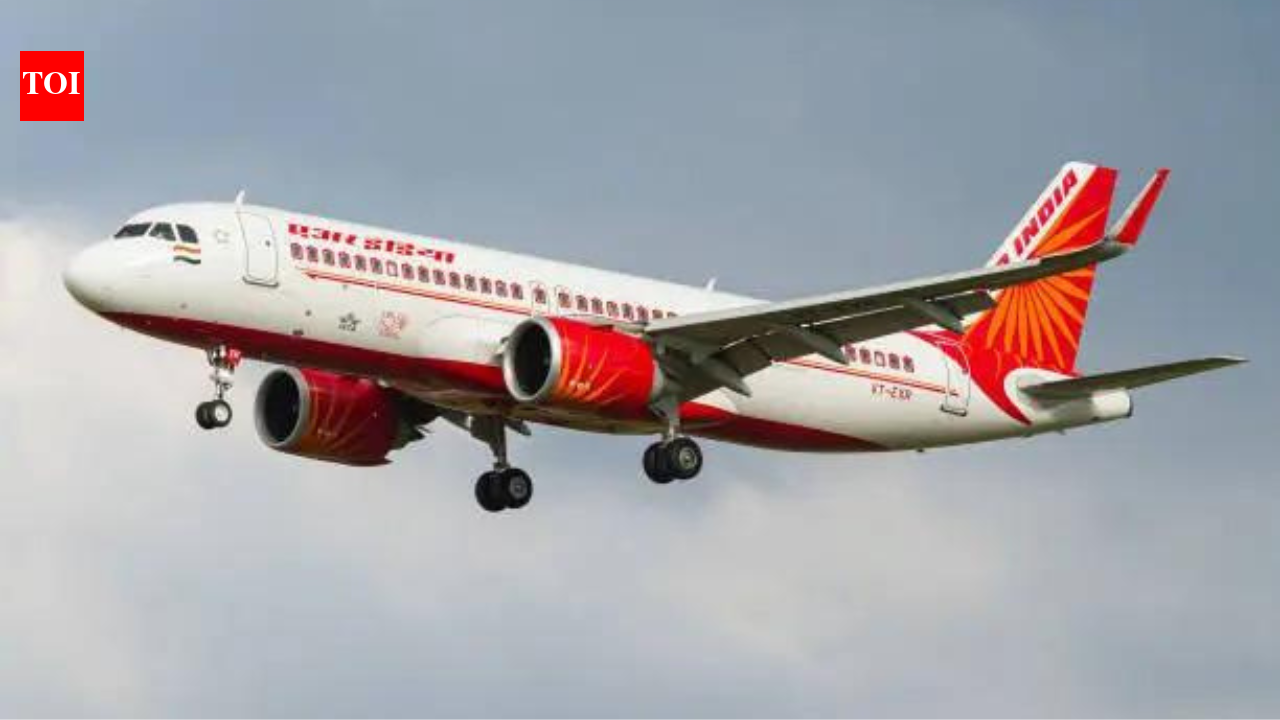
NEW DELHI: Desperate times call for desperate measures. Full service Air India is planning to make meals optional on its domestic and short international (under two hour) flights. Once this “unbundling” rolls out in the next month or two, passengers opting out of meals could have upwards of Rs 250 shaved off their ticket price. While this move, say people in the know, is “on the anvil,” the airline is looking at several other unprecedented measures to fly through the severe cost-revenue turbulence caused by the unending West Asia war.While not opting for meals could lead to slightly cheaper economy tickets, AI is looking at unbundling lounge access for business class passengers because those opting out of this, could get their tickets cheaper. On an average, lounge operators charge Rs 1,100-1,400 per user at metro airports and Rs 600-700 at non metros.The average spend is about Rs 1,000 per lounge. Many business class flyers are frequent travellers who just make it to airports in time for their flight and do not head to the lounge. If unbundled, this could be a saving in their ticket cost. Banks have been reducing lounge access for credit card users for the same reason to cut their costs.“From Day One, Air India has had meals bundled in its ticket price. Now the way aviation turbine fuel (ATF) price is rising and the rupee crashing since Feb 28, ticket prices are going up. India is a price-sensitive market and raising fares beyond a point leads to a fall in traffic with many opting to travel by train or road. This has led to the rethinking to unbundle meals on some flights. Other steps are also being considered,” said people in the know.Several airlines globally have over the past few years unbundled their onboard offerings. Many international full service airlines offer a basic meal in economy while giving the option of buying gourmet meals at an additional cost. Ditto for alcoholic beverages, with cheaper beer and wines being given at no extra cost while the others being charged for. “For passengers, the distinction between full service and low cost airlines is blurring very fast,” said an industry old-timer.
A tree surgeon said he thought he “was going to die” when he suffered a powerful electric shock from an overhead line while clearing hedges in Wiltshire.
Joshua Pocknell was working just after midnight on the A3102 near Royal Wootton Bassett when the mobile lighting tower he was pushing touched an 11,000 volt overhead powerline.
The 26-year-old was seriously injured and taken to hospital, where he spent the next five weeks, workplace watchdog the Health and Safety Executive (HSE) said.
“My whole body locked and I felt hot and cramping,” Mr Pocknell said of the shock.
“I could hear the electricity in my head and thought I was going to die.
“I hit the floor and passed out, still cramping.
“I later discovered a hole had burnt through my arm and hip all the way to the bone.”
More than two years after the incident on January 19 2024, the tree surgeon said he still experiences “considerable pain”.
“My injuries were complex and challenging and there were five or six different surgeons involved in my treatment,” he said.
“I still experience considerable pain and strange bodily sensations, including nerve pain and itching.
“This incident has torn the life from beneath me and I don’t think I will be able to return to the job that I used to love.”
The regulator said it investigated the incident and found Mr Pocknell’s employer, Upton Specialised Tree Services, did not properly plan for or risk assess the dangers posed by overhead power lines.
The firm did not put up barriers or provide training in operating the mobile lighting tower.
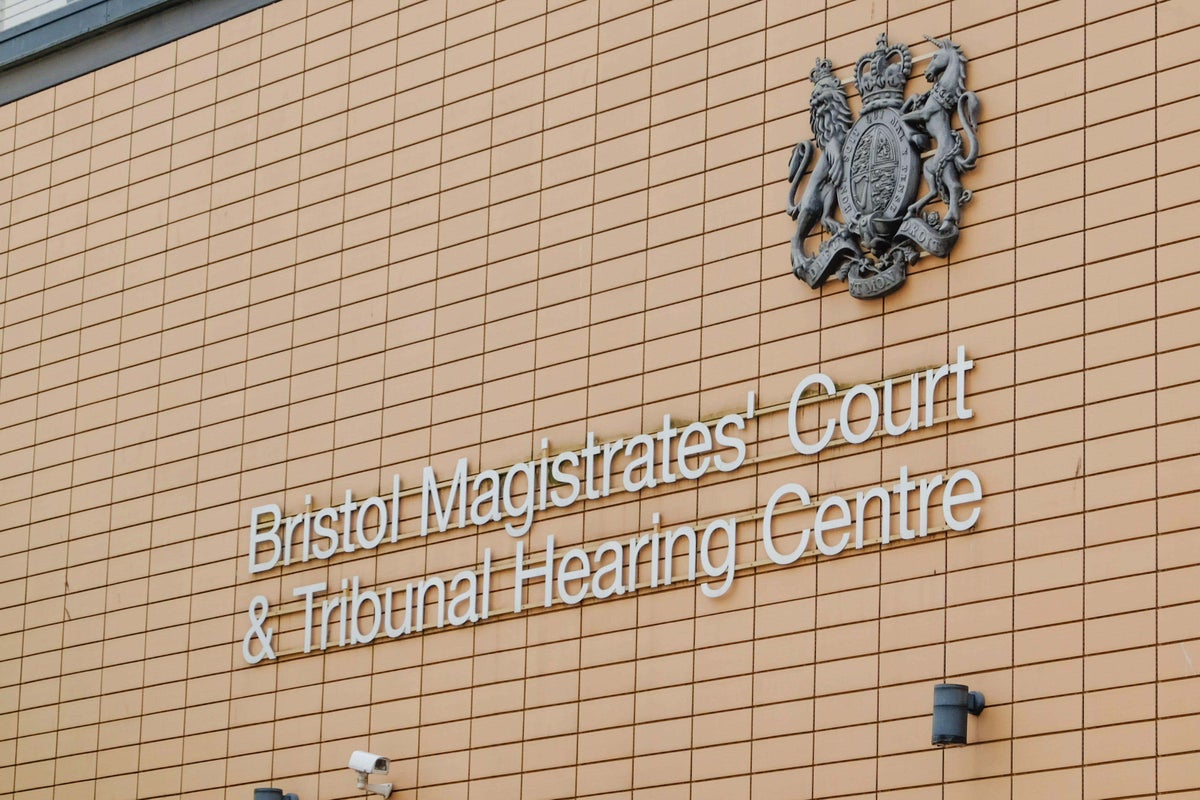
Upton Specialised Tree Services pleaded guilty to the charge of breaching Regulation 14 of the Electricity at Work Regulations 1989 by virtue of Regulation 3, the HSE said, and was fined £60,000 and ordered to pay £6,237 in costs at Bristol Magistrates’ Court on Friday.
HSE inspector Tom Preston said: “Joshua is lucky to be alive.
“Overhead electrical power lines present extreme risks to workers, but the risks can and must be controlled.
“Work near overhead power lines should only be carried out where it can be done safely, following a suitable risk assessment, the use of barriers or safety zones, and proper training on the equipment being used.
“In this case, a worker sustained severe injuries in a traumatic incident for all concerned that was entirely preventable.
“HSE will take action against those who fail to take the steps necessary to protect people at work.”


ICE cotton witnesses sharp rise on weaker dollar, strong exports

Palace drops Princess Charlotte unseen photo for 11th birthday

Sydney Sweeney hard launches her romance with beau Scooter Braun

-
 Business1 week ago
France Ends Airport Transit Visa Requirement for Indian Travellers | Business – The Times of India
-

 Tech1 week ago
They Wanted to Join Raya. They’ve Been on the Waiting List for Years
-

 Tech5 days ago
A Brain Implant for Depression Is About to Be Tested in Humans
-

 Tech1 week ago
Why Do I Like Dyson’s PencilVac So Much?
-

 Entertainment1 week ago
Anne Hathaway makes shocking confession about Taylor Swift’s music
-

 Tech5 days ago
Almost 90% of women leave tech industry within 10 years | Computer Weekly
-

 Sports5 days ago
Toulouse fall to first home defeat for a year | The Express Tribune
-

 Sports1 week ago
Yankees owner Hal Steinbrenner considering factors before debuting new alternate uniforms: report