

Fashion
Intertextile Shanghai 2026: Fringe events spotlight market trends

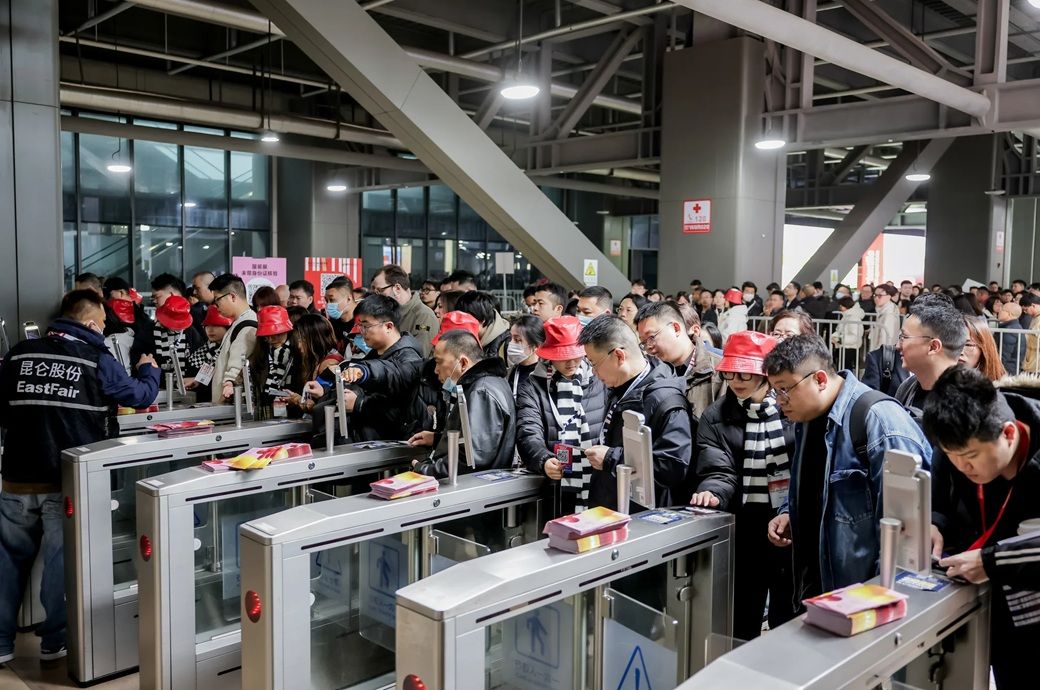
Ms Wilmet Shea, General Manager of Messe Frankfurt (HK) Ltd, outlined some of what to expect at the upcoming fair: “There are many responsibilities to consider when organising a show of this scale, yet our main priority remains to effectively facilitate business between exhibitors and buyers. As such, we have curated a variety of provisions that relate to segments with high potential – such as the non-traditional offering of our new Pet Boutique display area, or the expanded, seminar-integrated Econogy Hub and Functional Lab. Within our four themes, there is a place for exhibitors from across the global supply chain, and we are excited for visitors to discover what’s on show this spring.”
New exhibiting countries include Austria, Denmark, Indonesia, Lithuania, and Norway. The International Hall (Hall 5.1) will feature most of the show’s overseas fabric exhibitors in seven country / region pavilions, and in six featured zones. These include Econogy Hub, Essential Suits & Shirts, Functional Lab, Premium Wool Zone, SalonEurope, and Verve for Design, while Accessories Vision (1.2) and Beyond Denim (7.2) will host multiple international exhibitors relevant to those categories. The four themes are apparent across the fair’s many pavilions, zones, and fringe events, supporting the platform in the current market climate, and laying the foundation for strategic expansion.
Fashion forward
Amongst global fashion leaders, where constant change is increasingly seen as the new normal, positive sentiment towards China is growing – only 28 percent viewed the market as unpromising in 2026, down from 41 percent for 2025. Exhibitors see the potential at Intertextile Apparel, where fashion is a cornerstone – from the original prints, artisanal textures, and genderless fabrics rooted in heritage at the 28-exhibitor Japan Pavilion and its ‘Temporal Space’ Trend Corner; to the quality, commercially appealing womenswear fabrics at the France Zone; to the luxury menswear fabrics and more at the Italy Pavilion.
In the fashion forward category, featured fringe events include the Intertextile Trends Spring / Summer 2027 Seminar and the Trend Forum Introduction Tour, both conducted by Ms Sachiko Inoue, lead curator of this season’s Intertextile Directions Trend Forum and its PARADOX theme. Other notable design and trend seminars include presentations from key figures at Pantone Color Institute, PeclersParis, and WGSN.
Performance textiles
Sportswear is one of the major bright spots in the Chinese fashion market. At the fair, it is the Asian pavilions that regularly attract buyers of functional textiles. These include the Korea Pavilion, where exhibitors such as Dongbang International, TNF Global, and Ts Textile are traditionally strong in sports, golf, and outdoor fabrics with antibacterial, durable, and stretchy properties. The Korea Textile Center (KTC) Pavilion will likewise showcase a selection of Korean performance fabrics and other textiles from North Gyeongsang Province.
Also prominent in this category, of course, is Functional Lab. The restructured zone will expand in scale by over 30%, within which THE CUBE will feature an integrated product presentation stage and display area. Exhibitors set to present on stage include Baur Vliesstoffe, Regen-Tech Fashion, Sunshinetex, and more. Meanwhile, featured functionality seminars include Unifi Textiles’ discussion on the nature-inspired performance of their circular polyester and its linen-like innovation, while DP Acetate will delve into the advantages of dope-dyed acetate yarn.
Sustainability
Sustainability at Intertextile Apparel is headlined by the growing Econogy Hub, the zone for eco-friendly textiles as well as certification and traceability solutions, where featured exhibits include the Ecocert Pavilion and standalone booths from PEELSPHERE, TextileGenesis, and many more. Among the show’s other highlights, the Lenzing Pavilion will showcase applications of its cellulose fibres, the India Pavilion will display natural fabrics with artisanal eco-craftsmanship, and the Hong Kong Pavilion will present eco-fibres and recycled blends with ISO-certified supply chains.
Econogy Talks is the segment of fringe events discussing sustainable products, solutions, and regulatory developments, including the Econogy Forum, moderated by Redress, unpacking how waste is the new resource redefining fashion, and the Econogy Tour, an exploration of select eco-conscious exhibitors. Adjacent to the seminar space, the range of samples at the Econogy Hub Display Area will spotlight green fashion, which is on the rise globally. Growing with it is the importance of brands proving their sustainability claims – emphasising the role of the fair’s Econogy Finder, which allows independently verified eco-suppliers to be easily found onsite.
Textile future
Taiwan is a leader in smart fashion and digital innovation, and the Taiwan Pavilion will give a platform to exhibitors such as Hi-Tec Industrial, Hua Mao Nano Tech, and Orientex Precision Industrial, known for technological advancement, nano textiles, and precision production systems. The spring debut of the Türkiye Pavilion will display fabrics that blend nostalgia with innovation, an important combination for forthcoming trends.
In the fringe programme, the 2026 International Textile Industry Digital Application Trend Forum will discuss the industry’s integration of digitalisation and new technology, and how they relate to sustainability and smart materials. Yet textile future not only explores the applications of cutting-edge technology, but also high potential textile markets. One of which, at Intertextile Apparel, is pet fashion – a market in China that is growing more than 20% annually. The upcoming Spring Edition will launch the Pet Boutique, a display area presenting a range of textiles and accessories that prioritise both functionality and comfort for pets. Exhibitors with samples on show include Lenzing, Idole, SilkIPEK Tekstil, G.K Infinite, and more. The related Pet Forum will discuss pet apparel trends and innovations.
Beyond the internationality on show in Hall 5.1, most Chinese exhibitors will be in Halls 1.2, 6.1, 6.2, 7.1, 7.2, and 8.1, featuring accessories, suiting and shirting fabrics, functional wear and sportswear fabrics, ladieswear fabrics, casualwear, denim, and more. Within the domestic halls, fairgoers can also expect to find a range of inspiring displays including the Sustainable Fashion Trend Forum and Sustainability Zone in Hall 6.1; Techno & Functions Trend Forum and Innotex Space in 6.2; Digital Fashion Innovation Space in 7.1; Denim Trend Forum in 7.2; and Fashion Focus Trend Forum in 8.1.
The fair is co-organised by Messe Frankfurt (HK) Ltd; the Sub-Council of Textile Industry, CCPIT; and the China Textile Information Centre. It will take place alongside Yarn Expo Spring, Intertextile Shanghai Home Textiles – Spring Edition, CHIC and PH Value at the National Exhibition and Convention Center (Shanghai).
Intertextile Shanghai Apparel Fabrics – Spring Edition will be held from 11 – 13 March 2026.
Other upcoming shows:
Intertextile Shenzhen Apparel Fabrics / Yarn Expo Shenzhen
9 – 11 June 2026, Shenzhen (Futian)
Intertextile Shanghai Apparel Fabrics – Autumn Edition / Yarn Expo Autumn
25 – 27 August 2026, Shanghai
Note: The headline, insights, and image of this press release may have been refined by the Fibre2Fashion staff; the rest of the content remains unchanged.
Fibre2Fashion News Desk (MS)









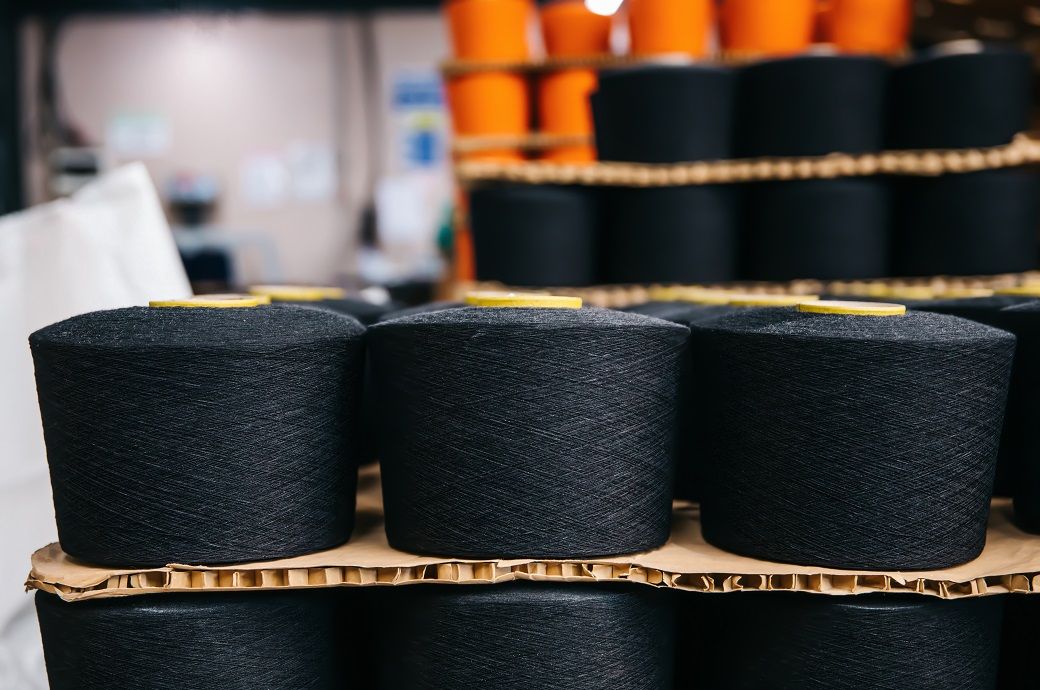
The Delhi cotton yarn market witnessed price rise of ****;*–* per kg over the past couple of days. Mills are raising cotton yarn prices to pass on increase in cotton prices. However, consumer industry feels that spinning mills are increasing cotton yarn prices disproportionately. A trader from Delhi market told Fibre*Fashion, “Spinning mills have booked their production for the next **–** days in the export market. Therefore, they face minimal pressure to sell cotton yarn in the domestic market and are quoting higher prices for the local consumer industry.”
In Delhi, ** count combed knitting yarn was traded at ****;***–***(~$*.**–*.**) per kg (GST extra), ** count combed at ****;***–*** (~$*.**–*.**) per kg, ** count carded at ****;***–*** (~$*.**–*.**) per kg, and ** count carded at ****;***–*** (~$*.**–*.**) per kg today, according to market sources.
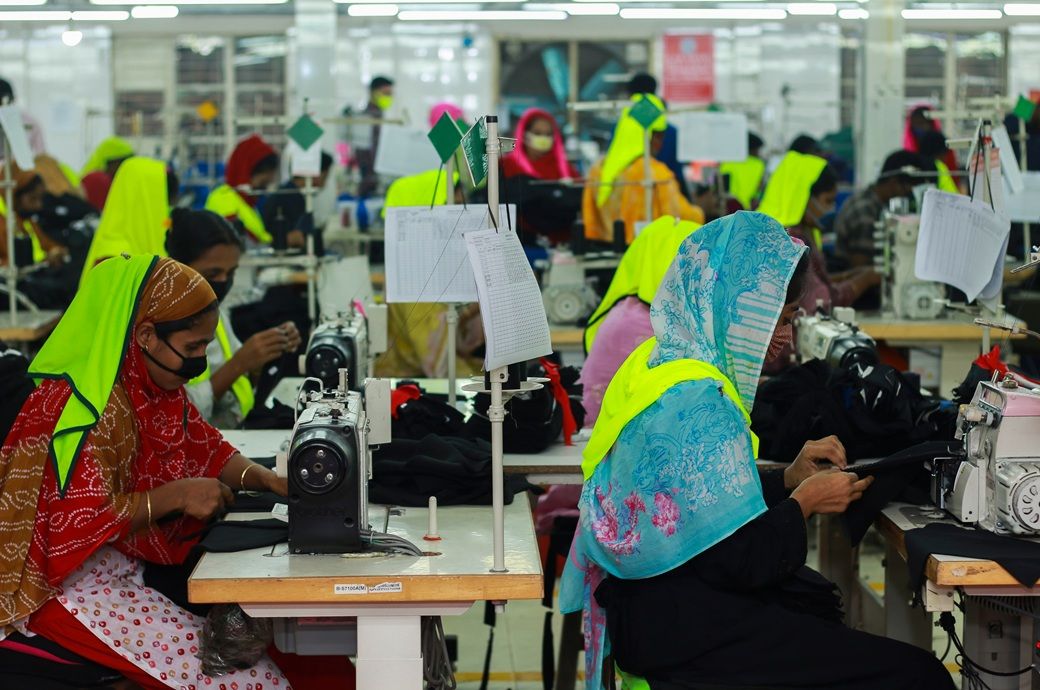
The call came at a national consultation in Dhaka on the draft Bangladesh National Strategy on Circular Economy for the sector.
Bangladesh government officials, industry leaders and sustainability experts recently called for finalising a national circular economy strategy for the textile and RMG sector as that is essential to protect competitiveness in the global apparel market.
They emphasised the need to embed circular practices across the entire value chain while improving transparency and building institutional capacity.
The event was organised by the United Nations Industrial Development Organisation (UNIDO) and the country’s Ministry of Commerce, in collaboration with Chatham House, under the Switch to Circular Economy Value Chains (SWITCH2CE) project, co-funded by the European Union (EU) and Finland.
SWITCH2CE project partner Chatham House worked with two leading national research organisations in Bangladesh to conduct two policy level research, and lessons from the pilot projects outlined future steps to foster a national circular textile strategy for Bangladesh, a release from SWITCH2CE said.
Through SWITCH2CE, technical support has been provided by Chatham House and a diverse network of partners, including international brands, research institutions, and financing organisations, working alongside local industry actors and technology providers.
Participants emphasised the need to embed circular practices across the entire value chain—from design and production to waste recycling—while improving transparency and building institutional capacity.
They emphasised policy recommendations to formalise and scale circular approaches across the entire value chain—from design and production to textile waste recycling—while improving traceability and building institutional and financial capacity.
Discussions also addressed challenges in blended fiber recycling, transparent supply chains, and the need for coordinated efforts to build a sustainable textile ecosystem by adopting a national circular strategy.
Fibre2Fashion News Desk (DS)
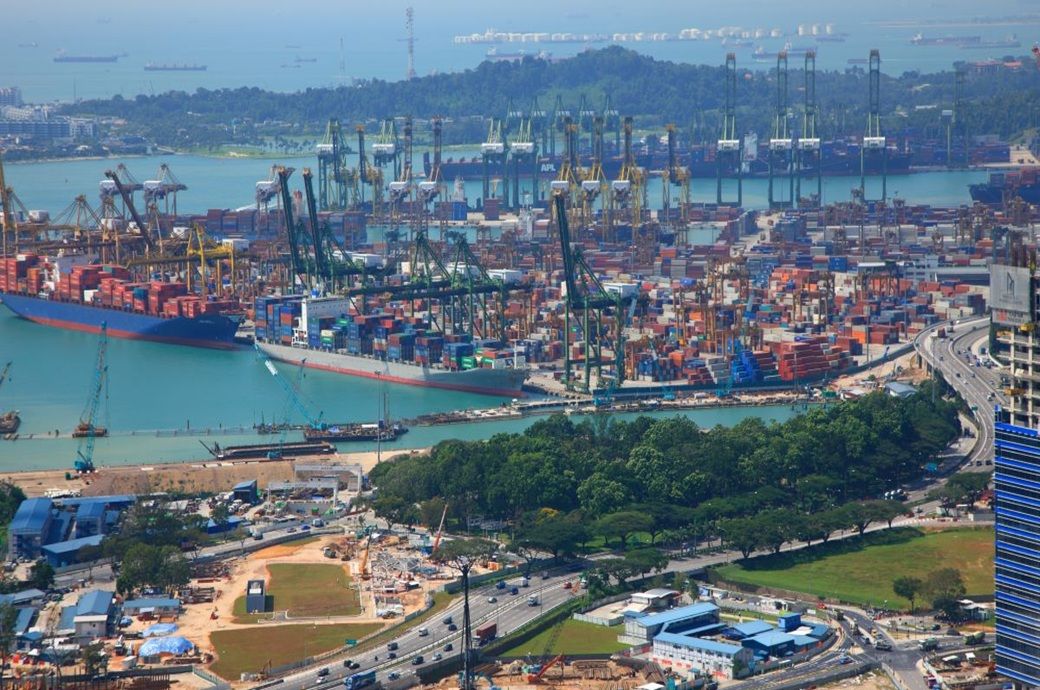
Singapore, one of the world’s most connected and efficient port hubs, offers a platform for testing and deploying innovations in areas such as cleaner fuels and digital technologies. UNCTAD complements this with global reach, policy expertise and hands-on support to developing countries.
UNCTAD and the Maritime and Port Authority of Singapore have launched a partnership to support the transition toward more sustainable, resilient and inclusive maritime transport systems.
They will promote adoption of alternative fuels and digital solutions across ports and shipping networks.
Efforts will focus on approaches that can be adapted to different national contexts.
Under the agreement, the partners will promote adoption of alternative fuels and digital solutions across ports and shipping networks. Efforts will focus on approaches that can be adapted to different national contexts, alongside knowledge-sharing in sustainable finance, digital innovation and workforce development.
“This partnership brings together Singapore’s operational excellence and UNCTAD’s global development expertise,” said Pedro Manuel Moreno, acting secretary general of UNCTAD.
“It will help accelerate a maritime transition that is not only greener and more efficient, but also resilient and inclusive—while contributing to global discussions at the UN Global Supply Chain Forum 2026,” he noted.
As pressure mounts to decarbonise ports, they face a complex balancing act: reducing emissions while keeping trade flowing efficiently and competitively, according to the UNCTAD, which recently said that challenge is turning more urgent as global supply chains navigate renewed uncertainty.
Recent tensions affecting key maritime chokepoints, including the Strait of Hormuz, have highlighted the risks of continued reliance on fossil fuels in global shipping. Volatility in energy markets and disruptions to shipping routes are reinforcing the case for alternative fuels and more resilient port infrastructure, UNCTAD said in a release.
A central priority of the partnership is ensuring that the maritime transition is inclusive.
Developing countries, many of which depend heavily on maritime trade, often face constraints in financing, technology and skills. The initiative will support these countries through training, advisory services and institutional strengthening.
Building on UNCTAD’s long-standing work with port communities, the partnership aims at improving port performance, strengthening connectivity and enhancing preparedness for disruptions.
The initiative will also contribute to preparations for the 2nd UN Global Supply Chain Forum taking place in late 2026, where policymakers, industry leaders and international organizations will address the future of trade logistics and resilience.
Fibre2Fashion News Desk (DS)


Protesters halt NatWest shareholder meeting as boss defends climate policy

North India cotton yarn prices rise as mills gain pricing power

How does Middle East conflict threaten subsea cables?

-

 Sports1 week ago
NCAA men’s gymnastics championship: All-time winners list
-

 Sports1 week ago
WWE WrestleMania 42 Night 2: Live match results and analysis
-

 Fashion1 week ago
UK’s Sosandar returns to profitability amid robust FY26 performance
-

 Politics1 week ago
UK’s Starmer seeks to deflect blame over Mandelson appointment
-
 Business1 week ago
No fuel shortage: Govt assures 100% domestic LPG, PNG, CNG supply amid Hormuz energy crunch – The Times of India
-

 Entertainment1 week ago
Lee Anderson, Zarah Sultana kicked out of UK Parliament for calling PM ‘liar’
-
 Business1 week ago
How Trump’s psychedelics executive order could unlock stalled cannabis reform
-
 Business7 days ago
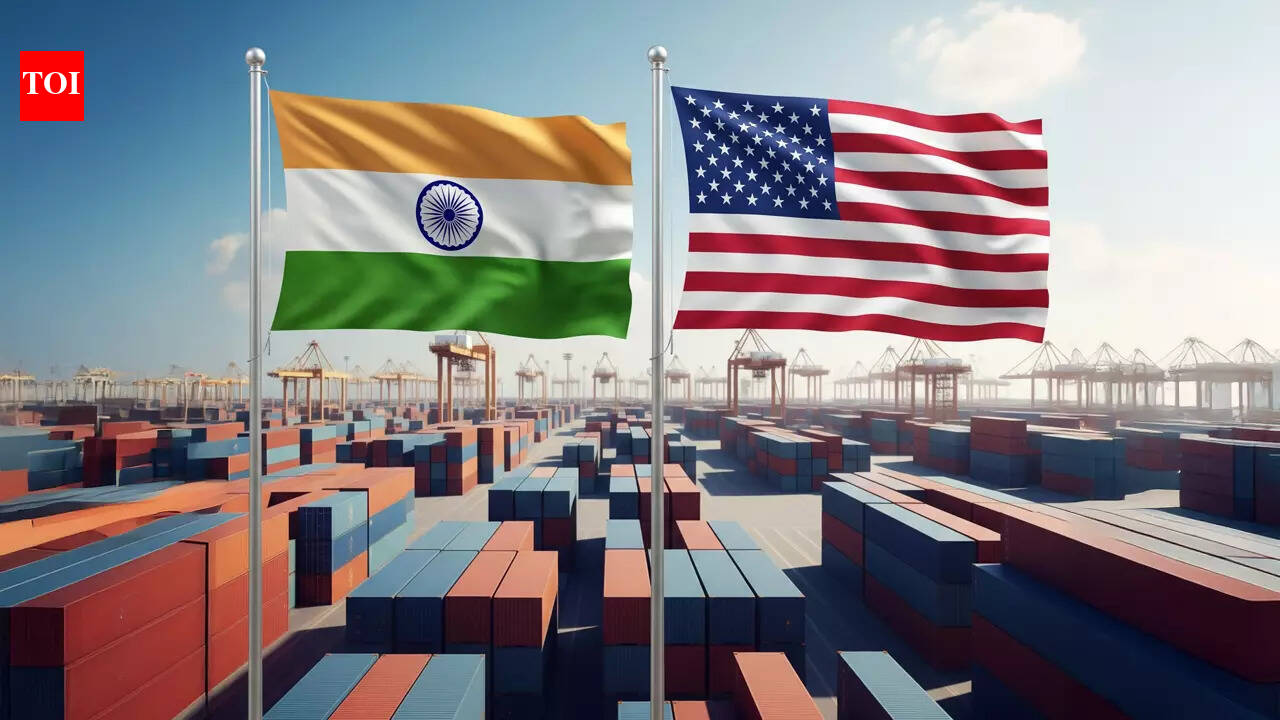
Us-India Trade Talks: US–India trade deal: Where do talks stand & what to expect – explained – The Times of India