

Politics
Israelis, Palestinians adjust to Iranian rockets

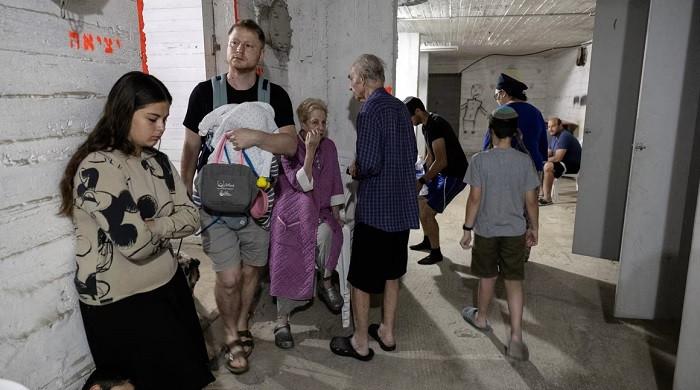
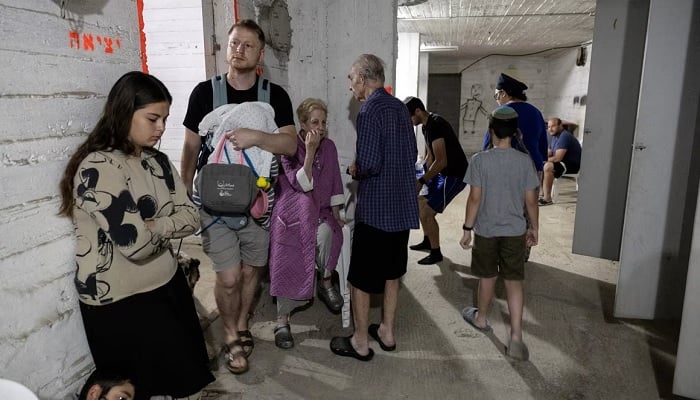
What is Israel’s best bomb shelter? And when is the best time of day to shower without interruption from a missile alert?
The Middle East war that began with US and Israeli strikes on Iran has provoked waves of retaliatory Iranian fire as well as some tricky questions for Jews and Arabs from Tel Aviv to Jerusalem.
A new app, which went viral in the country within hours of launching, uses statistical analysis of recent air raid alerts in specific areas to guide users on the optimal time of day to bathe, while limiting the chances of having to run for cover mid-wash.
“Can’t even take a shower. I’m naked in the dining room. Is that normal?” quipped an Israeli on a Telegram account with 60,000 followers, as an alert warning of incoming Iranian missiles ordered residents to head for shelter.
Time Out, a publication known for directing people towards trendy restaurants and cocktail bars, is also trying to help the public navigate the war.
It has published a list of desirable Tel Aviv beach spots based on their proximity to a shelter.
“We searched and found beaches that are near compliant protected areas (shelters) you can reach in just a few minutes’ walk if necessary. Don’t panic!”
Journalist Ofek Tzach has offered a ranking of Tel Aviv’s public shelters.
Among the low performers are one that he derides as packed with tourists, another “with barking dogs,” and a third he says is “quiet but with no one to talk to.”
Married in bomb shelter
There have also been endearing moments that have captured the public’s attention.
The wedding venue booked by Lior and Michael was no longer available, due to security restrictions, so the couple got married in a shelter — four levels below ground in a shopping centre parking lot.
“It was a wonderful moment,” even if 70% of the people there were strangers, Michael told Israel’s Channel 13.
There has also been a surge of online advice on how to make time in shelters more bearable.
Books, music and cushions are popular recommendations, standing in contrast to the more austere guidance from Israeli authorities, which includes having a radio, batteries, a phone charger and ID papers.
For Palestinians living in Israeli-annexed East Jerusalem, responses to the relentless air raid sirens have tilted towards dark humour.
There are a few public shelters in the eastern part of the city, and private shelters are almost non-existent.
“At the moment, Palestinians are taking a plate of qatayef and going up to the roof” to watch the missiles, said a Facebook post by pastry chef Mohammad Alayan, referring to the dessert traditionally eaten during the Muslim holy month of Ramadan.
Palestinians in East Jerusalem regularly film rockets streaking through the sky from their rooftops.
Palestinians also took playful aim at a Facebook post by Jerusalem Mayor Moshe Lion detailing the proper conduct when an air raid siren sounds.
One comment on the post, apparently from a resident of the east Jerusalem refugee camp Shuafat, asked: “What is someone in Shuafat refugee camp supposed to do? Jump out the window?”
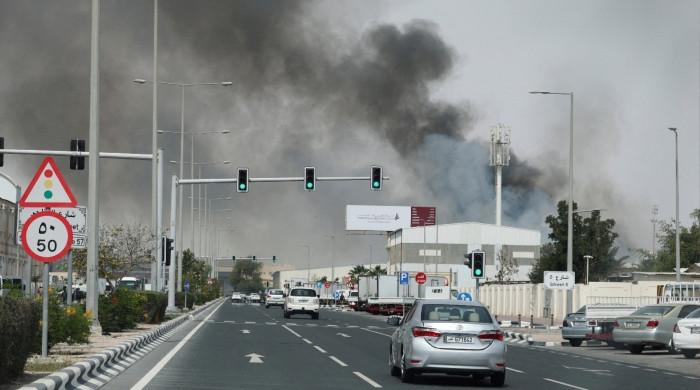
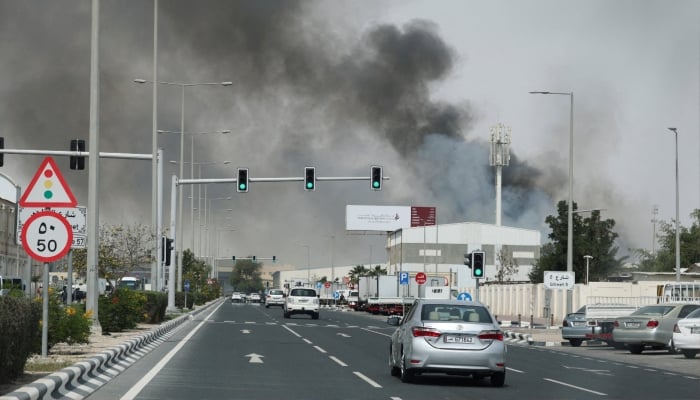
Qatari authorities have arrested more than 300 people for sharing images and what they described as “misleading information” during days of attacks by Iran, the interior ministry said on Monday.
The arrests echo measures across the Gulf as Iran targets airports, military bases, energy installations and residential areas with daily drones and missiles.
Those arrested “filmed and circulated video clips and published misleading information and rumours that could stir public opinion”, a statement said.
The people of “various nationalities” were held by the Department for Combating Economic and Cyber Crimes at the ministry´s General Directorate of Criminal Investigations.
The announcement follows a spate of arrests elsewhere in the region.
In Bahrain, four people were arrested for “filming and broadcasting clips about the effects of Iranian attacks and spreading false news”, the interior ministry said on Friday.
And in Kuwait, authorities on Saturday said three people had been arrested over a video showing them mocking the situation in the country.
Residents in the United Arab Emirates have received text messages warning of possible legal action for sharing sensitive images or “reposting unreliable information”.
The UAE attorney general’s office also warned against “filming, publishing, or circulating images and videos documenting incident sites or damage caused by falling projectiles or shrapnel”, the Emirates News Agency said.
Saudi Arabia has issued similar warnings.
Despite the warnings, images of missiles, drones and the fallout of the war continue to circulate on social media and in group chats.
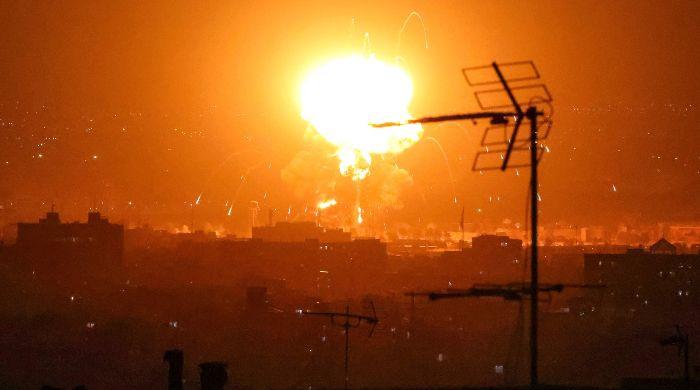
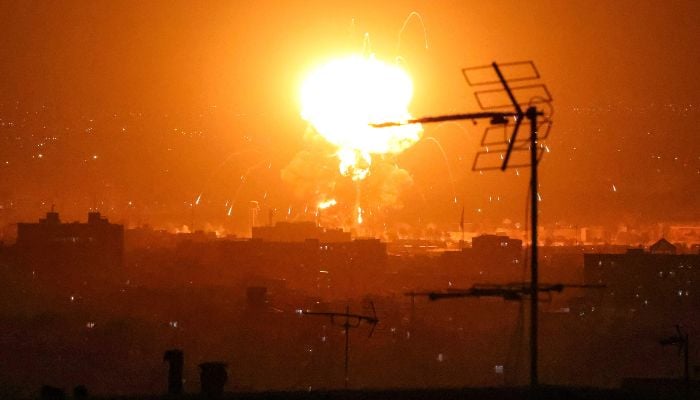
The first week of the US military campaign against Iran has cost around $6 billion, including about $4 billion spent on munitions and advanced missile interceptors, as Pentagon officials told Congress additional funding will likely be needed to sustain operations and replenish stockpiles.
The figures were disclosed during congressional discussions this week.
According to a report in The New York Times, about 4,000 Iranian targets have been struck, including missile launchers, naval vessels and air defence systems, significantly weakening Tehran’s ability to retaliate.
Gen Brad Cooper, head of US Central Command, said Iran’s ballistic missile launches have dropped by about 90% since the start of the conflict, while drone attacks have declined by roughly 83%.
Despite the losses, Iran still retains significant military capability, including an estimated half of its missile arsenal, he added.
Lawmakers in Washington are preparing for a possible supplemental funding request from the administration in the coming weeks as the rapid spending comes under scrutiny from both Democrats and Republicans.
Critics have warned that expensive interceptor missiles — some costing millions of dollars each — are being used at a pace that could strain the US defence industrial base and create shortages in other strategic theatres.
The conflict began on February 28 when the United States and Israel launched large-scale strikes on Iran, reportedly martyring more than 1,200 people, including Iran’s Supreme Leader Ali Khamenei and several senior military officials.
Iran has retaliated with missile and drone attacks targeting Gulf countries, US bases, diplomatic facilities and military personnel across the region, as well as multiple Israeli cities.
The escalation has also raised concerns about global energy supplies as maritime traffic through the Strait of Hormuz, a key route carrying about 20 million barrels of oil per day, has declined sharply.
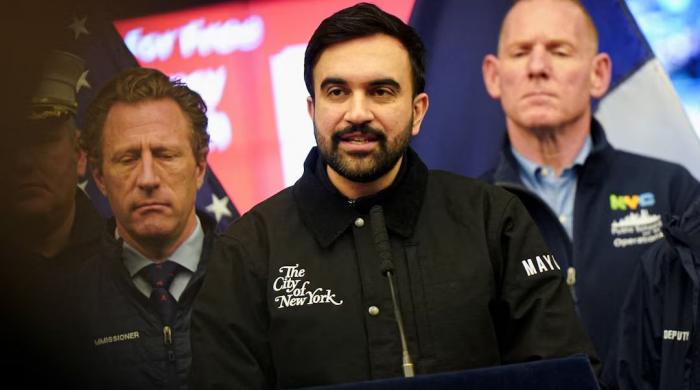
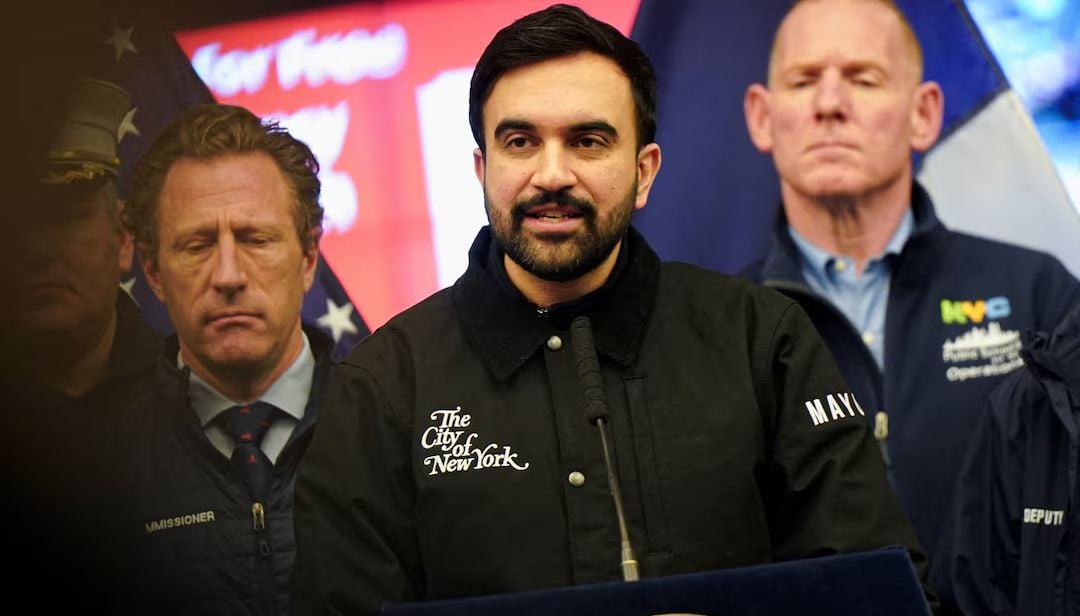
New York City Police said on Sunday a device that was ignited and thrown during protests outside Mayor Zohran Mamdani’s home over the weekend was an explosive that could have caused serious injury or death.
The device, a jar filled with nuts, bolts and screws and wrapped in black tape with a fuse, was thrown by a counterprotester on Saturday outside Gracie Mansion, but it extinguished itself before any explosion, according to a statement from New York City Police Commissioner Jessica Tisch. Two people were in custody, Tisch said.
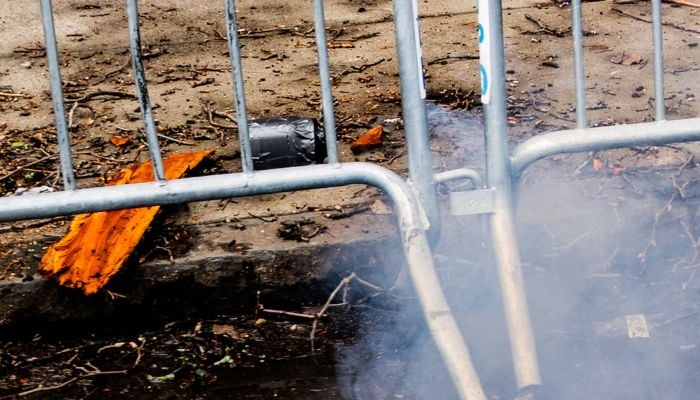
The device was one of two that were thrown during the protests, which were led by two opposing groups, according to police. The second device was still being examined, Tisch said.
Far-right activist Jake Lang led a protest on Saturday outside Gracie Mansion – where Mamdani lives with his wife – against a purported Islamic “takeover” of New York City and against public prayer by Muslims. Tisch said at a press conference on Saturday that she did not believe Mamdani and his wife were home at the time.
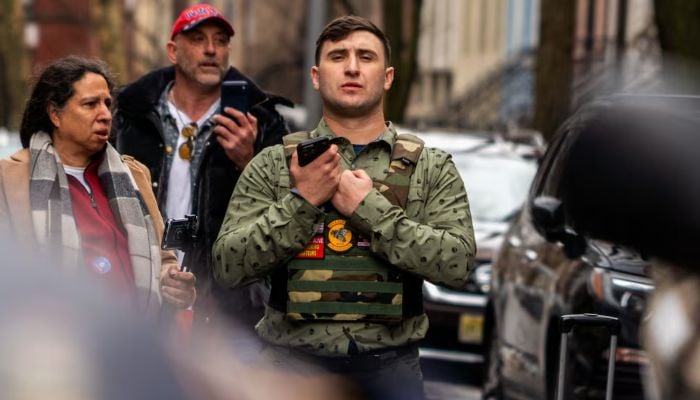
In a statement on Sunday, Mamdani condemned Lang’s protest but said the violence that followed it was more disturbing.
“Violence at a protest is never acceptable,” Mamdani said. “The attempt to use an explosive device and hurt others is not only criminal, it is reprehensible and the antithesis of who we are.”
Lang’s protest, which consisted of about 20 people, was opposed by a far larger counterprotest of 125 people aimed at running “Nazis” out of New York, Tisch said at a press conference on Saturday. Police said Emir Balat, 18, was among the counterprotesters before he lit and threw the device.
The device rolled near police before it extinguished itself, Tisch said on Saturday. Balat ran after throwing it and eventually lit and dropped a second device in the street, according to Tisch.
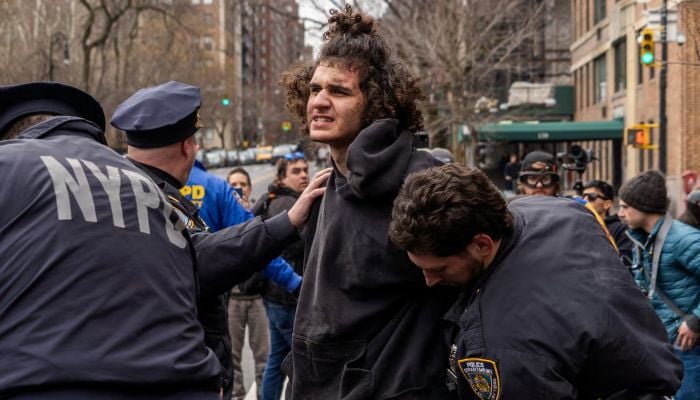
Balat and another man, whom police on Sunday identified as Ibrahim Kayumi, were arrested at the scene, Tisch said. New York police are working with the FBI and the US Department of Justice on the investigation.
Tisch said on Saturday there was no immediate indication the incident was related to the US attack on Iran, but that authorities were still investigating.


NASA crashes spacecraft into asteroid moonlet, successfully deflects its orbit

Anthropic Sues Department of Defense Over Supply-Chain Risk Designation

Nigeria forms textile steering committee to set up CTGDB

-
 Politics2 days ago
India let Iran warship dock the day US sank another off Sri Lanka, say officials
-

 Sports3 days ago
Pakistan set for FIH Pro League debut | The Express Tribune
-

 Sports1 week ago
College basketball star suspended by team for spitting toward opposing fan
-

 Entertainment1 week ago
Al Jazeera broadcast interrupted by emergency missile alert in Qatar
-
 Entertainment2 days ago
Harry Styles kicks off new era with ‘One Night Only’ comeback show
-
 Business1 week ago
Labour parliamentarians urge UK Government to oppose Rosebank oil field
-

 Sports1 week ago
Michigan loses L.J. Cason for rest of season with torn ACL
-
 Business3 days ago
Home heating oil: ‘Most of my pension has gone on home heating oil’