

Fashion
Italy’s Prada explores layered identities for Fall/Winter 2026

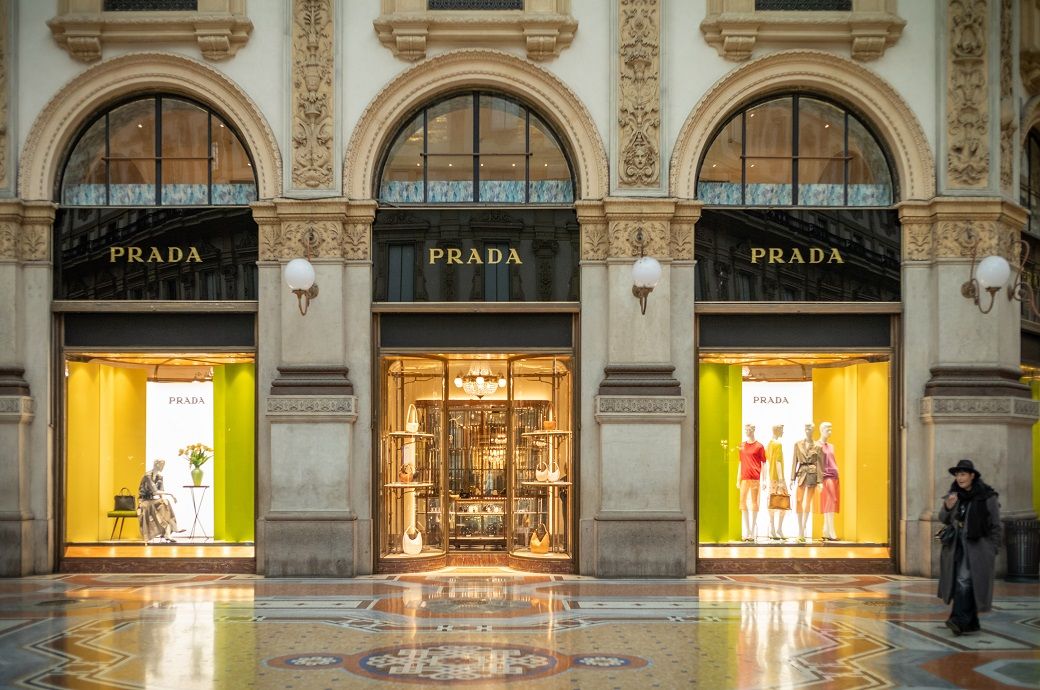
A manifestation of how clothes are truly worn, in daily life, their layering here is simultaneously representative of a layering of histories, personal and collective, of memories and experiences. They express a notion of self-determination, agency. Equally, a defined cast of 15 women draws our attention to each within these evolving clothes – it allows an exploration of the infinite, ever-shifting facets of her character. Paradoxically, an apparent simplification can serve to convey complexities.
Prada’s Fall/Winter 2026 collection by Miuccia Prada and Raf Simons explores layering as both a physical and emotional language.
Blending tailoring, sportswear and archival references, the clothes reflect shifting identities, memory and self-determination.
A cast of 15 women embodies evolving character, while aged fabrics and embedded histories echo the multi-century artworks staged at Fondazione Prada.
Perspectives transmute, both in transposition of garment types and their non-hierarchical mixing. Clothes are layered with precision – tailoring, sportswear, embroidered satin dresses, contradictory compositions that also speak to a distinctly Prada language of fashion. Fragments and fractures excite curiosity. Mutations from within, visible to the exterior, anticipate that which may lie beneath.
Fabrications fuse disparate identities, superimposed materials eaten away as a means of revelation. Archival dresses, like memories, can be embedded within other minimal garments – layers discovered, within layers. A passage of time is implied through demarcation and patinating, materials intentionally faded, precious embroideries aged, a new approach to decoration. They have lived.
In an echo of these ideas, the Deposito of the Fondazione Prada is populated by original artworks, significant furniture and objects: tapestry and a painting from the 16th and 17th centuries, 18th century Venetian mirror and consoles; chairs, lamps, and paintings from the 1900s. These artefacts span five centuries, divergent cultures, different places. Like the clothes, their meaning is layered, inherently personal, intimate, and filled with ceaseless possibilities.
Note: The headline, insights, and image of this press release may have been refined by the Fibre2Fashion staff; the rest of the content remains unchanged.
Fibre2Fashion News Desk (RM)









Median perceived inflation over the past 12 months rose to 3.5 per cent in March from 3.0 per cent in February. Short-term inflation expectations increased sharply, with one-year ahead expectations climbing to 4 per cent from 2.5 per cent, while three-year expectations rose to 3 per cent from 2.5 per cent. Longer-term expectations edged up slightly to 2.4 per cent from 2.3 per cent, ECB said in a press release.
Euro area consumers grew more pessimistic in March 2026 as inflation expectations rose, with one-year ahead forecasts reaching 4 per cent, as per ECB.
Spending expectations strengthened, while income outlook remained unchanged.
Growth expectations fell to -2.1 per cent and unemployment expectations increased.
Consumers also expected higher house prices and mortgage rates, signalling a cautious outlook.
Across income groups, lower-income households continued to report slightly higher inflation perceptions and expectations than higher-income groups, although the overall trend of rising expectations was broadly consistent. Younger respondents reported lower inflation expectations than older cohorts.
Consumers’ income outlook remained subdued. Expected nominal income growth over the next 12 months was unchanged at 1.2 per cent. However, spending expectations strengthened, with expected spending growth rising to 4.1 per cent from 3.5 per cent, the highest level since May 2023. Perceived spending growth over the past year also increased to 5.1 per cent.
Economic sentiment weakened further. Growth expectations for the next 12 months fell deeper into negative territory at -2.1 per cent, compared with -0.9 per cent in February. At the same time, the expected unemployment rate 12 months ahead rose to 11.3 per cent from 10.8 per cent, with lower-income households anticipating higher joblessness than higher-income groups.
The ECB said the results point to a more cautious consumer outlook, marked by rising inflation concerns, resilient spending expectations, and a deteriorating view of economic growth and labour market conditions.
Fibre2Fashion News Desk (SG)
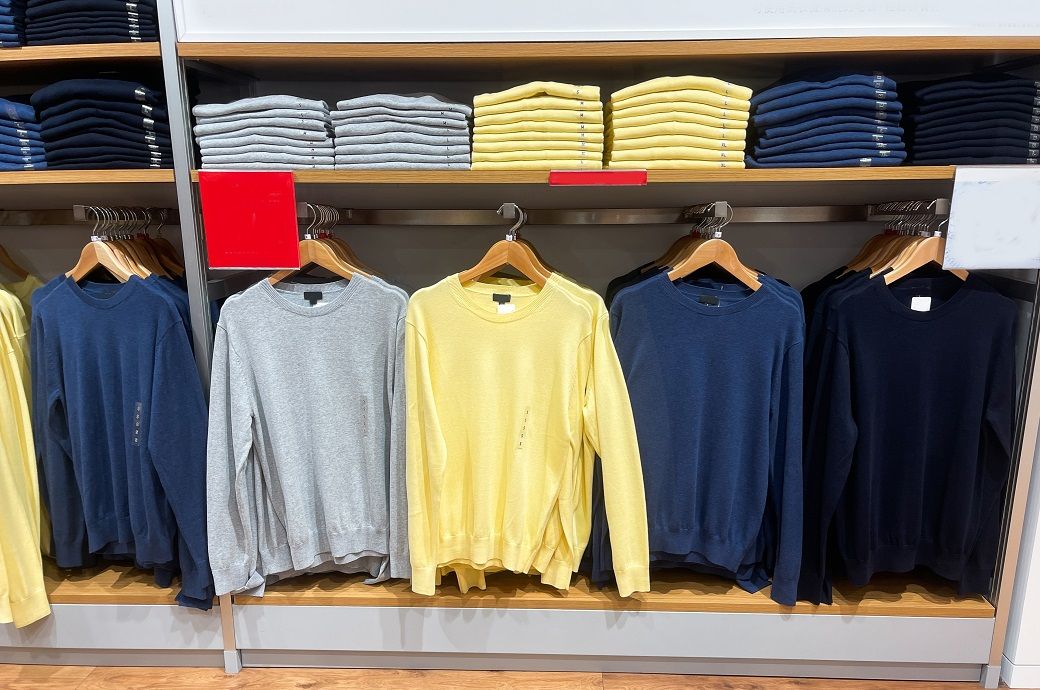
Imports of knitted apparel (HS **) eased to NZ$*,***.** million (~$***.** million) from NZ$*,***.** million, registering a decline of *.* per cent. Similarly, non-knitted apparel (HS **) imports fell to NZ$***.** million (~$***.** million) from NZ$***.** million, down *.* per cent. The parallel softness across both segments indicates broad-based stabilisation in garment demand rather than category-specific weakness.
In contrast, textile fabric imports (HS **) showed strong growth, rising to NZ$**.** million (~$**.** million) in fiscal ****–** from NZ$**.** million in the previous fiscal, marking an increase of **.* per cent. This suggests relatively steady demand for intermediate inputs even as finished apparel imports softened.
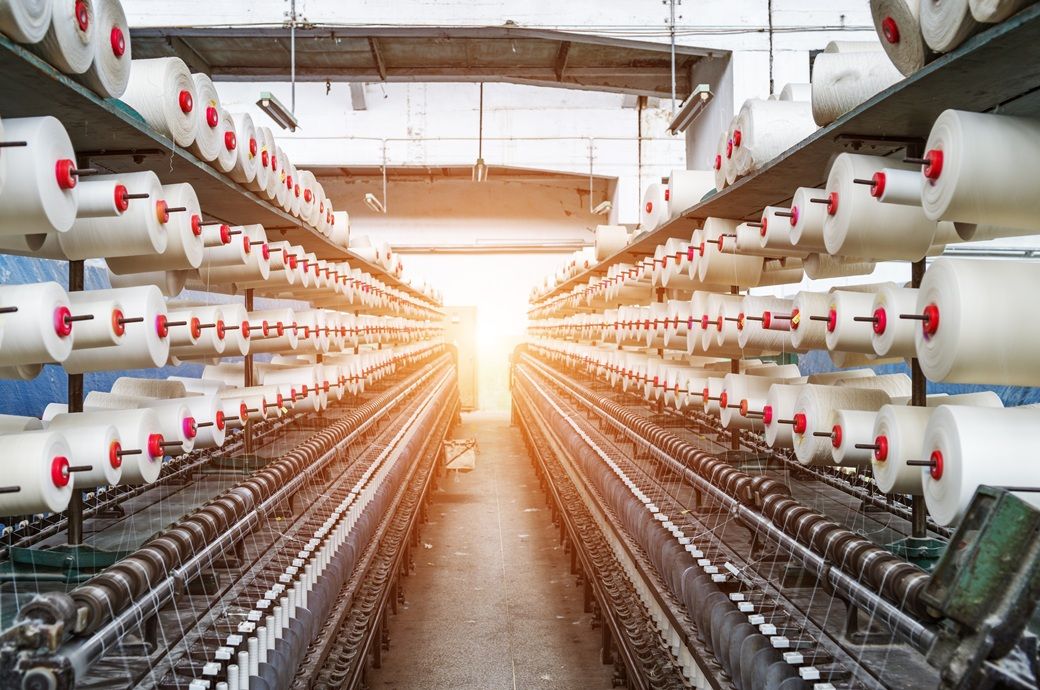
State officials are hopeful of the conference helping accelerate the industrial development of South Gujarat by attracting large-scale investments.
The Vibrant Gujarat Regional Conference, scheduled to be held on May 1-2 in Surat, is expected to create direct connections between global buyers and local manufacturers, facilitate technology transfer and draw FDI into key sectors, including textiles.
Alongside the conference, the Vibrant Gujarat Regional Exhibition (VGRE) will also be held at the same venue from May 1 to 5.
A new state textile policy implemented in 2024 offers capital subsidies ranging from 10 to 35 per cent for new units and aims at expanding employment opportunities through value addition across the supply chain. The conference is expected to align state policy initiatives with industry requirements.
Alongside the conference, the Vibrant Gujarat Regional Exhibition (VGRE) will also be held at the same venue from May 1 to 5. The exhibition will also showcase the achievements of micro, small and medium enterprises, and handicraft and cottage industries, an official release said.
The last such conference was organised in Rajkot.
Fibre2Fashion News Desk (DS)


Wales rugby star George North drops major career update that shocks fans

Euro area consumers expect higher inflation, slower growth ahead: ECB

When Robots Have Their ChatGPT Moment, Remember These Pincers

-

 Politics1 week ago
UK’s Starmer seeks to deflect blame over Mandelson appointment
-
 Business1 week ago
How Trump’s psychedelics executive order could unlock stalled cannabis reform
-

 Entertainment1 week ago
Lee Anderson, Zarah Sultana kicked out of UK Parliament for calling PM ‘liar’
-
 Business1 week ago
Us-India Trade Talks: US–India trade deal: Where do talks stand & what to expect – explained – The Times of India
-

 Fashion1 week ago
India, US to resume BTA talks today
-

 Tech1 week ago
A Humanoid Robot Set a Half-Marathon Record in China
-

 Sports1 week ago
‘It’s his superpower’: Inside Fernando Mendoza’s extraordinary rise to No. 1
-
 Business1 week ago
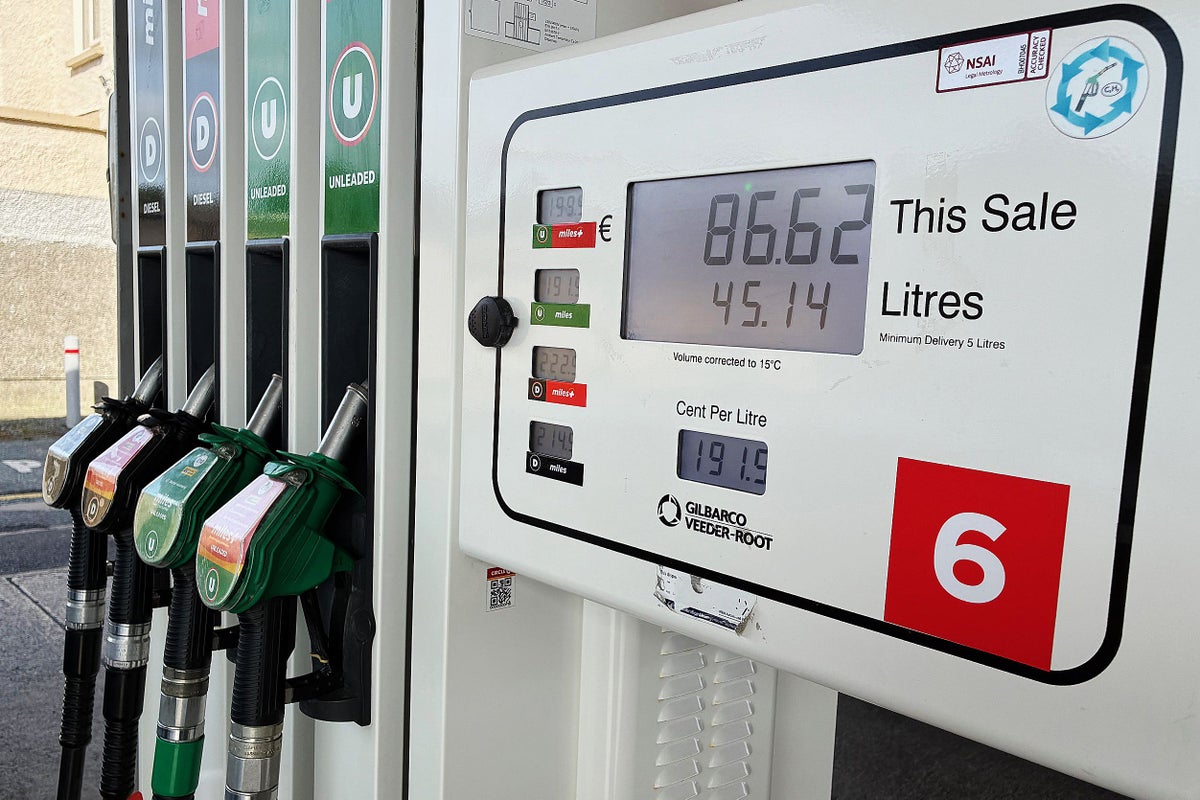
UK inflation accelerates after Iran war drives sharp rise in fuel prices