

Business
JetBlue unveils first-ever airport lounge, BlueHouse. Here’s what’s inside


JetBlue Airways’ new lounge, BlueHouse, at JFK’s Terminal 5.
Courtesy: JetBlue Airways
JetBlue Airways‘ first airport lounge since it started flying nearly 26 years ago is here, inspired by a New York City apartment — but bigger.
The 9,000-square foot lounge, called BlueHouse, is set to open Dec. 18 at 5 a.m. ET at the airline’s home hub at John F. Kennedy International Airport’s Terminal 5.
A seating area in JetBlue’s new airport lounge
Courtesy: JetBlue Airways
With the new space, JetBlue joins the ranks of larger carriers like Delta Air Lines and credit card companies like Chase, American Express and Capital One in the industry’s endless battle for customers who are willing to spend more to travel. It’s not alone in joining the race. Southwest Airlines CEO Bob Jordan told CNBC on Wednesday that the carrier is “actively pursuing” a network of airport lounges.
JetBlue is planning to open another BlueHouse at its hub in Boston next year.
The second floor of JetBlue’s first airport lounge.
Courtesy: JetBlue Airways
The two-floor JFK lounge was designed in an art deco style with free Wi-Fi, open seating and grab-and-go New York standards, like bacon, egg and cheese sandwiches for breakfast and pastrami on rye later in the day, the airline said. Beverage providers include Joe Coffee and beer bar chain the Greats of Craft.
The lounge’s cocktail partner is the bar Please Don’t Tell and, just like that East Village speakeasy, not everyone is getting in.
Here’s who is:
- Customers booked in JetBlue’s trans-Atlantic Mint business-class cabin. They can bring one complimentary guest and each additional visitor is $39.
- Holders of JetBlue’s Premier Mastercard credit card, who can also bring in a first guest free of charge and pay $39 for each guest after that.
- Mosaic 4 elite frequent flyer status holders, at the top tier of JetBlue’s loyalty program.
The airline plans to sell passes for lower status-tier members, customers traveling cross-country in the Mint cabin, and other credit card holders and lounge members starting in February, but the airline didn’t disclose pricing.
JetBlue said customers traveling with basic economy tickets are ineligible for complimentary access or one-time passes.
JetBlue said its first lounge was inspired by a classic New York City apartment.
Courtesy: JetBlue Airways
BlueHouse has capacity for 140 people, making it smaller than the spaces that some of its larger rivals offer, though it has a smaller network.
New York-based JetBlue has spent months pruning unprofitable routes and redeploying its aircraft to better position itself for high-end leisure travel and a return to profitability.
The airline recently partnered with United Airlines, which does not fly out of JFK but operates a massive hub in Newark, New Jersey.




Business
Armageddon scenario! Why Iran’s missile strikes on Qatar’s LNG spell nightmare for Europe, Asia – The Times of India

Is an Armageddon scenario about to play out? Europe and Asia are facing a nightmare scenario with the escalating crisis in the Middle East now increasingly impacting key energy infrastructure. The latest shockwave for the market has come in the form of a big hit to Qatar’s Ras Laffan complex on Thursday morning by Iran.LNG or liquefied natural gas facilities rank among the most intricate and large-scale industrial structures ever built, and Ras Laffan stands as the biggest of them, converting Qatar’s vast gas reserves into super-cooled fuel for global transport—until the Iranian missile strikes disrupted operations.This has led to markets across Europe and Asia confronting a new energy shock. Under normal conditions, roughly one-fifth of the world’s LNG supply originates from Ras Laffan, which is a sprawling industrial hub developed over three decades at a cost of hundreds of billions of dollars and covering an area nearly three times that of Paris.To understand the scale of LNG operations at the facility, sample this: Ras Laffan operates 14 liquefaction trains that process gas into 77 million tonnes of LNG annually, sufficient to meet Japan’s entire yearly demand or exceed the combined needs of the UK and Italy!
Armageddon scenario plays out for Europe, Asia
The immediate impact of the latest strikes was evident across global energy markets. Brent crude prices briefly surged by over 10 percent, crossing the $119-per-barrel mark before easing from those highs.
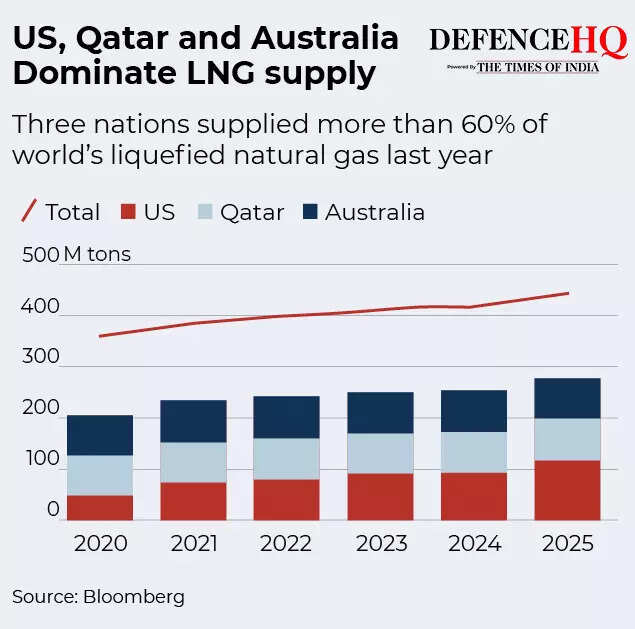
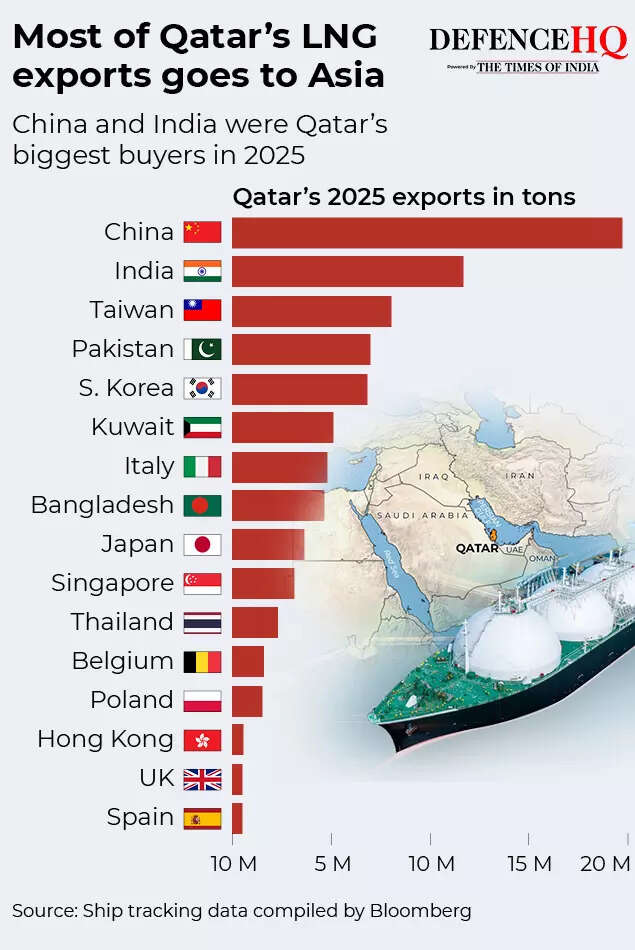
In Europe, gas prices spiked as much as 35 per cent and later stabilised at around 70 euros per megawatt hour, still reflecting a gain of about 28 per cent. This rise is expected to feed through to electricity costs, as power prices in the region are largely linked to gas rates.Analysts at EnergyScan told AFP, “We are not yet in the worst-case scenario we described in our last monthly report, but we are getting closer.”European gas prices have more than doubled since the US-Israel-Iran conflict began, as traders assessed the implications of a prolonged disruption to Qatar’s LNG exports. “I woke up this morning and thought, ‘No, please no,’”Anne-Sophie Corbeau, former head of gas analysis at BP and now with Columbia University’s Center on Global Energy Policy, told the Financial Times. “This has always been my nightmare scenario, my Armageddon scenario, the one I didn’t want to happen,” the report quoted the expert saying.Two gas traders said they were still trying to absorb the scale of the incident after Iran carried out a two-stage attack, launching ballistic missiles at the facility late Wednesday and again in the early hours of Thursday. “This is unprecedented,” one of them said.QatarEnergy, the state-owned operator of Ras Laffan, told Reuters that damage to two LNG units—developed in partnership with ExxonMobil—could take between three and five years to repair. The disruption is expected to result in annual revenue losses of $20 billion and force the cancellation of long-term supply agreements with Italy, Belgium, Korea and China.The disruption has effectively removed about 17 per cent of Qatar’s overall gas output for the foreseeable future. Prior to the strike, market participants believed LNG shipments from Ras Laffan would quickly resume once tensions in the Middle East subsided and the Strait of Hormuz became secure for tanker movement. Although prices had climbed last week, they had steadied at levels well below those recorded during Russia’s invasion of Ukraine in 2022.That outlook has now been overturned!
Years of repair to drive up prices
One trader told Financial Times that European gas prices are likely to remain elevated “through 2027,” while the region could struggle to replenish storage levels over the summer as Asian buyers turn to US LNG to offset the shortfall. Asia was already dealing with constrained supply and rationing following disruptions from the Gulf. Europe, increasingly dependent on LNG after Russia curtailed pipeline exports during its war with Ukraine, now faces intensified competition with countries such as Japan and South Korea for limited LNG cargo availability.
Laurent Segalen, a clean energy investment banker, was quoted as saying: “It is apocalypse now. The coming months for gas importers are going to be a bloodbath.” The infrastructure required to cool gas into LNG is highly complex and cannot be replaced quickly. Repairs will involve a meticulous process that can only begin once Qatar is assured that the site is secure and personnel can return without the threat of further attacks.Tom Marzec-Manser, an LNG specialist at energy consultancy Wood Mackenzie, said it is already clear that a return to normal output levels in Qatar will not happen quickly, regardless of how soon the conflict ends. “What we can conclude immediately is that regardless of when the conflict now ends, a resumption of normal production from Qatar is not going to happen in a matter of weeks,” he told FT.The expert noted that earlier projections had suggested production at Ras Laffan could resume within about 40 days, but that timeline is no longer realistic. He also indicated that Qatar’s ambitious expansion plans for the facility, which include adding six new liquefaction units over this year and next, are now likely to face delays. “There is an element of uncertainty, but we know now this is a months-long reduction in supply,” he added.Although some LNG projects in the United States are expected to come online soon, Corbeau said replacing Qatari supply is far from straightforward and involves significant political challenges. She pointed out that some policymakers have already begun advocating for easing restrictions on Russian gas imports.At the same time, several countries have started reverting to coal-based power generation, while industrial operations in parts of Southeast Asia are being forced to scale back or suspend production due to limited energy availability. “The world of energy is going to fracture between the haves and the have-nots,” said Segalen.
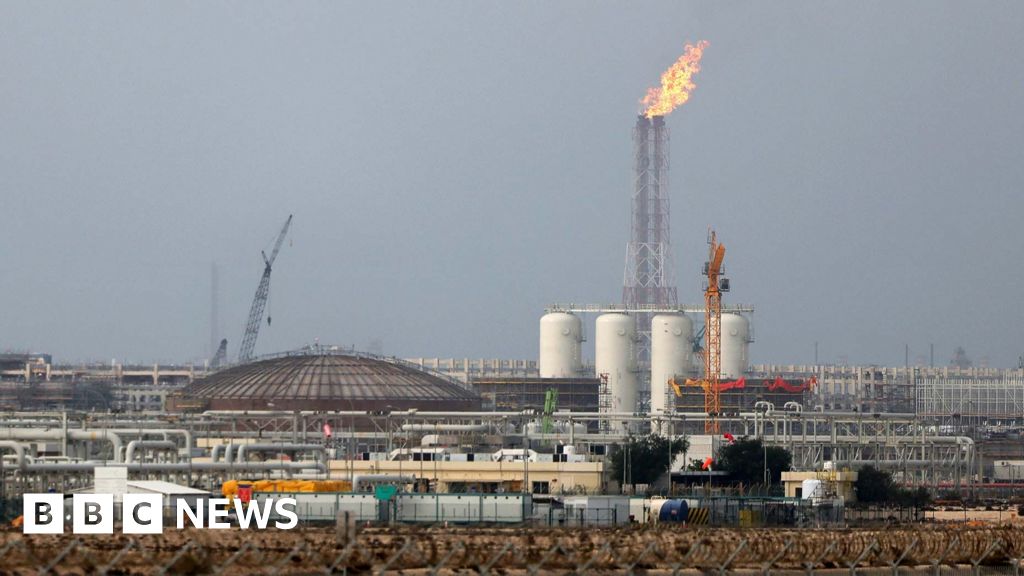
Analysts fear the disruption to supply could continue for longer than initially thought.
Source link
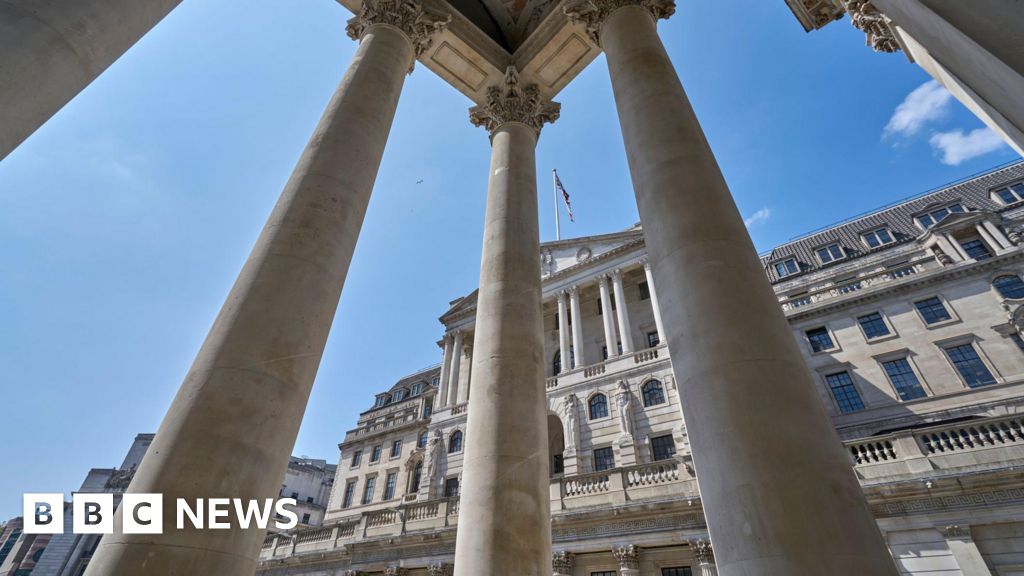
Policymakers vote unanimously to hold rates at 3.75% after the Iran war prompts a sea-change in the debate over borrowing costs.
Source link


A New Game Turns the H-1B Visa System Into a Surreal Simulation

British journalist narrowly escapes Israeli missile strike on live camera

How assistant managers handle players, personal ambition

Stock market crash today (March 12, 2026): Nifty50 opens below 23,600; BSE Sensex down over 900 points on continuing US-Iran war – The Times of India

UK’s Topshop unveils Tolu Coker capsule collection
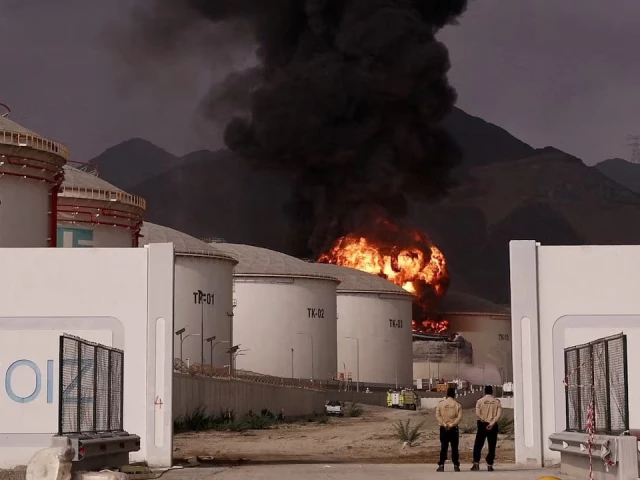
US ignites Iran war, but Gulf Arab states pay the price | The Express Tribune

-
Business1 week ago
Stock market crash today (March 12, 2026): Nifty50 opens below 23,600; BSE Sensex down over 900 points on continuing US-Iran war – The Times of India
-
 Fashion1 week ago
UK’s Topshop unveils Tolu Coker capsule collection
-
Business1 week ago
US ignites Iran war, but Gulf Arab states pay the price | The Express Tribune
-
 Fashion1 week ago
India’s textile recycling market may reach $3.5 bn by 2030: Report
-
 Tech1 week ago
Meta Developed 4 New Chips to Power Its AI and Recommendation Systems
-
 Business1 week ago
8th Pay Commission: How Much Will Central Govt Employees’ Salaries Rise? What We Know So Far
-
 Sports1 week ago
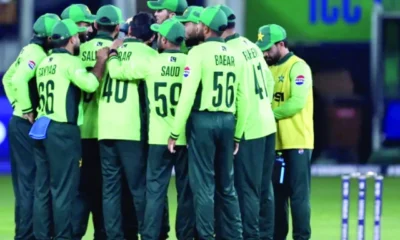
Bangladesh crush Pakistan in ODI series opener | The Express Tribune
-

 Entertainment1 week ago
Ed Sheeran makes surprising Benny Blanco confession after hygiene uproar