

Entertainment
Judge rules against Blake Lively’s major claim on Justin Baldoni

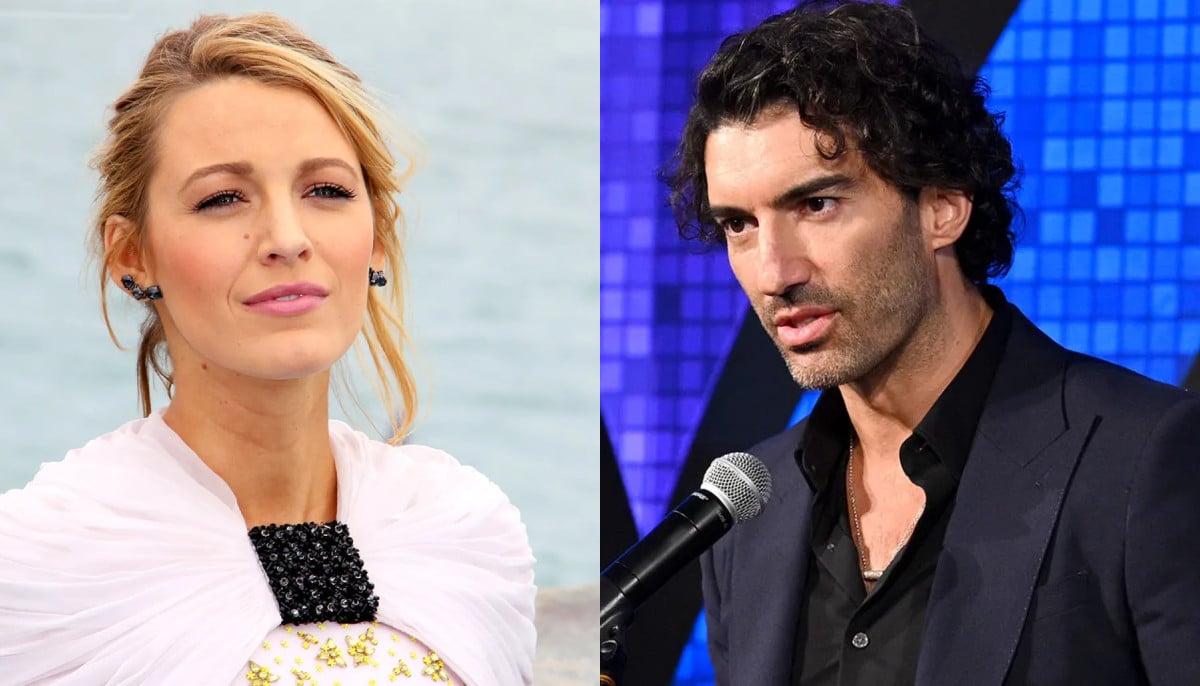
A federal judge has dismissed the majority of Blake Lively’s lawsuit against Justin Baldoni, throwing out ten of her thirteen claims including the central allegation of sexual harassment, but ruling that her accusations of retaliation will go before a jury at a trial scheduled for 18 May.
US District Judge Lewis Liman issued the ruling on Thursday, significantly narrowing the case that has played out in public and in the courts for over a year.
The remaining claims centre on alleged breach of contract, retaliation by Baldoni’s production company Wayfarer, and aiding in retaliation by the public relations firm he hired.
The sexual harassment claim was dismissed on legal grounds, the judge found it lacked the substantial connection to California required under the California Fair Employment and Housing Act, and that Lively did not qualify under federal civil rights law because she was an independent contractor rather than an employee.
“Ultimately, Lively fails to confront what is the central dilemma in her claim,” Liman wrote.
However, the court was far from dismissive of what happened in the aftermath of those allegations.
Liman wrote that “certain conduct at least arguably crossed the line,” noting that there are limits to how someone accused of harassment can respond.
“There comes a point where the accused stops simply defending him or herself and starts taking action that a reasonable jury could view as retaliation for the fact that the accuser had the temerity to make the accusations.”
The judge also found “some direct evidence that the plan to destroy Lively and her career was put into action.”
Among the details that will now go before a jury: messaging points in Baldoni’s PR campaign claiming Lively had a poor industry reputation “spanning decades” and that production staff lost jobs due to her alleged takeover of the film.
Crisis communications specialist Melissa Nathan was quoted in court documents saying she couldn’t send certain materials “that could get us in a lot of trouble” and adding, “You know we can bury anyone.”
Wayfarer founder Steve Sarowitz was quoted stating, “There will be two dead bodies when I’m done.” The court also noted that Baldoni requested his PR team spread a video portraying Lively as insensitive to domestic violence survivors.
Lively’s lawyer Sigrid McCawley said the case “has always been and will remain focused on the devastating retaliation and the extraordinary steps the defendants took to destroy Blake Lively’s reputation because she stood up for safety on the set.”
She added that Lively “looks forward to testifying at trial and continuing to shine a light on this vicious form of online retaliation.”
Baldoni’s lawyers stressed the significance of the dismissals, saying what remained was “a significantly narrowed case.”
All claims against Baldoni personally, along with those against Wayfarer founder Sarowitz and PR specialist Nathan, were dismissed.
The legal battle has been bruising on all sides.
Baldoni filed a countersuit against Lively in January 2025 accusing her of extortion, defamation and invasion of privacy, but it was dismissed after his legal team missed a filing deadline.
The New York Times also became embroiled in the dispute.
Other cast members were drawn in too, with Isabela Ferrer alleging in court documents that Baldoni’s team acted “inappropriately” after she was subpoenaed, and text messages released in court showing Jenny Slate calling Baldoni “the biggest clown.”
Book author Colleen Hoover, whose novel inspired the film, summed up the toll of the whole affair.
“It feels like a circus,” she told Elle. “Now it gives us PTSD to think about it.”
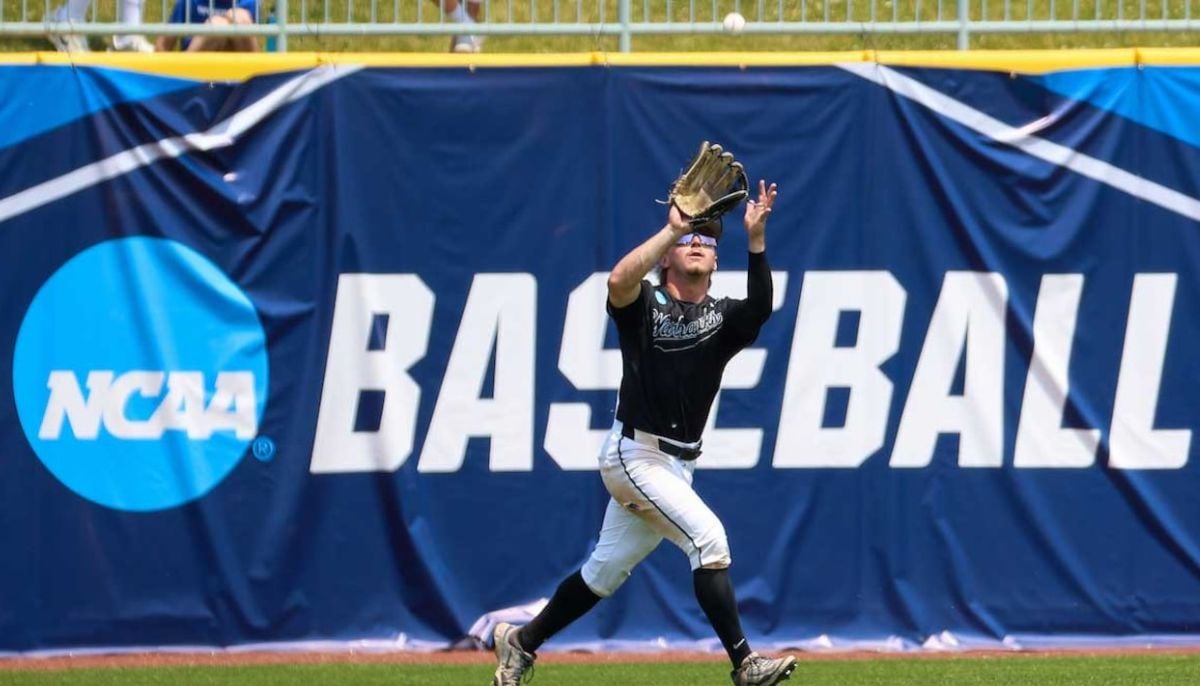
The 64-team field for the 2026 NCAA Division I baseball championship was officially released on Monday, May 25.
This sets the stage for a three-week journey to the Men’s College World Series in Omaha.
UCLA has been awarded the No. 1 overall seed since it occupied the top spot throughout the season. Georgia Tech, Georgia, Auburn, North Carolina, Texas, Alabama, and Florida complete the list of the top eight national seeds.
Regional tournaments kick off on Friday, May 29, at sixteen locations across the country. The double elimination rounds of regional tournaments continue till Monday, June 1, and then move forward to the best-of-three super regional games from June 5 to 8.
The event is hosted by the SEC with seven schools welcoming regionals, including Georgia, Auburn, Texas, Texas A&M, Florida, Mississippi State, and Alabama.
Three regionals, i.e., UCLA, Oregon, and Nebraska, are hosted by the Big Ten, while the ACC also hosts three (Georgia Tech, North Carolina, and Florida State).
Notably, Kansas is hosting a regional for the first time in program history, and Southern Miss stands as the only non-power four host.
The LSU Tigers will take the field as the defending champions after sweeping the Coastal Carolina Chanticleers in the finals for 2025.
With this victory, LSU earned its eighth national championship, while Jay Johnson became the quickest coach to win two championships at one university in college baseball history.
The championship series starts on Saturday, June 20, on ESPN, with Game 2 scheduled for ABC on Sunday, 21.
It’s been two decades now since an American has brought a major singles title back home.
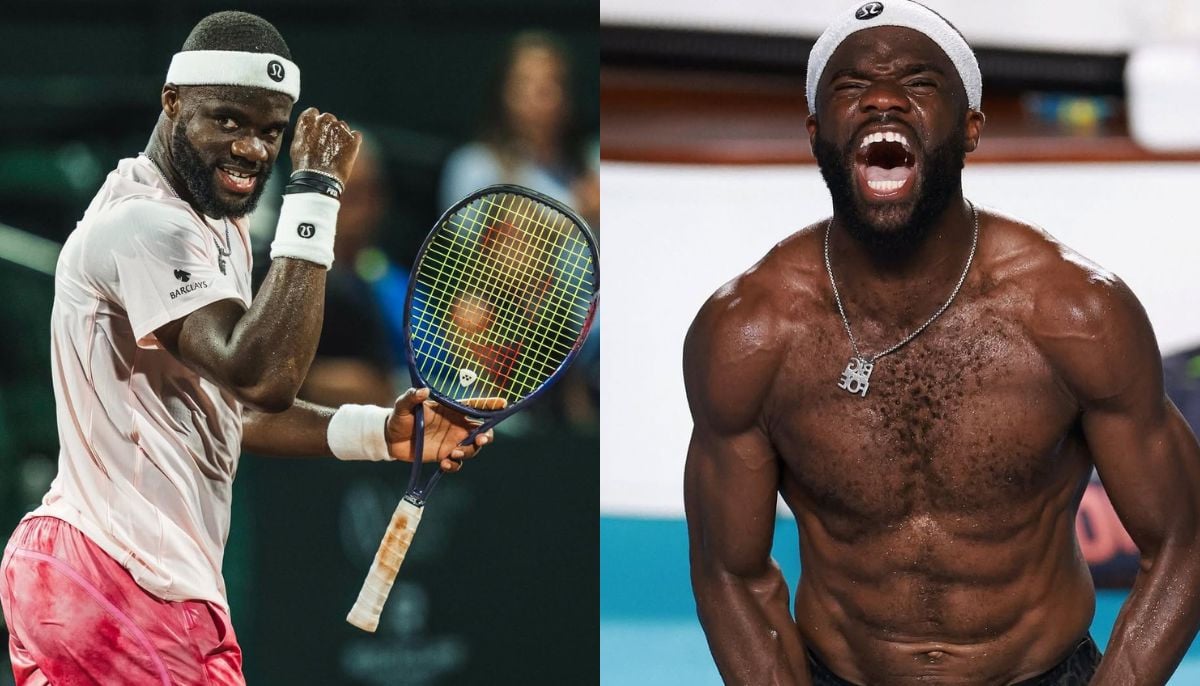
The current list of players is still looking for the big win, with Frances Tiafoe being the one fans have been pinning hopes on.
He is ranked 21st in the world, yet he enjoyed his closing run at Roland Garros last year by finishing in the quarter-finals.
He is not the one who came close to the finishing line, several others have also been unable to end the twenty-year drought.
In a recent media appearance, just before the tournament kicked off, Tiafoe speaks his mind.
He said, “It’s been nice for a long time. I think we’ve been killing. It’s a matter of we just have some guys. It’s just top heavy, man.”
Tiafoe sounds off on American tennis, adding, “We’ you know, they’re gatekeeping hard. I mean, I think, you know, Fritz has been top ten for a bunch of years.
“Ben’s cracked in there. He’s kind of solidified himself being a top ten guy. I mean, I’ve been top 20 majority of years the last four years. Tommy as well. He’s been flirting in and out, so.”
Tiafoe explains, “We got Korda, I mean, you know, if he’s healthy, you know, he’s always, again, top 20.
“But it’s his manner of just putting these weeks together, and trying to do the ultimate goal, and one of us try to win, and this type of event.”
“You know, Ben won 1000, you know, Fritz won 1000, you know, I’ve been final of a 1000, so we’re all flirting with the top of the game. We just got to kind of get over the line,” Tiafoe concluded.
Andy Roddick remains the last man standing who won the US Open title back in 2003, almost two decades ago.
This time at French Open, only Shelton will be the top-seeded American who kicks off his campaign on the clay court.
Entertainment
American Music Awards airing tonight with performances from Billy Idol, Keith Urban, Teyana Taylor and more
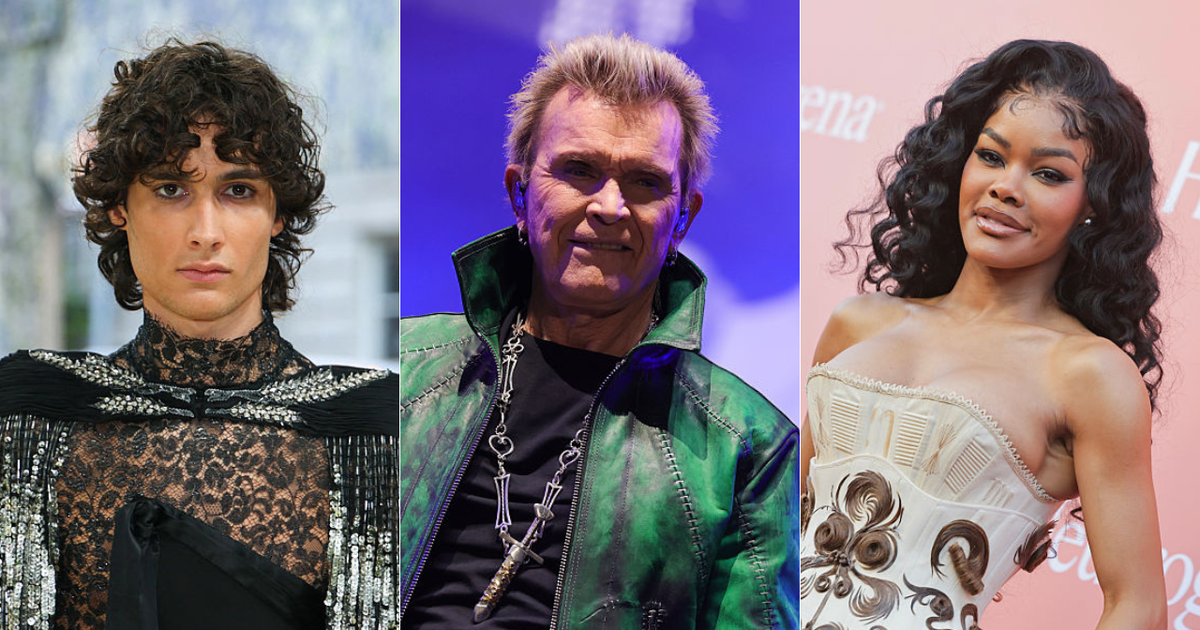
The American Music Awards kick off the unofficial start of summer tonight, celebrating the best in music and featuring performances from such artists as Billy Idol, Keith Urban, Teyana Taylor and others.
The show airs on CBS television stations and streams on Paramount+ starting at 8 p.m. ET/5 p.m. PT.
The AMAs boast of being the world’s largest fan-voted awards show. Voting for most of the categories closed earlier this month, but people can still vote online or on Instagram for social song of the year and tour of the year through the first half hour of the show.
Queen Latifah serves as host this year, returning to the AMAs stage after co-hosting in 1995 and performing over the years.
Taylor Swift leads the nominations with eight following last year’s release of “The Life of a Showgirl,” which is up for album of the year and best pop album. Two songs from the album also received nods: “The Fate of Ophelia” for song of the year, best music video and best pop song, and “Elizabeth Taylor” for song of the summer.
Swift has already won 40 times at the AMAs, which is more than any other artist. She’s also up for artist of the year and best female pop artist this year.
Morgan Wallen, Olivia Dean, Sabrina Carpenter and Sombr were right behind Swift with seven nominations each.
But the awards are only part of the show. Billy Idol, who’s known for such hits as “Dancing With Myself,” “Rebel Yell” and “White Wedding,” will receive a lifetime achievement award and perform a medley of some of his hits on the AMAs stage.
Scott Dudelson/Getty Images for Coachella
Keith Urban will perform a track from his upcoming yacht rock album “Flow State.” Teyana Taylor, who won a Golden Globe in January for her performance in “One Battle After Another” and is up for best female R&B artist at the AMAs, will perform a medley from her album, “Escape Room.”
There will also be performances by some groups that have amassed huge followings over the years, with Hootie and the Blowfish, New Kids on the Block and The Pussycat Dolls taking the stage.
K-pop superstars BTS will also make a special appearance. Following a nearly four-year hiatus for the members to fulfill their mandatory military service, the group began a world tour in March and will appear at their first awards show in four years at the AMAs. They are nominated for three awards as well.
Who’s performing at the 2026 American Music Awards?
Here’s a list of all the announced performers at the American Music Awards:
- Billy Idol
- Hootie and the Blowfish
- Karol G
- Katseye
- Keith Urban
- Maluma
- New Kids on the Block
- The Pussycat Dolls, with a guest appearance by Busta Rhymes
- Riley Green
- Sombr
- Teddy Swims
- Teyana Taylor
- Twenty One Pilots
How to watch the 2026 American Music Awards
- What: The 2026 American Music Awards show
- Date: Monday, May 25, 2026
- Time: 8 p.m. ET/5 p.m. PT
- Location: MGM Grand Garden Arena in Las Vegas
- On TV: Live on CBS television stations. Find your local station here.
- Online stream: Live on Paramount+


Adam Copeland, Christian Cage snap 25-year drought, win AEW Tag Team Championship at Double or Nothing

Bracket set, regionals begin May 29

A Swimmer Broke a World Record at the “Steroid Olympics”

-

 Tech1 week ago
Why Is Your Grill So Dumb? The Best Grills Set Temp Like an Oven
-

 Tech1 week ago
This Solar-Powered Smart Sprinkler Keeps My Lawn Watered Without Any Power Cables
-

 Fashion5 days ago
US cotton planting advances to 41%, concerns persist in Texas
-

 Fashion4 days ago
ICE cotton sees mixed trend as rain forecasts weaken sentiment
-

 Sports5 days ago
Todd Monken says Shedeur Sanders has ‘come miles’ as Browns quarterback competition heats up
-

 Fashion1 week ago
Turkiye’s current account deficit expected to widen in 2026: Minister
-

 Entertainment1 week ago
Princess of Wales praised as ‘step ahead’ of royal family
-

 Fashion1 week ago
India’s Pearl Global’s FY26 revenue crosses $521 mn milestone