

Fashion
Louis Vuitton unveils architectural and culinary landmark in Beijing

Published
January 14, 2026
LVMH is doubling down on China, having opened several major flagships in the country in December. Encouraged by early indicators of a luxury sales rebound, the group is weighing further expansion to capitalise on China’s economic recovery.
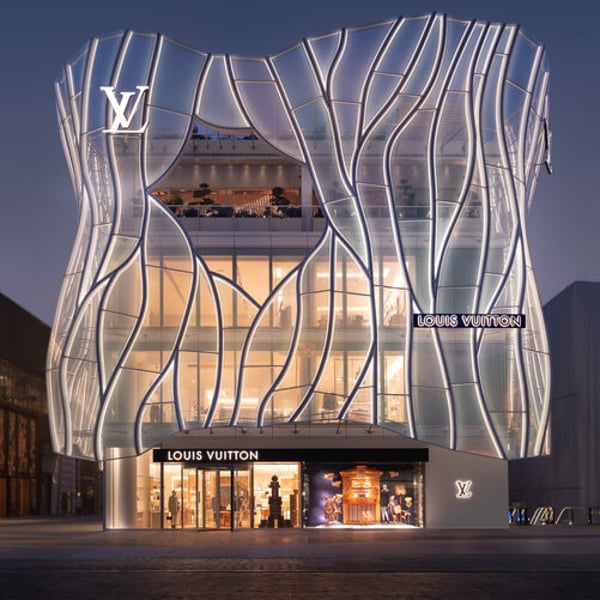
Following the success of its ship-shaped flagship in Shanghai opened mid-2025, the key LVMH brand has pivoted its strategic focus toward ‘hyper-physical’ immersive retail environments, deep-rooted cultural synergy, and the scaling of high-impact regional flagships. With the opening of its new emblematic building in the vibrant heart of Sanlitun, Beijing, Louis Vuitton has set another global benchmark for luxury retail and architecture.
Architecture and fashion dialogue
As Louis Vuitton’s long-standing architectural partner, Jun Aoki envisioned a space that harmoniously balances local cultural heritage with a sense of global openness. The initial inspiration for the façade was the Taihu Stone, which is central to traditional Chinese garden design.
“Beijing is a city of ‘transplanted’ nature, where the mountain’s spirit lives within the scholar’s rock,” architect Aoki Jun told FashionNetwork.com. “We envisioned this store as a stone found in such a garden, shaped by the four ancient principles of traditional Chinese scholar’s rock appreciation: the slenderness of Shòu(瘦) establishing the store’s upright and poised character; the rhythmic wrinkles of Zhòu(皱)imbuing the walls with a rugged, rock-like texture; the hollowed depth of Lòu(漏)creating intriguing pathways and framed vistas; and the luminous transparency of Tòu(透)ensuring the essential light and openness for a commercial space. It is more than a structure; it is a condensed landscape.”
The design also takes its inspiration from a Nicolas Ghesquière dress presented during a Louis Vuitton spring/ summer show in 2016, illustrating the fertile dialogue between architecture and fashion at the maison. The façade is treated as an elegant, sparkling, and translucent “garment” rather than a mere shell.
An immersive experience with gastronomy
The excellence of the building continues inside, where the retail space extends over four levels. It offers the entirety of the Louis Vuitton universe, including men’s and women’s leather goods, ready-to-wear, jewellery, shoes, perfumes, beauty, accessories, and the new Maison collection. Four private lounges are dedicated to the exclusive experience of Very Important Clients.

The interior architecture, conceived by the maison’s Architecture Studio, focused on sequencing spaces and creating superimposed voids to generate surprising vertical perspectives and total immersion in natural light. The customer’s journey is thus a constant mix of viewing the brand’s extensive product offer and contemplating the façade’s delicate lace.
Summiting the building is the very first Louis Vuitton Café in Beijing. This space, set to become a new urban meeting point and a place of openness to the city, is completed with a private dining room and a remarkable 250 square metres of outdoor spaces, including a rooftop event bar. The Café embodies the maison’s desire to offer guests a complete and immersive lifestyle experience, intertwining design, culture, and gastronomy.
Pivot to emotional retail
The era of pure acquisition has been superseded by a new focus in modern luxury, according to Bain & Company senior partner Bruno Lannes. He states that intangible experiences and deep emotional connections now hold the primary power to drive growth. As a result, physical retail requires a fundamental transformation: brands must concentrate resources on fewer, grander flagships that serve as sanctuaries for delivering powerful emotion, sensory immersion, and tailored personal engagement, rather than just being points of sale.
This philosophy is powerfully manifested in the architecture of Louis Vuitton’s new Beijing building. “Beijing represents a fascinating ‘centrality’- it accepts the world’s influences yet organises them into a logic that is purely its own,” said Aoki Jun. “As brands like Louis Vuitton move toward a holistic lifestyle offering, they must protect the ‘vibration’ of the destinations they inhabit.”
Betting on a market resurgence, Louis Vuitton is preparing for a bold new chapter in 2026. This vision was reinforced by LVMH CEO Bernard Arnault’s frequent presence in China in 2025, where he championed a strategy of cultural synergy. By scouting local craftsmanship and integrating Chinese heritage into its design DNA, the brand has transformed its flagships into emotive landscapes that offer more than just products-they offer a deep, immersive connection to the local soul.
Moving beyond its role as a traditional luxury supplier, Louis Vuitton is emerging as a pioneer of a comprehensive lifestyle offering. By weaving its heritage of travel into the realms of dining and cultural dialogue, the brand is embarking on a transformative second chapter in China.
By Sissi Chu
Copyright © 2026 FashionNetwork.com All rights reserved.










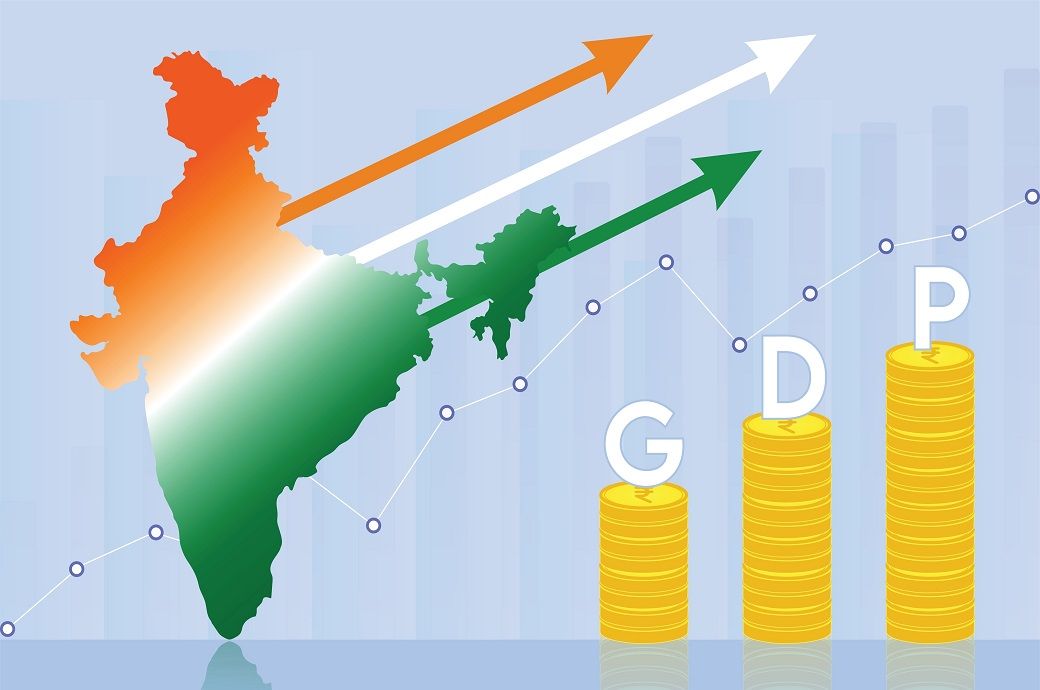
Nominal GDP, or GDP at current prices, is estimated to grow at 8.6 per cent to reach ₹345.47 trillion in FY26 against ₹318.07 trillion in 2024-25.
India’s real GDP is estimated to grow at 7.6 per cent to ₹322.58 trillion (~$3.54 billion) in FY26 compared to the first revised GDP estimate of ₹299.89 trillion for FY25 (7.1 per cent growth).
It released the new series of annual and quarterly national accounts estimates with FY23 base.
Real GVA is projected to grow at 7.7 per cent to reach ₹294.40 trillion in FY26 against ₹273.36 trillion in FY25.
Real gross value added (GVA) is projected to grow at 7.7 per cent to reach ₹294.40 trillion in FY26 against ₹273.36 trillion in FY25 (a 7.3-per cent growth rate).
Nominal GVA is estimated to grow at 8.7 per cent to hit ₹313.61 trillion during FY26, against ₹288.54 lakh crore in 2024-25.
Robust economic performance in FY26 is primarily on account of robust real growth observed in the second quarter (8.4 per cent) and third quarter (7.8 per cent).
The manufacturing sector has been the major driver of resilient performance of the economy the consecutive three fiscals after rebasing, a release from the ministry said.
Both private final consumption expenditure and grossed fixed capital formation exhibited more than 7-per cent growth rate in FY26.
Fibre2Fashion News Desk (DS)
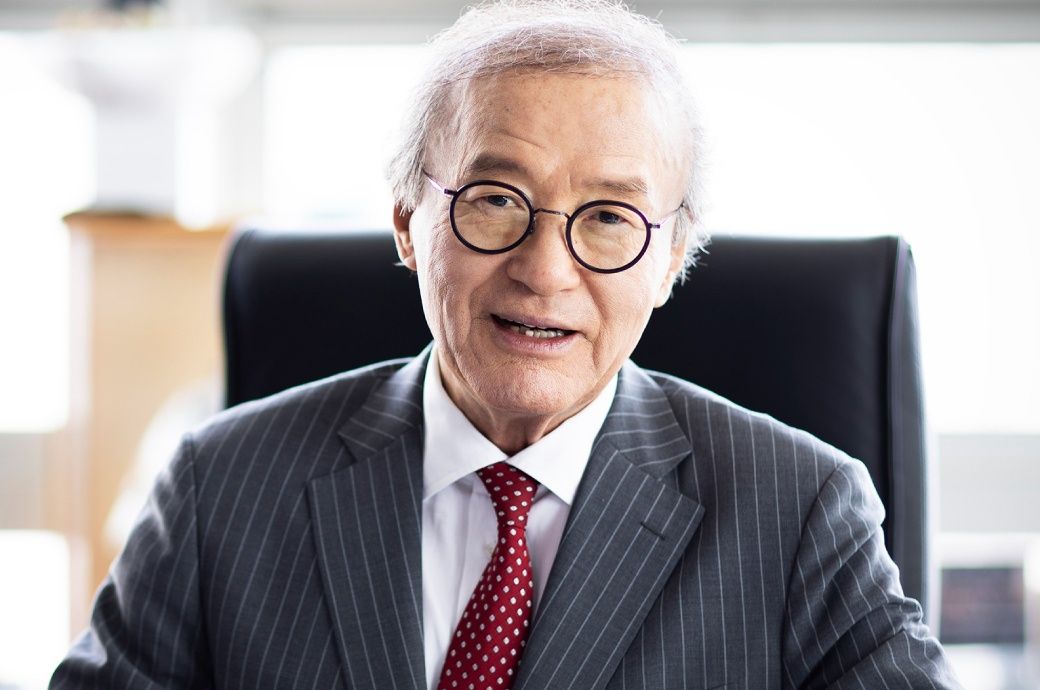
The transition marks the formal handover of executive leadership to President and CEO Keun-Chang (Kevin) Yoon, reinforcing management continuity while preserving the founder’s long-term strategic vision.
Misto Holdings founder Gene Yoon has transitioned to honorary chairman in a planned leadership succession, formally handing executive control to president and CEO Kevin Yoon.
The founder, who expanded the group through the FILA global trademark acquisition and the takeover of Acushnet, will continue guiding long-term strategy as the rebranded Misto focuses on governance and sustainable growth.
Gene Yoon founded the business that would become Misto Holdings in the early 1990s, introducing the FILA brand to the Korean market and later leading a series of transformative transactions. In 2007, the company acquired the global FILA trademark rights through a leveraged buyout, followed by the 2011 acquisition of Acushnet Company, owner of the Titleist and FootJoy brands. The transaction was among the largest cross-border deals in Korea’s consumer sector at the time and significantly expanded the group’s global footprint.
Under his leadership, the company evolved into a multi-brand global portfolio spanning sportswear, golf equipment and apparel, generating approximately USD 3.08 billion in annual revenue.
As Honorary Chairman, Gene Yoon will remain closely engaged with the company, providing guidance on long-term strategy and global portfolio development while supporting management from a broader strategic perspective.
The leadership transition marks a new chapter under President and CEO Kevin Yoon, who has spent nearly two decades in senior roles across the group’s global operations, building deep operational and strategic expertise.
The company’s 2025 rebranding to “Misto” underscores its evolution into a global brand house focused on disciplined capital allocation, enhanced shareholder returns and sustainable long-term growth.
“Building on the founder’s legacy, our priority is to expand our global portfolio, strengthen governance and deliver sustainable value creation,” said Kevin Yoon, President and CEO of Misto Holdings.
Note: The headline, insights, and image of this press release may have been refined by the Fibre2Fashion staff; the rest of the content remains unchanged.
Fibre2Fashion News Desk (RM)



US-Israeli ‘regime change’ project in Iran ‘impossible mission’: FM Araghchi

NASA Is Making Big Changes to Speed Up the Artemis Program

Meghan Markle’s £14 bookmark breaks the internet

-
 Tech1 week ago
A $10K Bounty Awaits Anyone Who Can Hack Ring Cameras to Stop Sharing Data With Amazon
-
 Business1 week ago
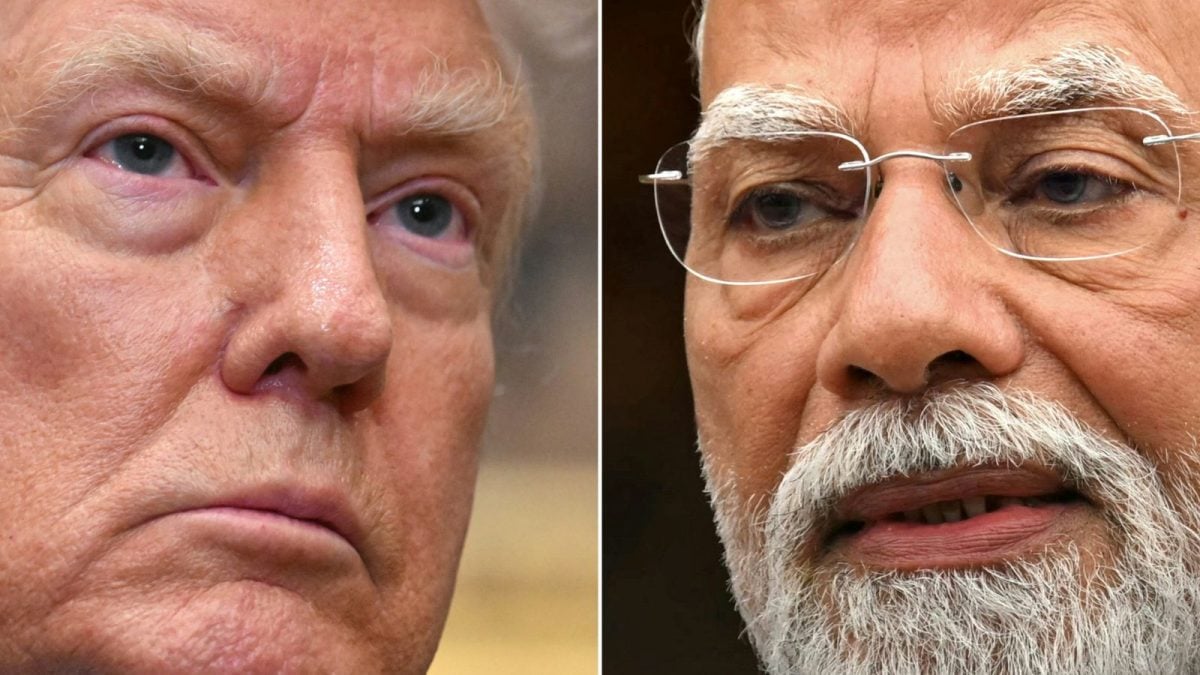
US Top Court Blocks Trump’s Tariff Orders: Does It Mean Zero Duties For Indian Goods?
-

 Fashion1 week ago
ICE cotton ticks higher on crude oil rally
-

 Tech1 week ago
Donald Trump Jr.’s Private DC Club Has Mysterious Ties to an Ex-Cop With a Controversial Past
-

 Entertainment1 week ago
The White Lotus” creator Mike White reflects on his time on “Survivor
-

 Politics7 days ago
Pakistan carries out precision strikes on seven militant hideouts in Afghanistan
-
 Business1 week ago
Eye-popping rise in one year: Betting on just gold and silver for long-term wealth creation? Think again! – The Times of India
-

 Sports1 week ago
Brett Favre blasts NFL for no longer appealing to ‘true’ fans: ‘There’s been a slight shift’