

Business
LPG crisis eases: Operations back to normal in many factories as commercial LPG supplies improve; workers return – The Times of India

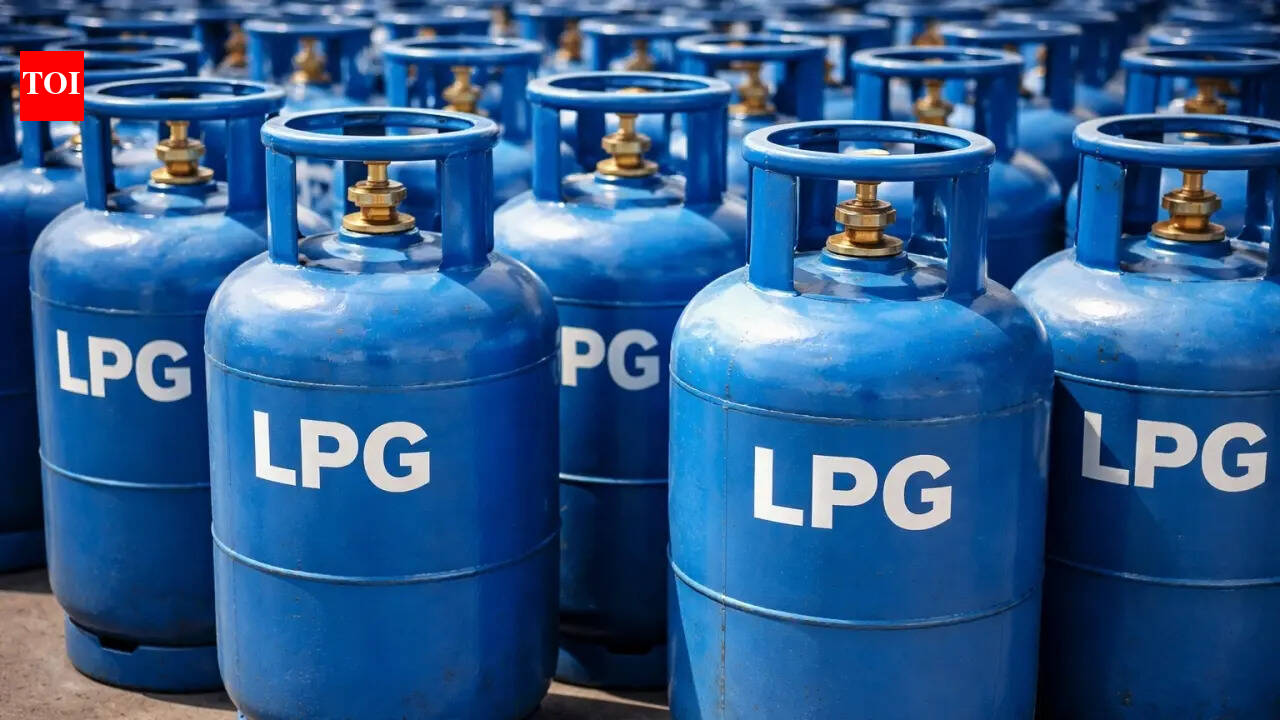
LPG crisis for factories across the country seems to be easing as the government steps up availability of commercial liquefied petroleum gas. Production disruptions are gradually subsiding as supplies of commercial LPG improve and migrant workers return to factories, supported by companies providing meals or alternative cooking solutions.This improvement follows the government’s move on Friday to raise the allocation of commercial LPG by an additional 20 percentage points, taking it to 70 per cent of pre-disruption levels that had been affected by the Gulf conflict and Iran’s near blockade of the Strait of Hormuz.
The Centre has designated sectors such as steel, automobiles, textiles, dyes, chemicals and plastics as priorities, given their labour-intensive operations and strong interlinkages with other industries, according to an ET report.Companies operating in these sectors have started to see operations gradually stabilise.Liquefied petroleum gas is extensively used across industries such as automobiles and electronics, particularly in processes like brazing and paint shop operations, as well as in segments like food processing.
Availability of Commercial LPG supplies
Industry players indicated that LPG availability has become more stable.“Earlier we had visibility of one-two days; now it’s about a week,” said Kamal Nandi, head of the appliances business at Godrej Enterprises. “There are no issues with labour or raw materials, and production is running at full throttle,” he was quoted as saying.An executive from the automobile sector noted that supply constraints at smaller vendors are easing, while larger manufacturers have managed to limit disruptions by adopting alternative fuel options.“The higher allocation for non-domestic LPG and inclusion of automobiles as a priority sector is a big help,” he said.Mayank Shah, vice president at Parle Products, said improved LPG availability is enabling previously impacted plants to move back towards optimal production levels. He added that companies have urged the government to include packaged foods among the priority sectors.Ajay DD Singhania, chief executive of Epack Durable, noted that supplies have recovered to nearly 60 per cent of normal levels and are likely to rise to around 80 per cent this week. “The new normal is that we have to follow up daily to secure LPG supplies, but availability has improved,” Singhania said. “Workforce retention is no longer a challenge with us offering meals or cooking support. However, production losses over the past three-four weeks are not recoverable.”Attendance levels have also improved as several firms introduced canteen meals, reducing reliance on LPG for cooking. Earlier, supply disruptions had led to absenteeism among migrant workers and a temporary outflow, as higher black market prices and the shutdown of small eateries and mess facilities made food access difficult.A senior executive in the auto components sector said companies are now providing meals across shifts or offering incentives of up to Rs 5,000 to offset higher LPG costs and retain workers. “Attendance has returned to normal,” he said.Avneet Singh Marwah, chief executive of Super Plastronics, said the migrant workforce has returned as supply pressures have eased. The company produces televisions under the Kodak, Thomson and Blaupunkt brands.
Business
‘Potential to diversify’: US state secretary Rubio pushes for US energy supplies to India in meeting with PM Modi
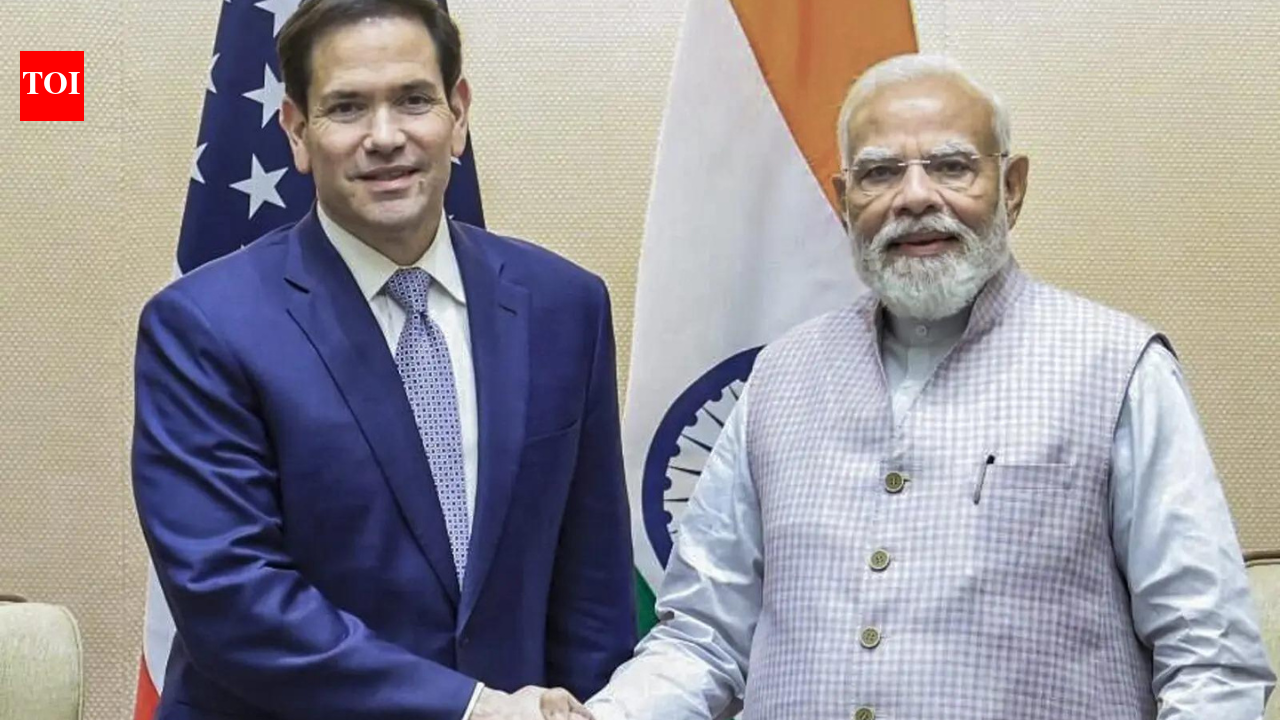
US Secretary of State Marco Rubio emphasised Washington’s intent to prevent geopolitical disruptions from distorting global energy markets, as tensions linked to the Iran conflict continue to affect oil supply routes and pricing dynamics.During discussions on energy security, Rubio’s office, quoted by Reuters, stressed that the US sees energy exports as a key instrument in strengthening partnerships, particularly with India, which remains a major crude importer navigating supply diversification challenges.In that context, Rubio said, “US energy products have the potential to diversify India’s energy supply.” He also emphasized a broader US position on global energy stability amid the Iran-related crisis, with his office adding, “the United States will not let Iran hold the global energy market hostage.”The remarks come as the Iran war has disrupted global energy flows and contributed to volatility in oil markets, complicating efforts by Washington to reduce India’s reliance on Russian crude imports. The instability has added a new layer of complexity to US energy diplomacy in Asia, where supply security has become increasingly central to strategic engagement.Officials indicated that the ripple effects of the conflict have not only impacted global pricing but also slowed parts of Washington’s broader effort to realign energy trade flows away from sanctioned or high-risk suppliers.Rubio’s comments were made alongside broader engagement in New Delhi, where he met Indian leadership to discuss energy cooperation, trade expansion under the “Mission 500” framework, and Indo-Pacific strategic alignment through the Quad.In earlier public remarks, Rubio had also signalled a more aggressive US commercial energy posture toward India, saying, “We want to sell them as much energy as they’ll buy.”Separately, he reiterated India’s importance in Washington’s strategic outlook, describing it as a key partner in shaping long-term regional stability while the US continues to manage the economic and geopolitical spillovers of the Iran conflict.
Business
After petrol, diesel, CNG prices hiked third time, sees increase by Re 1 per kg – check rates in your city
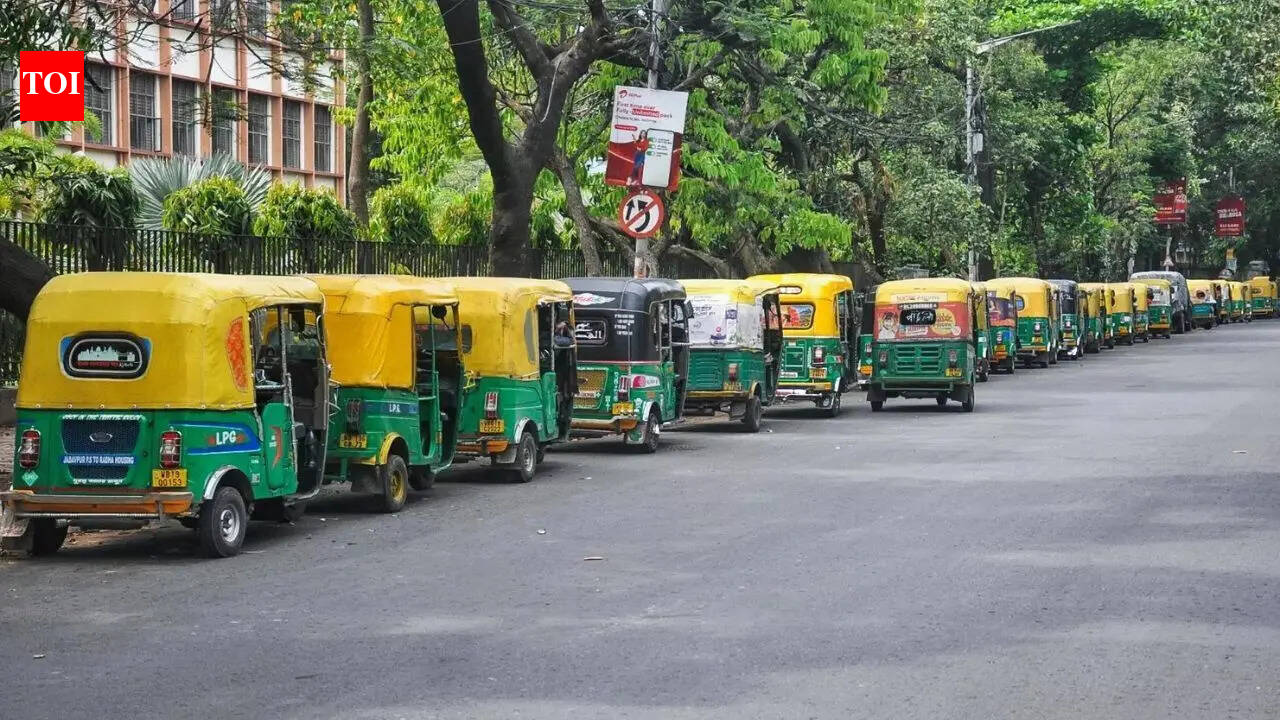
NEW DELHI: Compressed Natural Gas (CNG) prices were increased by Re 1 per kg on Saturday, marking the third hike in less than 10 days amid rising global energy prices linked to the ongoing West Asia conflict and disruptions around the Strait of Hormuz.With the latest revision coming into effect immediately, CNG in Delhi will now cost Rs 81.09 per kg. Prices in Noida, Greater Noida and Ghaziabad have risen to Rs 89.70 per kg, while Gurugram will see CNG priced at Rs 86.12 per kg.The latest hike follows a Rs 2 per kg increase announced on May 15 and another Re 1 per kg hike on May 17. With the latest revision, CNG prices in Delhi climbed to Rs 80.09 per kg, breaching the Rs 80-mark for the first time.
Revised rates of CNG in major cities
| City | Prices |
| Delhi | Rs 81.09 per Kg |
| Noida | Rs 89.70 per Kg |
| Ghaziabad | Rs 89.70 per Kg |
| Greater Noida | Rs 89.70 per Kg |
| Gurugram | Rs 86.12 per Kg |
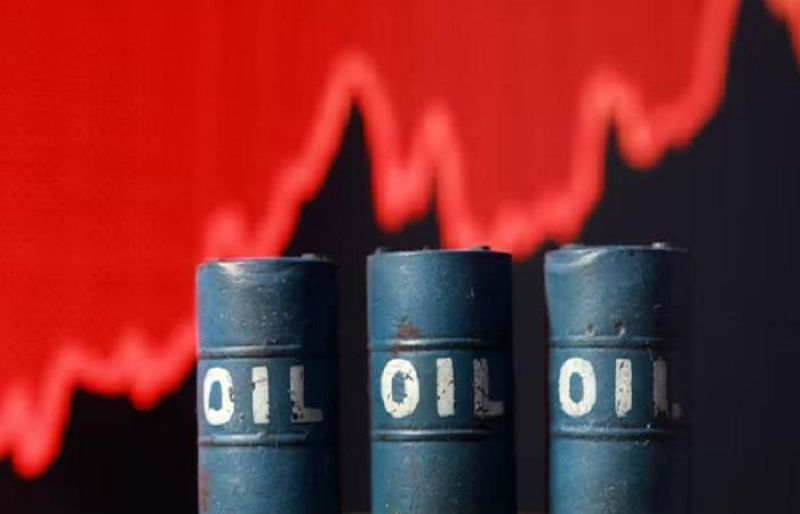
The fresh revision comes even as petrol and diesel prices were also increased again on Saturday, marking the third hike in less than 10 days.Petrol prices were raised by up to 87 paise per litre, while diesel prices increased by as much as 91 paise per litre across major cities.In Delhi, petrol now costs Rs 99.51 per litre, up from Rs 98.64, while diesel prices rose from Rs 91.58 to Rs 92.49 per litre.The consecutive hikes in CNG, petrol and diesel prices come amid mounting pressure on global energy markets due to escalating tensions in the Middle East and continued disruptions around the Strait of Hormuz, a key global energy corridor through which nearly one-fifth of the world’s oil and gas trade passes.Global crude oil prices, which were hovering around $70–72 per barrel before the conflict, surged past $120 at one stage and are currently trading in the $104–110 range. India’s crude oil basket has averaged nearly $113–114 per barrel in recent months, compared to around $69 per barrel in February.India imports nearly 90 per cent of its crude oil requirements, making domestic fuel prices highly sensitive to international market movements.The back-to-back hikes in CNG, petrol and diesel prices are expected to increase transportation costs for private vehicle owners, cab drivers and commuters who depend on CNG as a relatively affordable fuel option.Meanwhile, commercial vehicle operators and taxi unions continued their protest across Delhi-NCR against rising fuel prices and stagnant fares.Transport bodies, including the All India Motor Transport Congress and Chalak Shakti Union, have demanded a rollback of recent fuel hikes, withdrawal of CNG surcharge and a revision in taxi fares, warning that mounting operational costs are severely impacting drivers’ livelihoods.Also read: Petrol, diesel prices hiked third time, sees increase by around 90 paise — check rates in your city

Temperatures hit 28.4C in parts of England on Friday, while delays have been reported at the Port of Dover and Birmingham Airport ahead of the bank holiday weekend.
Source link


CDF Munir’s Iran visit resulted in ‘encouraging progress towards final understanding’

Some of Dyson’s Top Vacuums Are on Sale for Memorial Day
‘Potential to diversify’: US state secretary Rubio pushes for US energy supplies to India in meeting with PM Modi

-

 Entertainment1 week ago
Where Pete Davidson, Elsie Hewitt stand after breakup: Details revealed
-

 Entertainment1 week ago
Emilia Clarke recalls near-death incident while filming ‘Game of Thrones’
-

 Politics1 week ago
Rising diesel costs from Iran war strain US school budgets
-

 Entertainment1 week ago
Drake drops highly anticipated "Iceman" album, plus two surprise albums
-

 Politics1 week ago
UK’s Starmer faces survival battle as potential rivals circle
-

 Politics1 week ago
Trump says China will order 200 Boeing jets
-

 Tech1 week ago
Greg Brockman Officially Takes Control of OpenAI’s Products in Latest Shakeup
-

 Tech6 days ago
Why Is Your Grill So Dumb? The Best Grills Set Temp Like an Oven