

Business
LPG crisis hits restaurants: Staff face salary cuts, layoffs as eateries struggle to keep kitchens running – The Times of India

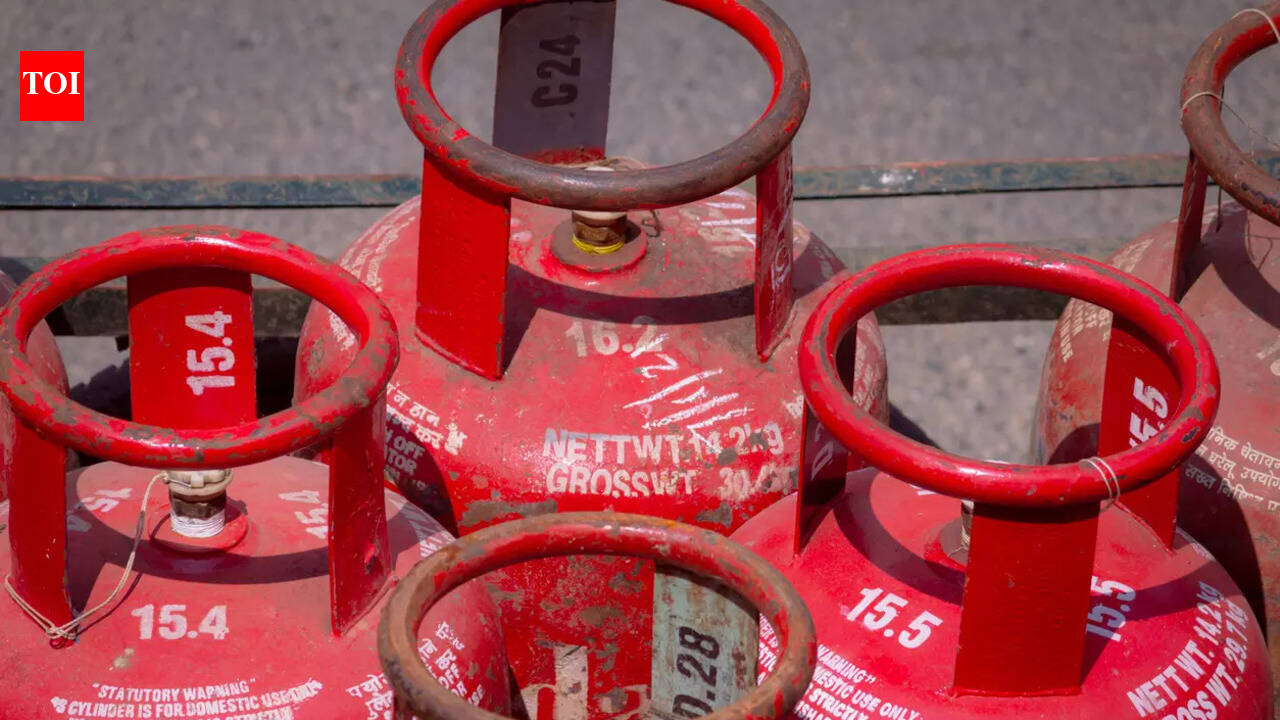
The Middle East crisis continues to boil and the ripples have triggered an operational stress for India’s food services sector. As LPG supply flows are disrupted amid the Strait of Hormuz transit issues, industry voices have warned of layoffs, salary cuts and widespread business impact if the situation drags on. Despite assurances from the government on boosting availability, restaurant owners and caterers have flagged that access to commercial LPG remains inconsistent, leaving many scrambling to keep operations afloat. Several described the situation as unpredictable, with little clarity on when normal supply will resume.Anjan Chatterjee, founder of Speciality Restaurants pointed to the growing distress across the sector. Highlighting the uncertainty of the situation, Chatterjee told ET that people are running from pillar to post. The founder further cautioned that the worst-hit would be workers at the lower end of the chain. “If restaurants and eateries are unable to do business, the first ones to get hit will be people down below.”
Impact on businesses, especially smaller players
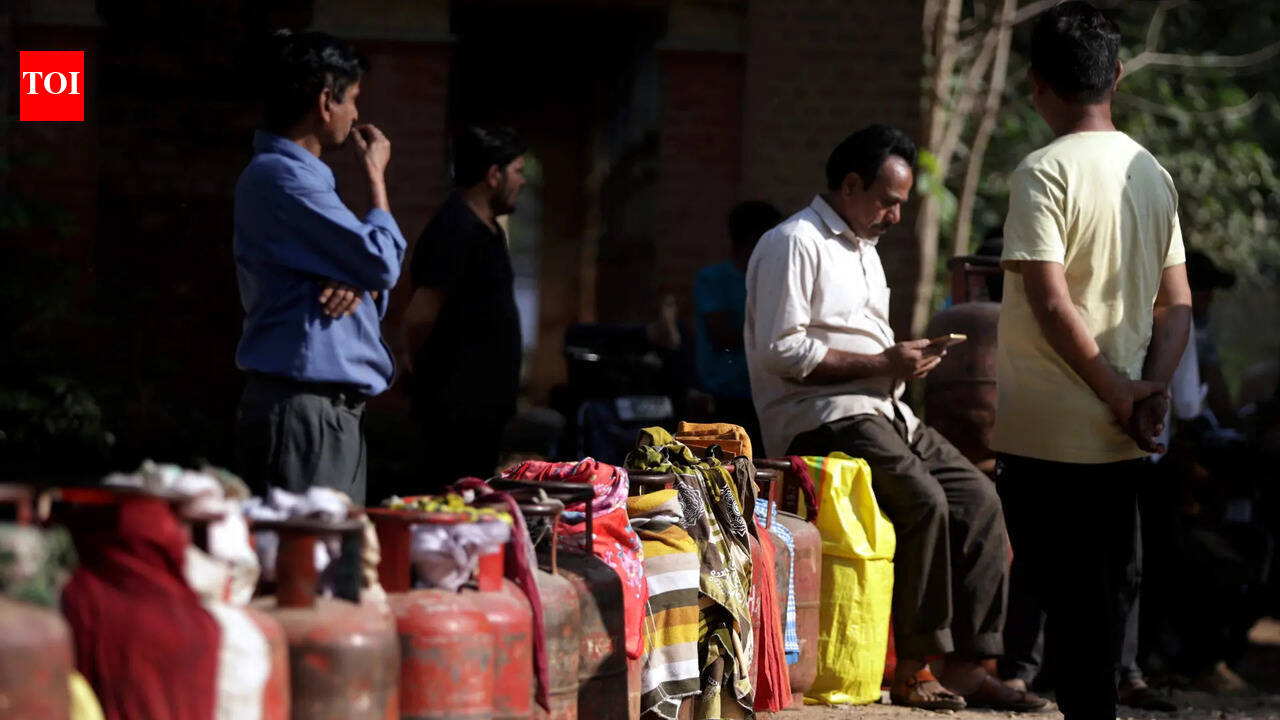
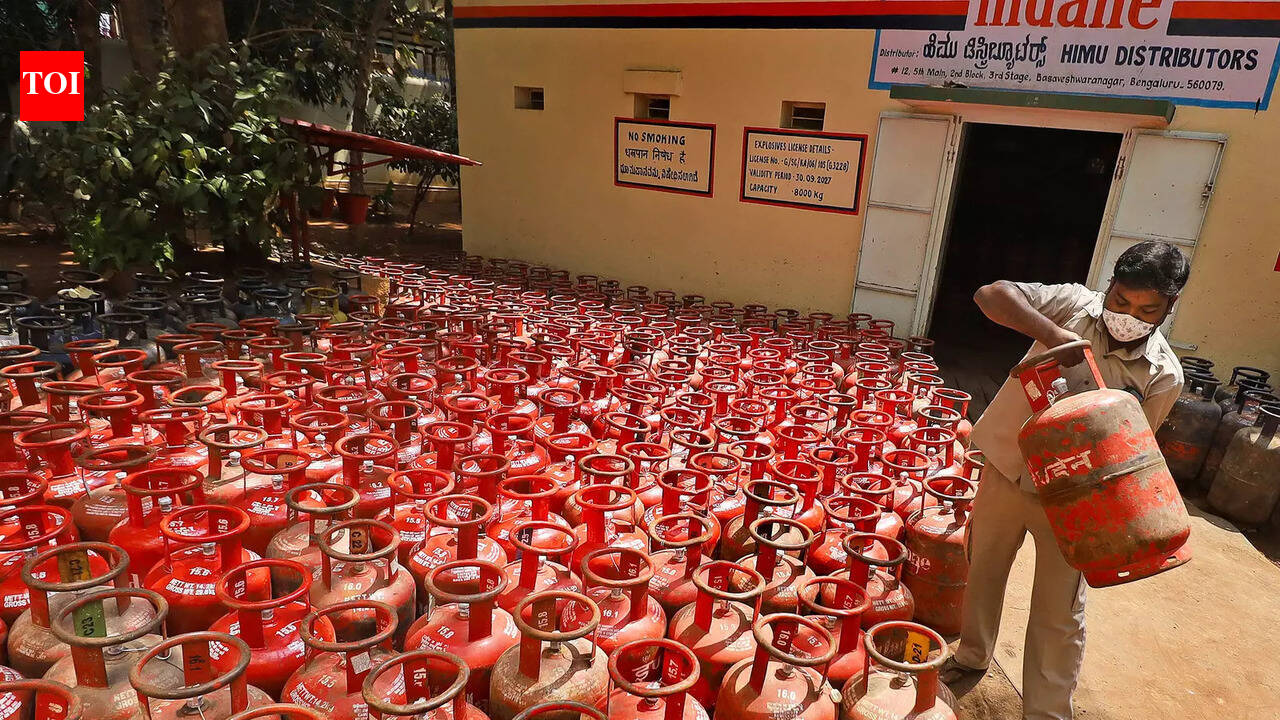
Smaller restaurants, street-side eateries, caterers and cloud kitchens are the worst affected, with many already shutting or scaling down. Anjan Chatterjee of Speciality Restaurants described the chaos, saying people are running from pillar to post, and warned, “If restaurants and eateries are unable to do business, the first ones to get hit will be people down below.” He added, “While we hope supplies improve soon, currently, the situation is dynamic and we don’t know how things will pan out. At the ground level, particularly for local and street-side eateries, things are much worse.”Kirit Budhdev of the Federation of All India Caterers flagged worsening delays, “Suppliers are telling us to wait for 15 days. The on-ground situation is very challenging and it’s actually worsening for a lot of our members.”
Financial strain and risk of layoffs
The shortage is hitting profitability, menus and operating hours. Sagar Daryani of the National Restaurant Association of India said, “Smaller players which cannot bear the loss will see job cuts and the bigger players may bear the brunt for a while,” adding that multiple aspects of operations will be impacted.The strain is cascading to workers, especially those at the lower end. Aditya Narayan Mishra of CIEL HR explained, “For instance, if a restaurant has to close shop or run for fewer days in a week, they will not be employing helpers, local delivery boys, etc., who typically get paid Rs 500-700 daily. This segment, which accounts for the largest number of people employed, is already seeing an impact.”In Pune, Ganesh Shetty said, “Our members are still being told by agencies and suppliers that the supply is not for them but for other priority sectors like hospitals. Smaller restaurants have already shut down and they are not operational in Pune.Meanwhile, street food vendors in Madhya Pradesh are facing mounting pressure as a shortage of commercial gas cylinders disrupts operations, particularly for pani puri stalls and similar snack sellers. The impact is clearly visible across key markets such as Kolar, Jawahar Chowk and the BHEL area, where several carts remain closed or operate only during limited peak evening hours. Vendors who once catered to regular crowds are now struggling to secure enough fuel even for basic preparation.
Turning towards alternatives
Cloud kitchens are also under pressure, with FreshMenu’s Rashmi Daga noting, “At a central level, we are trying to move to firewood cooking, bring in induction, electric stoves, etc. But one can’t just move seamlessly to electric equipment given that summer months will also see power cuts.” At the same time in MP, two villages, Bandarkol in Jabalpur district and Baghuwar in neighbouring Narsinghpur, remain largely unaffected, with kitchen stoves continuing to run smoothly. In these villages, residents have turned to biogas instead of LPG cylinders. In Bandarkol, several households have installed small biogas plants that convert cattle dung into cooking fuel. Villagers say the system requires only a few minutes of daily effort while ensuring a steady supply of fuel for use throughout the day.
Uncertainty and outlook
Industry stakeholders say the situation remains volatile, with no clear timeline for recovery. While there has been slight easing compared to earlier days, supply gaps persist, and businesses continue to operate under uncertainty as they brace for prolonged disruption. Chatterjee added that while there is hope for improvement, conditions on the ground remain volatile. “While we hope supplies improve soon, currently, the situation is dynamic and we don’t know how things will pan out. At the ground level, particularly for local and street-side eateries, things are much worse,” he said. Speaking to ET, Rashmi Daga also highlighted the uncertainty ahead, saying, “One can’t even plan for perishables without knowing if gas is available the next day. Right now, the industry is bracing for 40-60 days of pain, but who knows, it could continue for months, too. If this happens, we will have no choice but to send some workers home.” The All Assam Restaurant Association (AARA) has called on the state government to urgently ensure a dedicated supply of commercial LPG cylinders for the hospitality sector, cautioning that continued shortages could force restaurants and hotels across the state to shut down operations entirely. The association has appealed to CM Himanta Biswa Sarma to step in, describing the situation as an “escalating commercial LPG crisis” impacting the restaurant industry in Assam. Members said that eateries across the state are grappling with an abrupt disruption in the supply of commercial LPG cylinders, leaving many struggling to function.




Two ads promoting British beef and milk have been banned after television presenter and environmental campaigner Chris Packham complained that they misled consumers about the products’ carbon footprints.
Both ads for the Agriculture and Horticulture Development Board’s (AHDB) Let’s Eat Balanced campaign used the carbon footprint of British beef and milk to promote the products, firstly stating: “British beef not only tastes great, but has a carbon footprint that’s half the global average*.”
The asterisk linked to text that stated: “Full lifecycle emissions of CO2 eq (carbon dioxide equivalent) per kg of beef.”
The ad for milk stated: “British milk not only tastes good, but is also produced to world-class standards, and has a carbon footprint a third lower than the global average.”
Packham complained to the Advertising Standards Authority (ASA) that the ads, and specifically the carbon footprint claims, were misleading as they did not reflect the full environmental impact of British meat and dairy.
The AHDB said the ads’ mention of carbon emissions would be understood in relation to the environmental impact of beef and milk that occurred between the “cradle-to-retail” stages.
But the ASA said the average consumer “being reasonably well-informed, observant and circumspect” would understand the claims to apply beyond the retail stage and include actions such as cooking and wastage.
The ASA said: “While we acknowledged the potential difficulties in producing post-retail emissions data, the claims in the ads suggested those emissions were included and we therefore expected the evidence provided to also include them.
“We therefore concluded that the evidence presented was insufficient to support the full life-cycle claims in the ads, which was how the average consumer was likely to interpret them.
“We reminded AHDB that environmental claims should be based on the full life cycle unless the ad stated otherwise.”
AHDB’s director of communications and market development, Will Jackson, said: “Let’s Eat Balanced is doing what it was designed to do, providing clear, factual, evidence-led information about British food, nutrition and farming standards.
“Since the investigation began, we have conducted independent consumer research which found that the majority of respondents interpreted these adverts as relating to the production phase only, from farm to retail.
“This research provides important insight into consumer understanding and supports our belief that consumers were not misled by the information we shared in these two specific adverts.”

BENGALURU: India’s Gen Z workforce is embracing what experts describe as “portfolio careers” – balancing multiple professional identities and income streams simultaneously. New research from LinkedIn shows that 75% of Gen Z entrepreneurs in India now manage multiple income streams, significantly higher than the 62% among Gen X entrepreneurs. The findings point to a growing preference among younger professionals for flexibility, autonomy and diversified sources of income. “We’re also seeing the rise of the ‘portfolio era’, with more professionals creating multiple income streams and redefining what a career can look like. This shift is making entrepreneurship more accessible than ever before,” said LinkedIn India country manager Kumaresh Pattabiraman.Rather than depending on a single full-time role, many professionals are simultaneously building businesses, freelancing, consulting, creating online content and monetising specialised skills through digital platforms. The trend comes amid a broader rise in entrepreneurial activity in India. LinkedIn recorded a 104% year-on-year increase in members adding “Founder” to their profiles – the highest growth among all global markets.AI is also emerging as a major enabler of this shift. The report found that 85% of Gen Z entrepreneurs consider AI and digital tools important to their business operations.

Sam Altman said Elon Musk tried many times for total control of OpenAI, which he’s now suing.
Source link


Will LeBron James retire after current season?

South Korea reviews phased support for Strait of Hormuz security efforts

New Jersey Gov. Mikie Sherrill announces another NJ Transit World Cup ticket cut days after first reduction

-

 Tech1 week ago
DHS Demanded Google Surrender Data on Canadian’s Activity, Location Over Anti-ICE Posts
-
 Business1 week ago
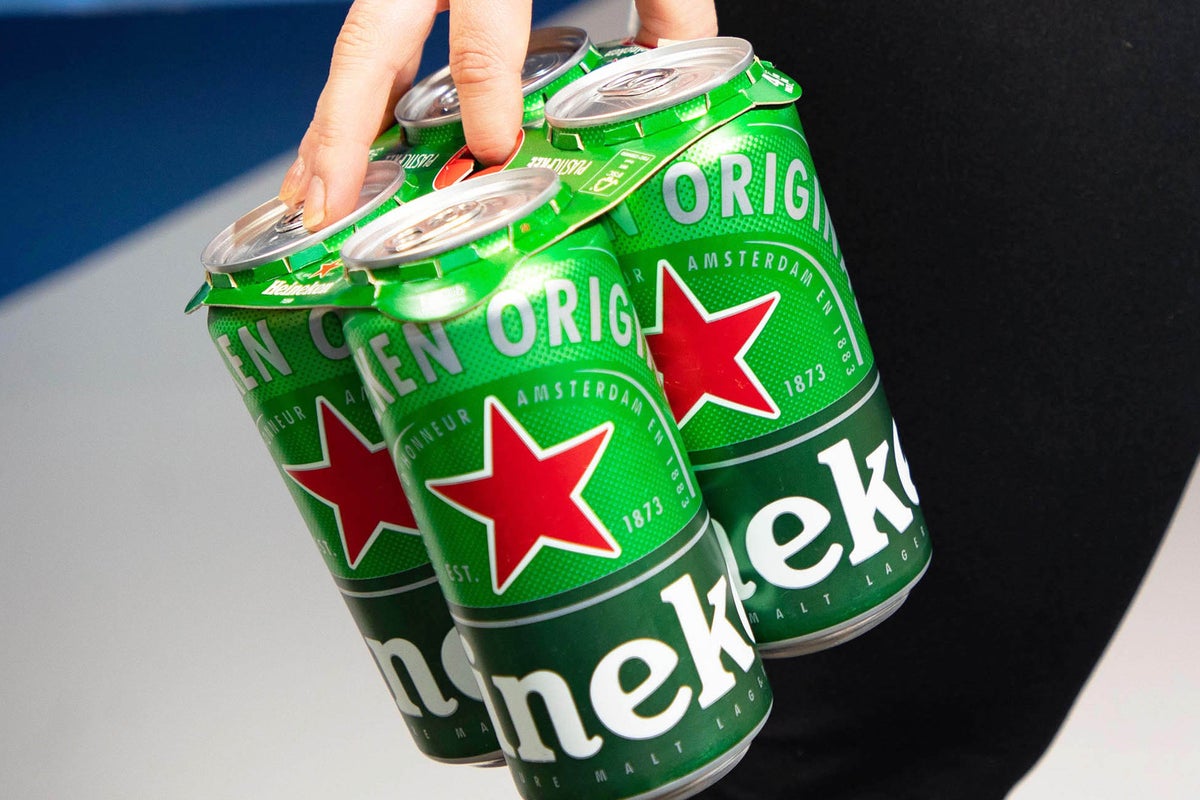
Heineken plans huge investment in hundreds of UK pubs ahead of World Cup
-

 Tech5 days ago
A new frontier: Identity stack evolves for agentic systems | Computer Weekly
-

 Tech4 days ago
‘Orbs,’ ‘Saucers,’ and ‘Flashes’ on the Moon: Pentagon Drops New UFO Files
-
 Business1 week ago
India among most resilient large EMs, better placed for future global shocks; policy reforms & strong buffers help: Moody’s – The Times of India
-

 Sports5 days ago
Shaheen Afridi achieves landmark feat during opening Test against Bangladesh
-

 Tech5 days ago
What Microsoft Executives Really Thought About OpenAI in 2018
-

 Fashion5 days ago
New orders in German manufacturing up 5% MoM in Mar 2026: Destatis