

Business
Online grocer Thrive Market bails on booze, bets big on alcohol-free boom


Thrive Market headquarters at Fast Company Creativity Counter-Conference in Los Angeles.
Araya Doheny | Getty Images
Thrive Market is officially going dry.
The online health and grocery marketplace will become the first major online grocer to remove all alcohol products when it takes them off its subscription service. The company plans to replace the category entirely with a lineup of more than 20 brands and 100 products spanning nonalcoholic beer, wine and mocktails.
“It’s time to really double down on nonalcohol and take a stand that is aligned with where science and where we think attitudes among health and wellness consumers is shifting,” Thrive CEO Nick Green told CNBC. “Alcohol is not the future.”
The company said the move reflects shifting consumer preferences and the growing popularity of “Dry January,” when people abstain from drinking as the new year begins. Thrive first entered the wine market seven years ago because it saw an opportunity to “raise health standards in the category,” according to Green, but in recent years has seen the category’s decline as a reason to exit.
“What surprised me is how fast that shift has seemed to happen with alcohol,” Green said. “There’s a whole attitude shift, kind of paradigm shift, in the way alcohol is viewed; similar, frankly, to tobacco, where I think that at one time smoking was very socially acceptable.”
A recent Gallup report found only 54% of U.S. adults now consume alcohol, one of the lowest levels in decades. Meantime, the latest Nielsen beer scanner data shows U.S. beer volumes have been falling by a mid-single digit percentage year over year since June.
Research firm Bernstein said the data underscore a deeper consumer pivot away from traditional beer, especially as drinkers explore everything from spirits-based ready-to-drink cocktails to nonalcoholic alternatives.
“It’s becoming clearer that we are seeing a broad-based reduction in US alcohol consumption,” said Bernstein analyst Nadine Sarwat in a recent research note.
At the same time, the nonalcoholic drinks sector is booming, with sales projected to reach $5 billion by 2028, according to alcohol data firm IWSR. More brands like AB InBev, Molson Coors and Heineken have entered the market.
Nonalcoholic beers photographed for Food in Washington, March 11, 2024.
Scott Suchman | The Washington Post | Getty Images
Thrive said its own data mirrors the national shift, too. Searches for nonalcoholic options on ThriveMarket.com have climbed steadily and accelerated over the past three months.
Thrive, a CNBC Disruptor 50 company in both 2024 and 2025, has more than 1.7 million paying members nationwide and brought in over $700 million in sales last year. As its average shopper loads up on 15 items per basket, the company is betting a growing share of those items will be alcohol-free.
“People aren’t shopping on Thrive Market the way they might shop on Amazon, where they order one thing and it ships separately,” Green said. “People are getting big boxes of stuff, they’re looking to us for their pantry staples similar to what businesses like Costco see.”
The company also cites logistics as motivation for the move. While alcohol can ship to only 39 states, most nonalcoholic beverages can ship across all of the U.S.
“People are basically trading to a healthier alternative,” Green said. “We can focus on being that place that they go for innovation.”


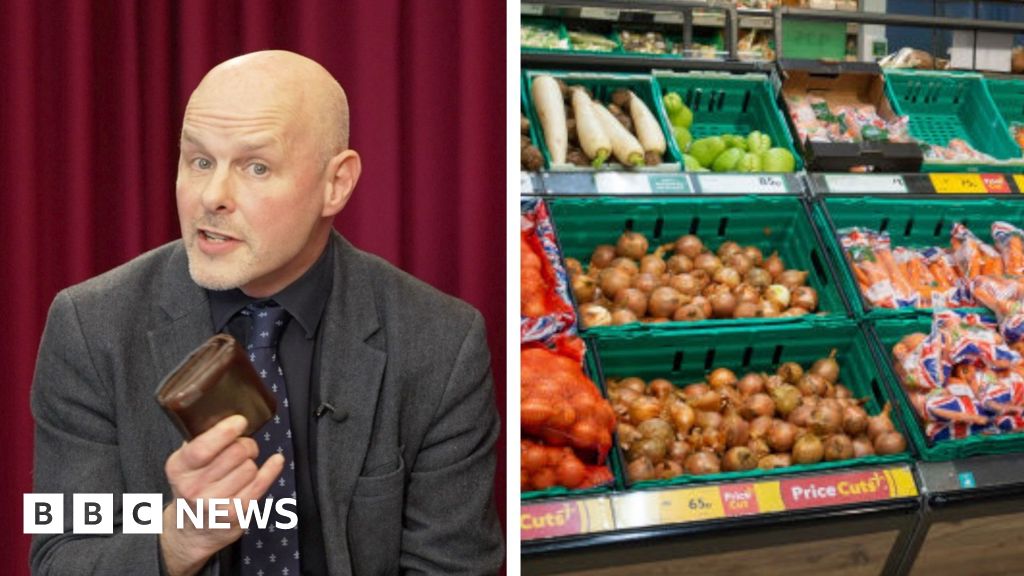
From fuel to mortgages, the BBC looks at how oil and gas prices could push up the cost of living.
Source link
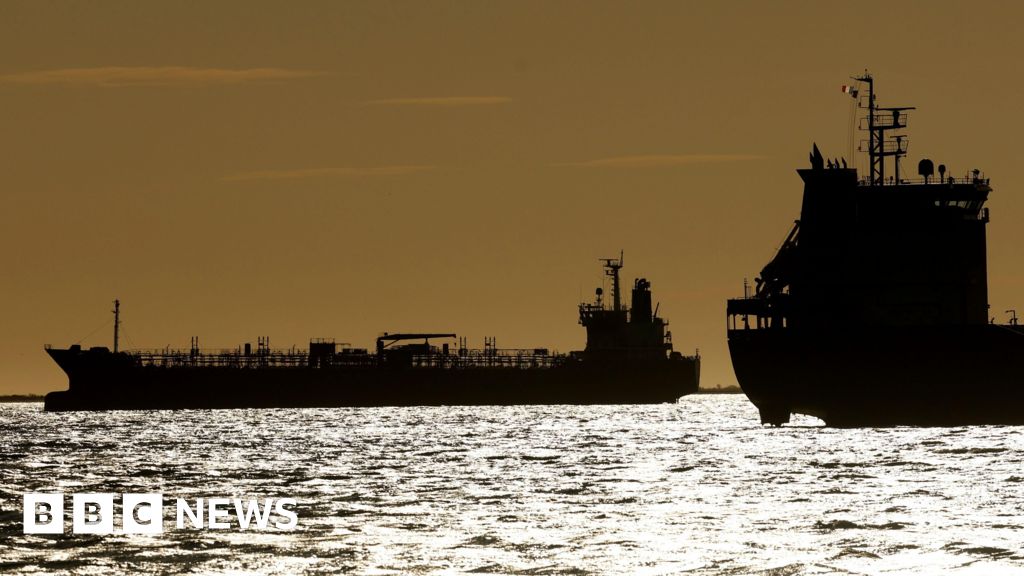
“To put it mildly, this is bananas,” said David Tannenbaum, director of Blackstone Compliance Services, a consultancy specialising in maritime sanctions. “Essentially we’re allowing Iran to sell oil, which could then be used to fund the war effort.”
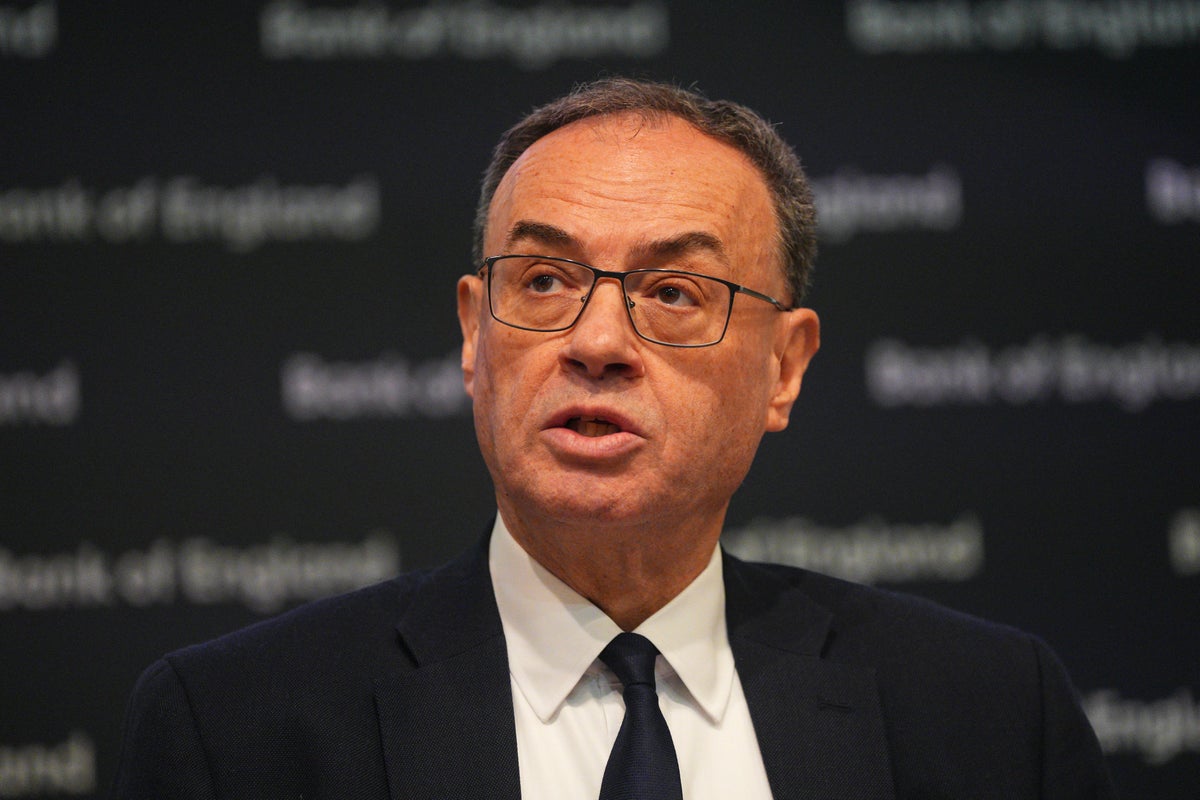
Reopening the Strait of Hormuz is “the best thing to do” to prevent interest rates rising, Bank of England governor Andrew Bailey has said.
In an interview on Thursday evening after the Bank’s Monetary Policy Committee (MPC) voted unanimously to leave the rate unchanged at 3.75%, Mr Bailey said any further cuts are “not on the horizon” as he hinted at possible hikes.
It is the first time that all members have voted the same way since September 2021.
Iran effectively closed the vital oil and gas shipping route after the US and Israel attacked the country, which has pushed up global prices.
Mr Bailey said the war in the Middle East is hitting petrol pumps now, will likely increase household energy costs in summer, and put pressure on food prices.
He told LBC’s Andrew Marr: “The duration of this problem is crucial.
“I would also say very clearly that the best way to solve this situation is not through monetary policy. It is through sorting out at the source of what’s going on.
“Frankly, reopening the Strait of Hormuz is the best thing to do. Get the energy market back on its normal footing, as it were.”
Asked if he has a message for US President Donald Trump, Israeli Prime Minister Benjamin Netanyahu, and “whoever’s in charge in Tehran”, Mr Bailey said: “The best thing we can do actually for the world economy… is to sort out the problem in terms of reopening the energy supply lines, because that is in the best interest of people in the world.”
UK military planners have joined the US Central Command to help formulate proposals for opening the Strait.
The MPC now expects Consumer Prices Index inflation to be around 3% in the second quarter of 2026, up from the 2.1% that had been forecast in February, with a potential rise in inflation up to 3.5% in the third quarter.
Mr Bailey was asked if he foresees, in the final two years of his term, the ambition to reduce inflation to at or below 2% being fulfilled.
He told the programme: “If you’d asked me this question three weeks ago, I was very optimistic on this.”
The governor added: “We are fully committed to the inflation target, and our job, frankly, is to deal with the shocks as they come along.
“I have to do that. I don’t wish them. I wish they were not happening, but they are and we will have to deal with them.”
He said the impact of the war will likely feed through into a higher Ofgem energy price cap from July.
It was put to Mr Bailey that the Middle East crisis comes at a time when the UK economy has already “not been growing strongly”.
He responded: “It is a very difficult time to have this happen, but frankly, any time would be pretty difficult to have this happen.
“This is a major shock to energy prices, and we have to deal with it.”
He said the “sustainable rate of growth” in the UK needs to be raised which could come from investment from pensions and artificial intelligence.
“I’m not starry-eyed about it, but it is probably the most likely area that we’re going to raise the growth rate of the economy and that’s important”, he said of AI.
The MPC signalled that if the conflict persists and has a bigger impact on UK prices, it would need to take a “more restrictive policy stance”, which indicates higher interest rates to control inflation.
The governor added: “The longer it goes on… I’m afraid to say, but it is rather an obvious point, the effect will be larger.”
He said that is why it is “imperative” that “everything is done that can be done to alleviate this effect”, adding: “That is the critical thing.”


TCU backs up its tough talk, bounces Buckeyes in 1st round

“The Bachelorette” season with Taylor Frankie Paul canceled after 2023 video surfaces, ABC says

‘Uncanny Valley’: Nvidia’s ‘Super Bowl of AI,’ Tesla Disappoints, and Meta’s VR Metaverse ‘Shutdown’

Stock market crash today (March 12, 2026): Nifty50 opens below 23,600; BSE Sensex down over 900 points on continuing US-Iran war – The Times of India

UK’s Topshop unveils Tolu Coker capsule collection
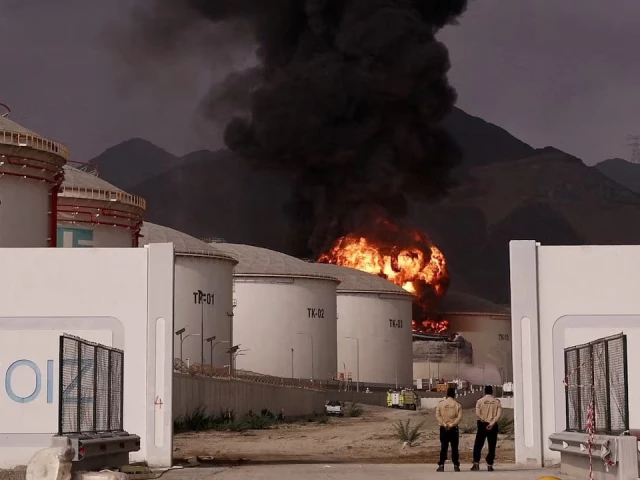
US ignites Iran war, but Gulf Arab states pay the price | The Express Tribune

-
Business1 week ago
Stock market crash today (March 12, 2026): Nifty50 opens below 23,600; BSE Sensex down over 900 points on continuing US-Iran war – The Times of India
-
 Fashion1 week ago
UK’s Topshop unveils Tolu Coker capsule collection
-
Business1 week ago
US ignites Iran war, but Gulf Arab states pay the price | The Express Tribune
-

 Fashion1 week ago
India’s textile recycling market may reach $3.5 bn by 2030: Report
-

 Tech1 week ago
Meta Developed 4 New Chips to Power Its AI and Recommendation Systems
-
 Business1 week ago
8th Pay Commission: How Much Will Central Govt Employees’ Salaries Rise? What We Know So Far
-

 Sports1 week ago
Bangladesh crush Pakistan in ODI series opener | The Express Tribune
-

 Entertainment1 week ago
Ed Sheeran makes surprising Benny Blanco confession after hygiene uproar