

Business
OPEC+ mulls larger oil output boost | The Express Tribune

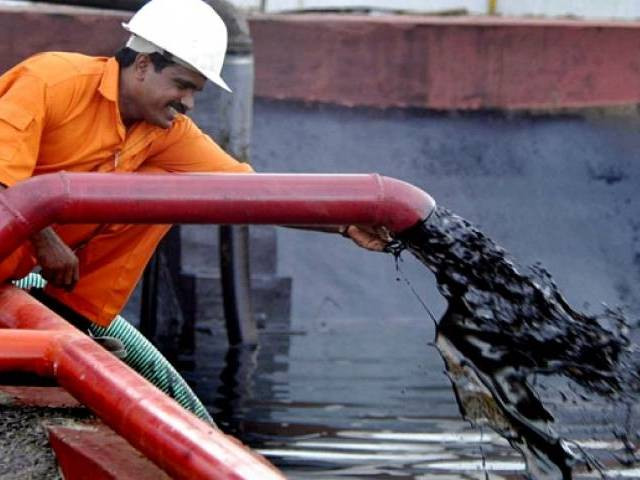
Sources say KSA, UAE have already raised exports; oil majors, traders have suspended shipments via Hormuz
This comes after Saudi last month agreed to a surprise output cut of oil cartel OPEC, the first in eight years. PHOTO: AFP
LONDON/MOSCOW:
OPEC+ may consider a larger-than-planned output increase of 411,000 barrels per day at a meeting on Sunday, two sources close to the talks said, after Saudi Arabia and the UAE raised exports in anticipation of possible disruption to oil markets from US-Israeli strikes on Iran carried out on Saturday.
Eight members of OPEC+, which groups the Organisation of the Petroleum Exporting Countries and allies — Saudi Arabia, Russia, the UAE, Kazakhstan, Kuwait, Iraq, Algeria and Oman — were already scheduled to meet on Sunday at 1100 GMT. Despite expectations that oversupply would weigh on the market, oil prices have risen this year on fears that a conflict between Iran and the US would disrupt Middle East supply through the Strait of Hormuz. Oil hit $73 a barrel on Friday, the highest level since July.
Delegates had earlier said the eight countries would likely agree to a modest increase of 137,000 barrels per day in oil output for April, as the group readies for summer demand, led by the US driving season, and as crude prices had already risen on expectations of a US attack on Iran.
An April increase would end a three-month pause in output hikes.
Both sources, who declined to be identified by name, said an increase of 411,000 bpd — three times the volume initially floated – was now being considered. One of them said it could be even larger, at 548,000 bpd.
Output increase already under way
Evidence has mounted that the biggest Middle East producers had already boosted exports as concern built that the US would strike Iran, raising the risk of disruption of oil exports.
UAE oil producer Abu Dhabi is set to export more of its flagship Murban crude in April, two trade sources said on Friday. Saudi Arabia, the leading OPEC producer, has increased its oil production and exports as part of a contingency plan, sources told Reuters this week.
The eight OPEC+ members raised production quotas by about 2.9 million bpd from April through December 2025, roughly 3% of global demand, before pausing further increases for January to March 2026 due to seasonal weakness.
Oil, gas majors suspend shipments via Hormuz
Some oil majors and top trading houses have suspended crude oil, fuel and liquefied natural gas (LNG) shipments via the Strait of Hormuz as the US and Israel attack Iran and Tehran retaliates, four trading sources said on Saturday. “Our ships will stay put for several days,” one top executive at a major trading desk said.
The tanker association INTERTANKO said the US Navy had warned against navigation in the operations area — the whole of the Gulf, Gulf of Oman, North Arabian Sea, and the Strait of Hormuz — saying it could not guarantee the safety of neutral or merchant shipping.
Eleven LNG tankers in ballast have so far shown signs of slowing down, U-turning or stopping in or around the Strait, said Laura Page, Kpler’s insight manager, LNG and natural gas.
“This number will likely rise over the coming days and could pose risks to Qatari LNG supply to the international market,” she said.
Florence Schmit, energy strategist at Rabobank, said: “If Qatar, which plays a disproportionate role in balancing both Asian and European LNG markets, is unable to export cargoes because of infrastructure damage or shipping impairments, the effect on global gas prices would be dramatic.”
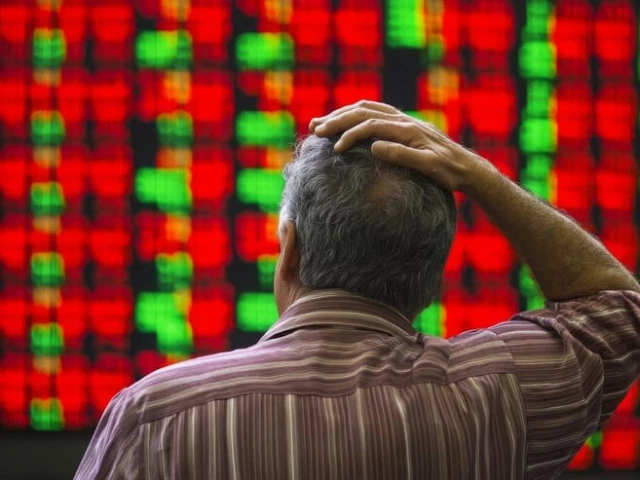






Last Updated:
Ashish Chauhan confirms National Stock Exchange will list its IPO on Bombay Stock Exchange, as Indian regulations bar self-listing.




The NSE operates the world’s busiest derivatives market by number of contracts traded.
The National Stock Exchange will look at other prominent exchanges like Bombay Stock Exchange (BSE) to list its upcoming IPO when it goes public. Managing Director and Chief Executive Officer Ashish Chauhan told ANI that Indian regulations prohibit the exchange from self-listing.
The NSE operates the world’s busiest derivatives market by number of contracts traded.
Regulatory Framework Bars Self-Listing
Chauhan said Indian regulations prohibit a stock exchange from regulating and listing itself, requiring it to seek admission on another recognised platform. “It’s a regulation of India, and we have to abide by that,” he told ANI.
The comments follow the Securities and Exchange Board of India’s (SEBI) no-objection certificate, which clears a key hurdle for the exchange’s long-pending initial public offering (IPO). Chauhan confirmed that the NSE would pursue listing on an alternative exchange such as the Bombay Stock Exchange (BSE).
Under India’s regulatory framework, exchanges cannot list on their own trading platforms due to conflict-of-interest concerns. Chauhan noted that while some global exchanges, such as Intercontinental Exchange (ICE), the parent of the New York Stock Exchange (NYSE), are listed on their own platforms, India’s rules do not permit such arrangements.
Offer For Sale Structure And Timeline
Chauhan said the IPO would be structured entirely as an Offer for Sale (OFS), with no fresh capital raised. “We are not going to raise money for ourselves,” he told ANI, adding that existing shareholders would be invited to indicate their interest in selling shares.
The exchange, which has nearly 195,000 shareholders collectively owning 100 percent of the company, will take a few months to prepare and file its Draft Red Herring Prospectus (DRHP). SEBI will then review the document before granting further clearance.
On valuation estimates of around USD 50 billion circulating in the market, Chauhan advised caution. Pricing, he said, would be determined closer to launch, based on financial performance, industry comparables, growth trends, and broader economic and geopolitical conditions. Merchant bankers appointed to the issue will advise the IPO committee on the offer price.
Transparency, Governance, And SME Inclusion
Chauhan described the IPO as procedural, aimed at providing liquidity to shareholders rather than funding expansion, noting that the exchange remains profitable.
He said public listing enhances transparency and governance through wider ownership and real-time disclosure requirements. Citing the example of Life Insurance Corporation (LIC), he said governance standards improved following its listing.
In the same interview, Chauhan said India has positioned itself as a cost-effective and inclusive capital market, particularly for small and medium enterprises (SMEs). He contrasted domestic listing costs with those in developed markets such as the United States, where expenses can range between USD 20 million and USD 30 million.
“In India, people are raising USD 1–2 million also. So how much they are spending is probably 5 to 10 per cent of that money to list,” he told ANI, adding that India’s ecosystem of merchant bankers, legal advisers and compliance professionals supports SME participation.
 Click here to add News18 as your preferred news source on Google.
Follow News18 on Google. Join the fun, play games on News18. Stay updated with all the latest business news, including market trends, stock updates, tax, IPO, banking finance, real estate, savings and investments. To Get in-depth analysis, expert opinions, and real-time updates. Also Download the News18 App to stay updated.
March 01, 2026, 09:10 IST
Read More
Business
UAE announces petrol and diesel prices for March 2026: Are drivers paying the war tax amid Iran and US–Israel clashes? – The Times of India
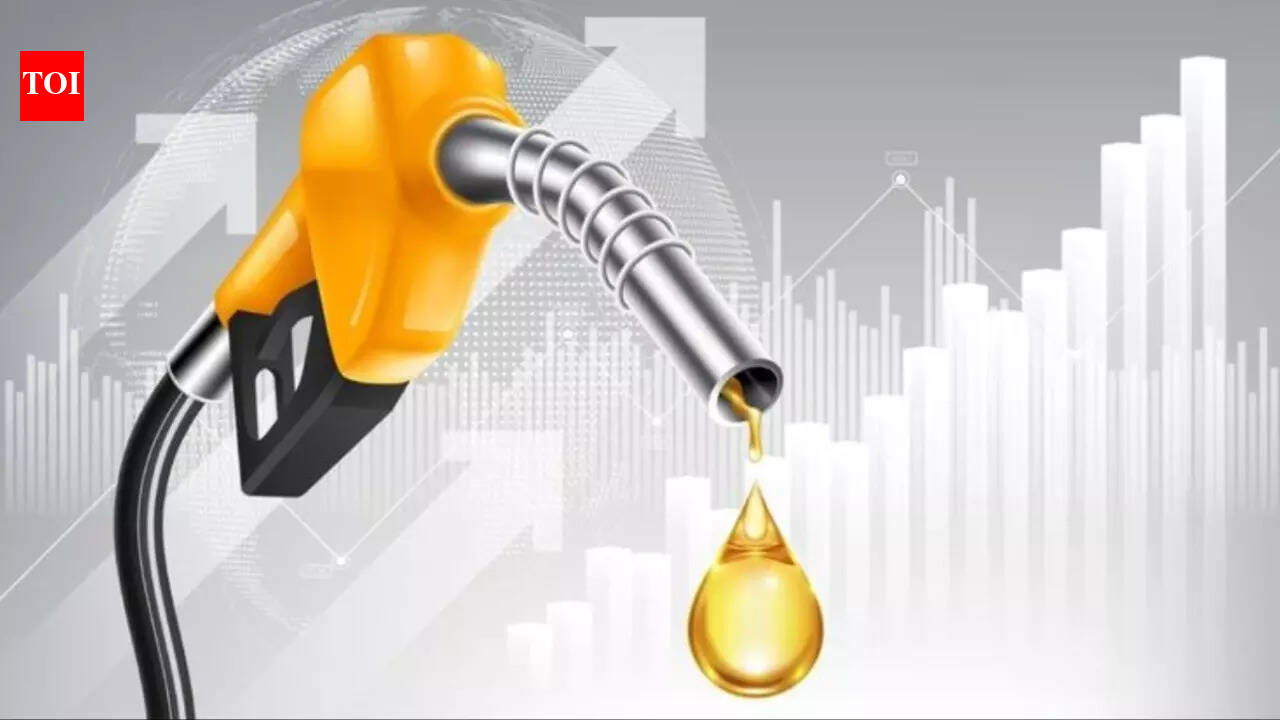
The United Arab Emirates Fuel Price Committee has released its official fuel price updates for March 2026, giving motorists a clear picture of how much they will be paying at the pump for petrol and diesel this month. The monthly revision, which takes effect from March 1, 2026, reflects shifts in global crude oil markets and aligns local retail prices with international trends, as part of a pricing regime introduced when the UAE deregulated fuel prices in 2015.
UAE’s new fuel prices for March 2026 amid Iran and US–Israel clashes
Here’s how the UAE petrol and diesel prices stack up for March –
- Super 98 petrol: Dh 2.59 per litre (up from Dh 2.45 in February)
- Special 95 petrol: Dh 2.48 per litre (up from Dh 2.33)
- E-Plus 91 petrol: Dh 2.40 per litre (up from Dh 2.26)
- Diesel: Dh 2.72 per litre (up from Dh 2.52)
These increases end a brief period of cheaper fuel at the start of 2026, when prices had dipped in January and February following earlier declines. The committee reviews fuel prices monthly to reflect average international oil prices and the costs associated with refining and distribution.
Why fuel prices in the UAE increased: Global oil market context amid Iran and US–Israel clashes
The rise in local pump prices for March comes amid broader global oil price pressures, partly driven by geopolitical tensions in the Middle East, especially the recent escalation involving Iran, the United States and Israel, which have pushed crude prices up in recent weeks. These tensions can heighten a geopolitical risk premium in oil markets, meaning traders factor in extra costs due to supply disruption fears, particularly around strategically important chokepoints like the Strait of Hormuz, through which about a fifth of global crude oil passes.
UAE Fuel Prices March 2026: Petrol and Diesel Costs Rise Amid Global Oil Pressures
In addition, crude oil benchmarks such as Brent have been trending higher compared with the months that underpinned February’s fuel prices, nudging the committee toward a modest upward adjustment at the pump.
How UAE’s monthly fuel pricing system works
Since 2015, the UAE has used a market-linked fuel pricing mechanism. Under this system:
- Oil prices are averaged over the month preceding the pricing decision.
- The government adds refining, distribution and retail costs to set local prices.
- These adjusted rates are then announced at the end of each month and apply for the following month.
This approach ensures that UAE petrol and diesel prices reflect actual global supply and demand dynamics rather than being fixed — a policy that both informs consumers and aligns local fuel costs with international benchmarks.
What it means for drivers in the UAE
For everyday motorists and commercial transporters in the UAE, slightly higher fuel costs mean filling up a typical compact car will cost more than last month. Diesel-powered vehicles, widely used in logistics and trucking, will also face marginally increased costs. Monthly budget planning may need to accommodate these shifts, especially if crude prices remain elevated.While the hike in March is not a dramatic leap, it reflects how closely UAE fuel prices are tied to global oil market moves, which in turn respond to factors such as geopolitical events, seasonal demand and production decisions by major oil-producing countries.
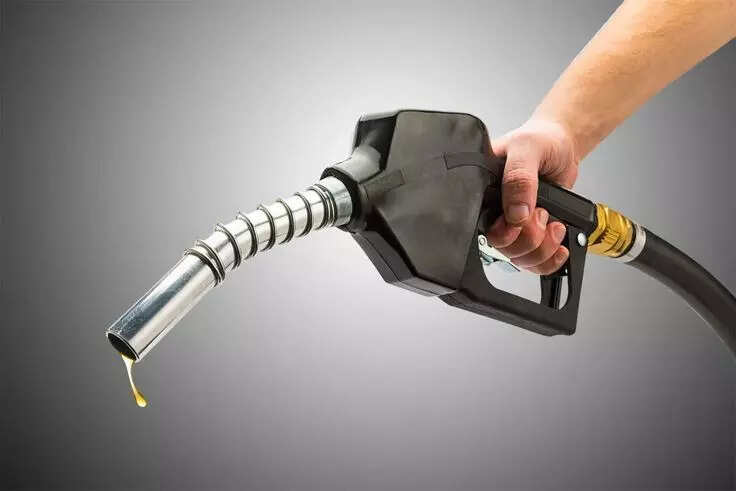
UAE Fuel Prices Surge: Geopolitical Tensions Drive Up Costs for Drivers
Fuel prices in the UAE are expected to continue reflecting global crude dynamics in the coming months. If geopolitical tensions ease or global oil supply increases, pump prices might stabilise or even head lower again later in 2026. Conversely, further upward pressure on crude could lead to higher fuel rates in April and beyond.For now, drivers in the Emirates should prepare for a slight increase at the pump but also keep an eye on international news and oil markets, as these will shape future pricing decisions. UAE fuel prices rose in March 2026, with petrol and diesel up across all major grades. Super 98 is Dh 2.59/litre, Special 95 is Dh 2.48, and diesel is Dh 2.72. Price changes reflect global oil market trends, influenced by geopolitical risk and crude cost movement. Fuel pricing in the UAE is reviewed monthly under a market-linked system introduced in 2015.
Business
UAE market stability, food prices, stock update amid Iran–US-Israel escalation: Panic buying in the emirates as oil prices surge? – The Times of India

Amid escalating geopolitical tensions in West Asia, including recent missile exchanges involving Iran, the United States and Israel that rattled Gulf cities and triggered regional alerts, the United Arab Emirates has reassured the public that its markets remain stable and strategic food reserves are secure. Despite periodic jitters in financial markets and broader concerns about supply chains during such crises, the UAE’s Ministry of Economy and Tourism has firmly stated that essential commodities, both food and non-food, are available in ample quantities across all retail outlets nationwide with no indications of shortages or disruptions.The ministry confirmed that it is actively monitoring stock levels through advanced digital systems that collect and analyse data daily, ensuring that supplies remain sufficient and that price stability is maintained even in the face of heightened uncertainty across the region. Strategic reserves of staple goods are held at high and diversified levels, and import flows continue normally, thanks in part to the UAE’s broad network of global trading partners and diversified supply routes. Officials have urged residents not to panic-buy or engage in excessive stockpiling, emphasising that the country’s resilience and preparedness will protect everyday life and commerce.
UAE’s economic stability amid regional strains due to Iran and US–Israel clashes
The backdrop to this reassurance includes not only concerns about food and essential supplies but also financial market reactions to geopolitical stress. In recent days, UAE stock indices experienced modest declines as investors reacted to uncertainty stemming from stalled diplomatic talks and the heightened possibility of conflict involving Iran, with major developers and banks seeing pressure on share prices. Meanwhile, oil prices climbed on fears of supply disruption, reflecting how deeply energy markets are tied to regional stability.
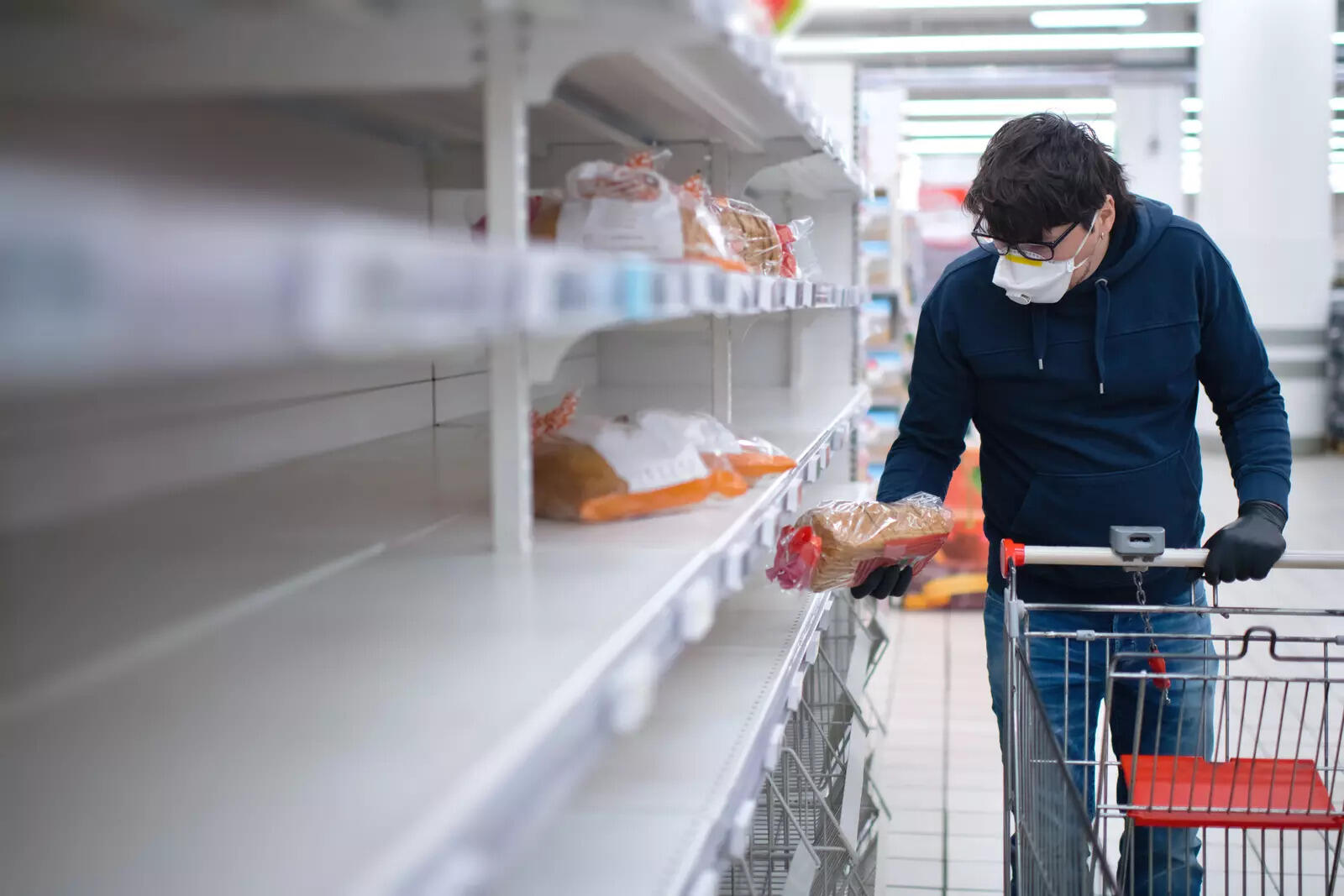
Is There Food Shortage in UAE? Government Issues Major Update on Supplies
Despite such volatility, the UAE government’s proactive policies, from diversified import sources and strategic reserves to real-time price monitoring, appear to be cushioning the broader economic ecosystem. Markets, logistics networks and supply chains remain functional, underscoring the robustness of the nation’s economic framework even during moments of geopolitical stress.
Why food security in the UAE matters now
Food security is a pressing issue in the Gulf as the UAE imports a significant portion of its food, making secure supply chains vital for national well-being. In times of international turbulence, quick spoilage or disruption in trade corridors, for example due to maritime tensions in the Red Sea or risks to the Strait of Hormuz, can rapidly feed public anxiety. However, authorities have continuously stressed that comprehensive planning, diversified sources and strong logistical infrastructure support uninterrupted availability of essential goods.This robust stance is aligned with the UAE’s broader approach to economic resilience: strengthening strategic reserves, maintaining a diversified import portfolio and leveraging a world-class transport and logistics network. These measures help ensure that no single route, region or event can significantly destabilise supply, a critical priority not just for food but for overall economic and social stability.
UAE’s public reassurance and official messaging amid Iran and US–Israel clashes
Officials have also been careful to reinforce calm and confidence among residents, urging the public to rely on verified information and to avoid succumbing to rumours or fear-driven buying behaviour. This messaging is part of a broader communications strategy seen in recent days, including high-level appeals to stability from security and government departments, emphasising that the UAE’s internal environment remains steady even as external tensions persist.
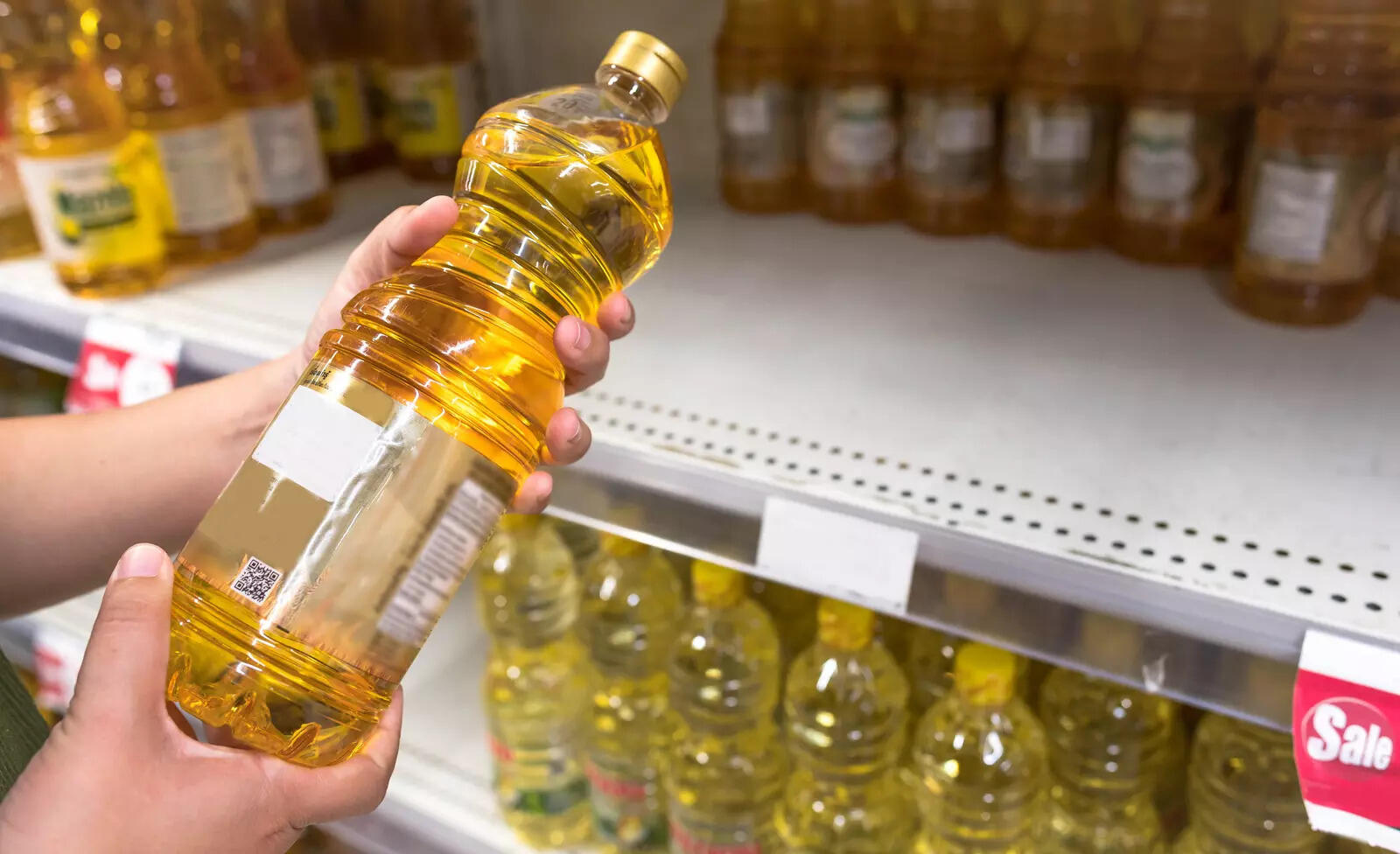
Will UAE Food Prices Rise? Authorities Respond as Oil Prices Surge
At a time when headlines are dominated by clashes and diplomatic strains in the Middle East, the UAE government’s message is clear: everyday life, market operations and access to essentials are secure, underpinned by sound economic planning and resilient supply chains. The UAE Ministry of Economy and Tourism has confirmed that markets are stable and stocked with essential food and goods, with robust strategic reserves in place.Import activity and supply flows are proceeding normally, with no indication of shortages despite regional tensions. Financial markets have faced some pressure due to geopolitical uncertainty but core economic functions remain resilient. Authorities continue to monitor data in real time and have urged the public not to panic buy, reassuring residents of the country’s preparedness.


USITC launches study on ending China PNTR

WWE takeaways: Only one surprising outcome at Elimination Chamber

US-Israel attack on Iran risks regional conflagration, Pakistan tells UNSC

-
 Business1 week ago
US Top Court Blocks Trump’s Tariff Orders: Does It Mean Zero Duties For Indian Goods?
-

 Fashion1 week ago
ICE cotton ticks higher on crude oil rally
-

 Entertainment1 week ago
The White Lotus” creator Mike White reflects on his time on “Survivor
-
 Business1 week ago
Eye-popping rise in one year: Betting on just gold and silver for long-term wealth creation? Think again! – The Times of India
-

 Politics1 week ago
Pakistan carries out precision strikes on seven militant hideouts in Afghanistan
-

 Sports1 week ago
Brett Favre blasts NFL for no longer appealing to ‘true’ fans: ‘There’s been a slight shift’
-

 Fashion1 week ago
Climate risks could impact fashion industry by 34% in 2030: Aii
-
 Politics1 week ago
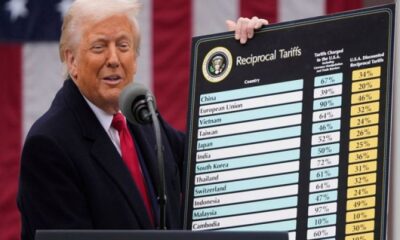
US Supreme Court strikes down Trump’s trade tariff measures