

Business
Pakistan mulls revising NFC award to align with IMF conditions: sources – SUCH TV


The Government of Pakistan is weighing significant revisions to the National Finance Commission (NFC) Award following IMF pressure to curb the federal deficit and address mounting debt.
Official sources said the IMF has recommended changes to the NFC formula to improve fiscal discipline, which may reduce the provincial share of 57.5 percent from the divisible pool.
If provinces resist, the government could push the changes through the 27th Constitutional Amendment.
The population-based share, currently 82 percent, is also under review, with new criteria such as poverty rates, tax performance, and population density being considered.
Provinces may be asked to generate more of their own revenue instead of relying heavily on federal transfers.
Additionally, plans are under discussion to devolve the Benazir Income Support Programme (BISP) and shift responsibility for the Annual Development Plan (ADP) to provincial governments.
These measures are part of IMF’s conditions to cut federal spending and create fiscal space.
Finance Minister of Pakistan Muhammad Aurangzeb recently reviewed the 7th NFC Award data, including provincial tax shares and BISP allocations.
He asked officials to prepare working papers for the next meeting.
The first NFC Award meeting with provinces has been delayed and may now happen in September or October.
Khyber Pakhtunkhwa has written to the Prime Minister of Pakistan to call the meeting soon.
Sources say the federal government of Pakistan may ask provinces to accept a smaller share of funds.
Final plans will need the Prime Minister’s approval before talks with provinces.
IMF pressure shows the strong link between reforms and financial support.
Changing the NFC Award will be politically sensitive, but officials say it is needed to meet IMF conditions and stabilise Pakistan’s economy.








Business
West Asia conflict: Govt may ask companies to cut exports, increase auto fuel, LPG supplies – The Times of India
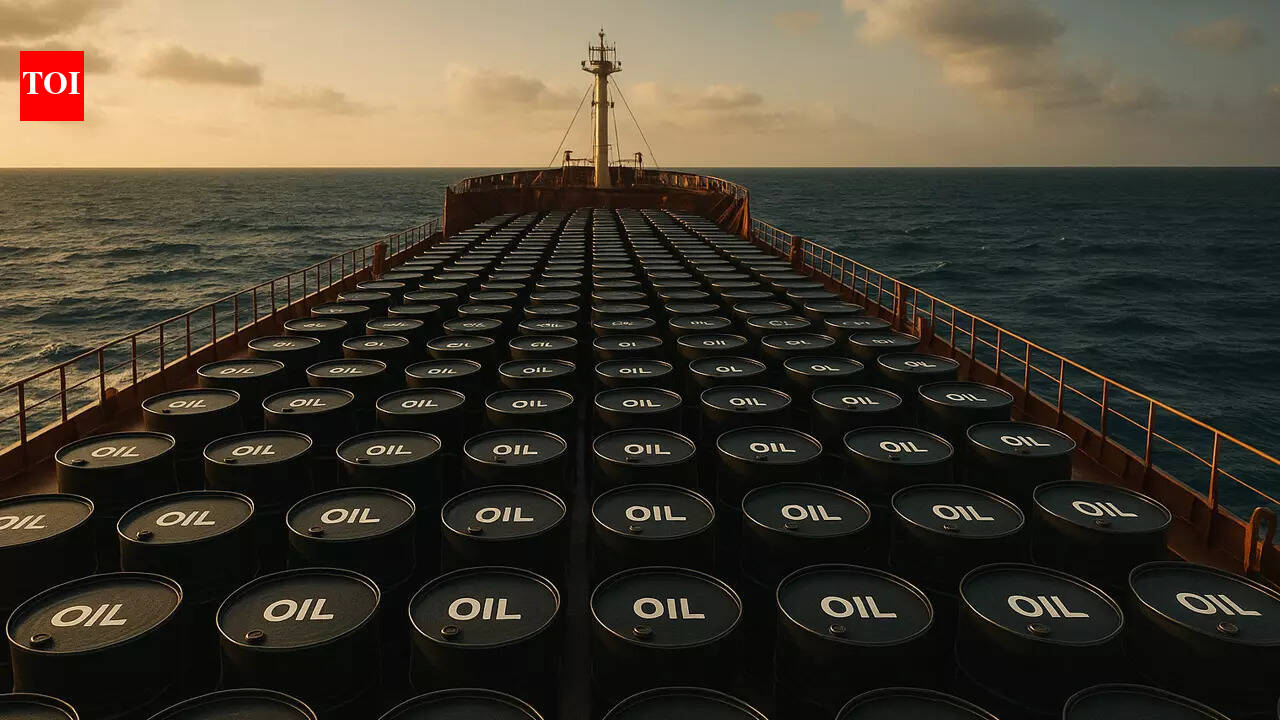
NEW DELHI: Amid fears of a shortage in crude supplies, govt is looking to nudge refiners to divert more auto fuel and LPG to the domestic market by cutting on exports and also increase cooking gas production so that there is no disruption in local supplies.While govt and oil companies insisted there’s no shortage, refiners are looking at alternate sources to partly compensate for crude coming from war-hit West Asia.
The tension has led to a spike in oil and gas prices, and given India’s dependence on imports, inflating the import bill and stoking inflationary pressures. Officials, however, said retail fuel prices may not rise immediately, as oil marketing companies follow a calibrated approach — absorbing losses when global prices are high and recouping them when prices soften. Retail petrol and diesel prices have remained unchanged since April 2022.Mantri meets oil cos to assess availability of crude and gasOn a day when Iranian drones damaged part of Saudi Aramco refinery and Qatar Energy’s facilities, the world’s largest LNG producer, announced an export pause, petroleum minister Hardeep Singh Puri and his team of officials met oil companies on Monday to assess the availability of crude and gas. “We are continuously monitoring the evolving situation, and all steps will be taken to ensure availability and affordability of major petroleum products in the country,” the oil ministry said in a post on X.India imports nearly 90% of its crude requirement. It also meets 60-65% of its LPG demand and about 60% of its LNG needs through imports, largely from West Asia, with shipments routed via Strait of Hormuz, which risks being choked due to the war.
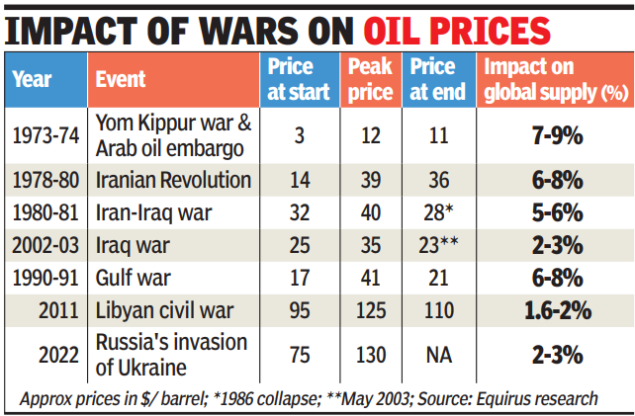
According to the International Energy Agency, in 2023, 5.9% of the country’s production was being exported. Between April and Dec 2025, India exported petroleum products worth nearly $330 billion, with the Netherlands, UAE, the US, Singapore, Australia and China being the main destinations. In 2024, it also exported petroleum gas worth $454 million, mostly to Nepal, China, and Myanmar. The Reliance refinery in Jamnagar is the largest exporter in the country.An oil company executive said refiners are already in contact with traders to tie up capacities amid fears of the blockade of Strait of Hormuz. By Monday, the global market had caught the jitters from Qatar’s decision to suspend gas shipments.An oil executive said while disruption could cause difficulties in the immediate term, Indian players had a wide portfolio that they can tap for LNG, including the US, with vessels being routed through the Suez Canal.“Even if there is a force majeure, we have other sources of supply, which we can tap. Besides, no one is going to stop supplies indefinitely,” the executive said. While oil and gas prices rose Monday, the focus is on ensuring that supply lines remain open.

A display board shows canceled flights to Dubai and Doha amid regional airspace closures at Noi Bai International Airport, amid the U.S.-Israel conflict with Iran, in Hanoi, Vietnam, March 2, 2026. Picture taken with a mobile phone.
Thinh Nguyen | Reuters
Airline and travel stocks slipped Monday after airspace closures throughout the Middle East forced carriers to cancel thousands of flights, disrupting trips as far as Brazil and the Philippines.
Cruise lines stocks also fell sharply, with Royal Caribbean Cruises dropping 3% and Carnival Corp. losing more than 7%.
Norwegian Cruise Line Holdings‘ stock fell 10% after its earnings call disappointed investors. Elliott Investment Management said last month that it had built a more than 10% stake in the company and that it’s seeking changes. New CEO John Chidsey told analysts that “our strategy is sound, our execution and coordination have not been, and a culture of accountability is essential and necessary going forward.”
Oil prices also rose, potentially driving up airlines’ biggest cost after labor. Flights through the Middle East were grounded, including to destinations like Tel Aviv and Dubai.
United Airlines, which has the most international exposure of the U.S. carriers, fell nearly 3%. Service to Tel Aviv, Israel, one of the airline’s most profitable routes, was halted, but airlines were also was forced to pause flights to Dubai, in the United Arab Emirates, one of the busiest airport hubs in the world. Dubai is also a home base for the airline Emirates.
Shares of American Airlines lost 4% while Delta Air Lines fell 2%.
More than 11,000 Middle East flights have been canceled since the U.S.-Israeli strikes this weekend, according to aviation-data firm Cirium.
International travel has been a bright spot in the travel sector. In January, international air travel demand jumped 5.9% from a year ago while domestic flight demand was nearly flat, the International Air Transport Association, an airline industry group, said in a report Monday.
— CNBC’s Contessa Brewer contributed to this report.
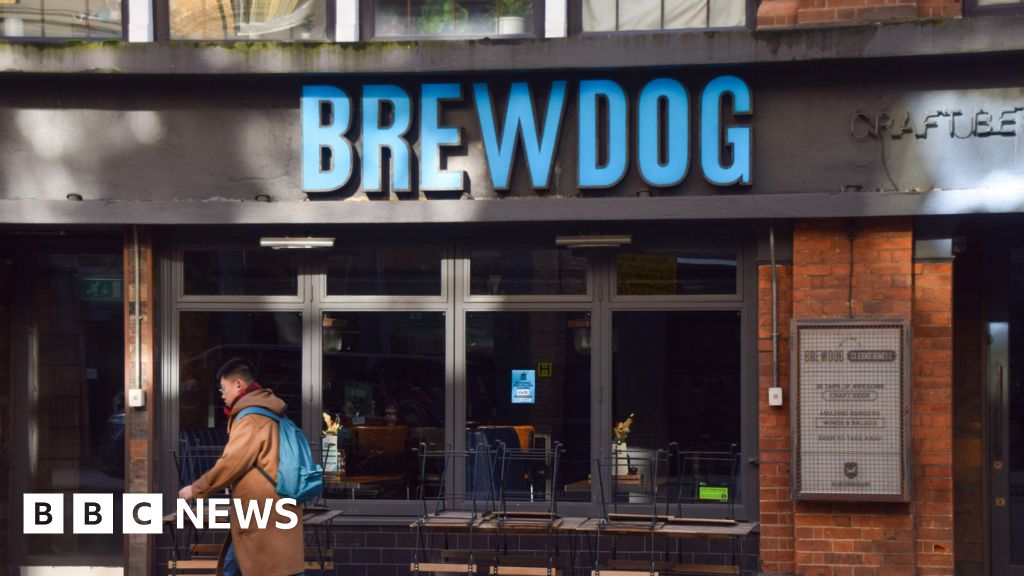
Beverage and cannabis company Tilray acquires the brewery, the brand and 11 bars after Brewdog went into administration.
Source link


Jennifer Garner reflects on filming movie right after child birth
[CinePlex360] Please moderate: “Chinese company

Colorado opts to practice, mourn death of Dominiq Ponder

-
 Business6 days ago
Households set for lower energy bills amid price cap shake-up
-

 Entertainment1 week ago
Talking minerals and megawatts
-
 Business6 days ago
Lucid widely misses earnings expectations, forecasts continued EV growth in 2026
-

 Politics5 days ago
What are Iran’s ballistic missile capabilities?
-

 Sports1 week ago
Eileen Gu comments on Alysa Liu’s historic gold medal
-

 Politics1 week ago
Supreme Court ruling angers Trump: Global tariffs to rise from 10% to 15%
-

 Sports1 week ago
South Africa thrash India by 76 runs in T20 World Cup Super 8 – SUCH TV
-
 Business1 week ago
Govt to return unclaimed EPFO deposits, expand scholarships for unorganised workers’ children – The Times of India