

Business
Pakistan’s current critical mineral moment more promise than performance: Report

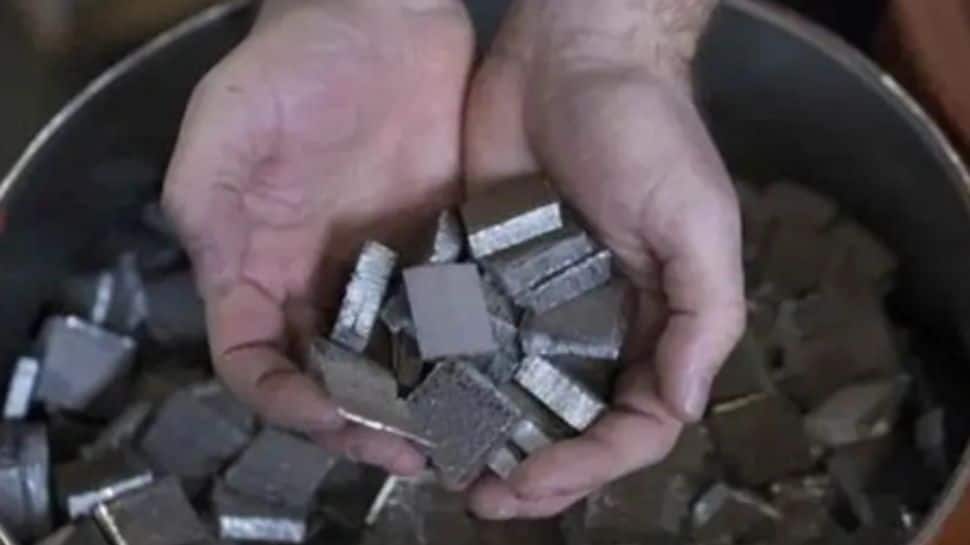
New Delhi: Pakistan’s push to position itself as a supplier of rare earths and critical minerals to the United States remains only a promise without evidence unless domestic security, political stability and regulatory clarity improve, a new report has said.
The report in Pakistan-based The Friday Times said that despite geological potential including deposits at Reko Diq and reports of rare earth elements in Balochistan and Khyber Pakhtunkhwa, “the state of security, politics and the investment climate is the barrier.”
In recent months, Balochistan has seen a surge in Baloch Liberation Army attacks. Tehreek-e-Taliban Pakistan (TTP) and Islamic State Khorasan Province (ISKP) activity in Khyber Pakhtunkhwa, along with terror attacks in Islamabad, broadens risk perception to transport corridors and workforce safety.
“The Tira Valley displacement linked to counter-TTP operations underscores how militancy shapes the wider environment in which mining must operate,” the report noted.
The escalation in Balochistan has directly affected sentiments of investors who have already spent considerable capital including Chinese investors, the report suggested. Without stabilising existing commitments, attracting additional capital will remain difficult. Reassuring Beijing through transparent policy, improved security for Chinese personnel and timely resolution of energy payment disputes should be Pakistan’s priority now even while courting Washington, it said.
Further internationally verified data on commercially viable rare earth reserves remain limited. “Exploration and certification are still required before large-scale production becomes credible,” it added. The report also flagged provincial politics as another barrier affecting investment inflows as provincial‑federal jurisdiction remains under dispute. Mining requires regulatory clarity over decades, not months, it reminded.
The political polarisation between the current civil–military leadership and the Pakistan Tehreek-e-Insaf (PTI)-led opposition create uncertainty over policy continuity. Investors will fear that agreements signed under one dispensation may face renegotiation under another, the report argued.
The report also warned that if security conditions deteriorate, Saudi Arabia’s reported interest in acquiring a stake in Reko Diq will not see any follow up.

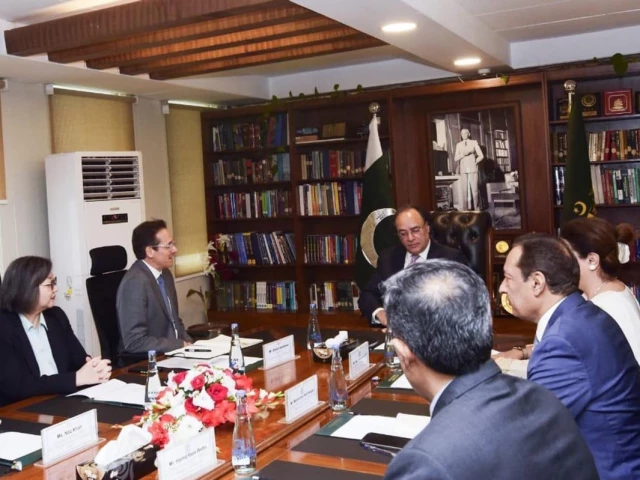
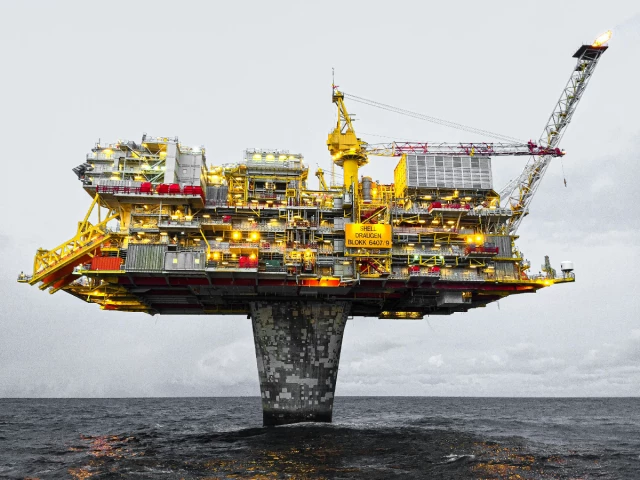

The Felix Project is among the organisations feeling the effects of increased costs due to the conflict in Iran.
Source link

Bosses say a good start to the year has been put at risk, but opportunities have also emerged.
Source link
Business
Crude oil soars as Middle east conflict chokes supply routes, Hormuz concerns stokes panic – SUCH TV
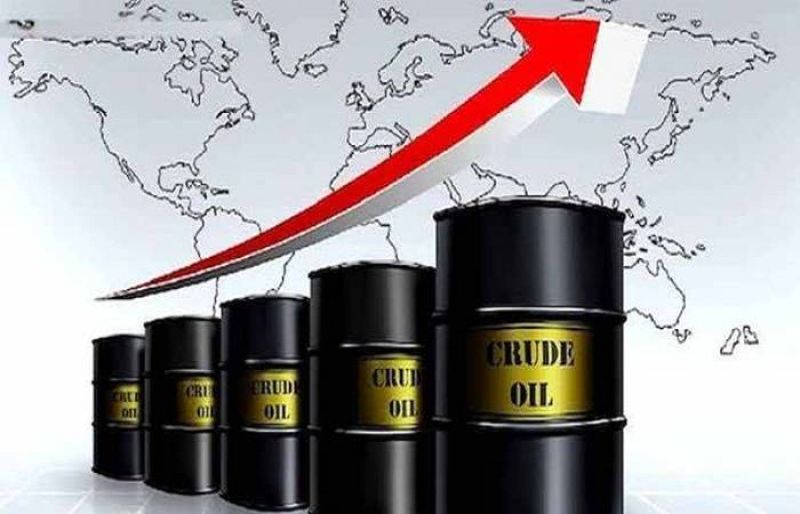
Crude oil prices climbed on Monday on continuing fears of supply losses because of shipping disruptions in the key Middle East producing region from the US-Israeli war with Iran.
Brent crude futures rose $1.71, or 1.6%, to $110.74 a barrel by 0057 GMT. US West Texas Intermediate crude futures gained $0.71, or 0.6%, to trade at $112.25 per barrel.
On Thursday, the last trading day before the Good Friday holiday break, WTI settled up more than 11%, and Brent soared nearly 8% in volatile trading, recording their biggest absolute price increase since 2020, as US President Donald Trump promised to continue attacks on Iran.
The Strait of Hormuz, which carries oil and petroleum products from Iraq, Saudi Arabia, Qatar, Kuwait and the United Arab Emirates, remains largely closed by Iranian attacks on shipping after the war began on February 28.
Because of the Middle East supply disruptions, refiners are seeking alternative sources for crude, particularly for physical cargoes in the US and the UK North Sea.
“Global buyers are bidding aggressively for (US) Gulf Coast barrels, and Brent is rallying even faster,” the Schork Group said in a client note on Monday.
On Sunday, Trump ratcheted up pressure on Tehran, threatening in an expletive-laden Easter Sunday social media post to target Iran’s power plants and bridges on Tuesday if the strategic Strait of Hormuz is not reopened.
Still, some vessels, including an Omani-operated tanker, a French-owned container ship and a Japanese-owned gas carrier, crossed the Strait of Hormuz since Thursday, shipping data showed, reflecting Iran’s policy to allow passage for vessels from countries it deems friendly.
The war threatens to linger on as Iran has officially told mediators it is not prepared to meet with US officials in the Pakistani capital, Islamabad, in the coming days, and efforts to produce a ceasefire have reached a dead end, the Wall Street Journal reported on Friday.
On Sunday, OPEC+, consisting of some members of the Organisation of the Petroleum Exporting Countries and allies such as Russia, agreed to a modest rise of 206,000 barrels per day for May.
However, that decision will largely exist on paper as several of the group’s key producers are unable to raise output due to the war.
Russian supply has been disrupted recently by Ukrainian drone attacks on its Baltic Sea export terminal. Media reports on Sunday said its Ust-Luga terminal resumed loadings on Saturday after days of disruptions.


King Charles, Prince William ‘row’ over Beatrice, Eugenie unfolds

Japan’s GDP growth to moderate to 0.8% in 2026: IMF

Hailey Bieber leans into motherhood with style

-

 Sports1 week ago
USMNT handed reality check by Doku, Belgium ahead of World Cup
-

 Sports1 week ago
2026 NCAA men’s hockey tournament: Schedule, results
-
Uncategorized4 days ago
[CinePlex360] Please moderate: “Trump signals p
-

 Entertainment3 days ago
Joe Jonas shares candid glimpse into parenthood with Sophie Turner
-

 Tech3 days ago
Our Favorite iPad Is $50 Off
-
Uncategorized7 days ago
[CinePlex360] Please moderate: “Further tariff
-

 Entertainment1 week ago
The Avett Brothers’ bassist explains why he wrote a book about John Quincy Adams
-

 Entertainment1 week ago
Demystifying the PTI