

Business
Probe sought into meat export surcharge | The Express Tribune

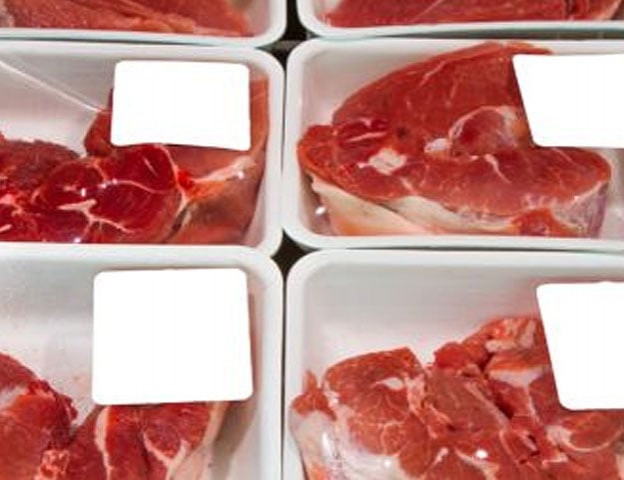
According to exporters, Gerry’s Dnata recently introduced an additional charge of Rs50 per kg on meat exports
LAHORE:
The Ministry of Commerce has formally sought the intervention of aviation authorities over complaints from meat exporters regarding additional logistics charges imposed on export consignments, marking a significant development in an ongoing dispute that industry representatives warn could disrupt Pakistan’s meat exports.
In an official letter dated March 17, 2026, the Ministry of Commerce asked the director general of the Pakistan Civil Aviation Authority (PCAA) in Karachi to look into the issue of “unauthorised additional charges” reportedly being levied by cargo handling company Gerry’s Dnata on meat export shipments.
The communication followed a complaint submitted by the All Pakistan Meat Exporters and Processors Association (APMEPA), which raised concerns that the newly imposed charges were increasing export costs and affecting the industry’s competitiveness in international markets.
According to exporters, Gerry’s Dnata recently introduced an additional charge of Rs50 per kg on meat exports and warned that consignments would not be processed for shipment unless the payment was made.
Industry representatives say the additional levy translates into roughly $180 per ton, a cost escalation that could significantly impact exporters operating in highly competitive global markets.
Officials in the Ministry of Commerce noted in the letter that the Prime Minister’s Committee on Export of Surplus Food Items to GCC countries had been informed during a meeting on March 15 that the additional charges had already been withdrawn.







Heineken has announced a substantial investment exceeding £44 million into hundreds of its pubs across the UK, a move expected to create approximately 850 jobs.
The Dutch brewing giant’s Star Pubs operation, which manages 2,350 sites nationwide, is undertaking this significant financial commitment despite a challenging period for the pub sector.
The industry has faced considerable pressure over the past year, grappling with escalating labour costs and increases in national insurance contributions.
Concurrently, consumer spending has been constrained by concerns over inflation and rising unemployment, further impacting pub revenues. However, pubs did receive additional business rates support from the government last month, aimed at alleviating some of these financial burdens.
Lawson Mountstevens, managing director of Star Pubs, indicated that the investment strategy is partly designed to bolster revenues and help the group navigate the recent “sustained increases in running costs”.
This year, £44.5 million will be allocated to upgrades for 647 pubs. A notable 108 of these venues are earmarked for particularly significant cash injections, with each transformation costing at least £145,000.
Heineken clarified that while the majority of its pubs are group-owned, they are independently operated by local licensees. A key focus for this investment, particularly in the lead-up to the 2026 football World Cup, will be on sports-focused venues.
The pub firm and brewer has a history of significant investment in British pubs, having pumped £328 million into the sector since 2018. Work has already commenced at 52 locations, including eight projects dedicated to reopening boarded-up pubs that have endured lengthy closures.
Mr Mountstevens also urged the government to reduce the tax burden on pubs, arguing it would ease cost pressures and foster further job creation within the industry.
He stated: “We can only do so much; the root-and-branch reform of business rates that the industry has been calling for over many years is urgently required, as well as a lowering of the burden of taxation on pubs, including VAT and beer duty.”
He concluded with a direct appeal: “We are calling on the Government to support us in bringing out the best in the Great British pub.”
GameStop’s boss Ryan Cohen says he sees potential to make eBay a much bigger rival to Amazon.
Source link
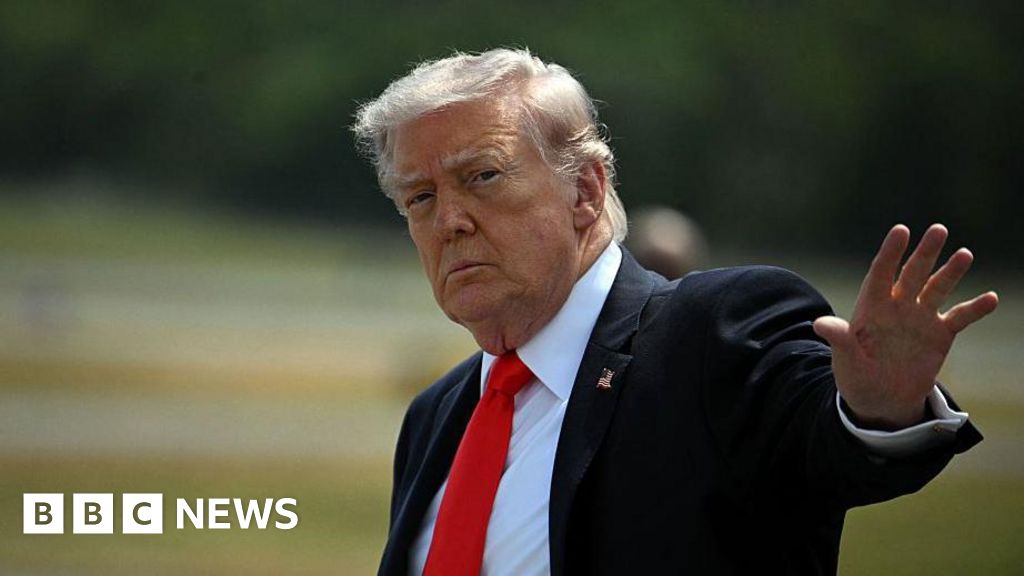
It comes as the US said on Monday it will begin to help “guide” vessels out of the Strait of Hormuz.
Source link


Iran says it forced US warship back from Strait of Hormuz

It took 40 years for technology to catch up to this zipper design

Britney Spears case ends with guilty plea in reckless driving matter

-

 Tech1 week ago
A Brain Implant for Depression Is About to Be Tested in Humans
-

 Tech1 week ago
Almost 90% of women leave tech industry within 10 years | Computer Weekly
-
 Business1 week ago
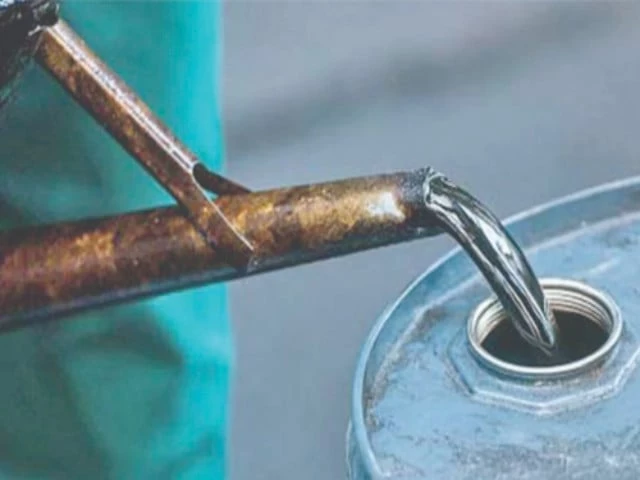
Pakistan’s oil market is fuelling the crisis | The Express Tribune
-
 Business7 days ago
‘I had £20,000 stolen and had to fight a 13-month fraud reporting rule to get it back’
-

 Sports6 days ago
Pro wrestling star Steph De Lander reveals how colleague’s advice helped lead her to title triumph at ACW
-

 Entertainment1 week ago
Norway joins Type 26 Frigate Programme to boost NATO naval power
-

 Entertainment1 week ago
Melania Trump says ABC should ‘take a stand’ on late-night host Kimmel
-

 Tech6 days ago
This Ambitious Laptop Doesn’t Leave Much Room for Your Hands