

Business
Reeves’ ‘mansion tax’ makes ‘no sense’, former IFS director warns

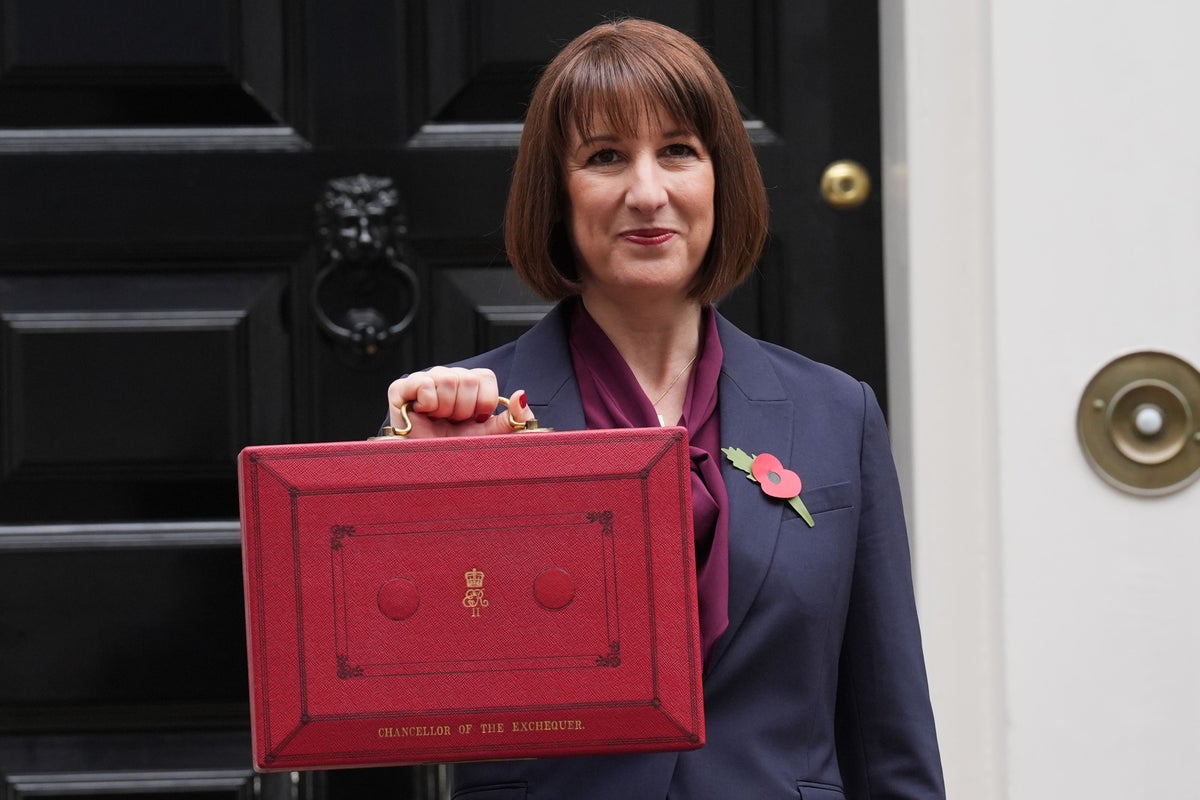
Rachel Reeves’s plans to levy a “mansion tax” on high-value properties make no sense and could cause the Treasury to lose money, one of Britain’s leading economists has warned.
Paul Johnson, the former director of the Institute for Fiscal Studies (IFS), told The Independent he was “staggered” at reports that the Treasury is considering such a move, saying it could “block up the entire housing market”.
His intervention came as mortgage brokers and financial planners rounded on the chancellor after reports that she is considering hitting the owners of expensive properties when they sell to plug a £40bn hole in the public purse.
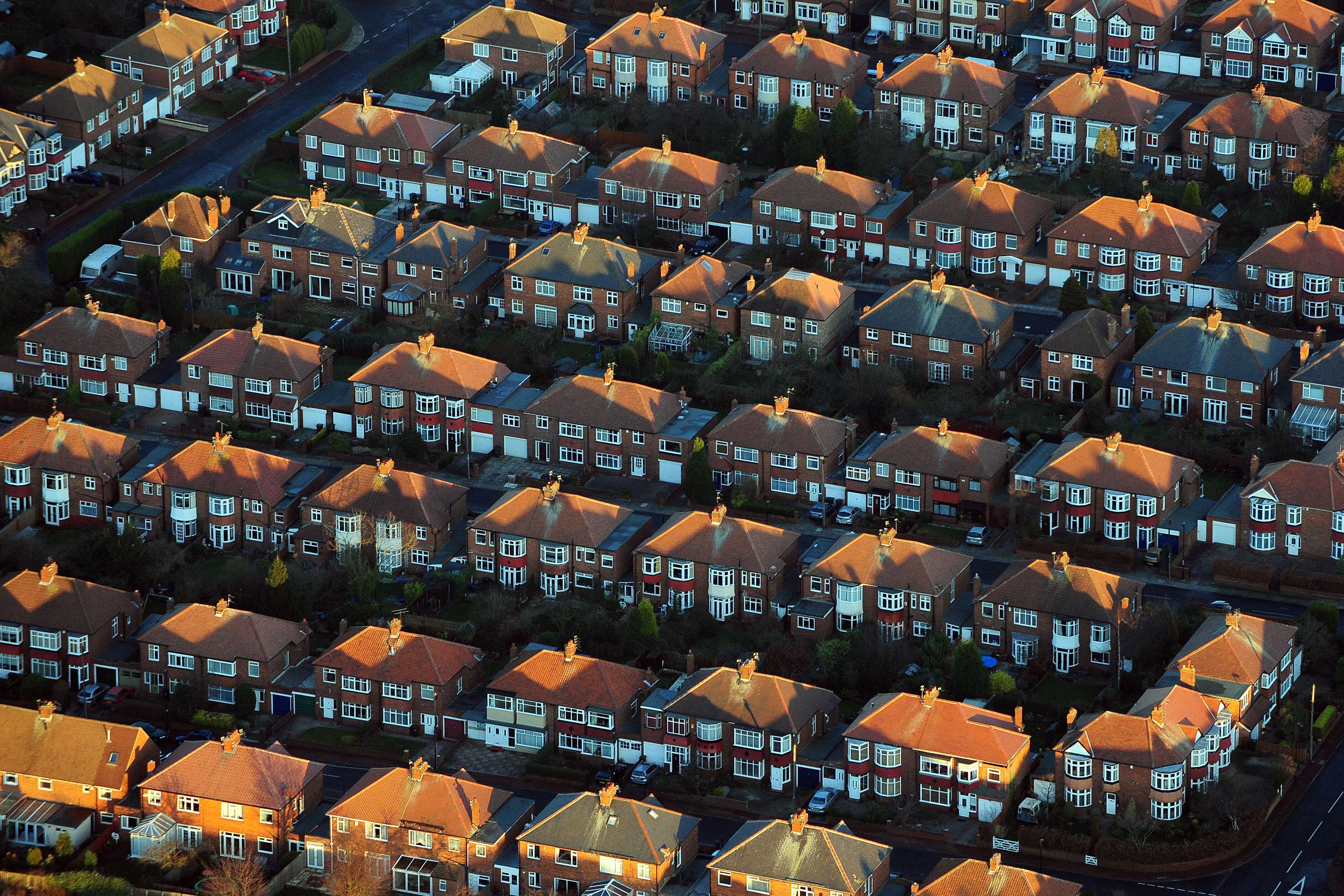
The mooted plans would mean higher-rate taxpayers paying 24 per cent of any gain in the value of their home, while basic rate taxpayers would be hit with an 18 per cent levy. Currently, capital gains tax is not paid on the sale of primary residences.
The threshold is still under consideration, sources told The Times, but a £1.5m starting point would hit around 120,000 homeowners who are higher-rate taxpayers. with capital gains tax bills of £199,973.
Mr Johnson called for a major overhaul of housing taxation as a whole, warning that levying capital gains tax on high-value properties at the same time as stamp duty would mean “no one would ever sell their properties”.
“I think there are all sorts of practical problems with it. It would gum up the housing market at the top end hopelessly. So I think, personally, it’s a non-runner. I think it would be very hard to design in a way that would raise significant money, and indeed, it could lose the Treasury money. Because, you know, you could lose the money you’re currently getting in stamp duty.
“I just can’t believe that they’re considering it. I’m staggered that they’re flying this flag. It, to me, makes no sense.”
Calling for an overhaul of housing taxation, Mr Johnson said council tax was “far too low on expensive properties” while stamp duty is a “disaster area”. But he said that “talking about [levying] capital gains tax when you’ve still got stamp duty would clearly be hopeless. You need to think about these in conjunction with one another. It’s just not sensible in any world to be talking about these things individually.”
Mr Johnson said the stagnation in the property market would be made even worse if the Conservatives pledged to reverse any such policy. “That would guarantee that nobody would move. People would hope that someone else would win the next election and wait to sell. So there’s a huge practical problem there.”
Property experts also warned that such a plan would stall housing sales and add to the exodus of the super-rich from the UK.
Financial adviser Scott Gallacher, a director at Rowley Turton wealth management, said a level of £1.5m would prevent most older homeowners, particularly those who bought properties in the 1980s and 90s, from selling houses.
He added that this would “kill off the upper end of the property market” and be difficult to implement. Mr Gallacher said: “It would be insane if it creates a cliff edge in that properties over £1.5m are subject to capital gains tax on the entire gain, as properties sold at £1.49m would incur no CGT, whereas £1.5m might be a six-figure bill. If it’s only on gains above £1.5m, then the CGT raised would be minimal, as potentially you’d be exempting six or even seven-figure gains.”
He added: “Homeowners, especially older ones, who perhaps bought their houses in the 1970s or 1980s, would be daft to sell and incur a huge CGT liability. Instead, they would be incentivised to hold on to the home until they die and pay no CGT.”
Simon Gerrard, chairman of Martyn Gerrard Estate Agents, warned that a mansion tax plan would leave families who bought homes in London more than a decade ago facing “eye-watering” tax bills. “Meanwhile, those who are actually wealthy know how to bypass these moves and won’t pay it,” he said.
He told The Independent: “After the deadline passes, people will simply not sell their homes. The property market above the threshold will die until Labour are voted out and the policy is repealed under a more sensible government.”
Laith Khalaf, head of investment analysis at AJ Bell, said the tax-free nature of primary residences was “deeply embedded in the psyche of homeowners”.
He warned: “A mansion tax set at high level would naturally cause people to worry it was just the thin end of the wedge, and the next time the government needs a bit of money they could just lower the threshold.
“It would also be an impediment to mobility in the housing market, as those with properties which might fall foul of the tax would be inclined to sit on them for longer, leaving a log jam in the housing ladder below them.”
And critics warned the tax change would add to the reported exodus of super-rich individuals fleeing Britain. Stephen Perkins, managing director of Yellow Brick Mortgages, said: “I can see a lot of families in London being caught with this higher tax bill, and it may push more wealthy tax contributors to exodus the UK, which is already a problem following the Chancellor’s last budget.”
A Treasury spokesman said: “The best way to strengthen public finances is by growing the economy, which is our focus. Changes to tax-and-spend policy are not the only ways of doing this, as seen with our planning reforms, which are expected to grow the economy by £6.8bn and cut borrowing by £3.4bn
“We are committed to keeping taxes for working people as low as possible, which is why at last autumn’s Budget we protected working people’s payslips and kept our promise not to raise the basic, higher or additional rates of income tax, employee national insurance, or VAT.”
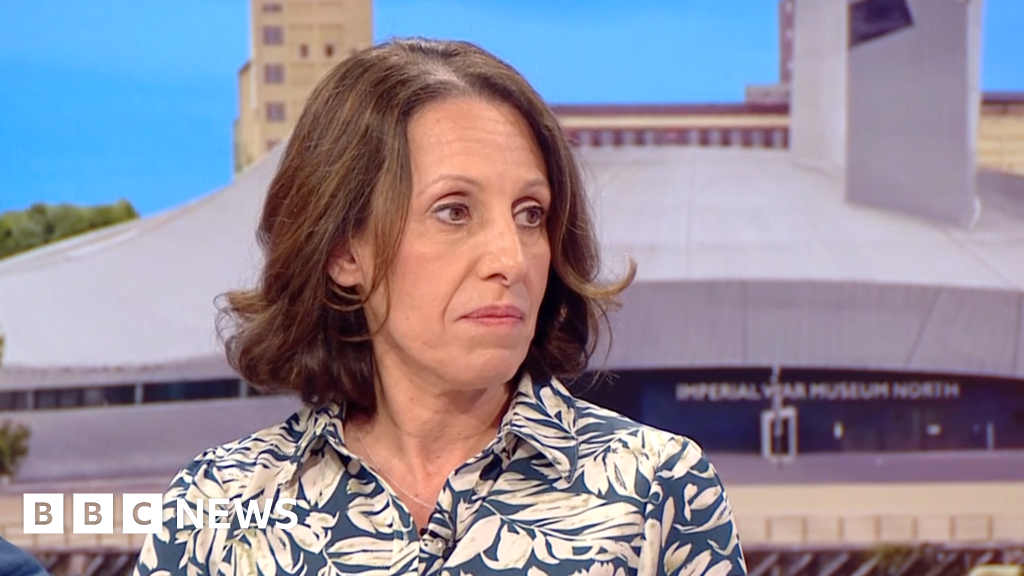
Co-op chair Debbie White said: “We thank Shirine for her leadership and for the significant contribution she has made to our Co-op, to our communities and to the co-operative movement during her tenure. The Board is grateful for her commitment and leadership, particularly during a challenging few years, and we wish her every success in the future.”

Air travel is all set to become highly expensive as the airlines are indicating at doubling the air ticket prices following a whopping increase in jet fuel rate.
The jet fuel price has rocketed to Rs417 from Rs388 per litre in Pakistan and the airlines have started to increase the airfares through enhancing fuel surcharge rates.
The airlines maintained the basic fare but added the fuel price surge into the fuel surcharge.
The one-way fare from Karachi to Islamabad and Lahore has shot up to Rs40,000 while air travel on chance seats for Islamabad and Lahore has soared by 150 percent.
Accordingly, the Pakistan International Airlines (PIA) has boosted the airfares by 10 to 100 dollars.
Domestic flights will now carry additional $10 fuel surcharge which on Canada routes extra $100 will be received as fuel charge.
Passengers on UK-bound flights to pay 75 dollars additional surcharge while 50 dollars will be received on Middle East routes.
Private airlines have gone a step ahead as they enforced charging additional 15 dollars to 150 dollars on different routes.
The airlines were under pressure after closure of many air routes with the airlines administrations are saying that extraordinary rise in airfares has become inevitable.
Earlier on Wednesday, Pakistan fuel NOTAM forced foreign airlines to tanker Jet A-1 fuel from abroad and limit uplift at Karachi and Lahore airports.
The Pakistan Airports Authority issued the order to protect local supplies amid supply disruptions.
Foreign carriers now arrive with enough fuel for their return flights while Pakistani airlines receive full requirements.
This change hit operations on March 25 when one Karachi-to-Doha flight diverted to Muscat.
The Pakistan fuel NOTAM A0147/26 took effect on March 13 and runs through March 31 2026. It targets Jinnah International Airport in Karachi and Allama Iqbal International Airport in Lahore.
Airlines follow the rule and carry maximum fuel on inbound legs. Officials confirm foreign airlines get only the minimum quantity inside Pakistan.
Pakistan fuel NOTAM creates immediate changes on the ground. Foreign airlines offload passenger baggage and cargo to stay within weight limits.
The extra fuel adds weight that reduces payload capacity on every affected flight.
According to a Notice to Airmen (NOTAM) issued by the PAA, the supply of aviation fuel at domestic airports has been significantly curtailed due to regional supply chain disruptions, advising international carriers to maximize their fuel “uplift” at foreign stations and minimize refuelling within Pakistan.
The directive has already begun to impact international flight schedules.

The government-backed bank has been accused of a series of errors, including not paying bereaved families money that was rightfully theirs.
Source link

Co-op boss quits after ‘toxic culture’ claims reported by BBC

‘She’s Never Going to Age’: Porn Stars Are Embracing AI Clones to Stay Forever Young

How Arbeloa has won over doubters and given Real Madrid hope

Sales at US apparel, clothing accessories stores up 4% YoY in Jan 2026

Justice Department Says Anthropic Can’t Be Trusted With Warfighting Systems

March Madness 2026 – How to watch in SA, start time, schedule, TV channel for NCAA championship basketball tournament

-
 Fashion1 week ago
Sales at US apparel, clothing accessories stores up 4% YoY in Jan 2026
-
 Tech1 week ago
Justice Department Says Anthropic Can’t Be Trusted With Warfighting Systems
-

 Entertainment1 week ago
Val Kilmer revived 1 year after death through AI
-
 Sports1 week ago
March Madness 2026 – How to watch in SA, start time, schedule, TV channel for NCAA championship basketball tournament
-
 Business1 week ago
Stocks and pound rise as US rate call approaches
-

 Politics1 week ago
Iran strikes Tel Aviv with cluster-warhead missiles in retaliation of Larijani’s martyrdom
-
 Business1 week ago
Brits cashing in jewellery as gold price hits record high
-

 Tech1 week ago
Meta Is Shutting Down Horizon Worlds on Meta Quest