

Entertainment
Reporter details dinner with Reiner family, relationship between Nick Reiner and parents








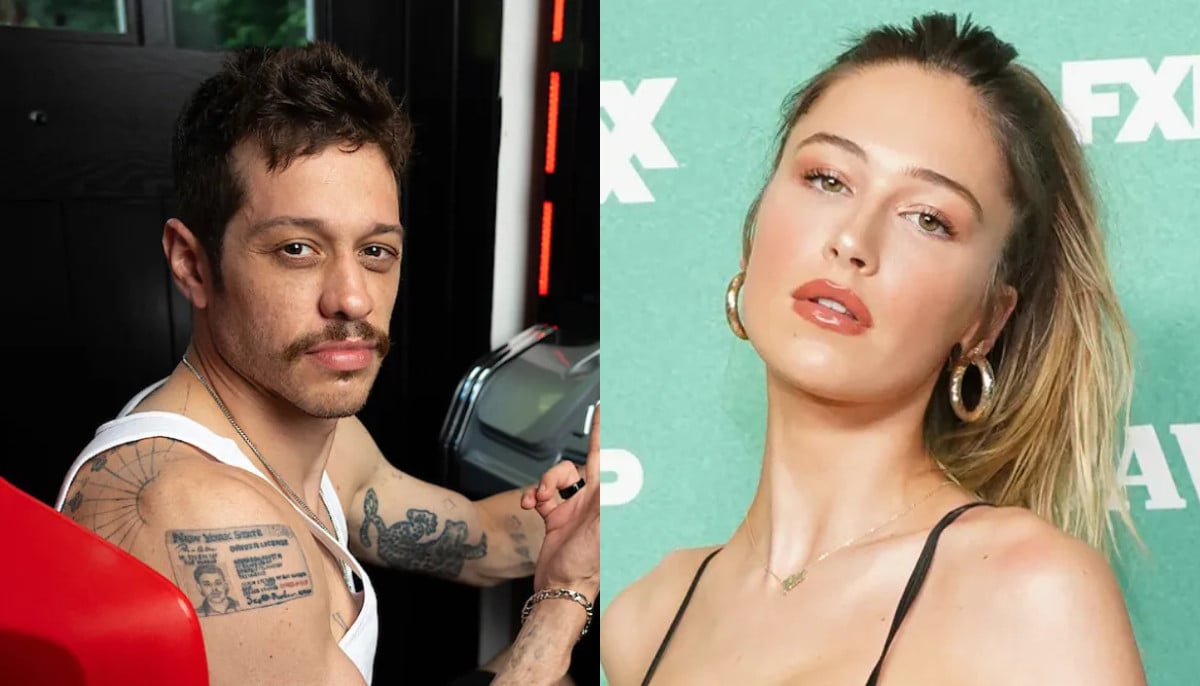
Pete Davidson’s friends have leaped to his defence after his ex-girlfriend, Elsie Hewitt, publicly claimed she was raising their infant daughter on her own.
Following news of the couple’s recent split, the actress posted a video on TikTok whispering that she has to work to make money and is doing it all by herself, which she described as hard.
However, an insider close to the former couple has hit back at the claims, telling Page Six that the allegations are completely untrue and that the comedian is actually paying for absolutely everything.
According to the source, the Bupkis star is currently covering the rent, general living expenses, and health insurance for both Hewitt and their daughter, Scottie Rose, who was born on 12 December.
The insider explained that those who know the pair are completely baffled by the posts, asserting that Davidson’s main priority is ensuring his family is looked after.
Despite the breakdown of the relationship and their personal disagreements, friends insist that the Saturday Night Live alum remains fully committed to being a good father.
The drama unfolded over the weekend when the Industry actress took to social media to ask for help.
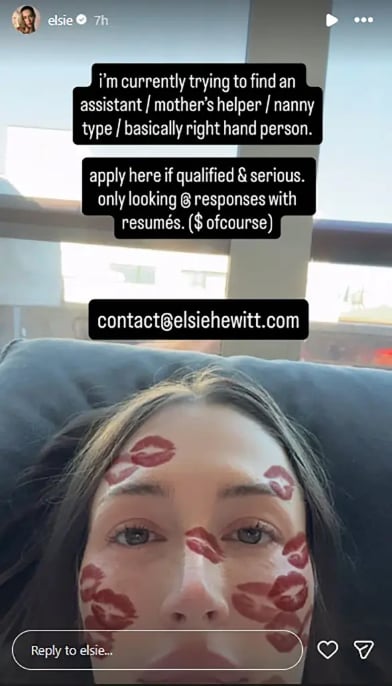
Alongside her TikTok video, Hewitt shared a since-deleted Instagram Story looking for an assistant or nanny to act as her right-hand person, specifying that she would only look at applicants who provided a resume.
The public posts quickly divided fans online, with some labelling Davidson a deadbeat dad while others defended him by pointing out that he is involved in his daughter’s life and has to work as well.
In response to the backlash, Davidson’s inner circle maintains that he has rearranged his entire schedule and done everything possible to be there both physically and financially.
They emphasize that all the comic wants is for Hewitt to be happy and in a good position.
Though the pair have officially called it quits, Davidson’s camp is adamant that he is going above and beyond to be a supportive co-parent, despite the picture being painted on social media.
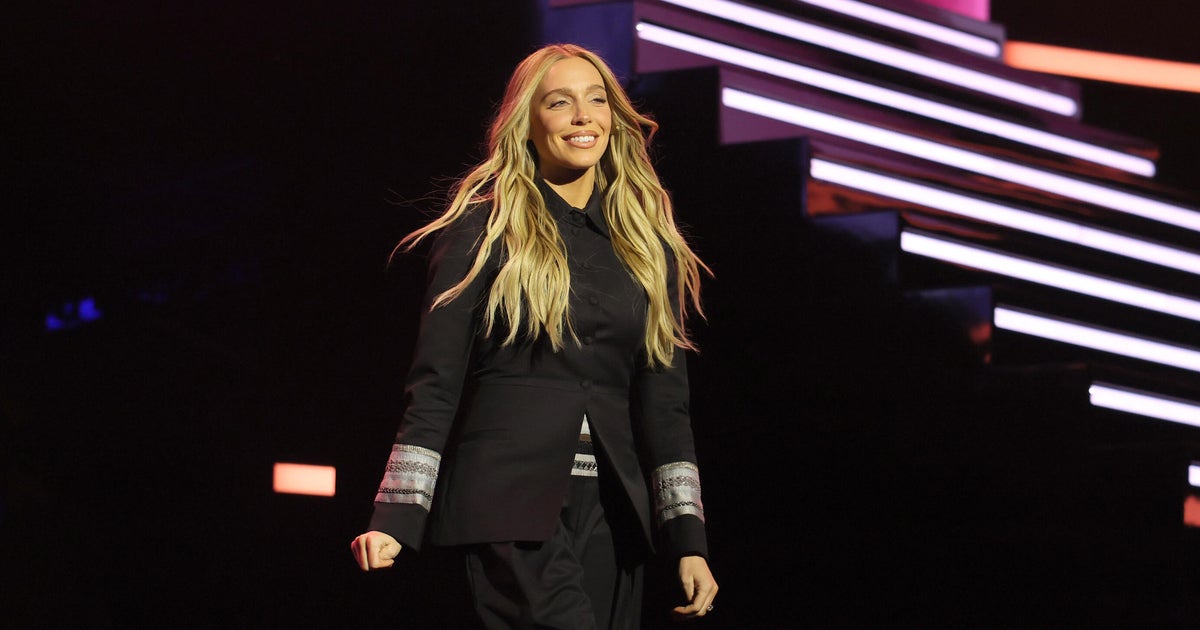
Alex Cooper, the host of one of the most popular podcasts in the United States, announced Sunday that she is expecting her first child.
The “Call Her Daddy” host shared the news in an Instagram post that showed her in a white crop top and sweatpants while looking at her husband, producer Matt Kaplan. Cooper and Kaplan tied the knot in April 2024.
“Our family,” Cooper wrote, along with a white heart emoji.
Cooper also shared the post on her Instagram story, along with a more candid selfie of herself and Kaplan. In another post, she joked that she was “honestly happy” to “finally stop trying to hide the bump.”
Cooper did not share a due date or any other information about her pregnancy.
Noam Galai
Cooper’s “Call Her Daddy” podcast has over 2.1 million subscribers on YouTube, while Cooper herself has over 7.2 million followers on Instagram.
“Call Her Daddy” features conversations covering a host of topics, including relationships, celebrity gossip and pop culture. Most episodes involve Cooper speaking with celebrities and prominent national figures, including an episode recorded with former Vice President Kamala Harris during her 2024 run for president.
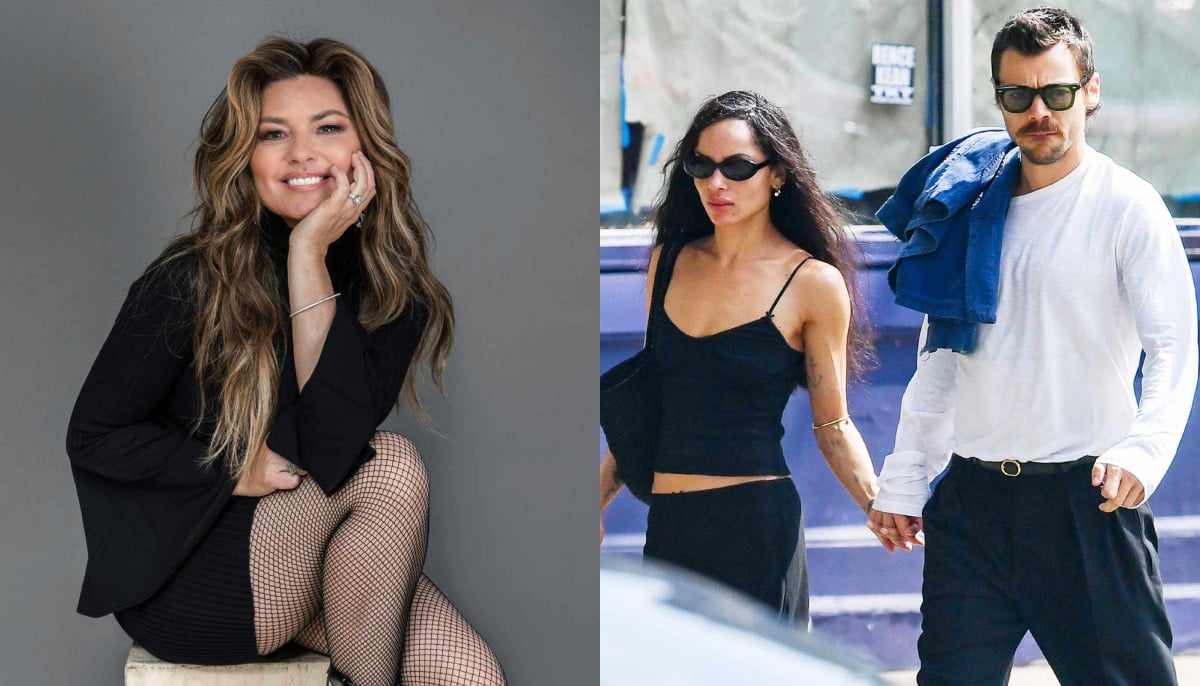
Shania Twain has made her pitch to perform at Harry Styles and Zoë Kravitz’s wedding, and she’s not being subtle about it.
The 60-year-old country legend, who is currently opening for Styles on the first leg of his world tour, made the declaration during an appearance on SiriusXM’s The Pulse on Friday.
When host Joe “Brady” Blum floated the idea of Twain performing at the celebrity nuptials, she didn’t hesitate. “Oh! I would say yes if he asked,” she replied. “Just putting it out there, Harry.”
Twain is well placed to make the case, she and Styles are currently sharing stages together for the opening 12 shows of his world tour, all being held in London.
She described the invitation to open for him as “really nice,” adding that it made sense for him to begin there.
When Brady expressed hope that the pair might perform Man! I Feel Like A Woman! together again, Twain sounded equally keen.
“I hope we do, too,” she said.
As for the wedding itself, she was playfully realistic about the logistics. When asked whether she could be the entertainment, she mused aloud: “What if they disagree on that?”
Brady suggested that Kravitz’s father Lenny Kravitz could also have a say in the musical lineup, which prompted Twain to propose a rather appealing solution. “Right, him and I could sing it together,” she said with a smile.
Styles and Kravitz, 37, have been one of the most talked-about couples in entertainment since their relationship became public.
Kravitz was spotted last month wearing an impressive diamond ring, widely taken as confirmation of their engagement following a whirlwind romance of around eight months.
The Batman actress was previously engaged to actor Channing Tatum before they split in October 2024, and was briefly married to actor Karl Glusman from 2019 to 2020.


Military jets’ crew members safely eject after Idaho air-show collision

Pete Davidson’s friends support comic against ex Elsie Hewitt allegations

Indy 500: Counting Down The 10 Best Finishes In Race History

-

 Entertainment5 days ago
Conan O’Brien hat tricks as Oscar host
-

 Tech1 week ago
I Tried the Best Captioning Smart Glasses, and Only One Leads the Pack
-

 Tech1 week ago
Could Contact-Tracing Apps Help With the Hantavirus? Not Really
-

 Fashion5 days ago
Italy’s Zegna Group’s Q1 growth boosted by strong organic performance
-

 Sports1 week ago
Bobby Cox, legendary Atlanta Braves manager who led 1995 World Series champions, dead at 84
-

 Entertainment1 week ago
Martin Short: Facing tragedy with joy
-
 Entertainment1 week ago
Tom Brady gets back at Kevin Hart during Netflix roast
-

 Entertainment1 week ago
Martha Stewart: How to make an omelet