

Business
Reserves climb to $21.7b | The Express Tribune

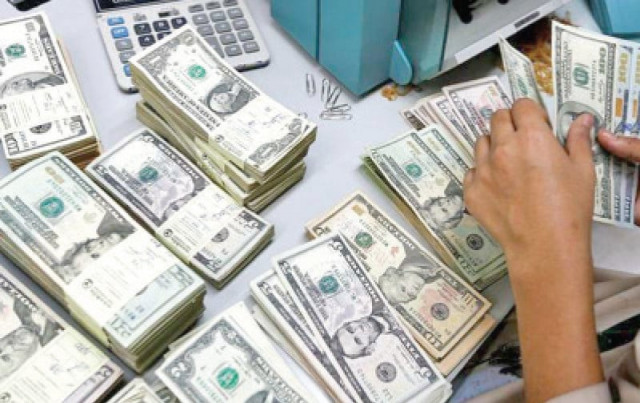
The central bank said in its latest weekly update on Thursday that the country’s foreign exchange reserves, held by the SBP, decreased $66 million to $8.15 billion in the week ended January 5, 2024 due to debt repayments. photo: file
KARACHI:
Pakistan’s foreign exchange reserves held by the State Bank of Pakistan (SBP) rose by $13 million on a weekly basis to stand at $16.35 billion.
The country’s total liquid foreign reserves increased to $21.70 billion, of which $16.35 billion was held by the central bank, while commercial banks had net foreign reserves of $5.35 billion.
Furthermore, the Pakistani rupee posted a marginal gain against the US dollar, settling at 279.25 in the inter-bank market on Thursday, up by Rs0.01 from Wednesday’s close of 279.26.
Gold prices in Pakistan plunged, mirroring a steep decline in the international market, where bullion extended losses for a seventh consecutive session amid rising geopolitical tensions and inflation concerns.
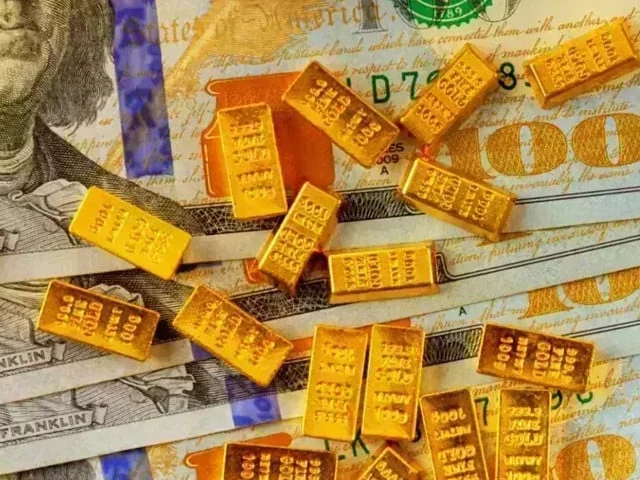
In the domestic market, the price of gold per tola dropped by Rs24,300 to settle at Rs499,462, according to rates issued by the All-Pakistan Gems and Jewellers Sarafa Association (APGJSA). Similarly, the price of 10 grams of gold fell by Rs20,833 to Rs428,208.
The sharp decline comes a day after gold prices remained unchanged at Rs523,762 per tola on Wednesday, indicating heightened volatility in the local bullion market. Silver prices also followed the downward trend on Thursday, decreasing by Rs760 to Rs7,734 per tola.
In the global market, spot gold fell nearly 4% to $4,629.29 per ounce by late Thursday morning trading, marking its lowest level since early February, according to Reuters. Meanwhile, US gold futures for April delivery dropped 5.4% to $4,632.40 per ounce.
Analysts attributed the sustained decline to a shift in investor sentiment as escalating tensions in the Middle East pushed oil prices above $110 per barrel, intensifying inflationary pressures. The surge in energy prices has reinforced expectations that major central banks, including the US Federal Reserve, may keep rates higher for longer to contain inflation.
“Gold is now a very widely held position for institutional investors, largely driven by the debasement trade over the past year. However, the foundations of that trade are now weakening,” said Daniel Ghali, Commodity Strategist at TD Securities.
Market participants are also closely monitoring geopolitical developments, including potential US military reinforcements in the Middle East, which could further influence commodity prices and monetary policy expectations.
The combination of elevated oil prices, persistent inflationary risks and a hawkish central bank outlook has reduced the appeal of non-yielding assets like gold, leading to the recent sell-off in both global and domestic markets.




Molecules that can capture heat could be a useful technology to decarbonise heating.
Source link

The city is responsible for 80% of the world’s natural history TV shows.
Source link
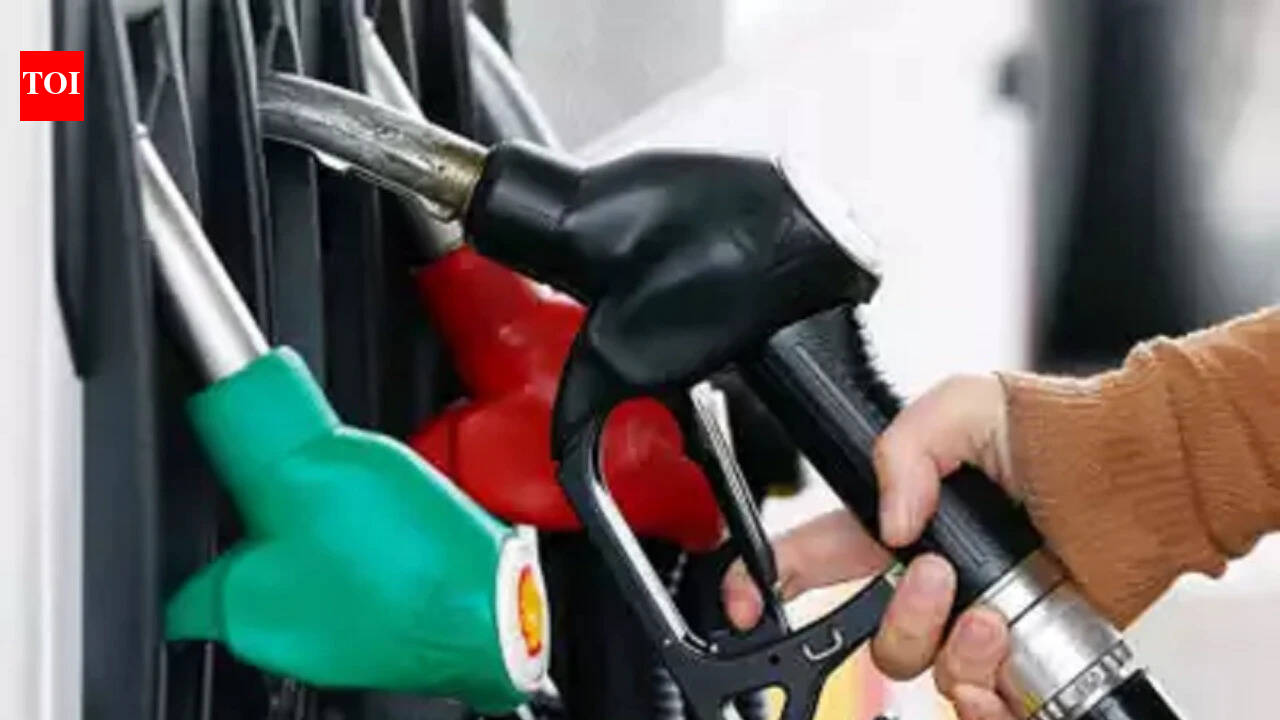
NEW DELHI: The West Asia conflict is pushing govt to look at a faster transition towards renewable energy, including the possibility of increasing ethanol blending in petrol from 20-25%, although in a calibrated manner. This will come along with increased refining capacity within the country, so that there is a buffer in the system and greater domestic resilience, those familiar with the discussions said, pointing out that sustaining refineries at 100% capacity is not sustainable.While Barmer refinery has begun operations, expansion at Numaligarh is underway and work on integrated refineries on the west coast is also under focus. Apart from a mega refinery in Maharashtra, a new facility in Gujarat is also planned.Officials said rising use of renewables, biofuels and hydrogen in the energy mix was no longer just an environmental issue, but a strategic necessity in a situation like the present one, where the military conflict in West Asia has disrupted global energy supplies, triggering a supply crisis and a surge in oil and gas prices.According to officials, 20% ethanol blending has helped India save 4.5 crore barrels of crude annually and reduce foreign exchange outflow by around ₹1.5 lakh crore so far. Given the concerns over fuel efficiency and impact on vehicles, govt is expected to take a gradual approach that addresses the anxiety on ethanol blending. The third pillar on energy is expanding the strategic petroleum reserves.


I Tried the Best Captioning Smart Glasses, and Only One Leads the Pack

Rory McIlroy slams LIV golfers who don’t want to come back to PGA Tour—but why now?

Iran could withstand blockade for four months, claims CIA report, as tensions flare

-

 Politics6 days ago
Iran weighs US reply delivered via Pakistan as Trump signals opposition to deal terms
-

 Tech1 week ago
This Indigenous Language Survived Russian Occupation. Can It Survive YouTube?
-

 Fashion1 week ago
Canada’s Lululemon appoints Esi Eggleston Bracey to board of directors
-

 Fashion1 week ago
US’ J.Jill, Inc. appoints Kimberly Wallengren as CMO
-

 Entertainment1 week ago
David Allan Coe, country singer who wrote “Take This Job and Shove It,” dies at age 86
-
 Business1 week ago
Government hikes jet fuel prices by 5% for international airlines – The Times of India
-
 Business1 week ago
Apollo Sports Capital and Tom Dundon make landmark $225 million investment in pickleball
-

 Fashion1 week ago
AAFA pushes for swift US House passage of key anti-counterfeiting law