

Business
Stock market outlook: US tariffs put textiles and gems stocks in focus; analysts see range-bound trade – Times of India


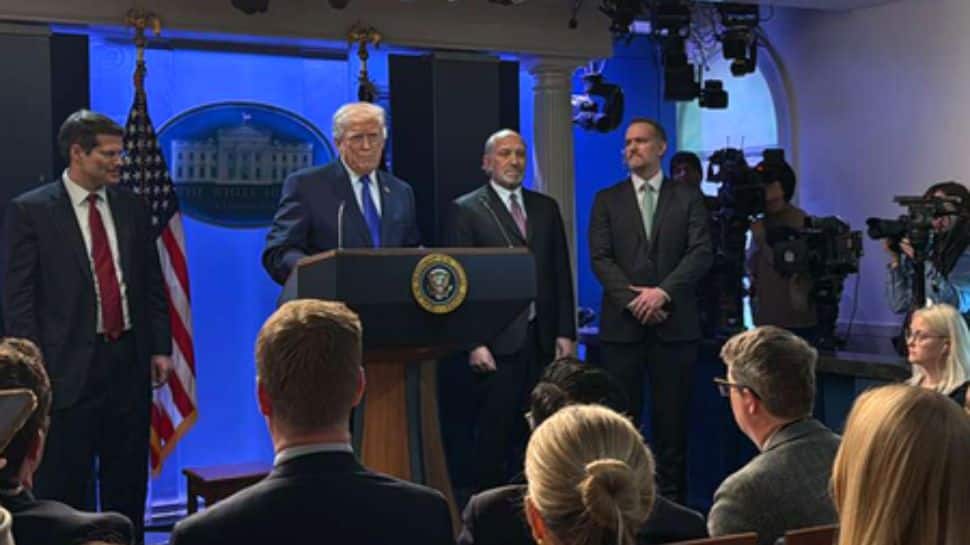
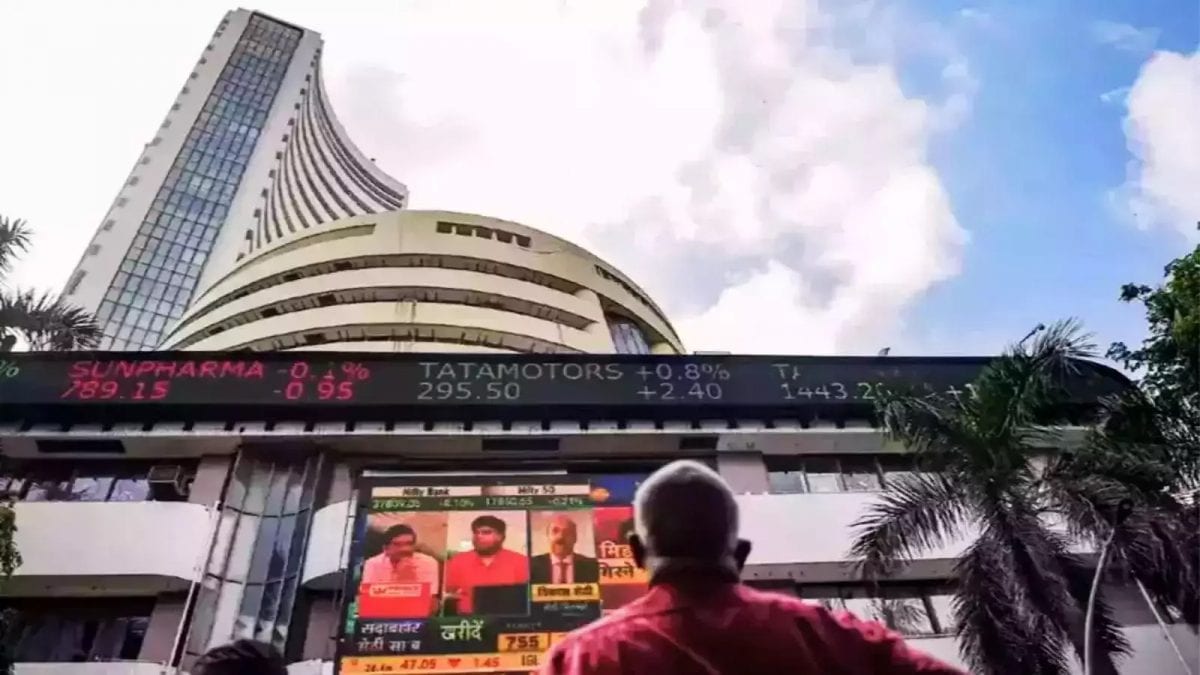
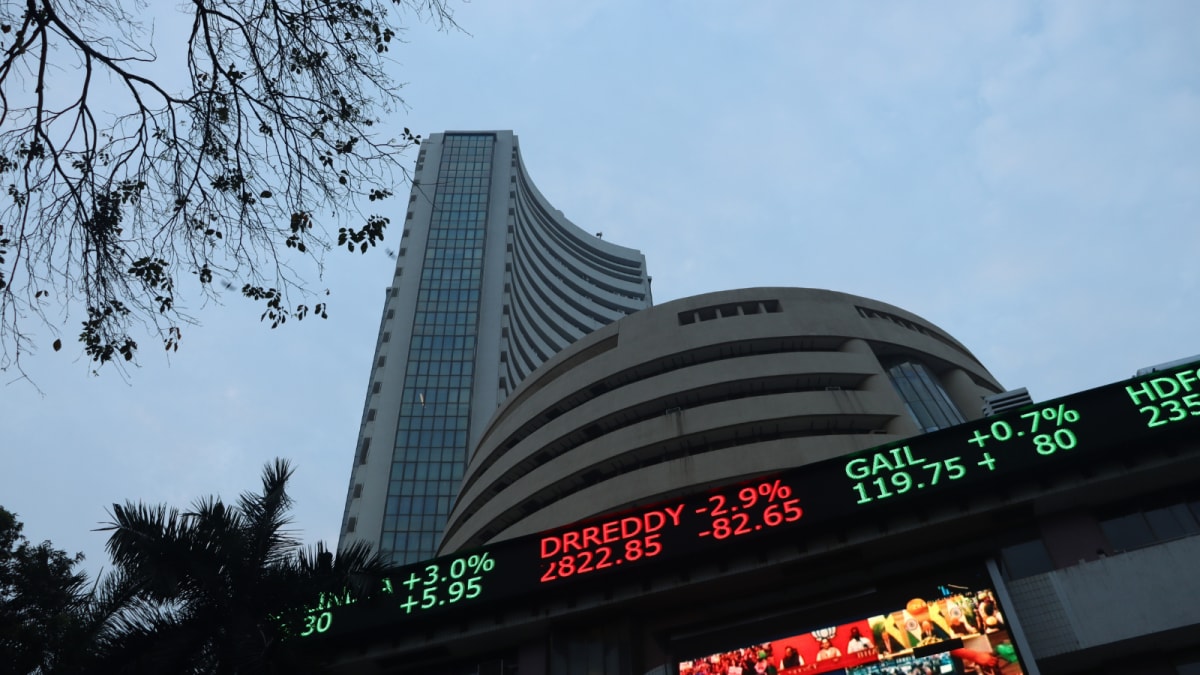
Stock market investors may remain jittery in the near term after the steep 50 per cent tariff on Indian goods entering the United States came into effect on Wednesday, with analysts flagging textiles, gems and jewellery, and leather stocks as likely to remain in focus when trading resumes on Thursday.The additional 25 per cent levy imposed by US President Donald Trump on India for its Russian oil purchases has taken the overall tariff burden to 50 per cent. Analysts said the move was anticipated and while the market may open with cuts, panic selling is unlikely.“The market will open with cuts. But a panic is unlikely since this 50 per cent tariff is not unexpected. FIIs may continue to sell dragging the market down. But at lower levels, there will be aggressive buying by DIIs who are flush with funds,” V K Vijayakumar, Chief Investment Strategist at Geojit Investments, told PTI.Export-oriented sectors expected to feel the brunt include textiles and clothing, gems and jewellery, shrimp, leather, footwear, animal products, chemicals, and electrical and mechanical machinery. However, pharma, energy products, and electronic goods are outside the ambit of the sweeping duties.Puneet Singhania, Director at Master Trust Group, said, “The 25 per cent additional US tariff, taking the aggregate duty on Indian imports to 50 per cent, has already rattled the markets. On August 26, Nifty fell 255.70 points to 24,712, and the Sensex declined 849.37 points to 80,786. Although defensives such as pharma and electronics remain relatively well-insulated, export-oriented sectors such as textiles, gems and jewellery, chemicals & organic compounds and agricultural are encountering strong headwinds.”Markets may remain volatile as investors absorb the trade shock, Singhania added, cautioning that “export-linked stocks may experience earnings downgrades, while domestic demand-driven sectors, as well as defensives such as pharma and IT services, may experience relative interest.”According to BSE and NSE data, foreign institutional investors offloaded equities worth Rs 6,516.49 crore on Tuesday, while domestic institutional investors bought Rs 7,060.37 crore worth of shares, offsetting some pressure.The US accounted for about 20 per cent of India’s $437.42 billion goods exports in 2024-25, making the new tariffs particularly significant. “The first move will be sentiment-driven. The 25 per cent additional tariff on Indian goods takes the total duty close to 50 per cent, and that raises concerns for sectors like textiles, gems and jewellery, leather, and seafood. In the near term, the market may remain range-bound with sector rotation, not a sharp correction,” said Trivesh D, COO of online brokerage Tradejini.



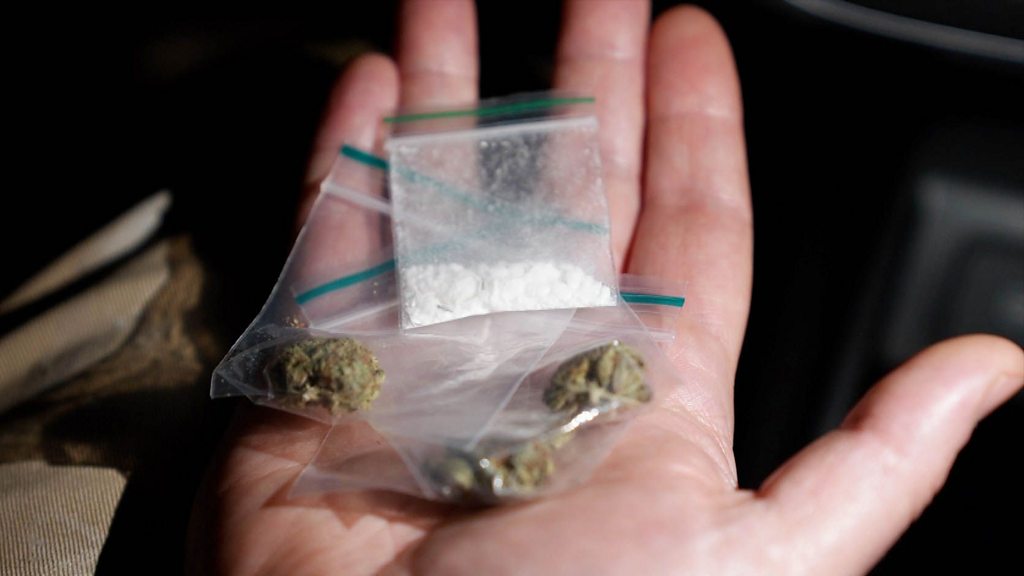
Across the UK, shopfronts are being exploited by criminal gangs pushing illegal drugs, experts say.
Source link

At around 8.25 am, the benchmark US oil contract, West Texas Intermediate (WTI) climbed 4.06% to US$96.73 per barrel.
International oil benchmark Brent North Sea crude rose 3.62% to US$105.63. Both eased back in the following minutes.
Oil prices have soared since Israel and the US attacked Iran on Feb 28, and they have kept inching up due to the uncertainty over whether war will resume.
As the clock ticked for a return to the war that has engulfed the region, US President Donald Trump had said Tuesday he would maintain the truce to allow more time for Pakistani-brokered peace talks.
Iran said it welcomed the efforts by Pakistan but made no other comment on Trump’s announcement.
Wall Street stocks gained ground following President Trump’s unilateral ceasefire extension in the Iran war.
All three major US stock indexes advanced, with tech shares helping to put the Nasdaq out front, while gold advanced and the dollar edged higher.
The S&P 500 and the Nasdaq reached record closing highs.
“Despite the energy shock and headlines that have inundated investors, the macroeconomy, corporate fundamentals, and consumer spending remain strong,” said Bill Merz, head of capital markets research at US Bank Wealth Management in Minneapolis.
“Investors are taking the stance that the Strait of Hormuz will open before too much damage is inflicted on the global economy.”
Iran’s Revolutionary Guards seized two vessels for maritime violations just hours after Trump agreed to extend the ceasefire until negotiations are concluded.
About a fifth of the world’s oil and liquefied natural gas (LNG) supplies normally pass through the strait.
US stocks, initially battered by the war, have since made a full recovery, with the S&P 500 and the Nasdaq having reached all-time closing highs in recent sessions.
But geopolitical uncertainty lingers, and a prolonged period of elevated oil prices remains a threat.
About two-thirds of the S&P 500 companies that have reported quarterly earnings since the beginning of April have voiced concerns about energy prices in their analyst conference calls, according to a Reuters review of transcripts.
“Anytime there’s a global event like the conflict in the Middle East, and it grabs so many headlines and captures attention, it will crop up in earnings commentary,” Merz added. “But we’re not seeing it significantly impact behaviour yet.”
First-quarter earnings season is well underway amid lofty expectations. Analysts currently estimate year-on-year S&P 500 earnings growth of 14.4% for the January-March period, according to the most recent LSEG data.
The Dow Jones Industrial Average rose 341.27 points, or 0.69%, to 49,490.52, the S&P 500 +gained 73.90 points, or 1.05%, to 7,137.91, and the Nasdaq Composite was up 397.60 points, or 1.64%, to 24,657.57.
European shares ended lower for the third straight session as the Middle East strife continued to weigh on markets and investors assessed a raft of corporate earnings.
Dozens of international firms have withdrawn guidance or signalled price hikes since the war began.
MSCI’s gauge of stocks across the globe rose 4.52 points, or 0.42%, to 1,070.98.
The pan-European STOXX 600 index fell 0.35%, while Europe’s broad FTSEurofirst 300 index fell 8.58 points, or 0.35%.
Emerging market stocks fell 9.41 points, or 0.58%, to 1,606.07. MSCI’s broadest index of Asia-Pacific shares outside Japan closed lower by 0.6%, to 822.27, while Japan’s Nikkei .N225 rose 236.69 points, or 0.40%, to 59,585.86.
The dollar rose amid lingering geopolitical worries.
The dollar index, which measures the greenback against a basket of currencies including the yen and the euro, rose 0.26% to 98.63, with the euro down 0.32% at $1.1704.
Against the Japanese yen, the dollar strengthened 0.12% to 159.56.
In cryptocurrencies, Bitcoin gained 4.13% to $78,866.74. Ethereum rose 3.48% to $2,398.37.
US Treasury yields increased, rangebound amid choppy trading.
The yield on benchmark US 10-year notes rose 1.2 basis points to 4.304%, from 4.292% late on Tuesday.
The 30-year bond yield rose 1.1 basis points to 4.9091% from 4.898% late on Tuesday.
The 2-year note yield, which typically moves in step with interest rate expectations for the Federal Reserve, rose 2.1 basis points to 3.8%, from 3.779% late on Tuesday.

Jenny Lennick’s colourful hair clips are sold across the US and around the world.
Source link


Canada forms new advisory committee to strengthen US trade relations
High street drug dealer sells cannabis to undercover reporter

Clearing Hormuz Strait mines could take six months: report

-

 Fashion1 week ago
France’s LVMH Q1 revenue falls 6%, shows resilience amid Iran war
-

 Entertainment1 week ago
Is Claude down? Here’s why users are seeing errors
-

 Tech1 week ago
The Deepfake Nudes Crisis in Schools Is Much Worse Than You Thought
-

 Sports1 week ago
PSL 11: Peshawar Zalmi win toss, opt to field first against Quetta Gladiators
-

 Tech1 week ago
Human-machine teaming dives underwater
-
 Business1 week ago
Standard Life buys rival in £2b deal to create savings giant
-
 Business1 week ago
BP sees ‘exceptional’ oil trading result as Iran war sends crude costs soaring
-

 Fashion1 week ago
What no one is saying about the 2026 apparel slowdown