

Business
Stocks end week in red as Brent price retreats

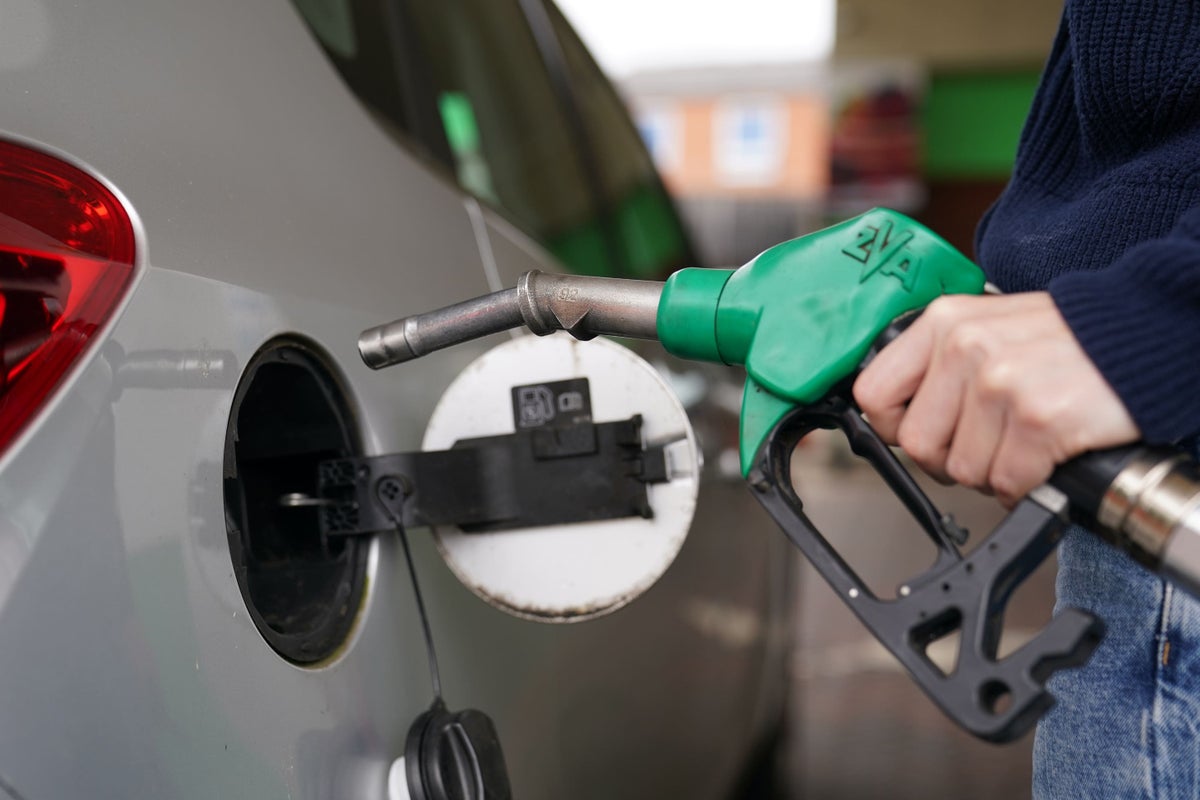
Stock prices in London closed in the red on Friday, although airline stocks showed signs of recovery, as oil prices took a breather amid the ongoing Middle East conflict.
IG’s Axel Rudolph noted that “UK 10-year Gilt yields hit 5%, a level last seen during the 2008 financial crisis”.
The FTSE 100 index was down 145.17 points, 1.4%, at 9,918.33. The FTSE 250 was down 218.07 points, 1.0%, at 21,341.97, and the AIM all-share was down 9.68 points, 1.3%, at 718.17.
The FTSE 100 has lost 342.77 points, 3.3%, over the week.
On the FTSE 100, BP lost 3.6% while fellow oil major Shell lost 0.8%.
On AIM, oil and gas engineering services business Plexus was down 8.1%, despite receiving £1.5 million of orders under a previously announced framework agreement for rental wellhead services with a UK continental shelf operator.
Small-cap company Nostrum Oil & Gas lost 2.0%. The firm operates gas processing facilities and an export hub in north-west Kazakhstan.
Brent oil was quoted at 109.78 dollars a barrel at the time of the London equities close on Friday, down from 110.46 dollars late on Thursday.
It previously spiked at 111 dollars on Friday morning, after Axios reported that US President Donald Trump was mulling plans to get ships passing through the key Strait of Hormuz again by occupying Iran’s Kharg Island.
However, oil prices retreated in light of Israeli assurances that it would refrain from targeting any more of Iran’s energy infrastructure.
Israel had struck Iran’s South Pars gas field on Wednesday, prompting Tehran to attack the energy infrastructure of its neighbouring countries.
Still, Infinox’s Thadeu Dos Santos cautioned that “the market remains highly sensitive to developments in the Middle East and the risk of further supply disruptions…the underlying risk backdrop remains tense.
“Shipping and transit around key regional routes continue to face heightened uncertainty, and the market remains focused on the potential for sustained disruptions to physical flows. With geopolitics still driving risk premia, oil prices are likely to stay volatile and headline-sensitive.”
Meanwhile, airline stocks performed well. FTSE 100’s easyJet and British Airways parent International Consolidated Airlines both gained 1.0%. On the FTSE 250, Wizz Air gained 1.6%.
JD Wetherspoon was the worst mid-cap performer, down 11%, after it issued a profit warning based on rising costs despite reporting sector-leading sales growth.
Gold was quoted lower, at 4,593.70 dollars an ounce against 4,603.53 dollars on Thursday.
On the FTSE 100, Antofagasta lost 4.0% while Endeavour Mining lost 3.5%.
Small-cap gold and metals project developer Cloudbreak Discovery, however, gained 17%.
Cloudbreak said planning is underway for an initial 3,000 to 5,000 metre drilling programme at the Darlot West gold project, and that it believes there is “very significant potential” for the project to host “significant” gold mineralisation.
Meanwhile in the UK, the Office for National Statistics had earlier reported that net borrowing amounted to £14.33 billion in February, the second-highest recorded figure for last month and only beaten during the height of the Covid-19 pandemic.
And in further unwelcome news, Analysts Cornwall Insight said household energy bills could jump by £332 or 20% annually in July as recent sharp increases in wholesale prices are set to feed through into Ofgem’s price cap.
It said forecasts for the watchdog’s price cap from July to September had surged to £1,973 a year for a typical dual fuel households.
This marks a significant step up on its forecast from just over two weeks ago, when it had predicted a 10% increase from July.
In European equities on Friday, the CAC 40 in Paris closed down 1.8%, while the DAX 40 in Frankfurt ended 1.9% lower.
The pound was quoted lower at 1.3323 dollars at the time of the London equities close on Friday, compared to 1.3367 dollars on Thursday. Against the euro, sterling fell to 1.1526 euros from 1.1597 euros a day prior. The euro stood at 1.1561 dollars, higher against 1.1527 dollars. Against the yen, the dollar was trading higher at 159.20 yen compared to 158.09 yen.
Stocks in New York were lower. The Dow Jones Industrial Average was down 0.4%, the S&P 500 index was down 0.7%, and the Nasdaq Composite was down 1.1%.
The yield on the US 10-year Treasury was quoted at 4.37%, widening from 4.27%. The yield on the US 30-year Treasury was quoted at 4.94%, widening from 4.84%.
IG’s Rudolph said investors are “increasingly pricing in a more hawkish Federal Reserve amid concerns that the conflict could sustain inflationary pressures.”
The biggest risers on the FTSE 100 were Metlen Energy & Metals, up 1.1p at 35.4p; Croda International, up 36p at 2,554p; Entain, up 6.4p at 544p; easyJet, up 3.6p at 353.6p; and Burberry, up 10p at 1,014.5p.
The biggest fallers on the FTSE 100 were Smiths Group, down 232p at 2,118p; Babcock International, down 60p at 1,275p; Antofagasta, down 130p at 3,143p; Coca-Cola Europacific, down 280p at 6,910p; and BP, down 20.9p at 562.3p.
On Monday’s economic calendar, the eurozone has consumer confidence and the US has the Chicago Fed national activity index.
On Monday’s UK corporate calendar, Applied Nutrition reports half-year results and several companies release annual reports, including Partners Group Private Equity, Thungela Resources and Distribution Finance.
Contributed by Alliance News.
Business
Govt orders faster city gas project clearances, hikes commercial LPG allocation to ease supply stress – The Times of India
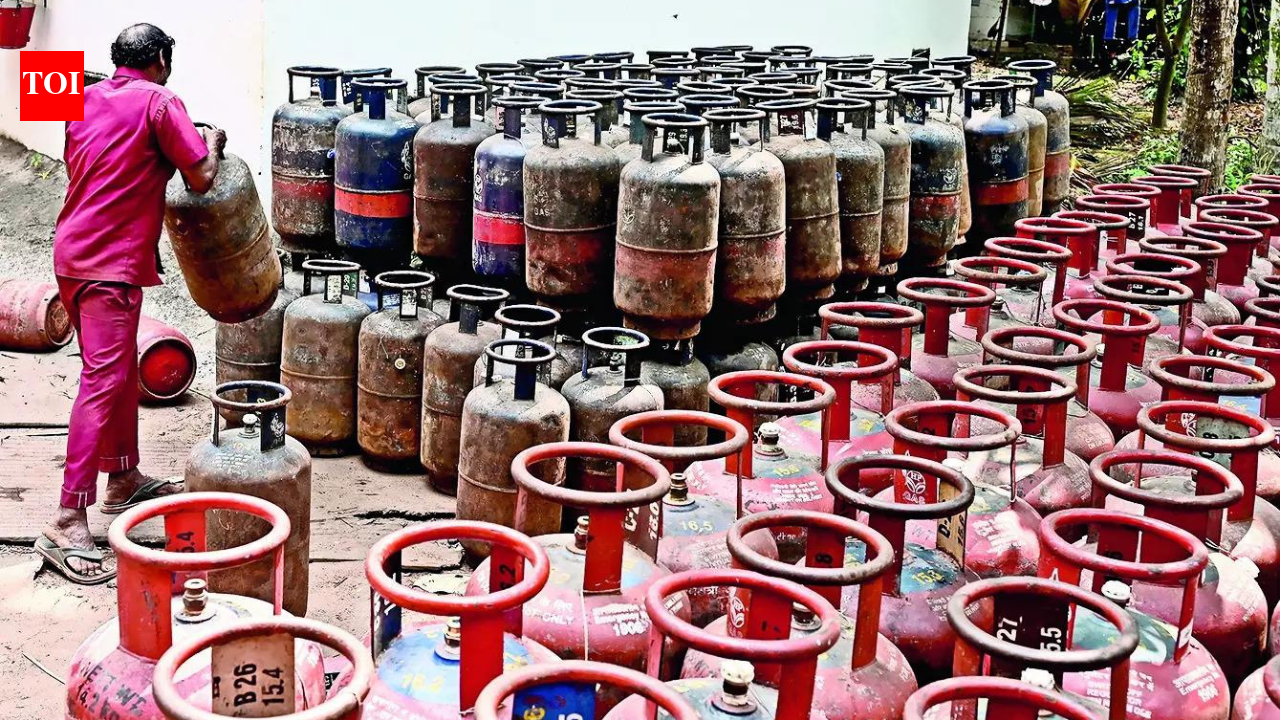
The government has stepped up efforts to streamline gas distribution and ease supply pressures, directing faster processing of city gas projects while increasing allocations of commercial LPG to key sectors amid a challenging geopolitical environment.The Petroleum and Explosives Safety Organisation (PESO) has instructed its offices to dispose of City Gas Distribution (CGD) applications within 10 days, aiming to accelerate the rollout of piped natural gas (PNG), an official statement said.Commercial LPG consumers in major cities and urban areas have also been advised to shift to PNG as part of a broader strategy to reduce dependence on liquefied petroleum gas. Domestic LPG supply remains stable, with no reported dry-outs at distributorships and normal delivery patterns across the country, the statement said, adding that most deliveries are being carried out through the Delivery Authentication Code (DAC) while panic bookings have subsided, PTI reported.On the commercial LPG front, the government has progressively increased allocations. After restoring 20 per cent supply earlier, an additional 10 per cent allocation linked to PNG expansion reforms was announced on March 18. A further 20 per cent allocation was cleared on March 21, taking total commercial LPG supply to 50 per cent.The latest increase prioritises sectors such as restaurants, dhabas, hotels, industrial canteens, food processing units, dairy operations, community kitchens and subsidised food outlets run by state governments and local bodies. Provision has also been made for 5 kg cylinders for migrant workers.Around 20 states and Union Territories have implemented the revised allocation guidelines, while public sector oil marketing companies are supplying commercial LPG in the remaining regions. In the past eight days, about 15,440 tonnes of LPG have been lifted by commercial entities.Educational institutions and hospitals continue to receive priority, accounting for nearly half of the total commercial LPG allocation. Despite global uncertainties affecting supply, the government indicated that domestic availability remains under control while efforts continue to transition urban consumers towards PNG.

Experts have warned of another “twist” to the cost-of-living story in the months ahead, as war in the Middle East is set to send energy bills soaring.
The rate of Consumer Prices Index (CPI) inflation has been gradually easing back towards the Bank of England’s two per cent target level since last summer.
Some analysts are expecting CPI to have held relatively steady in February, or dipped slightly, from the three per cent level recorded in January.
Official figures for last month will be published on Wednesday.
Economists for Deutsche Bank and Pantheon Macroeconomics said they are anticipating CPI to hold steady at three per cent in February, with lower fuel and services inflation being offset by higher clothes prices and air fares.
Edward Allenby, senior economist for Oxford Economics, said he thinks CPI inflation fell to 2.8 per cent in February, largely thanks to a predicted fall in petrol prices and slower inflation in the services sector.
Analysts for Barclays said they are expecting the headline rate to dip to 2.9 per cent, also partly because of lower pump prices during the month.
But Sanjay Raja, Deutsche Bank’s chief UK economist, said the inflation outlook has “rarely been more uncertain than it is now”.
He wrote in a research note: “We expect the UK’s disinflation story will take another twist on its (eventual) way down to target.
“The good news is that CPI is still expected to slide down in the coming months.
“The bad news? Higher energy prices appear poised to lift CPI meaningfully over the summer, adding yet another hump in the inflation profile.”
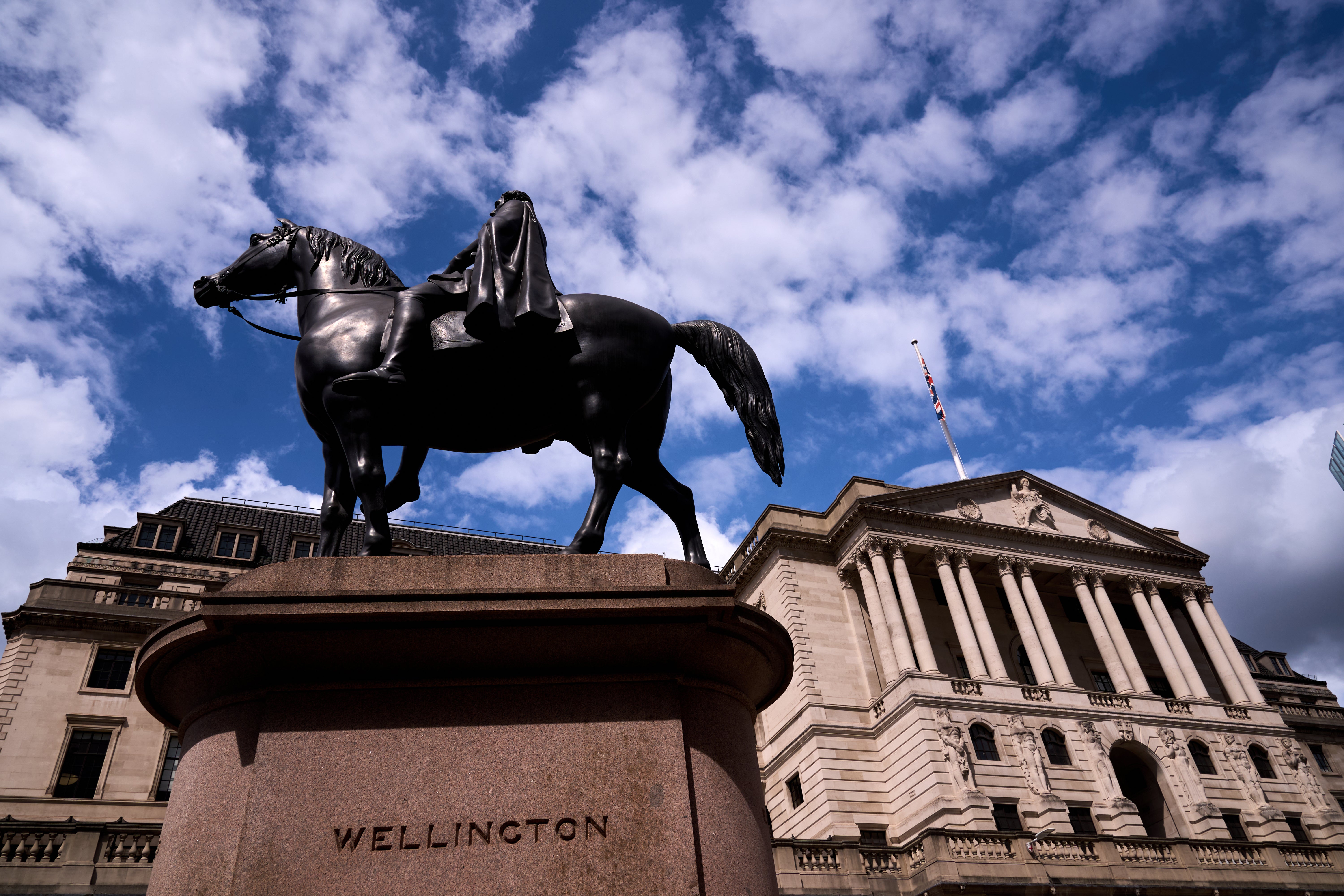
Economists have been ripping up previous projections in recent days and warning that the US-Israel war with Iran has muddied the outlook for the economy.
The Bank of England said on Thursday that recent increases in wholesale energy costs would delay the return of CPI inflation to target, as it was already seeing higher fuel prices.
It is now expecting inflation to be around three per cent in the second quarter of 2026, up from the 2.1 per cent that had been forecast in February.
The central bankers stressed that the situation is volatile and events over the next six weeks could shed light on the scale of the disruption and impact on prices.
Economists have weighed in with their own projections of where inflation could go if things persist.
Mr Allenby said he is now expecting CPI inflation to exceed four per cent during the second half of 2026.
“Under our updated assumptions, we now anticipate a much sharper rise in petrol prices, while higher wholesale gas prices cause a 19 per cent increase in the Ofgem energy price cap in July,” he said.
Pantheon Macroeconomics agreed that, if the latest spike in gas prices is sustained, then CPI could be headed to four per cent later this yar.
Business
Sky‑high losses: Iran war drives airlines to biggest crash since Covid – $50bn gone – The Times of India
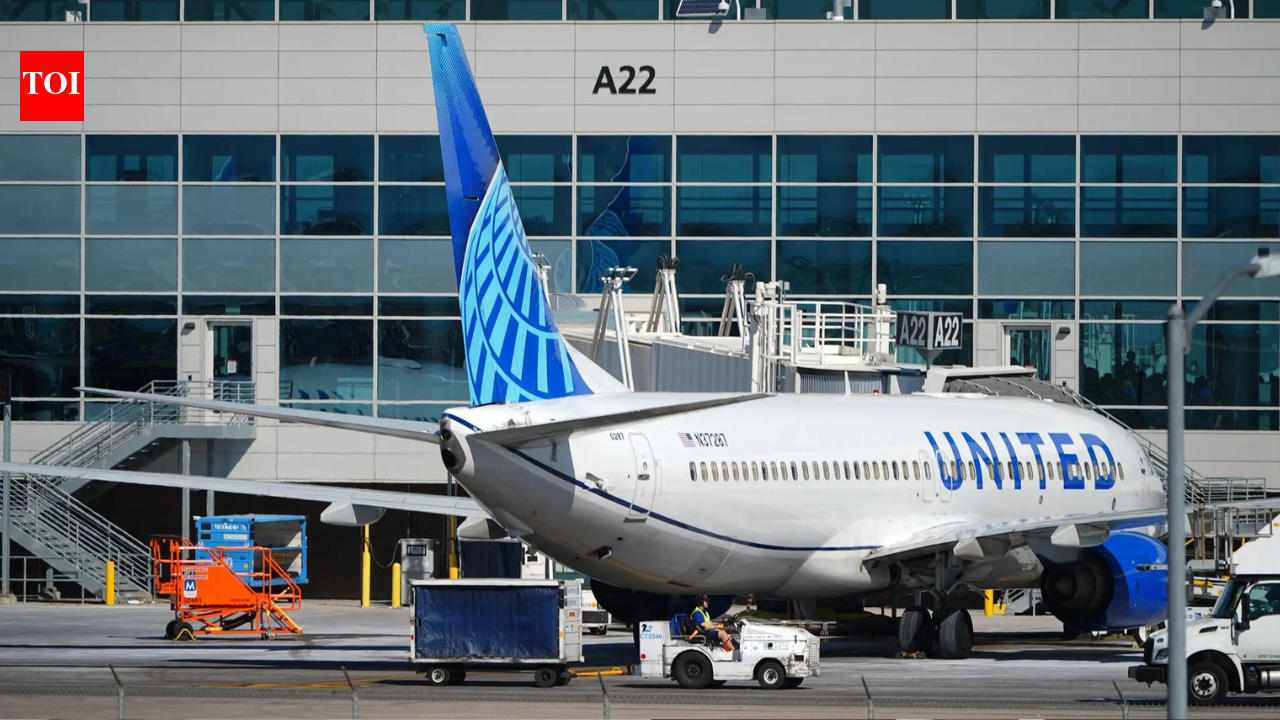
Global airlines have suffered their worst financial shock since the COVID‑19 pandemic as the ongoing war involving US Israel and Iran has disrupted industry operations, wiping more than $50 billion off the market value of the world’s largest carriers amid rising fears of fuel shortages.The conflict, now entering its fourth week, has grounded flights, disrupted key Gulf hub airports and driven jet fuel prices sharply higher, compounding pressure on an industry that was rebounding strongly following pandemic‑related losses.According to Financial Times calculations, the 20 largest publicly listed airlines have collectively lost about $53 billion in market capitalisation since the war began. In response, airline executives have warned of a potential rise in ticket prices as carriers seek to protect shrinking profit margins.Jet fuel, which accounts for roughly a third of operating costs for airlines, has doubled in price since the United States and Israel launched attacks on Iran at the end of February. Many carriers had hedged against fuel price swings, but the rapid rise is expected to force airlines to pass on costs to passengers.“Fuel spiked quite heavily after the Ukraine invasion in 2022 as well, but this has gone further north,” easyJet chief executive Kenton Jarvis told FT, describing the current crisis as the most significant upheaval since the pandemic closed global skies in 2020.Executives also point to broader structural challenges, including the risk that sustained high fares may dampen demand. Carsten Spohr, CEO of Lufthansa, said higher ticket prices were unavoidable but expressed concern that they could weaken long‑term demand. “Our average profit is about €10 per passenger, there’s no way you can absorb the additional cost,” he said.In addition to passenger traffic pressures, airlines are preparing contingency plans for possible jet fuel shortages. Air France‑KLM CEO Ben Smith said the carrier is drawing up measures to cope with potential supply squeezes, including scaling back services on some Asian routes.The crisis has hit Middle Eastern carriers particularly hard. Carriers such as Emirates, Etihad and Qatar Airways have had to sharply reduce schedules due to airspace closures and a collapse in regional tourism, industry officials say. Despite the severity of the current disruption, Willie Walsh, head of the International Air Transport Association (IATA), noted that it still falls short of the pandemic’s impact but is reminiscent of the downturn in transatlantic demand after the 9/11 attacks, according to FT.
Poll
What should airlines prioritize during the current crisis?
The conflict’s ripple effects are also visible in cargo operations, as freight traffic shifts from disrupted shipping routes to air cargo, straining airport facilities. At Geneva airport, for example, freight re‑routing has led to overflow onto services bound for Paris.Industry observers remain hopeful that airline valuations and demand will rebound once the conflict abates. “The share price has moved against all airlines since the start of the conflict,” Jarvis said, adding that short sellers would likely close positions quickly if a ceasefire is announced.


Princess Eugenie husband springs in action for Fergie, Andrew: ‘Unexpected’
Govt orders faster city gas project clearances, hikes commercial LPG allocation to ease supply stress – The Times of India

Steal from Sheep: Merino Wool Clothes Keep You Warm, Wherever

Tips and Advice for Buying Used or Refurbished Electronics

UAE savings strategies 2026 explained: Best apps, tools, budget rules and smart money hacks to beat rising cost of living in emirates – The Times of India

Strategic oil stocks to be released ‘immediately’ in Asia and Oceania: IEA

-
 Tech1 week ago
Tips and Advice for Buying Used or Refurbished Electronics
-
Business1 week ago
UAE savings strategies 2026 explained: Best apps, tools, budget rules and smart money hacks to beat rising cost of living in emirates – The Times of India
-
 Entertainment7 days ago
Strategic oil stocks to be released ‘immediately’ in Asia and Oceania: IEA
-
 Politics1 week ago
Iran threatens US-linked oil facilities after Kharg Island bombed
-
 Entertainment1 week ago
Iran at war
-

 Sports1 week ago
Japan suffers shocking collapse to Venezuela in World Baseball Classic
-

 Sports1 week ago
College Basketball Invitational abruptly cancels 2026 tournament
-

 Entertainment1 week ago
Meet one of the last true paparazzi