

Fashion
System-wide improvements could boost textile recycling rate: BCG

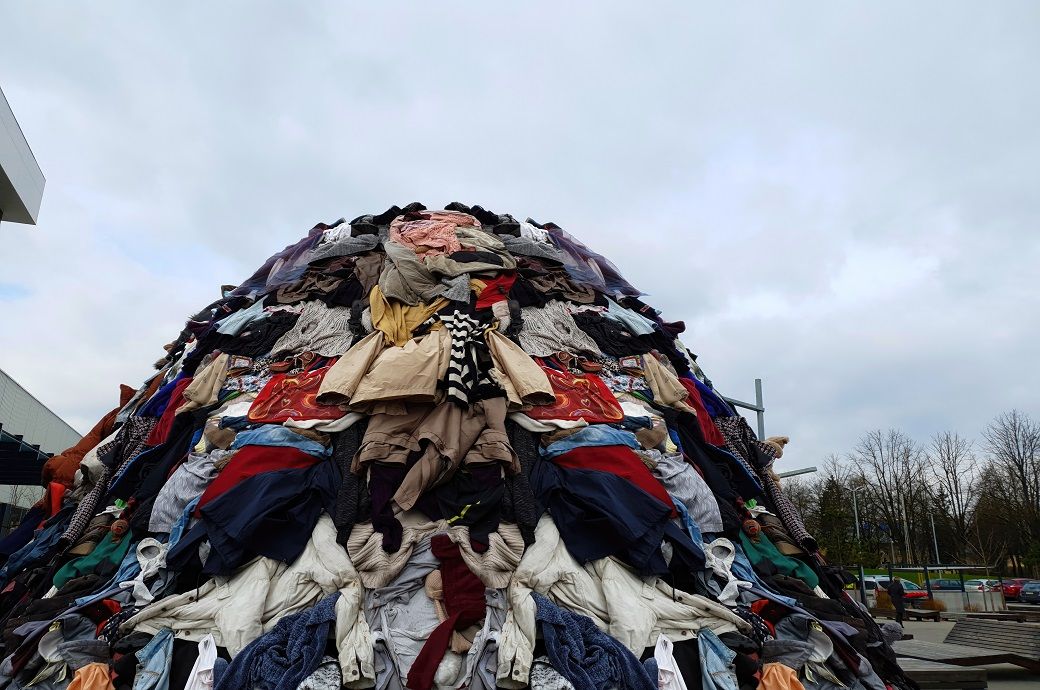
Reaching that level will require industry-wide changes, including expanding efforts to collect discarded textiles, adopting new technologies, increasing operational efficiency and boosting investments, it noted.
It will also require more companies to make and sell products created from recycled materials—and more people to buy them.
System-wide improvements could boost textile recycling rate with a raw material value of more than $50 billion, a Boston Consulting Group commentary said.
Reaching that level will require industry-wide changes, including expanding efforts to collect discarded textiles, adopting new tech, raising operational efficiency, boosting investments and making more companies sell recycled products, it noted.
In 2024, discarded clothing worldwide reached 120 million metric tonnes—a clear indication of how dramatically fashion consumption has changed. As a direct result of these trends, global fibre production has more than doubled since 2000, amplifying both consumption patterns and waste.
The increase in textile waste imposes significant economic and environmental burdens. In 2024, approximately 80 per cent of discarded clothing ended up in landfills or incinerators, while only 12 per cent was reused, and substantially less than 1 per cent was recycled into new textile fibres.
The environmental toll is particularly high, the commentary by Rohan Sajdeh, Catharina Martinez-Pardo, Alexander Meyer zum Felde, Tom Lange, Eleonora Tieri and Elian Evans observed.
Producing textiles accounts for 92 per cent of the fashion industry’s greenhouse gas emissions. Disposal exacerbates such emissions. Open dumping adds another layer of risk, releasing harmful micro-plastics into the environment.
The authors expect demand for recycled textiles to exceed supply by 30 to 40 million metric tonnes by 2030.
Despite the growing momentum for change, the existing textile value chain includes many barriers to recovering and reusing more waste. Three, in particular, pose challenges to meaningful change, the authors said.
First, several factors often make recycled materials less desirable economically and practically than virgin fibres. While enthusiasm for recycled fibers is rising, concerns about quality, availability and integration into established supply chains can make them less appealing.
Moreover, the cost disparity is significant: recycled polyester can be more than twice as expensive as virgin polyester, and recycled cotton usually commands a higher price as well.
Second, today’s textile waste management infrastructure falls short. Current textile recycling systems simply weren’t designed for the immense volumes the world generates. Most collection channels primarily support resale markets, both charitable and commercial, rather than recycling initiatives.
Consequently, sorting processes rely heavily on manual labour that is optimised for resale rather than recycling. These manual processes cannot efficiently categorize textiles by recyclability, fabric composition, and colour, or effectively remove disruptors like buttons and zippers. Consumer confusion further complicates this already strained system.
Third, complex fabrics require innovating beyond current recycling capabilities. Most modern fabrics are made from blends of different fibre types. However, most existing industrial recycling solutions, which are primarily mechanical, can handle only single-material textiles.
This mismatch between waste and technology has led to an urgent need for innovative solutions that can handle a broad range of modern textile waste and deliver products that are competitive in cost and quality, the authors wrote. Such techniques have yet to reach the scale necessary to tackle current waste volumes.
To build a profitable system for all stakeholders, the industry should focus on five key actions designed to work across all of the barriers mentioned above: promote demand for textiles with recycled fibres; collect more waste; modernise sorting; scale effective recycling solutions; and invest in innovation, they said.
Success will also depend on creating meaningful economic incentives for businesses and consumers, and harnessing synergies across the value chain, the authors added.
Fibre2Fashion News Desk (DS)










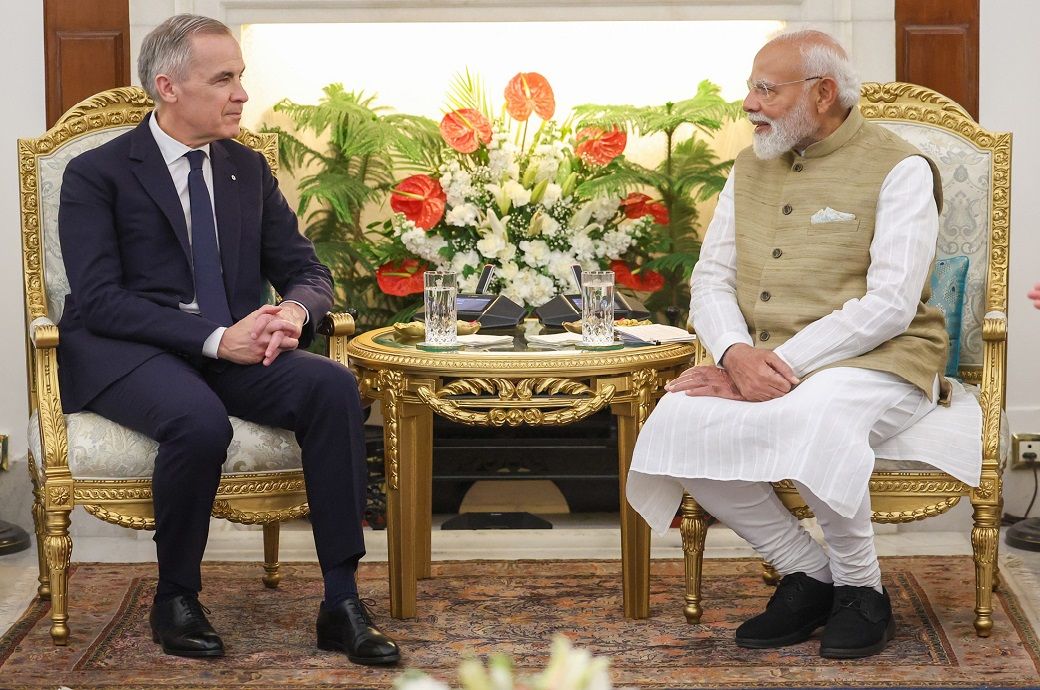
He was addressing the Canada-India Forum in Mumbai. He is on a four-day visit to India.
“This is an enormous opportunity for both our countries.. but it is one that is about to move to the next level. We should aim much higher, and we are aiming much higher, and to be more strategic in our partnership. And that’s why, immediately after my election last year, our government set out to renew our relationship with India,” he was cited as saying by Indian media outlets.
PM Mark Carney during the Canada-India Forum in Mumbai said Canada is negotiating a comprehensive economic partnership agreement with India to double bilateral trade to $50 billion by 2030.
It is expected to be signed by 2026 end.
Canada could also be India’s strategic partner in critical minerals and metals for the latter’s manufacturing, clean tech and nuclear industries, he noted.
As the visit’s focus is on core areas where both sides can work together to create more sovereignty, choice and prosperity, food and energy are the natural first choices, given Canada’s position as a food and energy superpower, Carney said.
It also extends to nuclear co-operation, from being the most reliable long-term supplier of uranium to building large-scale and small modular reactors, he said.
“We could also be India’s strategic partner in critical minerals and metals for your manufacturing, for your clean tech, and for your nuclear industries. And in the other respect, India can help us to double our grid with clean power by 2040,” he added.
India’s leadership in artificial intelligence (AI) and digital economy aligns well with Canada’s mission to develop and commercialise those technologies to deepen its defence innovation, Carney asserted.
In a separate set of agreements, Canadian Foreign Affairs Minister Anita Anand and his Indian counterpart S Jaishankar also exchanged several memoranda of understanding covering critical mineral cooperation, promotion of renewable energy use and cultural cooperation.
After India, Carney is scheduled to continue his tour with stops in Australia and Japan, according to the official itinerary released by his government.
Fibre2Fashion News Desk (DS)

This year’s gala theme, Threads of Impact, underscores the shared vision of FIT and Gap Inc. and recognizes Dickson’s legacy of brand reinvigoration, highlighting his career-long dedication to treating creativity as both a cultural force and a business imperative.
The Fashion Institute of Technology will honour Richard Dickson, president and CEO of Gap Inc., at its Annual Gala on April 14, 2026, at the Cathedral of St. John the Divine, New York City.
Celebrating his brand transformation leadership at Gap Inc. and Mattel, the event supports the FIT Foundation, which awarded over $3 million in scholarships in 2025.
“Gap Inc. is a house of iconic American brands guided by our purpose — to bridge gaps to create a better world. That includes bridging the opportunity gap. FIT embodies that same spirit, bringing education and industry together to unlock talent and expand what’s possible. We’re committed to opening doors, investing in emerging creatives, and building meaningful pathways into this industry for the next generation,” said Richard Dickson, President and CEO, Gap Inc. “I’m truly honored by this recognition and proud to champion the students and future leaders who will shape what’s next in design and fashion.”
“We are thrilled to celebrate Richard Dickson at FIT’s Annual Gala, in recognition of his remarkable achievements and leadership,” said FIT President Jason S. Schupbach. “Richard’s commitment to empowering the next generation reflects the heart of our mission—and inspires the entire FIT community. We are grateful for his generous support, as his work affirms what FIT has always shown: that when industry and education work as one, they are the catalyst for real-world change that shifts our culture.”
Dickson was appointed president and CEO of Gap Inc. in July 2023 and leads the company’s portfolio of iconic American brands, including Old Navy, Gap, Banana Republic, and Athleta. Before stepping into this role, he was the president and chief operating officer of Mattel, where he was a lead architect in a global corporate transformation that reinvigorated Mattel’s storied brands, including Barbie, Hot Wheels, and Fisher-Price, re-enforcing Mattel as a key industry leader and cultural cornerstone. He also served as executive producer of the Barbie movie. While at Mattel, Dickson was appointed to the Gap Inc. Board of Directors in November 2022.
Under his leadership, Gap Inc. is progressing into one of the most celebrated companies in fashion, where purpose and profit are aligned to matter, creating positive impacts for people and the planet. Throughout his career, Dickson has been a committed champion of this belief, earning recognition including The Elizabeth Taylor Commitment to End AIDS Award and the Chief Executives for Corporate Purpose Force for Good Award.
The FIT Annual Gala, attended by distinguished guests and alumni from the fashion and creative industries, benefits the FIT Foundation, which is dedicated to uplifting the next generation of FIT students. In addition to facilitating programs and developing new initiatives, the Foundation provided scholarships totaling more than $3 million in 2025.
Note: The headline, insights, and image of this press release may have been refined by the Fibre2Fashion staff; the rest of the content remains unchanged.
Fibre2Fashion News Desk (RM)
Cost of revenue amounted to THB 409.1 billion (~$13.09 billion) on a TTM basis, compared with THB 466.3 billion (~$14.92 billion) in 2024 and THB 476.0 billion (~$15.23 billion) in 2023. Costs were notably higher in 2022 at THB 544.3 billion (~$17.42 billion), before easing to THB 382.9 billion (~$12.25 billion) in 2021, the group said in a press release.
Indorama reported TTM revenue of THB 467.3 billion (~$14.95 billion), down from recent years and well below the 2022 peak.
Gross profit fell to THB 58.2 billion (~$1.86 billion), reflecting continued margin pressure.
As of December 31, 2025, current liabilities exceeded current assets, with management maintaining liquidity through cash reserves, credit facilities and short-term debt rollovers.
Gross profit reached THB 58.2 billion (~$1.86 billion) over the TTM period, down from THB 75.3 billion (~$2.41 billion) in 2024 and THB 65.4 billion (~$2.09 billion) in 2023. Gross profit peaked at THB 111.9 billion (~$3.58 billion) in 2022 and stood at THB 85.2 billion (~$2.73 billion) in 2021.
At 31 December 2025, the group’s current liabilities exceeded current assets. To ensure funding needs and mitigate liquidity risks for the foreseeable future, the management continually monitors the group liquidity risk and implements procedures, including maintaining a sufficient level of cash and cash equivalents deemed adequate to finance the group’s operations, rolling forecasting the group’s unutilised credit facilities, and rollover of the short-term borrowing.
Fibre2Fashion News Desk (RR)

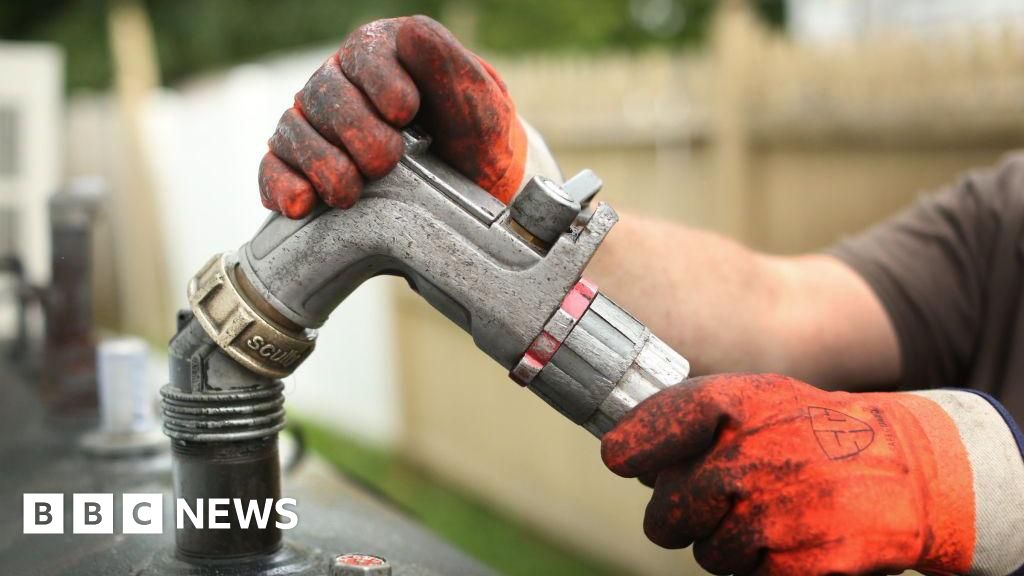
Prices for home heating oil in NI rise as Middle East conflict escalates

India, Canada negotiating CEPA to double trade by 2030: PM Carney

US’ Gap Inc. president & CEO Richard Dickson to be honoured by FIT

-

 Politics5 days ago
What are Iran’s ballistic missile capabilities?
-
 Business6 days ago
Households set for lower energy bills amid price cap shake-up
-

 Sports5 days ago
Sri Lanka’s Shanaka says constant criticism has affected players’ mental health
-
 Business6 days ago
Lucid widely misses earnings expectations, forecasts continued EV growth in 2026
-

 Sports1 week ago
Top 50 USMNT players of 2026, ranked by club form: USMNT Player Performance Index returns
-
 Business5 days ago
Attock Cement’s acquisition approved | The Express Tribune
-

 Tech6 days ago
Here’s What a Google Subpoena Response Looks Like, Courtesy of the Epstein Files
-
 Business6 days ago
Income Tax Draft Rules 2026: Key Changes On How And When Pan Card Will Be Required?