

Sports
Ten (maybe 11) players to watch at NCAA volleyball tournament’s Sweet 16

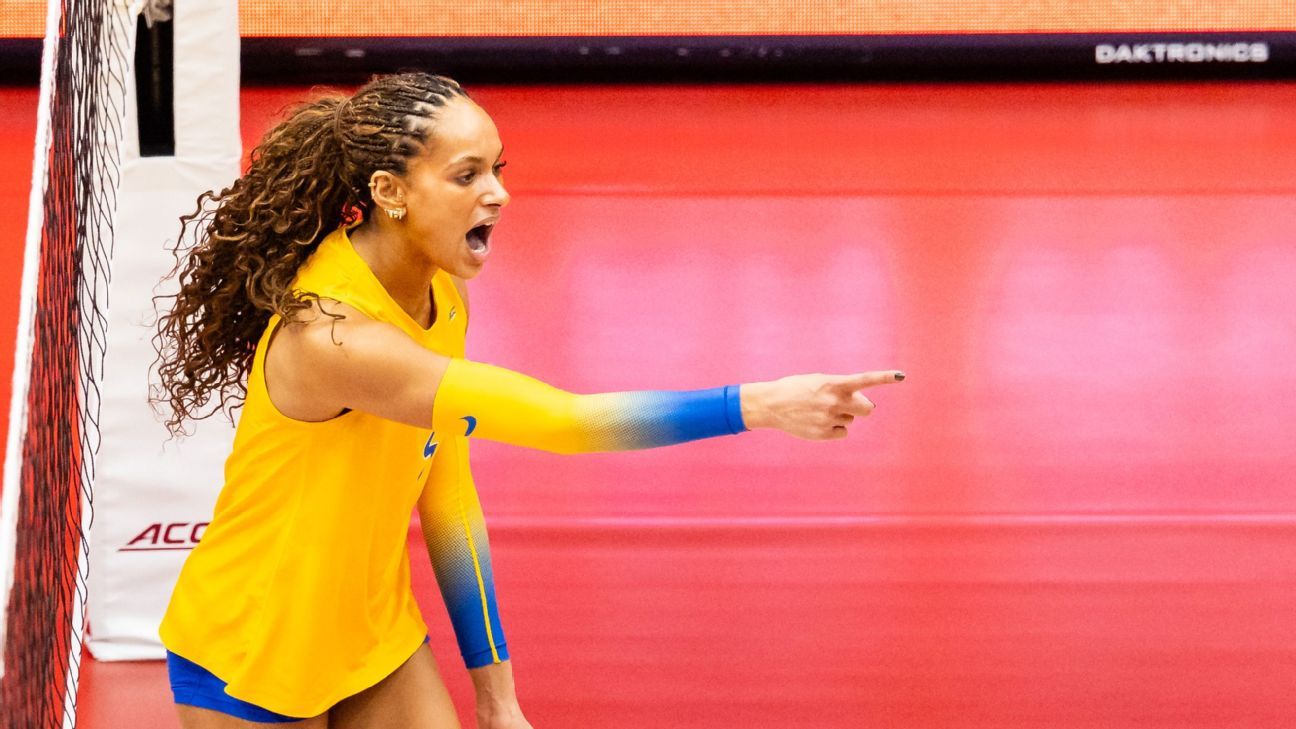
The 2025 NCAA volleyball tournament is down to its final 16 teams. But countless pressing questions remain as the tournament makes its way to the final four in Kansas City. Can Nebraska, the No. 1 overall seed, finish undefeated and claim the program’s sixth national title? Can Pitt advance to its fifth straight final four appearance? Will SEC champion Kentucky return to the final four for the first time since winning its first national championship in 2020? Is a young Texas team ready to cash in ahead of schedule?
Here are the 10 (OK, 11) players who will have a major say in answering those questions and more.
Olivia Babcock, Pitt: If the volleyball gods could issue a warning for the NCAA tournament’s stretch run, it would read something like this: “Do not take your eyes off Olivia Babcock, or else…” Arguably the most dynamic player in the college game, the 6-foot-4 Babcock averages 5.9 points per set and 5.1 kills per set for a team that is looking to return to the final four for the fifth straight time. The ACC Player of the Year had more than 40 kills in two matches this season from her opposite hitter position. With springy legs and a powerful arm from the front row, back row and behind the service line, Babcock, the 2024 AVCA Player of the Year, is magic in motion. Look away at your own risk.
Ella Swindle, Texas: Surrounded by strangers at the start of the season, the Longhorns’ junior setter holds the key to the powerful Texas attack. The 6-foot-3 Swindle led Texas to the national title in 2023 but then played a backup role a year ago when Texas fell to Creighton in the regional semifinals. This year, she has 898 assists — mostly to hitters she had never played with before the season. Texas’ top three hitters are Pitt transfer Torrey Stafford (488 kills) and freshmen Cari Spears (338 kills) and Abby Vander Wal (268 kills), and Swindle has the offense hitting at a .316 clip, tied for third-best in the nation.
Rebekah Allick, Nebraska: The top-seeded Cornhuskers take the court with a pick-your-poison approach. Every attacker around Big Ten Player and Setter of the Year Bergen Reilly can terminate (see: Andi Jackson, Taylor Landfair, Harper Murray). Every defender on the court can dig (see: Laney Choboy, Olivia Mauch, Teraya Sigler). On volleyball’s balanced behemoth, Allick stands out for her passion. Make no mistake: Allick, a 6-foot-4 senior middle blocker, is having the best statistical season of her career, hitting .437 (eighth-best in the country but seven slots below fellow middle blocker Jackson) with 235 kills. But nothing fires up the No. 1 overall seed more than an Allick roar after a stuffed block or a kill on an opponent’s overpass. The Huskers will be tested. And when they are, they’ll turn to Allick for inspiration.
Brookeva DeHudson, Kentucky: Don’t google her. It’s impossible to pick one Kentucky superstar outside hitter over the other. Brooklyn DeLeye and Eva Hudson are both that good, so we merged them into one spot. DeLeye was the SEC Player of the Year in 2024. Hudson, in her first year with the Wildcats after transferring from Purdue, is the SEC Player of the Year in 2025. The 6-foot-2 DeLeye has 495 kills on the season and averages 4.7 per set. The 6-foot-1 Hudson has 482 kills and averages 4.6 per set. Slow down one? Maybe. Stop both? Nearly impossible. Together they are the most lethal pair of pin hitters in the tournament and the engine driving Kentucky toward a shot at a second national title.
Chloe Chicoine, Louisville: Now we come upon the rarest of all sightings in the latter half of the NCAA tournament: a 5-foot-10 outside hitter. Chicoine, a transfer-portal addition to the reigning national runners-up, brings her impressive vertical leap and feisty play from Purdue to Louisville. She comes into the regional semifinals with her arm blazing. Chicoine crushed a season-high 28 kills in a five-set win over Marquette in the second round. She leads the balanced Cardinals with 387 kills and is second in digs with 332.
Mimi Colyer, Wisconsin: Two words: Instant. Offense. The 6-foot-3 senior outside hitter and Oregon transfer was a unanimous all-Big Ten selection in her first season with the Badgers. How could she not be? Colyer averages 5.32 kills per set, tops among players remaining in the tournament, and hits .340. She spent her free time getting 220 digs and 67 blocks. With setter extraordinaire Charlie Fuerbringer healthy and back on the court, the Badgers bring an offense that can pose problems for anyone and everyone.
Averi Carlson, SMU: The 5-foot-11 setter started for two seasons at Baylor, then started at Texas, then led the U.S. U23 national team to gold at the Pan American Cup, and now she orchestrates a high-powered Mustangs attack. The ACC Setter of the Year runs an offense that hits .316, tied for third-best (with Texas) in the country. She has developed a quick and lethal connection with fellow transfer Malaya Jones (503 kills) from Colorado State. She also puts up a strong block, with 85 on the season.
Noemie Glover, Arizona State: Since transferring from Oregon before the season, the Sun Devils’ opposite hitter has had exactly one match in which she didn’t produce double-digit kills — but even in that match she hit .444. The 6-foot-2 Glover has 406 kills, 108 blocks and 80 digs. Fun fact: Her dad, La’Roi Glover, played 13 seasons in the NFL and was a six-time Pro Bowler.
Elia Rubin, Stanford: The senior and four-year Cardinal starter has become synonymous with Stanford volleyball over the past four seasons. She brings a host of awards — AVCA All-America, All-ACC, All-Pac 12 — and 1,607 career kills into the regional semifinals. This season, she leads the second-seeded Cardinal in kills (378) and aces (45) and is second in digs (296). About the only thing Rubin hasn’t done in her Stanford career is play in the final four.
Logan Lednicky, Texas A&M: The 6-foot-3 senior opposite hitter is as steady as they come. She has been killing it for the Aggies for four straight seasons, and she’s poised to go out with a bang in her final NCAA tournament run. Through her first two tournament games, she has 39 kills on a .429 percentage and is averaging 6.21 points per set. The AVCA Player of the Year semifinalist plays some mean defense too — she has 83 blocks and 275 digs this season, both second-most among the Aggies.
Sports
Craig Morton, quarterback who led the Broncos to their first Super Bowl appearance, dead at 83
NEWYou can now listen to Fox News articles!
Former Denver Broncos quarterback Craig Morton, who was inducted into the team’s Ring of Fame, died on Saturday. He was 83.
Morton was critical in helping the Broncos reach their first-ever playoff appearance, ultimately getting them to Super Bowl XII during the 1977 campaign.
After going 12-2 during the season, and getting wins in the playoffs over the Pittsburgh Steelers and then-Oakland Raiders, Morton was named the AFC Offensive Player of the Year.
CLICK HERE FOR MORE SPORTS COVERAGE ON FOXNEWS.COM
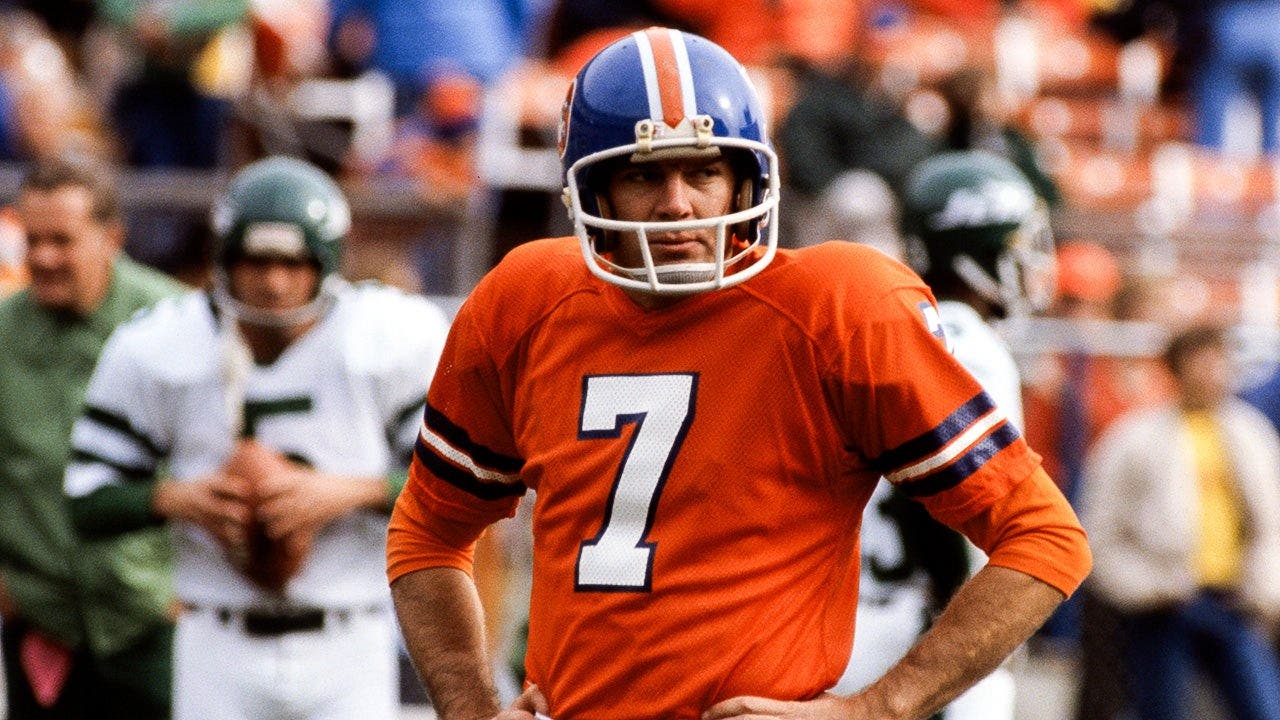
Denver Broncos quarterback Craig Morton stands on the sidelines with both hands on his hips. (GETTY)
“Craig Morton is unbelievable,” fellow Ring of Famer Haven Moses said after the Broncos won the AFC Championship in 1978, per the New York Times. “To me, he’s the most valuable player in the National Football League.”
Morton also won Sporting News Player of the Year, the PFWA Comeback Player of the Year and the NFL UPI MVP in 1977.
“We are saddened to learn of the passing of #BroncosROF quarterback Craig Morton, who died on Saturday at the age of 83,” the Broncos posted on social media.
Morton also led the Broncos to two different division titles and three playoff berths during his six seasons with the franchise. He finished his career in Denver with 11,895 passing yards, which marked the most in franchise history at the time.
CLICK HERE TO DOWNLOAD THE FOX NEWS APP
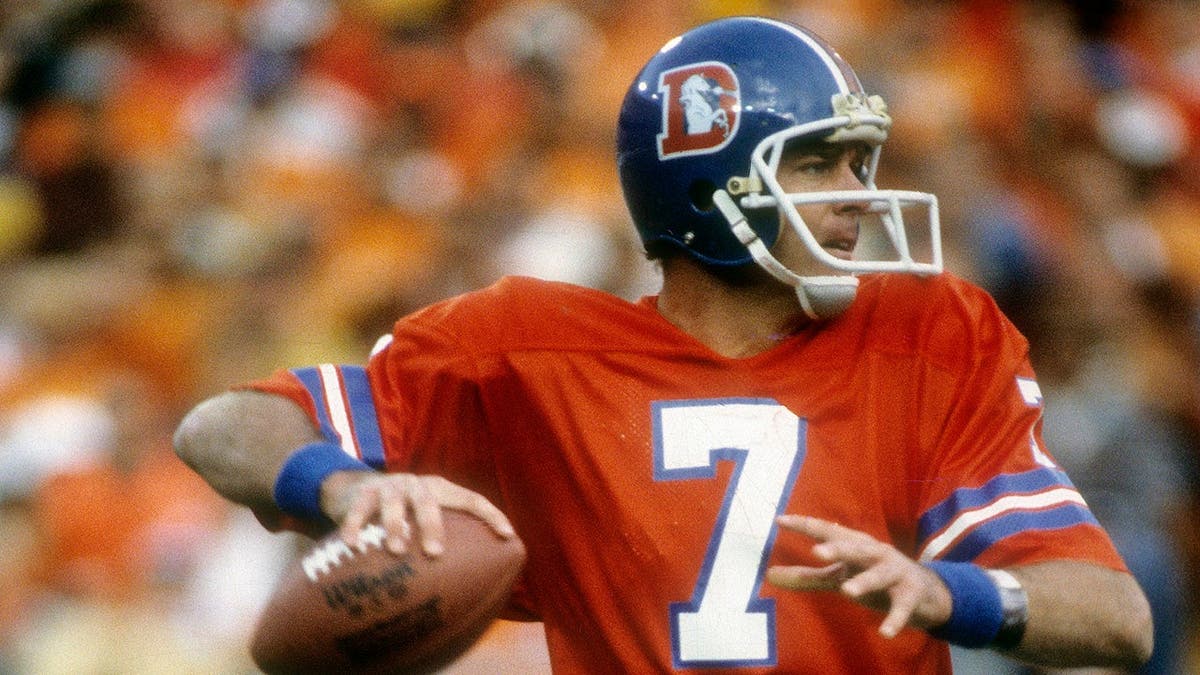
Quarterback Craig Morton #7 of the Denver Broncos drops back to pass during an NFL game at Mile High Stadium in Denver, Colo., circa 1978. Morton played for the Broncos from 1977 to 1982. (Focus On Sport/Getty Images)
Morton also led the Broncos with pass attempts (1,594) and completions (907). But Morton’s time with the Broncos was the latter half of his NFL career.
He was drafted by the Dallas Cowboys in 1965, the fifth overall pick out of Cal. Morton spent the first 10 seasons of his career with the Cowboys, where he threw for 10,279 yards with 80 touchdowns and 73 interceptions. He went 32-14-1 in his time with Dallas.
Then, during the 1974 season, Morton was moved to the New York Giants, a division rival of the Cowboys. He went 1-6 in his first seven starts that year and wouldn’t find much success in New York across three seasons.
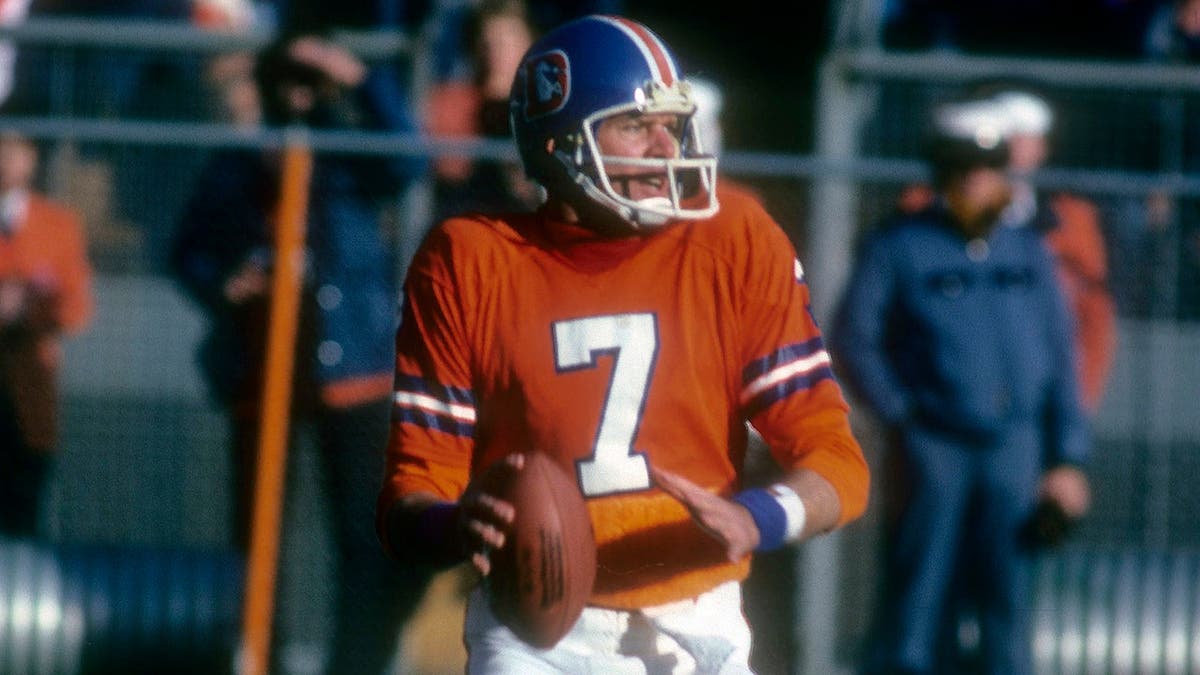
Quarterback Craig Morton #7 of the Denver Broncos drops back to pass during an NFL game at Mile High Stadium in Denver, Colo., circa 1978. Morton played for the Broncos from 1977 to 1982. (Focus On Sport/Getty Images)
CLICK HERE TO DOWNLOAD THE FOX NEWS APP
For his career, Morton threw for 27,908 yards with 183 touchdowns. He owned an 81-62-1 record across 207 games.
NEWYou can now listen to Fox News articles!
Indiana’s Fernando Mendoza’s year couldn’t have been more perfect.
He led his Hoosiers to an unblemished 16-0 season, captured the national championship in historic fashion and won the 2025 Heisman before being selected first in the 2026 NFL Draft by the Raiders.
Now that the path is clear for a new athlete to leave NYC in December holding the Heisman, who will it be?
Here are the way-too-early odds at DraftKings Sportsbook as of May 5.
This page may contain affiliate links to legal sports betting partners. If you sign up or place a wager, FOX Sports may be compensated. Read more about Sports Betting on FOX Sports.
2026 Heisman Trophy Winner
CJ Carr (Notre Dame): +750 (bet $10 to win $85 total)
Arch Manning (Texas): +750 (bet $10 to win $85 total)
Julian Sayin (Ohio State): +1000 (bet $10 to win $110 total)
Dante Moore (Oregon): +1000 (bet $10 to win $110 total)
Trinidad Chambliss (Ole Miss): +1100 (bet $10 to win $120 total)
Josh Hoover (TCU): +1200 (bet $10 to win $130 total)
Darian Mensah (Miami, FL): +1200 (bet $10 to win $130 total)
Jeremiah Smith (Ohio State): +1300 (bet $10 to win $140 total)
Gunner Stockton (Georgia): +1800 (bet $10 to win $190 total)
Sam Leavitt (Arizona State): +2000 (bet $10 to win $210 total)
Marcel Reed (Texas A&M): +2500 (bet $10 to win $260 total)
Jayden Maiava (USC): +2500 (bet $10 to win $260 total)
John Mateer (Oklahoma): +2800 (bet $10 to win $290 total)
Here’s more on a few of the names on the 2026 Heisman oddsboard:
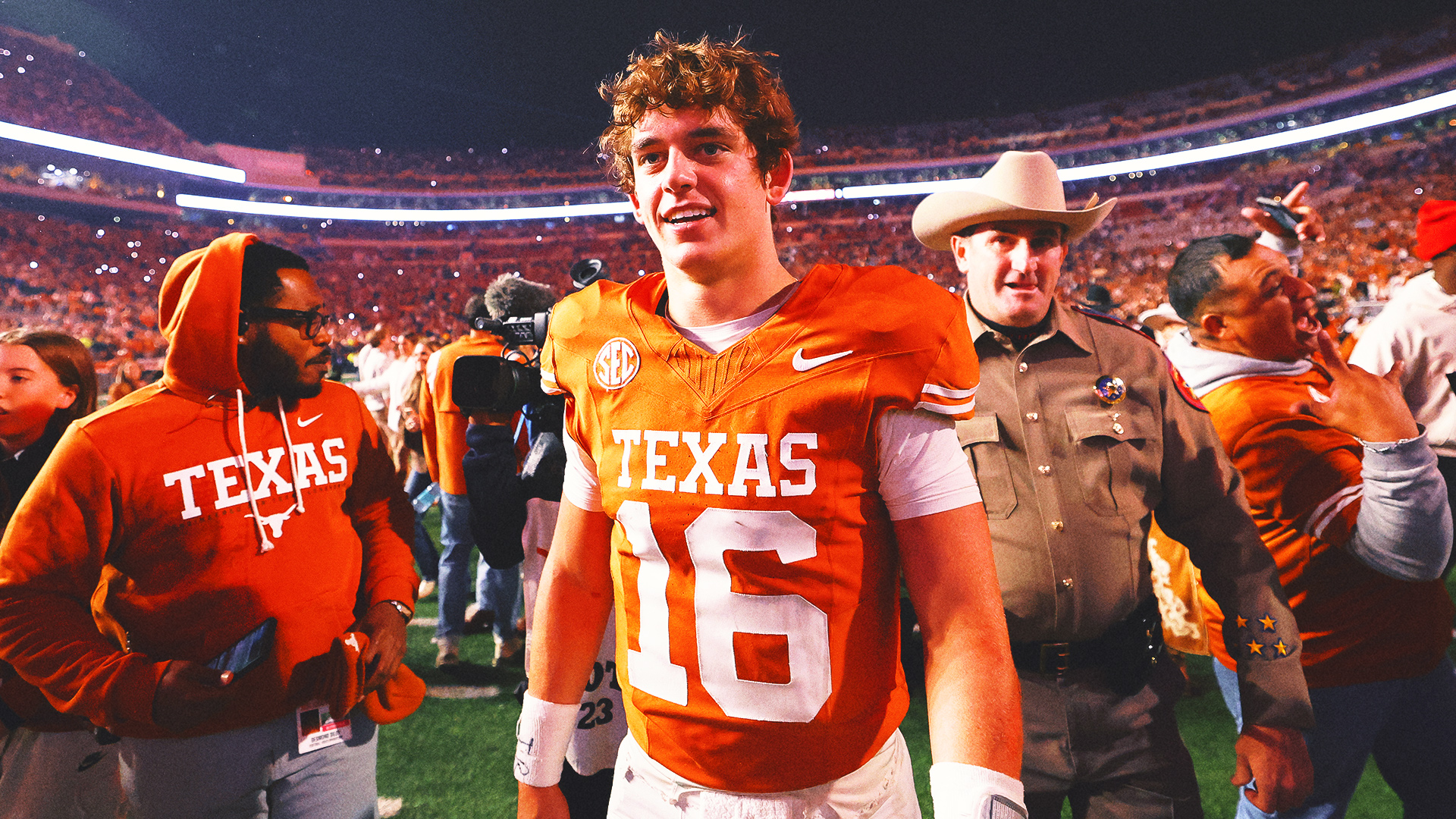
The Favorites: Carr and Manning are tied at +750 to win the Heisman Trophy at the end of the 2026 regular season. And the latter is no stranger to Heisman talk. He opened as the favorite for the 2025 Heisman at several books and right before the season kicked off, bettors were hammering Manning’s futures. The excitement over Manning was short-lived once his Longhorns went 4-2 to begin the season. If he is at least named a finalist, he would follow in the footsteps of his uncles and his grandfather, as both Peyton and Eli Manning, and their dad Archie, were Heisman finalists during their college careers.
Arch Manning is an early favorite to win the 2026 Heisman Trophy.
Ones to Watch: Ohio State teammates Jeremiah Smith and Julian Sayin are two players to watch for next season’s Heisman — especially because they were both in the conversation to win the award most of 2025. Sayin, in fact, was a Heisman finalist and finished fourth in the race with eight first-place votes. Smith didn’t make the trip to New York but finished sixth in the tally. FOX Sports college football writer RJ Young projects that both Smith and Sayin — as well as Manning — will be in the running in 2026.
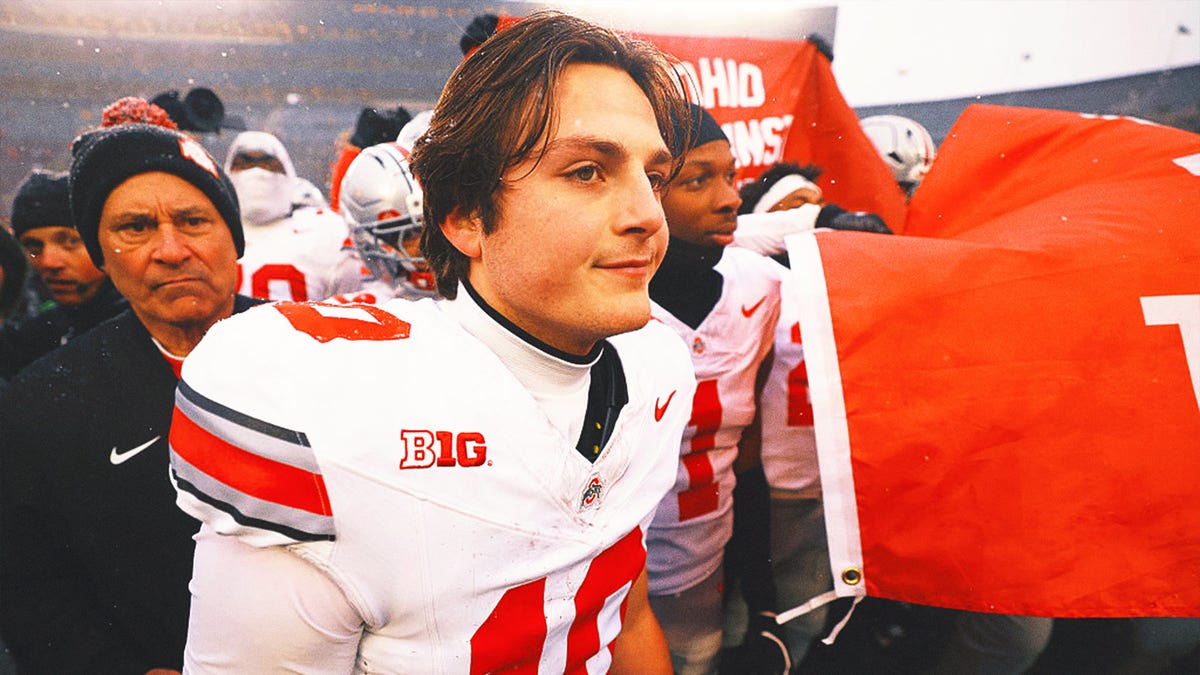
Ohio State’s Julian Sayin could make another trip to NYC — but this time as the winner.
Heisman in Troy?: Could Maiava bring the hardware back to SC from NYC? Based on the early odds, he could have at least a slight chance. If the Trojans’ QB wins the most coveted individual award in college football, he’d be the first USC player since Caleb Williams (2022) to do so. Maiava finished the 2025 season with 3,711 passing yards and 24 touchdowns, as his squad ended the year with a 9-4 record.
Sports
Aaron Rodgers never met with Steelers despite rumor-filled weekend as QB’s decision remains up in air
NEWYou can now listen to Fox News articles!
Aaron Rodgers didn’t make it back to Pittsburgh after all.
After reports surfaced this past Friday that Rodgers was expected to visit the Pittsburgh Steelers in preparation for a return to the team he played for last year, many were hopeful the months-long wait was over.
However, during his appearance on “The Pat McAfee Show” on ESPN this Monday, Adam Schefter said neither the Steelers nor his agent were aware of any such meeting being on the schedule.
CLICK HERE FOR MORE SPORTS COVERAGE ON FOXNEWS.COM
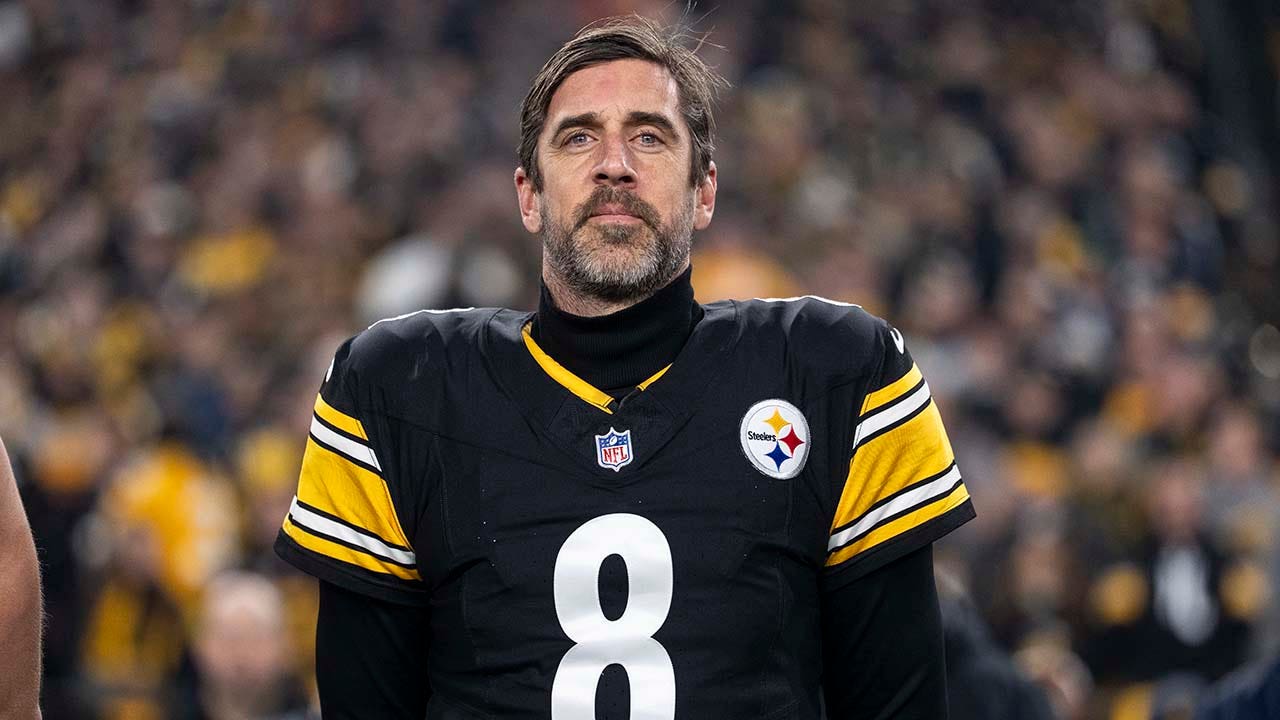
Aaron Rodgers of the Steelers stands during the national anthem before an NFL game against the Baltimore Ravens at Acrisure Stadium in Pittsburgh, Pa., on Jan. 4, 2026. (Michael Owens/Getty Images)
But then, there were the reports about where Rodgers is in the world, with the Pittsburgh Tribune-Review reporting that he was in the Steel City, though he wasn’t scheduled to visit with the team. A report from 93.7 The Fan added on, saying he was in town for golf.
Either way, the decision still lingers whether Rodgers will suit up for the Steelers, but the storied franchise gave themselves some insurance if the four-time MVP quarterback decides he wants to potentially play elsewhere.
STEELERS OWNERSHIP HOPES FOR CLARITY ON AARON RODGERS’ FUTURE ‘IN THE NEXT MONTH OR SO’
The Steelers used an unrestricted free-agent tender on Rodgers last month, which allows Pittsburgh the right to match any offer Rodgers may get from another team.
Despite doubt from some camps on Rodgers’ potential return, Schefter noted his belief he will be in the Steelers’ depth chart come training camp. The Steelers have their OTAs scheduled to begin next Monday.
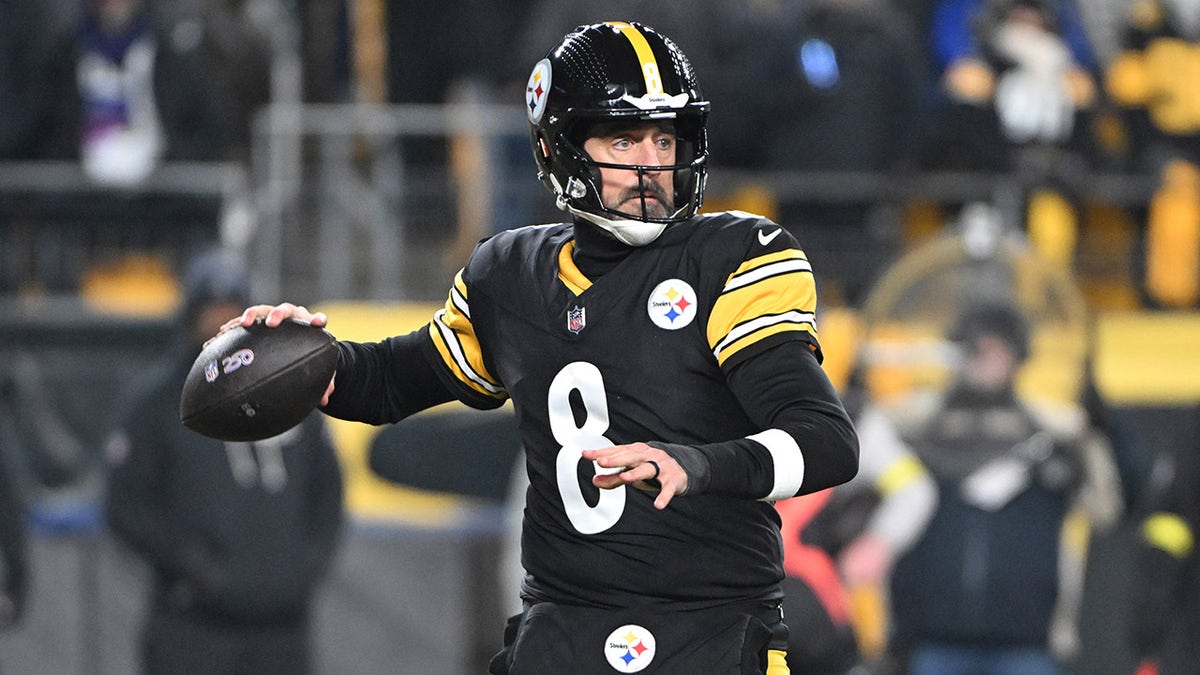
Steelers quarterback Aaron Rodgers drops back to pass against the Baltimore Ravens at Acrisure Stadium in Pittsburgh, Pa., on Jan. 4, 2026. (Getty Images)
With Rodgers at the helm this past season, the Steelers went 10-7, even earning a playoff berth after Baltimore Ravens rookie Tyler Loop’s now-infamous game-winning field goal did not get through the uprights. The Steelers ended up losing to the Houston Texans in the wild-card round, extending the team’s playoff winless streak to eight straight seasons, including three consecutive campaigns.
Rodgers, who’s slated for the Pro Football Hall of Fame once he decides to call it quits for his career, threw for 3,322 yards with 24 touchdowns to seven interceptions in 16 games for Pittsburgh in 2025.
CLICK HERE TO DOWNLOAD THE FOX NEWS APP
The Steelers also revamped their team for this season, as Mike McCarthy, Rodgers’ old head coach with the Green Bay Packers, takes over for Mike Tomlin, whose generational run in Pittsburgh ended after 19 seasons (2007-25). While D.K. Metcalf and Rodgers built chemistry this past season, the Steelers also added veteran receiver Michael Pittman Jr. in a deal with the Indianapolis Colts, while adding Alabama’s Germie Bernard in the 2026 NFL Draft.
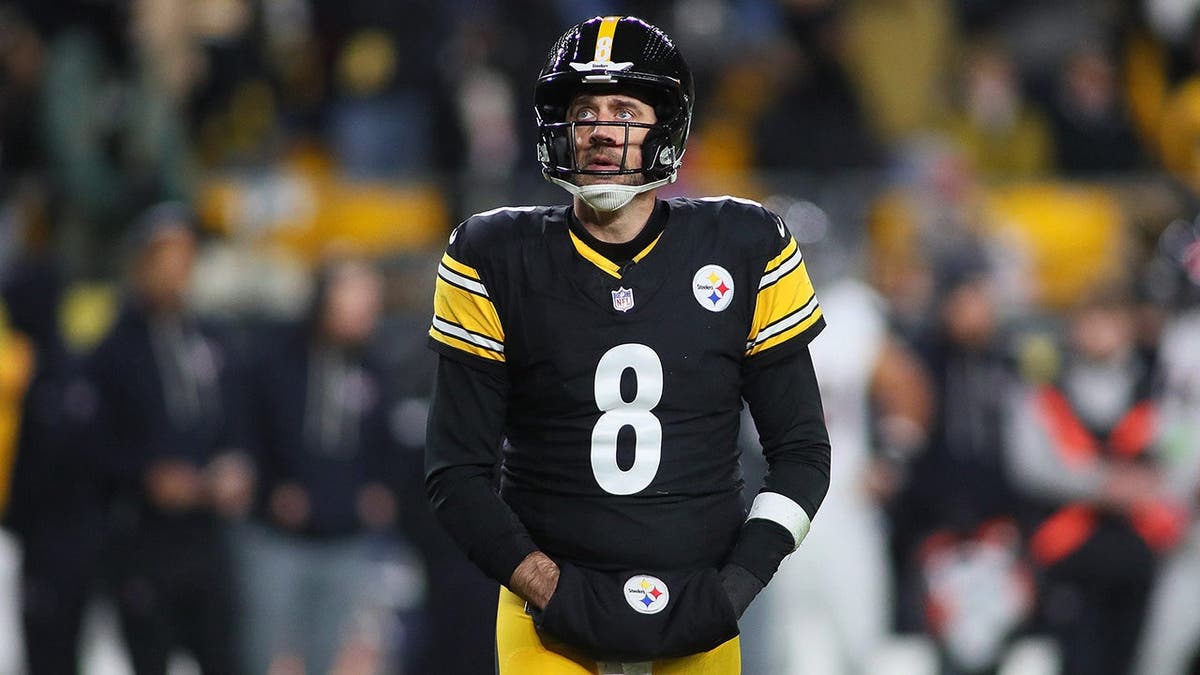
Steelers quarterback Aaron Rodgers after being sacked during the wild-card game against the Houston Texans at Acrisure Stadium in Pittsburgh, Pa., on Jan. 12, 2026. (Michael Longo/For USA Today Network-PA/USA Today Network via Imagn Images)
And while Kenneth Gainwell is gone after a solid performance with Pittsburgh, Rico Dowdle comes into the fold to work alongside Jaylen Warren at running back.
Yet, the biggest question in football still remains: will Rodgers be a part of these new-look Steelers in 2026?
Follow Fox News Digital’s sports coverage on X and subscribe to the Fox News Sports Huddle newsletter.


Bangladesh needs logistics upgradation to turn competitive: Think tank

Meghan Markle shares delightful family update amid rift with dad Thomas

Craig Morton, quarterback who led the Broncos to their first Super Bowl appearance, dead at 83

-

 Politics1 week ago
Iran weighs US reply delivered via Pakistan as Trump signals opposition to deal terms
-

 Tech1 week ago
DHS Demanded Google Surrender Data on Canadian’s Activity, Location Over Anti-ICE Posts
-
 Business1 week ago
Heineken to invest £44.5m in hundreds of pubs creating 850 jobs
-

 Entertainment1 week ago
Jelly Roll reacts to daughter Bailee Ann’s major life milestone
-

 Tech1 week ago
I Lugged the Best Travel Totes on Work Trips, Weekends, and More
-

 Politics1 week ago
Two women die on migrant boat seeking to reach UK
-
 Business1 week ago
Heineken plans huge investment in hundreds of UK pubs ahead of World Cup
-

 Politics1 week ago
Iranian envoy reaffirms Pakistan’s ‘central role’ in ongoing talks with US