

Business
Top stocks to buy: Stock recommendations for May 4, 2026 week – check list – The Times of India


Stock market recommendations: Granules, and UltraTech Cement have been picked as the top stock recommendations from the week starting May 4, 2026 by Motilal Oswal Wealth Management Research Desk. Let’s take a look:
GranulesGranules India reported in-line revenue with a ~6% beat at the EBITDA and PAT level, driven by strong growth in FDF and APIs, while complex generics contribution increased to 46% (vs ~39% YoY), supporting margin expansion. Europe business saw strong scale-up (+49% YoY ex-Senn Chemicals), led by new launches and pipeline expansion, indicating improving geographic diversification.CDMO segment is gaining traction with Senn Chemicals achieving EBITDA break-even, while growth in peptides and controlled substances adds to future visibility. We expect ~15% CAGR in FDF over FY26–28, driven by strong base growth in formulations (74% of revenue), along with improving product mix. We expect ~27% PAT CAGR over FY26–28, supported by margin expansion from the peptide CDMO business, benefits of integrated R&D capabilities across Switzerland and India, & continued shift towards high-value complex generics & specialty products.UltraTech CementUltraTech Cement delivered a strong 4QFY26 result with revenue, EBITDA and adjusted PAT rising ~12%, ~21% and ~20% YoY respectively. The key positive was better cost control and operating efficiency, which helped margins improve despite a volatile input cost environment. The company crossed 200mtpa domestic grey cement capacity, the largest in any country excluding China, and has completed the integration of India Cements and Kesoram ahead of schedule.With acquired assets turning more efficient and utilisation levels healthy, UltraTech remains well placed to benefit from expected industry demand growth led by infrastructure, rural demand and housing. Management has guided annual capex of rupees 80 to 100bn, with plans to add ~37mtpa capacity to reach nearly 240mtpa by FY28E, while targeting net debt to EBITDA below 1x. We expect consol. Revenue/EBITDA/ PAT to grow at a CAGR of 13%/15%/18% respectively over FY26-28, supported by cost savings, expansion benefits and improving profitability.(Disclaimer: Recommendations and views on the stock market, other asset classes or personal finance management tips given by experts are their own. These opinions do not represent the views of The Times of India.)






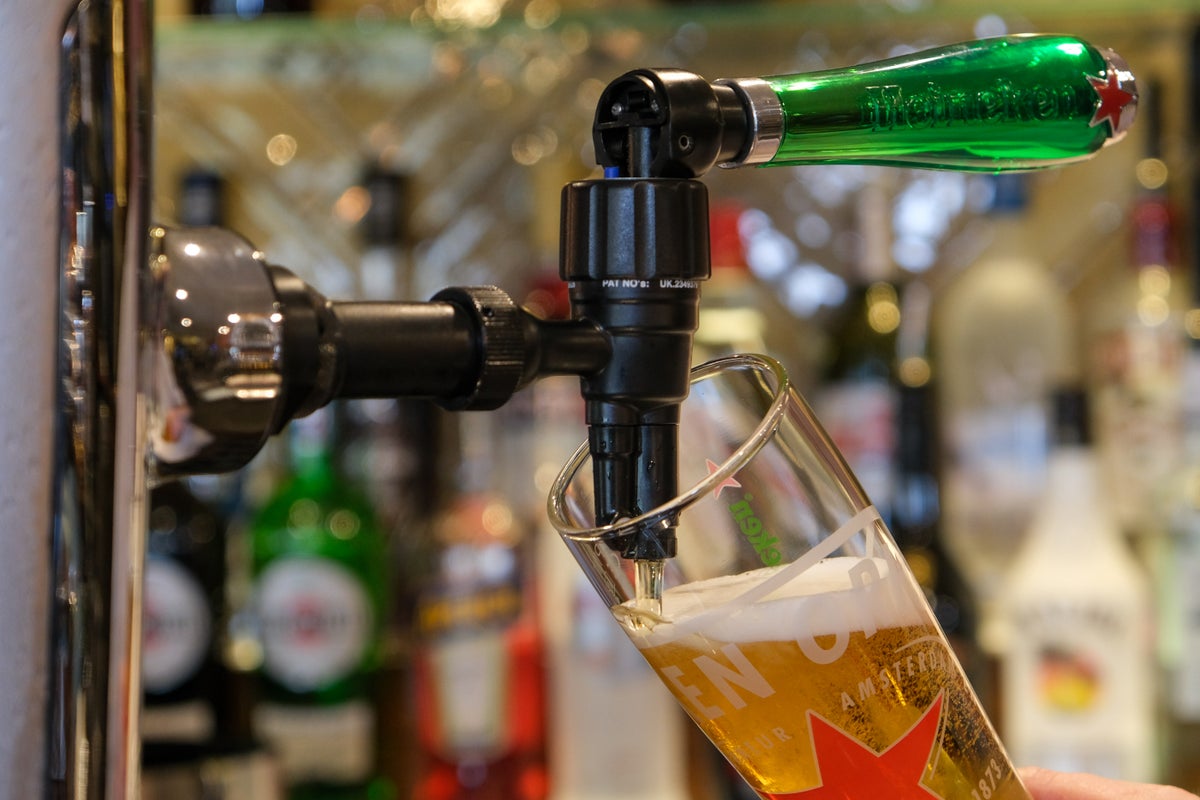
Heineken has revealed plans to invest more than £44 million into improvements for hundreds of its UK pubs.
The Dutch brewing giant said the cash injection into its Star Pubs operation, which runs 2,350 sites across the UK, will create around 850 jobs.
The major investment plan comes despite a challenging backdrop for the pub sector.
Pubs have come under pressure from rising labour costs and increases to national insurance contributions over the past year, while consumer spending has also come under pressure with concerns over inflation and rising unemployment.
However, pubs received additional business rates support from the Government from last month to help ease their cost pressures.
Lawson Mountstevens, Star Pubs’ managing director, said the company’s investment plan is partly aimed at boosting revenues to help the group cope with the recent “sustained increases in running costs”.
The plans will see the business invest £44.5 million this year into upgrades for 647 of its pubs.
It said 108 of its venues will see particularly significant cash injections, with these all set for transformations costing at least £145,000.
Heineken said the majority of pubs are owned by the group but independently operated by locals, with sports-focused venues an emphasis for investment in the run-up to the 2026 football World Cup.
The pub firm and brewer said it has pumped £328 million into British pubs since 2018.
It has already started work in 52 locations, including eight projects where it is reopening boarded-up pubs which have suffered from lengthy closures.
Mr Mountstevens urged the Government to reduce the tax burden on pubs to help ease the cost burden and support more job creation in the industry.
He said: “We can only do so much; the root-and-branch reform of business rates that the industry has been calling for over many years is urgently required, as well as a lowering of the burden of taxation on pubs, including VAT and beer duty.
“We are calling on the Government to support us in bringing out the best in the Great British pub.”
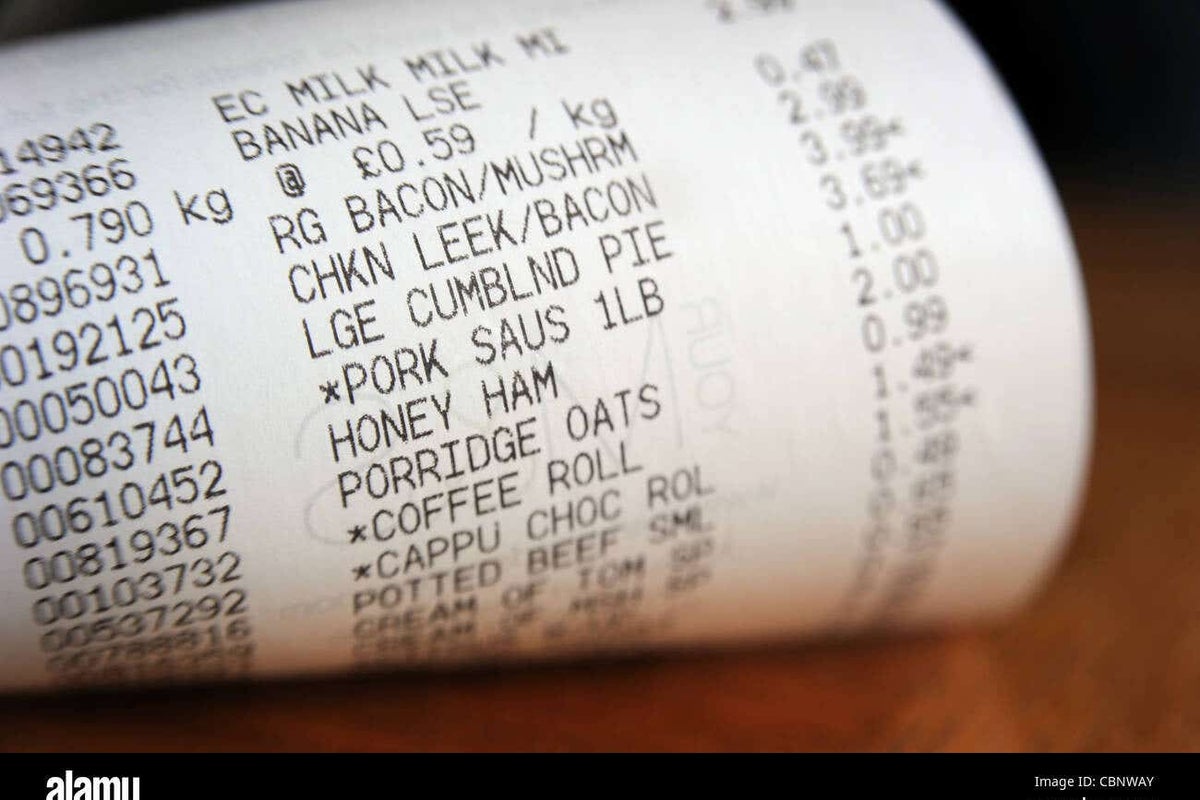
UK food prices are on track to be 50% higher by November compared to levels at the start of the cost-of-living crisis in mid-2021, according to research.
The “grim milestone” would mean that the price growth seen in the nearly 20 years prior to the crisis would be achieved in just over five years – almost quadrupling the pace of food inflation, the Energy and Climate Intelligence Unit (ECIU) think tank said.
A combination of extreme weather driven by climate change, global supply disruptions, and continued exposure to volatile oil and gas markets had compounded pressures on the food system.
According to the analysis, the cost of staples including pasta, frozen vegetables, chocolate, eggs and beef – all up between 50% and 64% – and olive oil, up 113%, had already seen some of the steepest rises, reflecting their sensitivity to volatile oil and gas prices, synthetic fertiliser costs and climate impacts such as droughts, floods, and heatwaves, both in the UK and in key import regions.
Together, these forces had pushed household food bills up by an average of £605 over 2022 and 2023, with energy shocks accounting for £244 of this, the ECIU said.
More recently, five climate-impacted foods – butter, milk, beef, chocolate and coffee – had been responsible for much of the continued pressure on food inflation, with the price of these foods rising over four times faster than other food and drink.
Chris Jaccarini, food and farming analyst at the ECIU, said: “Trump’s war in the Middle East is set to drive shopping bills higher as oil and gas prices spike.
“Scientists are predicting 2027 to be the hottest year on record with climate change combining with the El Nino effect kicking off this year. Three of England’s worst harvests on record have been in the past five years.
“Unless we get to net zero emissions to stop climate change and bring balance to the system, food prices will spiral ever further, but net zero also means burning less oil and gas, so insulating our food system from the kind of price spikes we’ve been seeing since Russian invaded Ukraine.”
The ECIU said the projected 50% increase would mean that many households would continue to feel the strain well beyond the initial phase of the cost-of-living crisis, with food remaining one of the most visible and unavoidable expenses.
Anna Taylor, executive director of the Food Foundation, said: “Food prices rising this high and this fast leaves families on the lowest incomes with nowhere left to cut except the food on their plate.
“When that happens, people skip meals, children go hungry, and diet-related illness rises – taking parents out of work and piling pressure on an NHS that can least afford it.
“This conflict is the latest shock in a series, and there will be more. The question for Government isn’t just how to respond to this crisis – it’s whether we’re finally going to build a food system resilient enough to withstand the next one.”
Latest inflation figures from Worldpanel by Numerator show grocery prices are currently 3.8% higher than a year ago, with households warned that the Middle East conflict has “not yet” filtered through to supermarket shelves.
As consumers adapt to higher prices, data from the Waste and Resources Action Programme (Wrap) suggest that self-reported waste of the four key products – bread, milk, chicken, and potatoes – has fallen from 21% to 18.8% since 2024.
Despite this, food waste ranks fifth among key concerns, after food prices, diet healthiness, animal welfare, and processed or ultra-processed foods, “suggesting it is more of a background concern than a top-of-mind issue”, Wrap said.
Concerns that have increased most since 2024 include pesticide use, how food producers and farmers are treated, genetically modified foods, and hormones, steroids, and antibiotics in food.
Wrap chief executive Catherine David said: “The average household of four spends a whopping £1,000 each year on good food that goes in the bin and could have been eaten.”
Business
New building standard makes fire safety advisory, raises height threshold to 24m – The Times of India

New Delhi: Residential buildings under 24 metres in height — a category that includes a large number multi-storey homes, such as the ill-fated one in Delhi’s Vivek Vihar — will fall outside the scope of “fire and life safety” provisions under the newly notified National Building Construction Standards (NBCS), which replaced the National Building Code (NBC) last week.NBCS fire and public safety norms, which are only “advisory” in nature, are applicable for buildings beyond 24 metres, against the earlier norm of 15 meters. Though the Deregulation Cell of Cabinet Secretariat had directed Bureau of Indian Standards (BIS) to keep fire and life safety out of NBCS, it was included due to pushback from technical experts.These provisions prescribe norms on how a building should be designed, equipped and managed to prevent fires and protect occupants if one occurs. This includes means of escape, and fire detection and alarm systems.The NBCS document said that “fire and life safety” is only for guidance and referral for state govt and local authority in respect of fire safety in buildings considering that “fire services is a state subject and a municipal function” as per the Constitution.“Provisions in NBCS have been updated considering the changes that have happened over the years. We have prescribed what states and municipalities can follow. It’s the responsibility of states and local authorities to ensure safety of structures and citizens,” said former Delhi Fire Service chief S K Dheri, who heads the fire safety committee at BIS.TOI has learnt that one of the key reasons for replacing NBC with NBCS was the confusion created by the term “Code.” Though NBC was voluntary, its title suggested legal enforceability, leading to disputes and litigation, and courts hauling up builders and govt entities for not following the code’s provisions.The document mentions that the nature of standards and codes has changed from a prescriptive regime, under which states and local authorities required hand holding, to a “more performance-oriented outlook, giving ample scope for innovation and decision-making”.However, experts involved in preparation of both NBC and current NBCS have raised concerns, pointing to inadequate institutional capacity of many municipal bodies to formulate detailed norms.Ajit Kumar SM, a committee member and president of Karnataka Professional Civil Engineers Act Steering Consortium, cautioned that increased state-level variation could result in inconsistent safety standards. He highlighted concerns about rising liability for professionals without adequate regulatory protection, potentially compromising public safety and professional integrity.


China’s logistics sector grows 6.2% in Q1 2026
Top stocks to buy: Stock recommendations for May 4, 2026 week – check list – The Times of India

Former New York Mayor Giuliani hospitalised in critical condition

-

 Tech6 days ago
A Brain Implant for Depression Is About to Be Tested in Humans
-

 Tech7 days ago
Almost 90% of women leave tech industry within 10 years | Computer Weekly
-
 Business6 days ago
‘I had £20,000 stolen and had to fight a 13-month fraud reporting rule to get it back’
-
 Business1 week ago
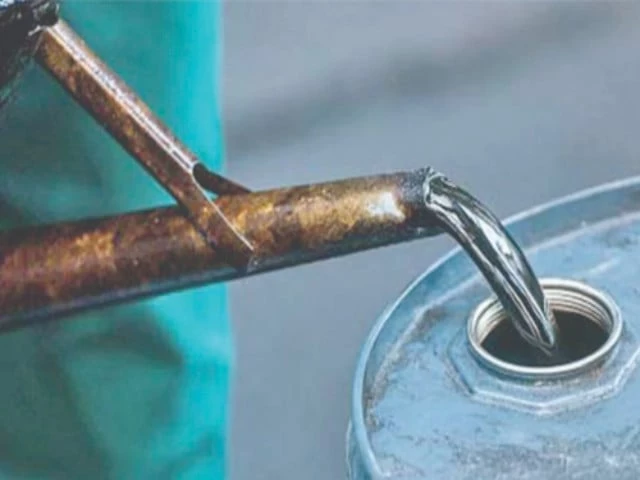
Pakistan’s oil market is fuelling the crisis | The Express Tribune
-

 Sports6 days ago
Pro wrestling star Steph De Lander reveals how colleague’s advice helped lead her to title triumph at ACW
-

 Entertainment6 days ago
Melania Trump says ABC should ‘take a stand’ on late-night host Kimmel
-

 Tech6 days ago
This Ambitious Laptop Doesn’t Leave Much Room for Your Hands
-

 Entertainment6 days ago
Norway joins Type 26 Frigate Programme to boost NATO naval power