

Business
Top stocks to buy today: Stock market recommendations for November 4, 2025 – check list – The Times of India


Stock market recommendations:According to Somil Mehta, Head – Alternate Research, Capital Market Strategy, Mirae Asset Sharekhan, the top stocks to buy today on November 4, 2025 are Prestige, and Sun Pharmaceutical Industries:Prestige – Buy in the range between Rs 1782 & Rs 1783; Stop Loss: Rs 1705; Target: Rs 1930Prestige has given a breakout of a small triangle pattern on the daily chart taken support at 10 daily moving average i.e. 1740 and the stock is expected to resume the uptrend. Momentum indicators have also given a positive crossover. Key resistance for the stock is 1810 & 1900 and support is at 1730.Sun Pharmaceutical Industries – Buy in the range between Rs 1706 & Rs 1707; Stop Loss: Rs 1640; Target: Rs 1830Sun Pharmaceutical Industries has been forming a small symmetrical Triangle pattern above 20 & 40 daily moving average and the stock is expected to resume the uptrend. Momentum indicators have also given a positive crossover. The stock has been consolidating in a broad range since last two weeks and has taken support at 20 daily moving average i.e. 1678, resuming the uptrend. The stock is expected to continue the up trend. Key resistance is at 1722 & 1748 and support is at 1670. (Disclaimer: Recommendations and views on the stock market, other asset classes or personal finance management tips given by experts are their own. These opinions do not represent the views of The Times of India)







Butter, chocolate, coffee and milk have all seen prices rocket. Tracing back through the story of one particular supermarket staple begins to explain why
Source link
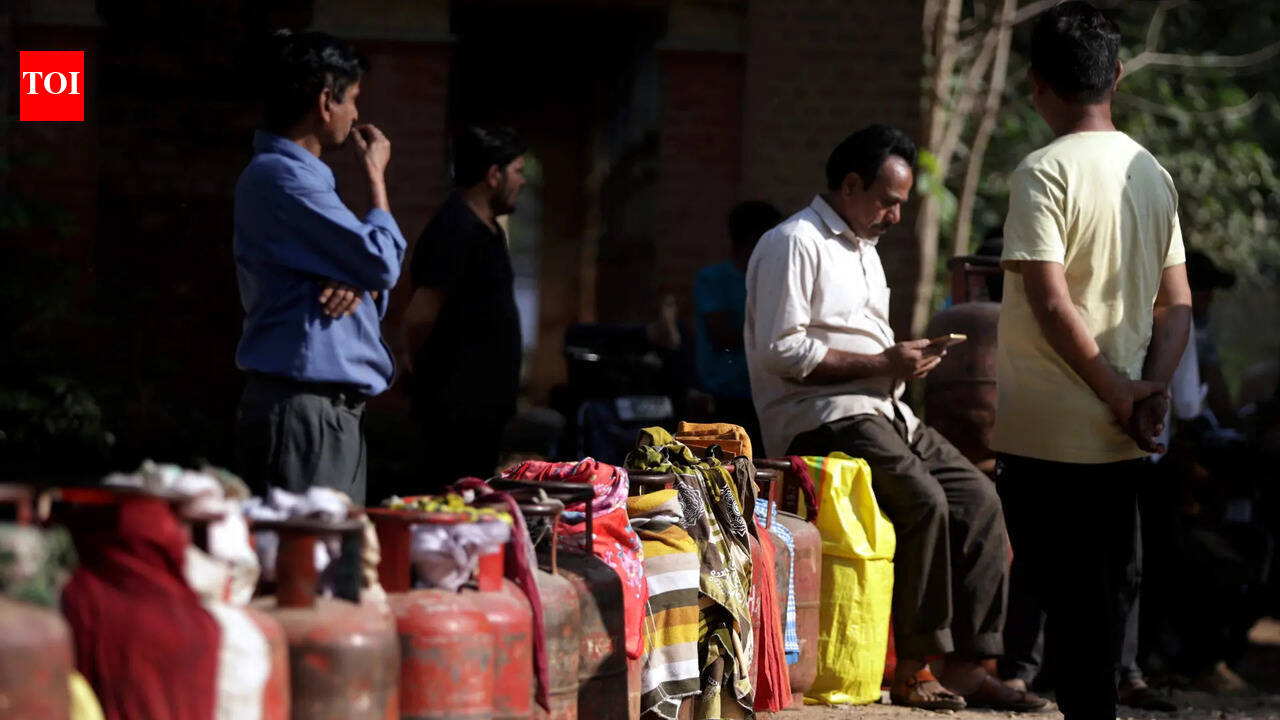
MUMBAI/BENGALURU: The restaurant industry is struggling to run regular operations due to the meagre supplies of LPG cylinders . With the govt’s move to hike commercial LPG allocation to up to 70%, it will take some time before the measure actually translates into sustained supply, executives said. “Supply is still hugely limited and erratic. A feeling of uncertainty looms large,” said Anurag Katriar, founder at Indigo Hospitality. The key question is how quickly this revised allocation will translate into on-ground availability, said Pradeep Shetty, vice-president at Federation of Hotel & Restaurant Associations of India (FHRAI).A walk along Indiranagar’s 12th Main, known for its cluster of independent restaurants, reflects the strain. “It is all hand-to-mouth at this point,” said Nikhil Gupta, who runs brands including The Pizza Bakery and Paris Panini . The move doesn’t directly help the restaurant sector which is still getting 20%-30% of LPG supplies, said Sagar Daryani, co-founder & CEO at Wow! Momo Foods and president at National Restaurant Association of India (NRAI). State-wise, the supply situation varies with some such as Maharashtra, Karnataka, Rajasthan restricting allocation for restaurants, hurting the sector , Daryani said.
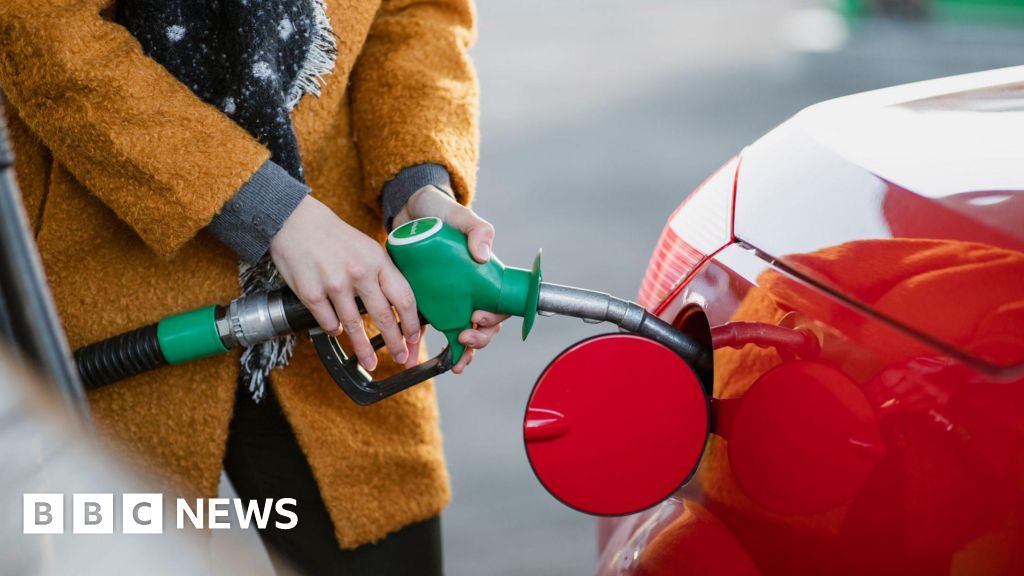
Motorists are facing higher fuel prices ahead of Easter break due to the conflict in the Middle East, the RAC says.
Source link


EU Parliament, Council reach deal on major reform of Customs Code
Why supermarket prices really became sky high in the UK

Which key Iranian figures have been assassinated in US-Israeli strikes?

-
 Business1 week ago
Flipkart group CFO to leave co amid IPO plans – The Times of India
-

 Fashion1 week ago
China’s textile & apparel exports surge 17% to $50 bn in Jan-Feb 2026
-
 Business1 week ago
Video: The Effects of High Oil Prices
-

 Sports1 week ago
Rating Adidas’ 2026 World Cup away shirts: Argentina, Spain, Mexico and more
-

 Fashion1 week ago
The hidden $1.62 war tax now embedded in every garment you source
-

 Sports1 week ago
American Conference Commissioner Tim Pernetti thanks Trump for Army-Navy game executive order
-
Tech1 week ago
The Corsair 4000D RS PC Case Keeps Your System Cool
-

 Tech1 week ago
‘Uncanny Valley’: Nvidia’s ‘Super Bowl of AI,’ Tesla Disappoints, and Meta’s VR Metaverse ‘Shutdown’