

Fashion
US’ Banana Republic launches Banana Republic Archive

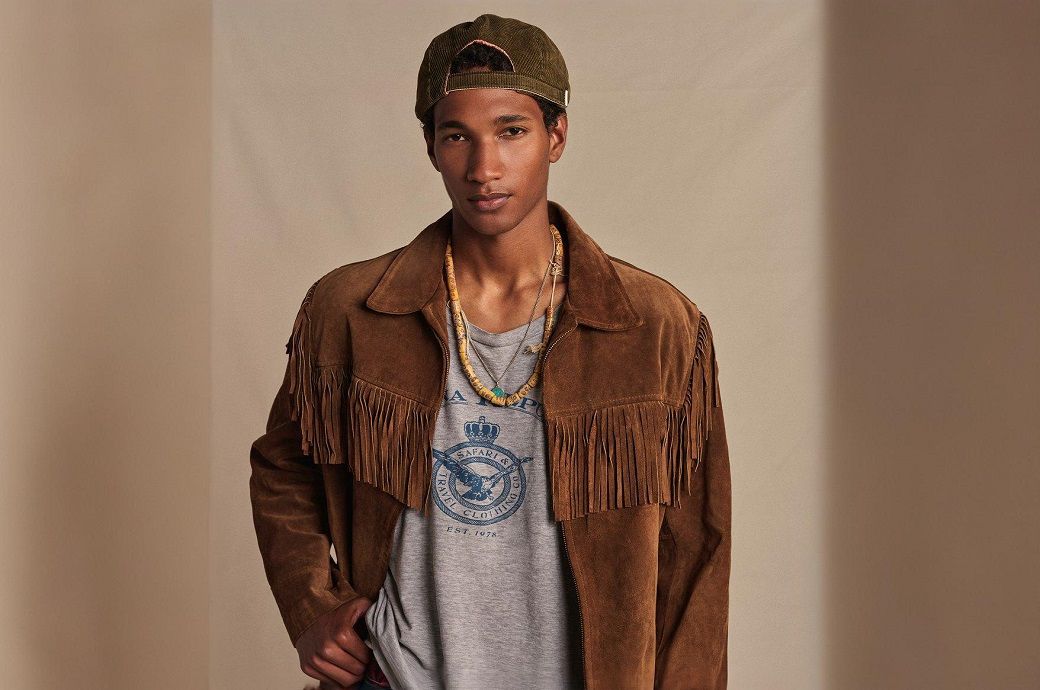
This Fall, Banana Republic unveils Banana Republic Archive, a new destination celebrating the brand’s most iconic vintage pieces from the ’70s, ’80s, and ’90s. Featuring limited-edition drops and immersive storytelling, Banana Republic Archive debuts alongside Abandoned Republic, a digital collection of catalogs and memorabilia built for lifelong fans and curious newcomers alike.
Banana Republic has launched Banana Republic Archive, a new platform celebrating its vintage icons from the ’70s–’90s with limited drops and storytelling, alongside Abandoned Republic, a digital catalogue trove.
The debut capsule, curated by stylist Marcus Allen, features 70 handpicked pieces, underscoring the brand’s heritage of adventure, craft, and timeless style.
“Banana Republic Archive reintroduces the spirit of adventure and craftsmanship that has defined us from the start. As a heritage brand, we celebrate one-of-a-kind pieces that let consumers express themselves, resurfacing timeless favorites that can be styled for today.” – Meena Anvary, Head of Marketing, Banana Republic
At a time when luxury is measured by purpose, craftsmanship, and stories, Banana Republic revisits its archives to spotlight silhouettes and details that remain timeless today. From aviator jackets and utility vests to cargo pants and linen shirts, Archive pieces underscore the adventurous spirit that has defined the brand since its founding in 1978 by journalist Mel Ziegler and illustrator Patricia Ziegler.
Launch Capsule Curated by Marcus Allen
Banana Republic Archive launches with a curated capsule by Marcus Allen, New York-based stylist, creative director, and founder of The Society Archive. Longtime champion of Banana Republic’s legacy, Allen brings a storyteller’s lens to the collection, framing garments as heirlooms that are rare, storied, and timeless.
The capsule features 70 hand-curated vintage pieces, including standouts like a Leather Aviator Jacket, 1992 Yellow Raincoat, Stone Irish Linen Shirt, and Denim Jumpsuit, alongside cargo vests, puffer vests, plaid flannel shirts, distressed tees, and utility pants.
“For me, vintage clothing is more about nostalgia, storytelling, and quality. This collection is about bringing those ideas forward with intention. Working with Banana Republic has allowed me to fuse iconic pieces from their archive with other interesting finds that represent a sense of place, permanence, and personal expression.” – Marcus Allen, Founder of The Society Archive
Available beginning September 25 at bananarepublic.gap.com and select stores, the capsule reflects Banana Republic’s commitment to authentic collaborations and honoring its heritage.
Preserving the Brand’s Creative Legacy
To deepen the storytelling, Banana Republic also announces the acquisition of Abandoned Republic, the fan-built archive curated by passionate archivist Robyn Adams. A digital trove of illustrated catalogs, witty copywriting, and original store imagery, the site will remain intact as part of Banana Republic Archive.
“Abandoned Republic began as a tribute to Banana Republic’s origin story. It is about honoring the stories, craft, and adventurous spirit that shaped the brand and allows us to share them with a new generation of curious minds. We acquired this site in recognition and appreciation of the remarkable work of its passionate archivists, ensuring their dedication continues to inspire and engage a broader community.” – Meena Anvary, Head of Marketing, Banana Republic
“I’m a collector at heart and I love the idea of building a community around a shared passion. The archive lets us hold on to what made Banana Republic special while opening the door for new fans to discover it. Turning catalogs, tags, and well-worn seams into living history keeps the brand’s heritage present and relevant.” – Robyn Adams, Founder of Abandoned Republic
Note: The headline, insights, and image of this press release may have been refined by the Fibre2Fashion staff; the rest of the content remains unchanged.
Fibre2Fashion News Desk (HU)








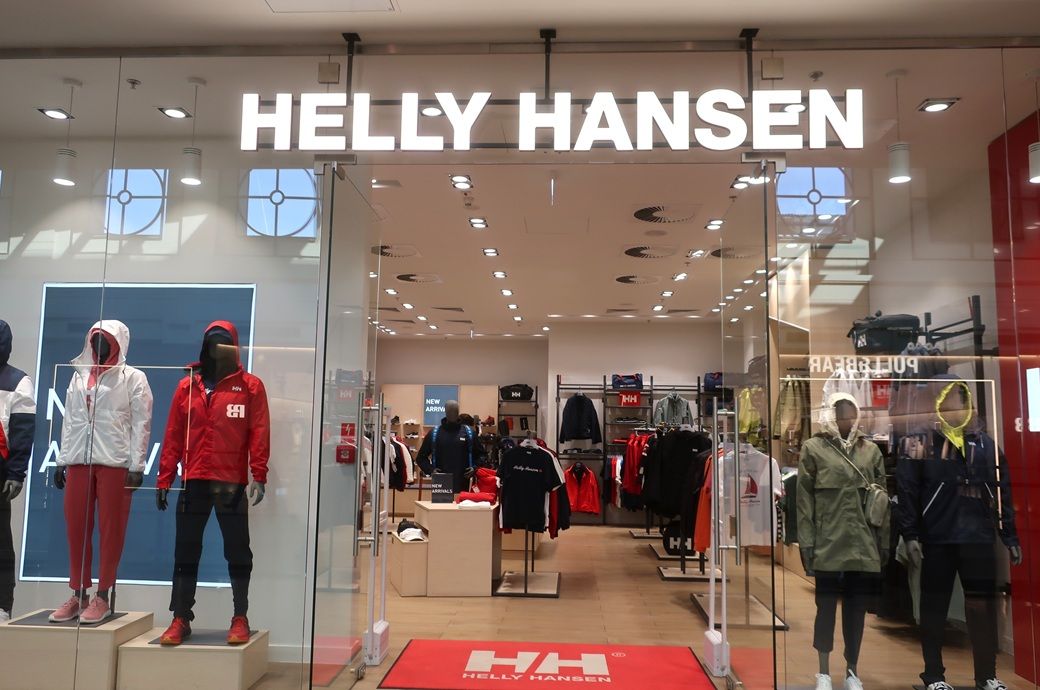
“We are thrilled to welcome Erinn Murphy to Kontoor Brands,” said executive vice president, chief financial officer & global head of operations, Joe Alkire. “Having led investor relations and corporate strategy from within a high-growth consumer brand and nearly twenty years of experience covering global lifestyle brands as a respected senior equity analyst, she understands what drives long-term value creation from every angle. Her perspective will expand the operational and strategic depth of the Helly Hansen leadership team as we focus on accelerating growth and expanding the brand’s global reach, while also strengthening how Kontoor engages with the investment community.”
Kontoor Brands has named Erinn Murphy VP, global head of finance & operations for Helly Hansen and Corporate Investor Relations, starting May in Oslo.
She joins from Crocs, Inc., bringing nearly two decades of experience across investor relations, strategy and equity research.
Michael Karapetian will expand his role and return in Q3 2026 to support transition and investor engagement.
Murphy joins Kontoor from Crocs, Inc., a global leader in innovative casual footwear, where she served as Senior Vice President, Investor Relations and Corporate Strategy. Prior to that, she served as Managing Director of Consumer Equity Capital Markets for leading investment bank, Piper Sandler. She was recently appointed as a member of the board of directors for Revolve Group, Inc. (NYSE: RVLV).
Murphy’s appointment coincides with an expanded role for Michael Karapetian, who will serve as Vice President, Global Brand & Operations Finance and Corporate Investor Relations, with responsibility for all aspects of global brand and supply chain finance and corporate investor relations. Karapetian will return from his international assignment at Helly Hansen in the third quarter of 2026 to allow for a transition period.
Note: The headline, insights, and image of this press release may have been refined by the Fibre2Fashion staff; the rest of the content remains unchanged.
Fibre2Fashion News Desk (RM)
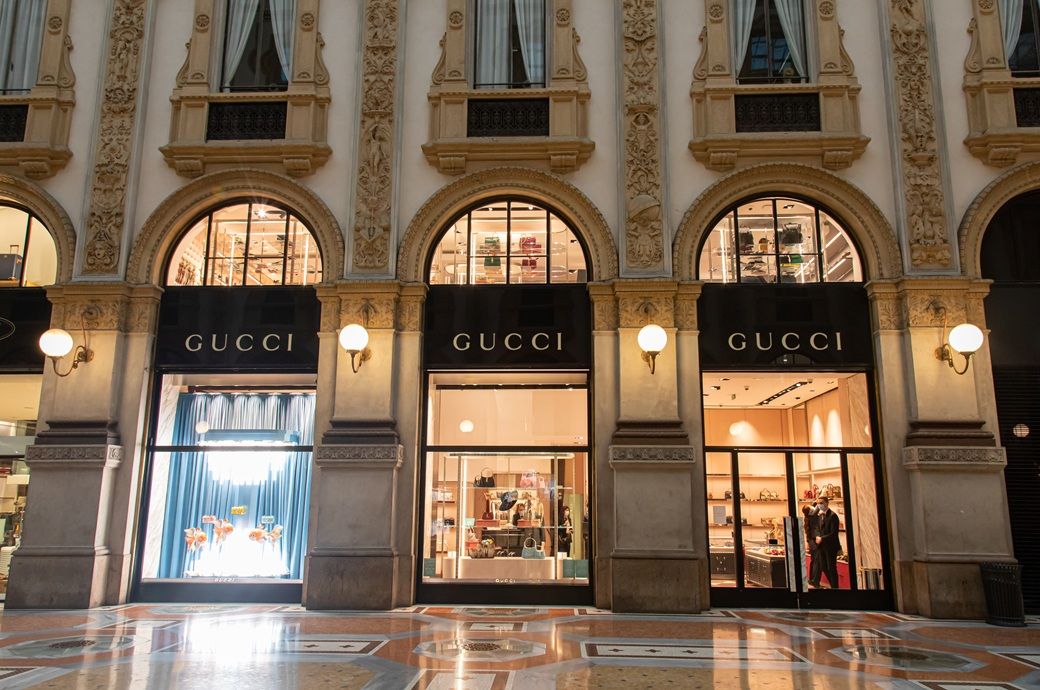
The group reported first-quarter (Q1) 2026 revenue of €3,568 million (~$4,210.24 million), down 6 per cent year-over-year (YoY) on a reported basis but stable on a comparable basis, signalling early signs of recovery despite geopolitical pressures.
Kering’s Q1 2026 revenue reached €3,568 million (~$4,210.24 million), down 6 per cent YoY but stable comparably, signalling early recovery.
Retail fell 2 per cent, while wholesale rose 6 per cent.
Fashion & Leather Goods sales went down 9 per cent.
Gucci declined 14 per cent to €1,347 million (~$1,589.46 million).
Middle East retail dropped 11 per cent, contributing 5 per cent of sales.
“In the first quarter of 2026, group revenue stabilised, marking an important first step in our recovery and a further sequential improvement. This performance reflects the first tangible effects of our actions, despite a challenging geopolitical environment,” said Luca de Meo, CEO of Kering.
Retail sales, including e-commerce, declined 2 per cent on a comparable basis, reflecting uneven regional demand. Wholesale revenue rose 6 per cent, Kering said in a press release.
Kering’s Fashion & Leather Goods posted a revenue of €2,852 million, down 9 per cent reported and 3 per cent comparable. Direct retail sales fell 4 per cent. Growth was driven by Saint Laurent, Bottega Veneta, Balenciaga and Brioni, particularly in North America.
Saint Laurent saw strong traction in shoes and ready-to-wear, while Bottega Veneta performed well in Asia-Pacific. Balenciaga continued to benefit from leather goods demand, and Brioni maintained positive momentum. Wholesale revenue for the segment increased 2 per cent.
Gucci posted €1,347 million (~$1,589.46 million) in revenue, down 14 per cent reported and 8 per cent comparable. Retail sales declined 9 per cent. North America grew 8 per cent, but this was offset by declines in Asia-Pacific and Western Europe.
“Gucci remains our top priority. A comprehensive turnaround is underway, with decisive actions across client, distribution and, above all, the offer,” added de Meo. “We have reset the product architecture and strengthened category focus, with new collections rolling out progressively in stores throughout the year.”
Regionally, the Middle East remains a key area of focus, contributing around 5 per cent of retail revenue. The Group operates 79 stores and employs approximately 1,100 people in the region. Retail revenue there declined 11 per cent in Q1 following earlier growth, amid geopolitical tensions. However, all stores are currently operational.
Kering continued to strengthen its operational structure and growth platforms during the quarter.
“The first quarter of 2026 marked continued progress, as we executed with pace and focus. We have launched a Group platform designed to support the growth of our Houses and enhance efficiency,” said de Meo.
Kering remains focused on restoring growth and improving margins in 2026 through disciplined execution and strategic repositioning.
Fibre2Fashion News Desk (SG)
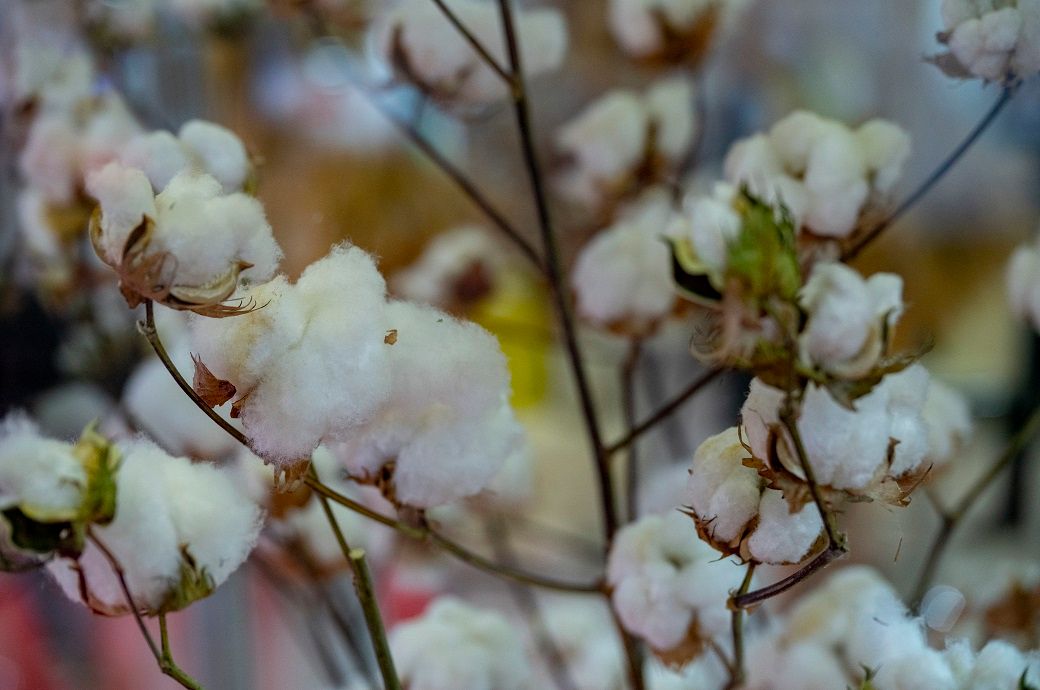
The May 2026 contract settled at 75.11 cents per pound, up 0.77 cent or 1 per cent. The most traded contract of July 2026 rallied 0.90 cent or 1.20 per cent to settle at 77.42 cents per pound. It had touched an intraday high of 77.75 cents, marking its highest level since July 2024. Other contracts also rose to reach a high level.
ICE cotton surged to a 22-month high, led by a weaker US dollar, firm crude oil and drought concerns in key US regions.
The July 2026 contract hit its highest since July 2024.
Strong trading volumes and rising synthetic fibre costs supported demand, while weather risks and macro factors kept market sentiment firmly bullish.
Deliverable stocks remained unchanged, signalling tight supply conditions.
Total trading volume was recorded at 98,489 contracts, reflecting strong participation and sustained buying interest.
Crude oil prices remained firm as supply disruption concerns persisted due to ongoing geopolitical tensions involving Iran. Markets reacted to mixed signals after statements indicating a possible end to the US-Iran conflict, but uncertainty kept oil prices supported. The conflict has effectively disrupted flows through the Strait of Hormuz, which handles nearly 20 per cent of global oil and gas shipments along with key commodities like fertilisers. Elevated crude oil prices are increasing polyester fibre production costs, thereby supporting cotton demand as a substitute fibre.
The US dollar index edged lower and traded in a narrow range as investors assessed the likelihood of renewed US-Iran negotiations. A weaker dollar made US cotton more competitive in global markets, providing additional support to export demand.
According to market analysts, high crude oil prices and rising synthetic fibre costs are key drivers supporting the cotton market, along with the impact of a weaker dollar.
The ongoing drought conditions in the United States also continued to pose risks to crop development unless weather conditions improve. Weather conditions in major US cotton-producing regions remain dry, reinforcing concerns over crop health, yield potential, and overall supply outlook.
ICE data showed that deliverable No. 2 cotton futures stocks remained unchanged at 159,512 bales as of April 14.
Broader financial markets showed strength, with the S&P 500 and Nasdaq closing at record highs driven by strong corporate earnings and optimism around geopolitical developments. CBOT wheat futures rose for the third consecutive session and have gained nearly 4 per cent so far this week due to drought conditions in the US Plains impacting crop prospects.
Cotton futures remain in a strong bullish phase with prices at multi-month highs, supported by macroeconomic factors such as a weaker dollar and firm crude oil, along with fundamental support from adverse US weather conditions. Market sentiment continues to favour further upside in the near term.
This morning (Indian Standard Time), ICE cotton for May 2026 was trading at 75.98 cents per pound (up 0.87 cent), cash cotton at 73.11 cents (up 0.77 cent), the July 2026 contract at 78.32 cents (up 0.90 cent), the October 2026 contract at 78.94 cents (up 1.37 cent), the December 2026 contract at 79.10 cents (up 0.75 cent) and the March 2027 contract at 79.85 cents (up 0.66 cent). A few contracts remained at their previous closing levels, with no trading recorded so far today.
Fibre2Fashion News Desk (KUL)


N.J. governor: FIFA should pay extra train costs to MetLife for World Cup

Bryan Cranston takes a jab at Shia LaBeouf: ‘Get Some Help’

Trump nominates Erica Schwartz as CDC director amid turmoil around leadership, vaccine policy

-

 Entertainment1 week ago
Queen Elizabeth II emotional message for Archie, Lilibet sparks speculation
-

 Tech1 week ago
Azure customers up in arms over ‘full’ UK South region | Computer Weekly
-

 Tech1 week ago
As the Strait of Hormuz Reopens, Global Shipping Will Take Months to Recover
-

 Fashion1 week ago
CII submits 20-pt agenda to Indian govt to back firms hit by Iran war
-

 Tech1 week ago
This AI Button Wearable From Ex-Apple Engineers Looks Like an iPod Shuffle
-

 Politics7 days ago
Indian airlines hit hardest after Dubai limits foreign flights until May 31
-

 Entertainment4 days ago
Palace left in shock as Prince William cancels grand ceremony
-

 Politics6 days ago
Chinese, Taiwanese will unite, Xi tells Taiwan opposition leader