

Fashion
US families paid $1,200 each in tariff costs in Feb-Nov: JEC-Minority

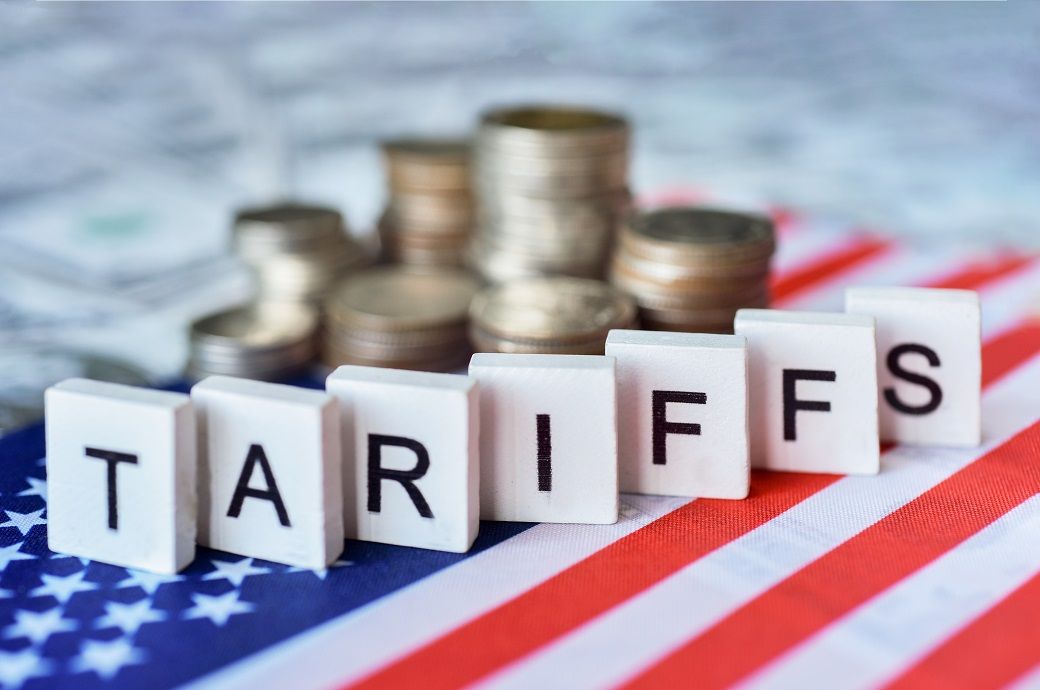
Combining Treasury Department data on the amount of tariff revenue collected across the first ten months of Trump’s term (February-November 2025) with independent private sector estimates of the per cent of each tariff dollar that is paid by American consumers, the Committee found that American consumers paid in total nearly $160 billion in tariff costs during the period.
American families have already paid nearly $1,200 each in tariff costs since President Donald Trump took office, according to estimates presented in a new report by the Joint Economic Committee (JEC)-Minority.
If monthly tariff costs remain as high as they were in November over the next 12 months, families will pay an average of $2,100 per year due to tariffs, it noted.
“While President Trump promised that he would lower costs, this report shows that his tariffs have done nothing but drive prices even higher for families,” said Senator Maggie Hassan, ranking member of the Committee.
“At a time when both parties should be working together to lower costs, the President’s tax on American families is simply making things more expensive,” he noted in a release.
This tax on American consumers is already creating significant challenges for families, and studies suggest that families will pay an even greater share of tariff costs in the future, the report found.
If monthly tariff costs remain as high as they were in November over the next 12 months, families will pay an average of $2,100 per year due to tariffs, it added.
Fibre2Fashion News Desk (DS)











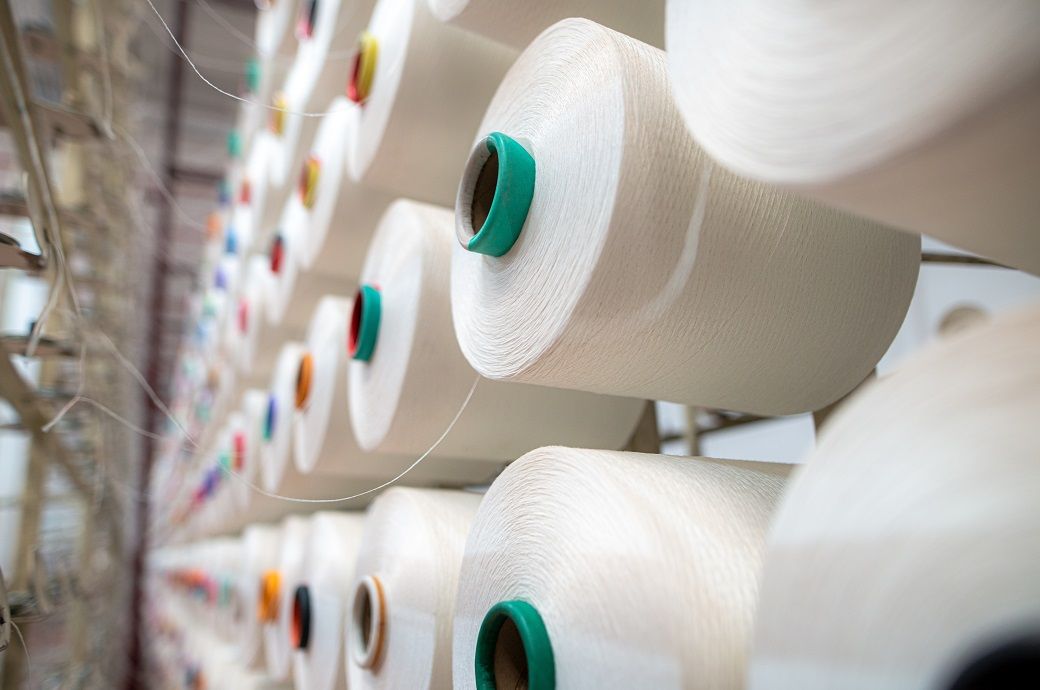
The investigation, initiated in March ****, covered the period from October **** to September **** and was based on a petition filed by Indorama India Private Limited. The authority found that dumped imports from the subject countries had caused material injury to the domestic industry, as per notification issued in this regard by the DGTR.
The product under consideration includes elastomeric filament yarn of all deniers, commonly known as spandex or elastane, widely used in stretch garments such as hosiery, activewear and innerwear. However, certain categories have been excluded, including coloured yarn (except black), elastomeric yarn on beam, LYCRA branded products, and yarn used in diapers.
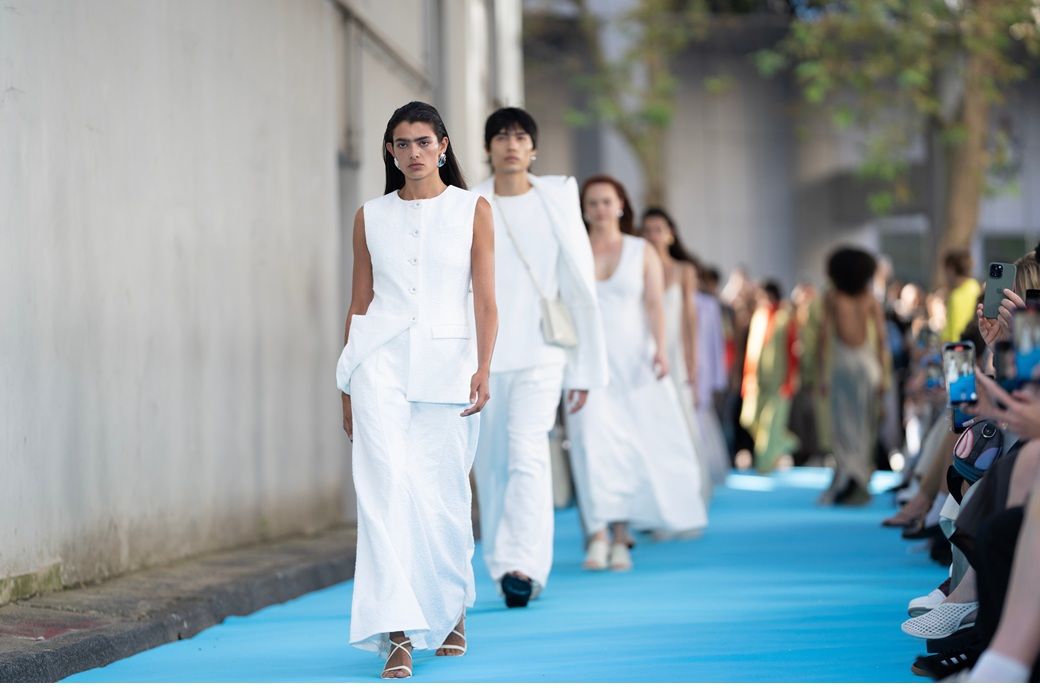
The ten-year strategy is the result of almost a year of industry consultation led by the AFC and R.M.Williams, including 14 national consultations with manufacturers, brands, educators and policymakers across the country. More than 300 stakeholders contributed to the process, generating over 1,000 proposed initiatives and nearly 900 votes on strategic priorities to shape the sector’s long-term manufacturing future.
The Australian Fashion Council and R.M.Williams have launched the National Manufacturing Strategy for Australian Fashion and Textiles 2026–2036, a ten-year roadmap to rebuild Australia’s textile, clothing and footwear manufacturing.
Developed through national industry consultations, it aims to strengthen domestic capability, advanced manufacturing and fibre value chains.
The strategy comes at a critical time for the industry. With 97 per cent of Australia’s clothing and textile products manufactured offshore, the sector remains vulnerable to ongoing global supply disruptions and trade volatility. Rather than compete against high-volume offshore manufacturing markets, the strategy is focussed on closing structural gaps and accelerating advanced manufacturing to scale the sector’s comparative advantage, aiming to position Australia to compete globally in premium, technology-enabled and traceable production, built on the country’s natural fibre strengths, AFC said in a press release.
Independent modelling by RMIT University and RPS projects that full implementation of the Strategy’s co-ordinated policy platform will grow TCF manufacturing value added from $2.6 billion to $2.9 billion by 2030/31, delivering a cumulative $1.4 billion economic dividend over five years. The Strategy is also projected to create more than 1,000 new skilled jobs and $864 million in additional wages, with approximately half of those jobs are projected to be filled by women.
“This Strategy sets out a clear roadmap for rebuilding a globally competitive Australian fashion and textile manufacturing sector. Australia already has exceptional design talent, advanced manufacturing capability and globally recognised brands. With the right coordination across industry, skills and procurement policy, we have a real opportunity to strengthen sovereign capability, create skilled jobs and position Australia as a leader in premium manufacturing,” said Marianne Perkovic, executive chair, Australian Fashion Council.
“Australia is the world’s largest exporter of greasy wool and a globally significant cotton producer. Yet we export raw fibre and import finished goods at multiples of the original value. Re-establishing fibre processing and spinning capability restores the missing link in our value chain,” Samantha Delgos, general manager, Australian Fashion Council said.
“R.M.Williams has manufactured in Adelaide for more than 90 years. We employ skilled craftspeople, invest in apprentices and continue to modernise production while competing globally. What’s needed now is to activate a flywheel: demand enables investment in skills, skills enable advanced manufacturing, and technology allows Australian manufacturers to scale while maintaining quality,” Tara Moses, chief operating officer, R.M.Williams.
The strategy will be led by the Australian Fashion Council and its progress will be evaluated through a two-stage assessment framework.
The first stage, the Implementation Review (to 2029), will assess progress in establishing the key foundations of the strategy, including procurement reform, national capability mapping, skills recognition pilots, shared manufacturing infrastructure, and governance arrangements to co-ordinate delivery. The second stage, the Strategic Outcomes Review (to 2036), will evaluate long-term progress toward the strategy’s goal of building a competitive, technology-enabled, and domestically anchored manufacturing sector supported by a sustainable workforce pipeline and a globally recognised market position.
Fibre2Fashion News Desk (RR)
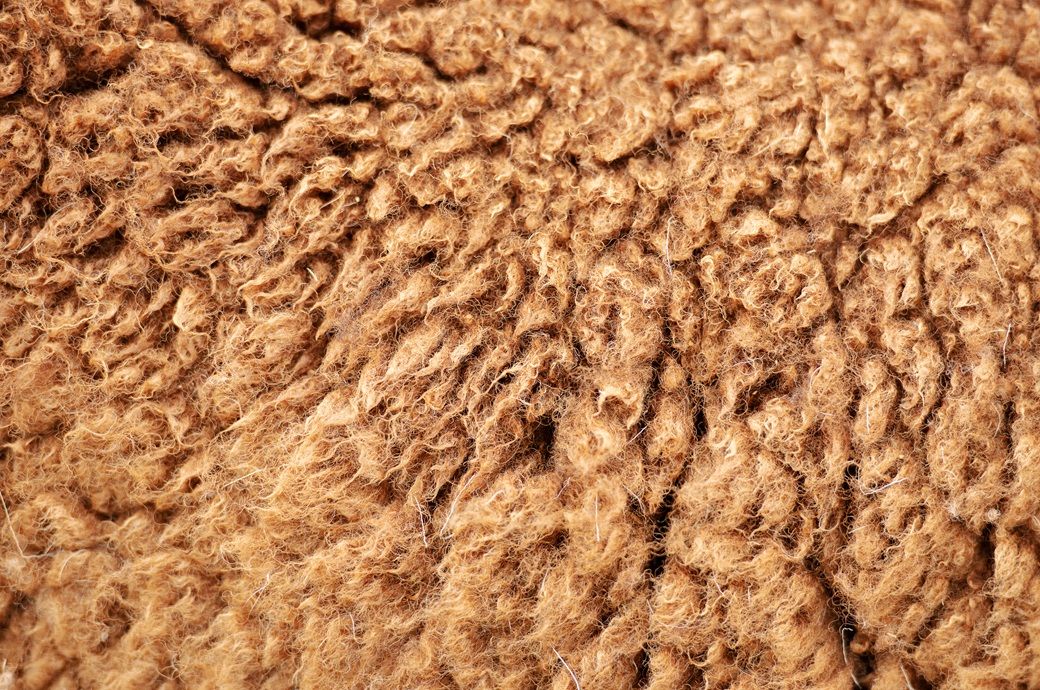
According to Australian Wool Innovation (AWI) commentary for week 38 (March 2026), the Eastern Market Indicator (EMI) fell by 32 Australian cents/kg, while the Western Market Indicator (WMI) dropped more sharply by 69 cents, signalling comparatively weaker conditions in Fremantle.
Australia’s wool market declined this week, ending a recent rally as weaker buyer sentiment and margin pressures weighed on prices.
The EMI fell 32 cents and WMI dropped 69 cents, led by losses in Merino wools.
Softer demand, higher supply, and a stronger Australian dollar pressured the market, though selective buying for quality lots persisted.
“Losses were led by medium Merino wools, which fell 70–75 cents in the eastern centres and 85–90 cents in the west. Finer Merino types also declined by 45–60 cents across all regions. Crossbred wool prices eased by 25–30 cents. In the carding segment, eastern markets remained steady to 5 cents higher, while Fremantle saw a sharper fall of around 45 cents,” the AWI Limited said in its Commentary.
The uniform decline across Merino fleece categories points to a broader pullback in buyer demand rather than isolated weakness. This follows several weeks of strong gains after the Chinese New Year period, with much of the earlier purchases still moving through processing and manufacturing stages.
Market sentiment this week reflected growing caution among exporters and processors facing tighter margins due to rising input costs. Increased wool offerings further reduced buyer urgency, while a firmer Australian dollar added pressure on export competitiveness, the AWI commentary noted.
Despite the overall softer trend, demand remained relatively firm for well-prepared, lower-risk lots, indicating that buyers are becoming more selective rather than exiting the market entirely.
Industry observers view the current downturn as a phase of consolidation, with the market testing resistance levels after recent gains, rather than signalling a fundamental shift in demand.
Looking ahead, all three auction centres will operate on a Tuesday-Wednesday schedule next week, with 40,909 bales expected to be offered.
Market direction will depend on the trade’s ability to absorb current supply levels and navigate prevailing cost pressures.
Fibre2Fashion News Desk (CG)


India may impose up to $2/kg anti-dumping duty on spandex yarn

Virginia’s Anna Moesch wins 1st career NCAA individual title
10-yr strategy launched for Australian fashion & textile manufacturing

Stock market crash today (March 12, 2026): Nifty50 opens below 23,600; BSE Sensex down over 900 points on continuing US-Iran war – The Times of India

UK’s Topshop unveils Tolu Coker capsule collection
US ignites Iran war, but Gulf Arab states pay the price | The Express Tribune

-
Business1 week ago
Stock market crash today (March 12, 2026): Nifty50 opens below 23,600; BSE Sensex down over 900 points on continuing US-Iran war – The Times of India
-
Business1 week ago
US ignites Iran war, but Gulf Arab states pay the price | The Express Tribune
-
 Fashion1 week ago
UK’s Topshop unveils Tolu Coker capsule collection
-

 Fashion1 week ago
India’s textile recycling market may reach $3.5 bn by 2030: Report
-

 Tech1 week ago
Meta Developed 4 New Chips to Power Its AI and Recommendation Systems
-

 Sports1 week ago
Bangladesh crush Pakistan in ODI series opener | The Express Tribune
-
 Business1 week ago
8th Pay Commission: How Much Will Central Govt Employees’ Salaries Rise? What We Know So Far
-

 Entertainment1 week ago
Ed Sheeran makes surprising Benny Blanco confession after hygiene uproar