

Fashion
US import volumes set to dip below 2 mn TEUs in 2025 amid high tariffs

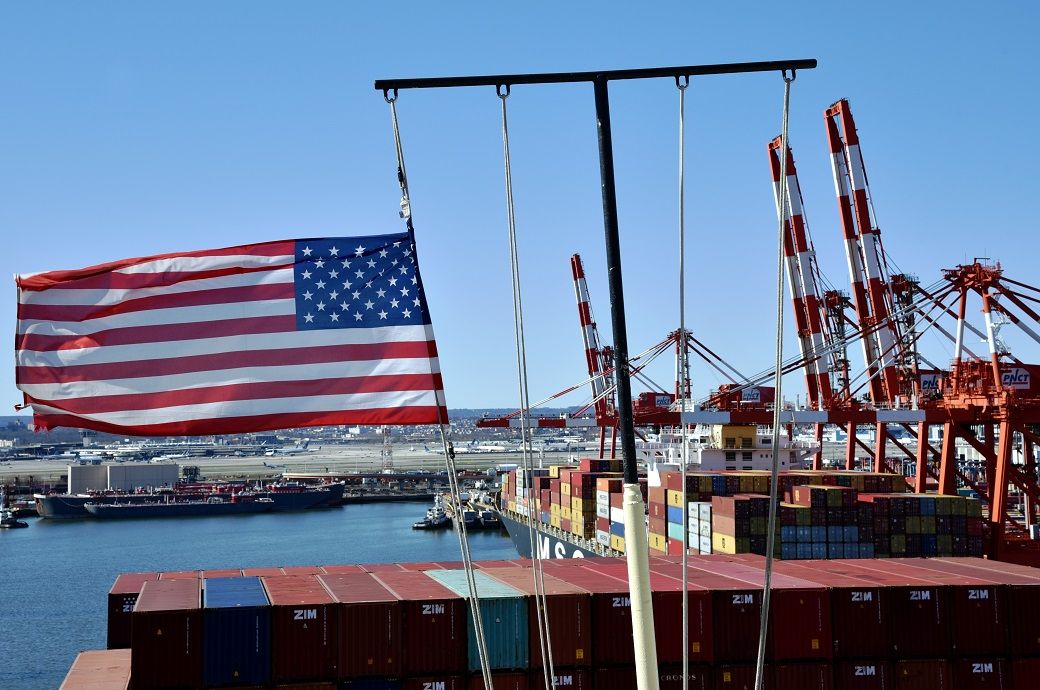
The latest tariffs—25 per cent on upholstered furniture regardless of country and the same rate on kitchen cabinets and bathroom vanities—are set to take effect next week and increase in January. And a tariff increases on imports from China that was delayed by 90 days in August is scheduled to go into effect November 10, unless a deal is reached or President Donald Trump decides on another delay, NRF said in a press release.
“This year’s peak season has come and gone, largely due to retailers frontloading imports ahead of reciprocal tariffs taking effect,” said Jonathan Gold, vice president for supply chain and customs policy at NRF. “New sectoral tariffs continue to be announced, but most retailers are well-stocked for the holiday season and doing as much as they can to shield their customers from the costs of tariffs for as long as they can.”
US import cargo volumes at major ports are expected to drop below 2 million TEU monthly for the rest of 2025 as tariffs rise and retailers remain well-stocked, according to the NRF and Hackett Associates.
Peak season imports have passed, with October to December volumes projected to fall up to 19 per cent YoY, reflecting early shipments and ongoing tariff uncertainty.
“Ongoing volatility in US tariff policy is creating significant economic uncertainty, with trade volumes expected to see unpredictable shifts over the next four to six months,” said Ben Hackett founder of Hackett Associates. “Many large companies pre-emptively imported goods to build up inventories, but as those stockpiles are depleted, the full inflationary impact of the tariffs will become apparent.”
US ports covered by Global Port Tracker handled 2.32 million TEU—one 20-foot container or its equivalent—in August. That was down 2.9 per cent from July’s 2.39 million TEU—the peak month for the year—but up 0.1 per cent year over year (YoY).
Ports have not yet reported numbers for September, but Global Port Tracker projected the month at 2.12 million TEU, down 6.8 per cent year over year.
October is forecast at 1.97 million TEU, down 12.3 per cent YoY, and November at 1.75 million TEU, down 19.2 per cent. December is forecast at 1.72 million TEU, down 19.4 per cent YoY for the slowest month since 1.62 million TEU in March 2023.
While the falling monthly totals are related to tariffs, the YoY percentage declines are both because of this year’s early peak season and because imports in late 2024 were elevated by concerns over port strikes, added the release.
The first half of 2025 totalled 12.53 million TEU, up 3.7 per cent year over year. The full year is forecast at 24.79 million TEU, down 2.9 per cent from 25.5 million TEU in 2024.
January 2026 is forecast at 1.87 million TEU, down 16.1 per cent year over year, and February 2026 is forecast at 1.77 million TEU, down 12.8 per cent.
Fibre2Fashion News Desk (SG)









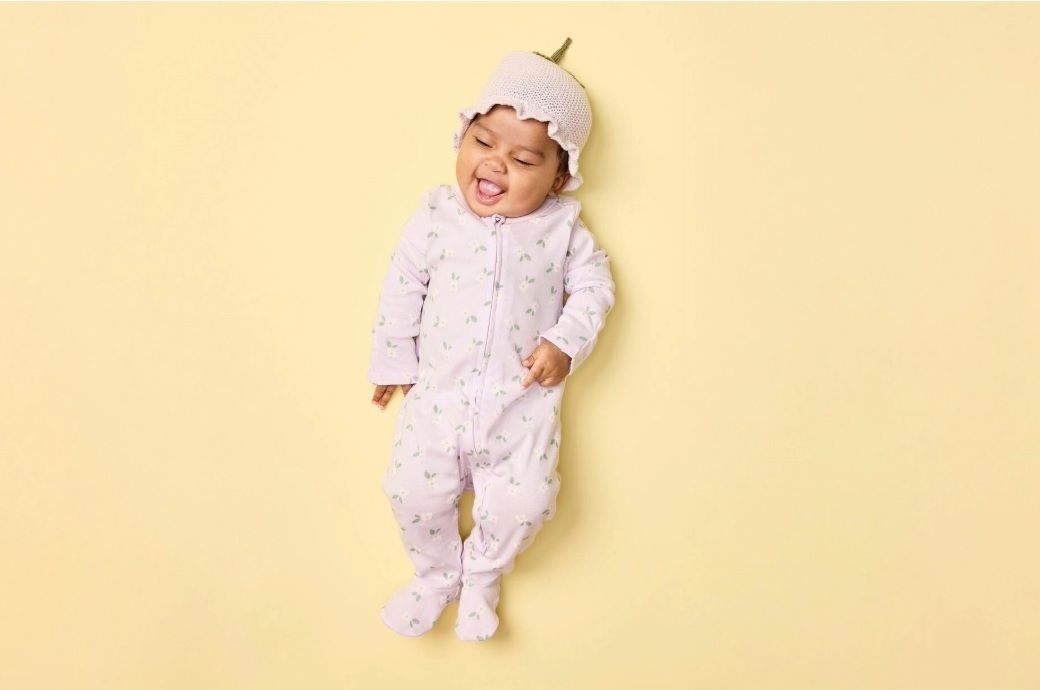
“We designed this collection with parents in mind. Shopping for a newborn, as a gift or for your own, should feel joyful and easy. Everything is intended to be mixed together and matched — it’s fun, it’s emotional, and the value is incredible.”. – Sarah Holme, Head of Design & Product Development for Old Navy.
Old Navy has introduced Little Navy, a new collection of newborn essentials designed to simplify early-stage shopping and gifting.
The range includes layettes, hats, booties and mix-and-match basics in soft, seasonless colours and cosy fabrics.
Sized for babies up to 24 months, the line focuses on comfort, versatility, emotional appeal and strong value for modern parents.
Little Navy goes beyond onesies, offering layettes, hats, booties, and more, all in one convenient collection and no extra searching required. It features a soft, seasonless color palette, cozy fabrics, and versatile styles made for newborns and babies up to 24 months, with sizing that allows Little Navy to grow with baby.
Note: The headline, insights, and image of this press release may have been refined by the Fibre2Fashion staff; the rest of the content remains unchanged.
Fibre2Fashion News Desk (RM)
They said bank audit procedures have stalled numerous applications. Around Tk 57 billion in incentives for the textile and apparel sector remain unsettled in fiscal 2025-26, creating acute liquidity pressure and affecting exports.
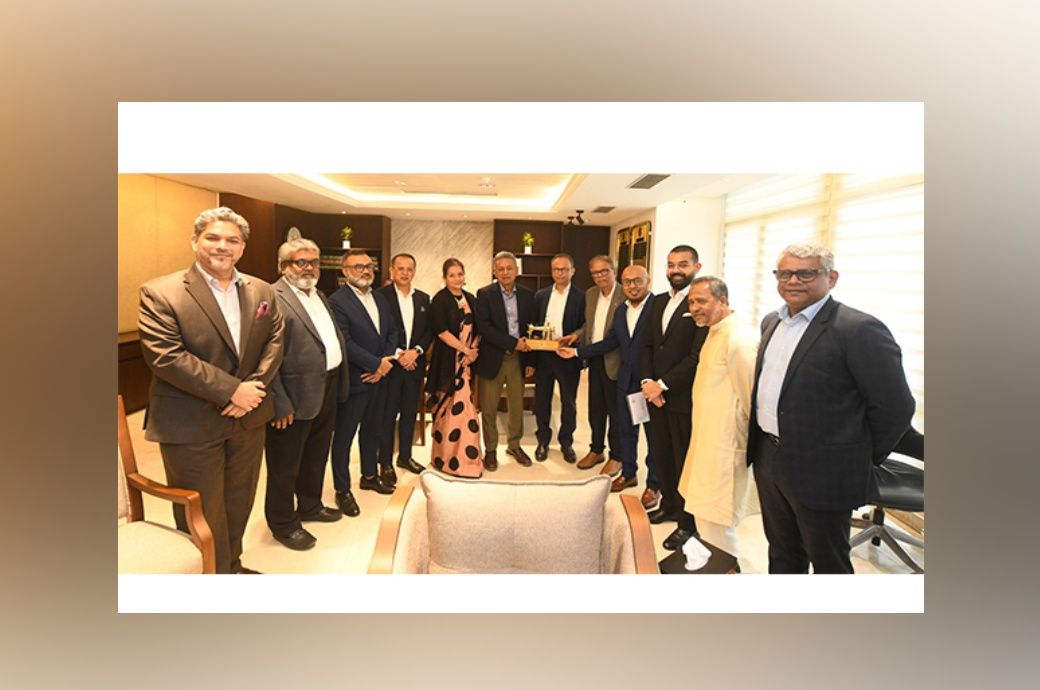
Bangladesh trade body BGMEA representatives recently met Finance Minister Amir Khasru Mahmud Chowdhury and urged him to release pending cash incentives without waiting for quarterly release schedules and simplify the disbursement process.
They said bank audit procedures have stalled numerous applications.
They also raised concerns over loan rescheduling and working capital.
The authorities were requested to disburse incentives upon application submission instead of waiting for quarterly release schedules, according to a release from the trade body.
BGMEA vice president Mohammad Shihab Uddoja Chowdhury raised concerns over loan rescheduling and working capital. He said banks often reschedule loans to maintain non-performing loan ratios, but fail to provide the working capital factories need to resume operations.
He proposed that banks pair rescheduling with working capital support to create a win-win outcome, allowing factories to operate and repay loans. The finance minister agreed with the proposal.
BGMEA leaders also called for business facilitation and lower operational costs to help Bangladesh remain competitive in the global market. They sought policy support to remove obstacles in customs, ports and other administrative layers and to ensure an investment-friendly environment.
Fibre2Fashion News Desk (DS)

Bangladesh think tank Centre for Policy Dialogue has called for major reforms in business environment, tax collection, trade deals and FDI management, cautioning that the country’s post-election economic transition may be at risk without evidence-based decisions and strong accountability.
A CPD study identified ‘leaking revenue’ as the weakest area across all decision-making indicators.
Source link


What Is That Mysterious Metallic Device US Chief Design Officer Joe Gebbia Is Using?

Justin Timberlake legally attacks Long Island over driving footage

The ‘European’ Jolla Phone Is an Anti-Big-Tech Smartphone

-
 Business6 days ago
Households set for lower energy bills amid price cap shake-up
-

 Politics5 days ago
What are Iran’s ballistic missile capabilities?
-

 Entertainment1 week ago
Talking minerals and megawatts
-
 Business6 days ago
Lucid widely misses earnings expectations, forecasts continued EV growth in 2026
-

 Sports1 week ago
Eileen Gu comments on Alysa Liu’s historic gold medal
-

 Tech6 days ago
Here’s What a Google Subpoena Response Looks Like, Courtesy of the Epstein Files
-
 Business6 days ago
Income Tax Draft Rules 2026: Key Changes On How And When Pan Card Will Be Required?
-

 Politics1 week ago
Supreme Court ruling angers Trump: Global tariffs to rise from 10% to 15%