

Fashion
Wacoal opens premium lingerie store at Oberoi Mall in Mumbai

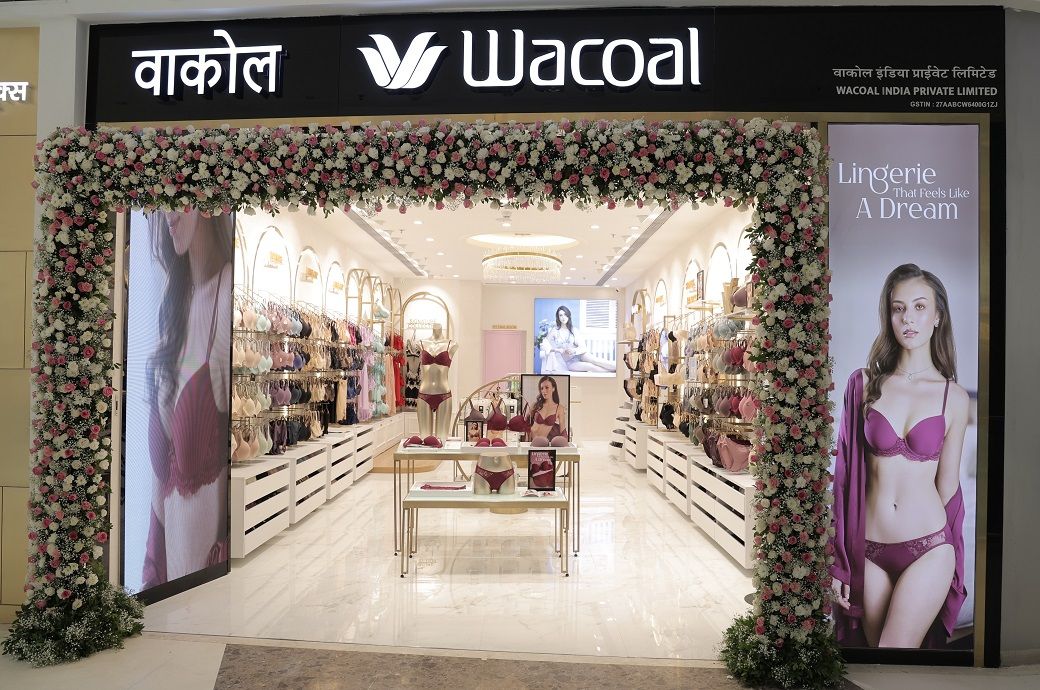
Strategically located in one of Mumbai’s most visited lifestyle hubs, the new store is set to cater to the dynamic preferences of women in the Goregaon region, ranging from busy professionals to modern brides and style-conscious shoppers preparing for the festive and wedding season.
Wacoal has opened a 780 square feet store at Oberoi Mall, Goregaon, strengthening its Mumbai presence after recent launches at Phoenix Palladium and Sky City Mall.
Featuring everyday essentials, bridal lingerie, seasonal fashion, sleepwear, and AW’25 collections, the store blends premium design, comfort, and fit, with trained experts offering personalised assistance.
“Wacoal is more than just lingerie, it’s about empowering women through confidence and comfort,” said Ms. Pooja Merani, COO, Wacoal India. “Our presence at Oberoi Mall brings us closer to a vibrant, urban audience that seeks thoughtful designs, and superior fit. With the festive and bridal season approaching, this store allows us to better serve women looking for everyday comfort as well as indulgent, occasion-specific pieces.”
“We are delighted to open yet another store in Mumbai, a city that continues to inspire us with its diversity and dynamism,” shared Mr. Hirokuni Nagamori, CEO, Wacoal India. “The new Oberoi Mall store reflects Wacoal’s core promise of offering premium lingerie with unmatched comfort, quality, and fit. We are committed to providing every woman with an elevated innerwear experience, one that empowers her daily and celebrates her individuality.”
Spanning 780 sq. ft., the store has been thoughtfully designed to enhance customer flow and provide a seamless shopping experience. Beyond its private fitting rooms and sleek interiors, the layout includes intuitive product zoning and digital displays highlighting the latest collections and campaign visuals, adding a layer of visual storytelling to the space. Dedicated assistance from trained fit experts ensures each woman finds her ideal size and style with ease.
The Oberoi Mall store will showcase an elevated selection of Wacoal’s everyday essentials and signature collections, including BASICS, bridal lingerie, seasonal fashion drops, sleepwear, and loungewear. With an emphasis on luxurious fabrics, innovative design, and fit-first philosophy, the brand continues to offer something for every body type, mood, and moment. The store also features the latest Autumn/Winter 2025 (AW’25) season launches, giving shoppers early access to the newest styles and trends.
Wacoal’s retail strategy in India remains focused on deepening its presence in key metros while expanding across emerging cities. With 18 exclusive stores now operational across the country and more in the pipeline, the brand is steadily expanding its reach while complementing its strong digital and multi-brand outlet presence.
As it strengthens its footprint in India, Wacoal remains committed to delivering intimate wear that celebrates individuality, craftsmanship, and the evolving lifestyles of modern Indian women.
Note: The headline, insights, and image of this press release may have been refined by the Fibre2Fashion staff; the rest of the content remains unchanged.
Fibre2Fashion News Desk (RM)









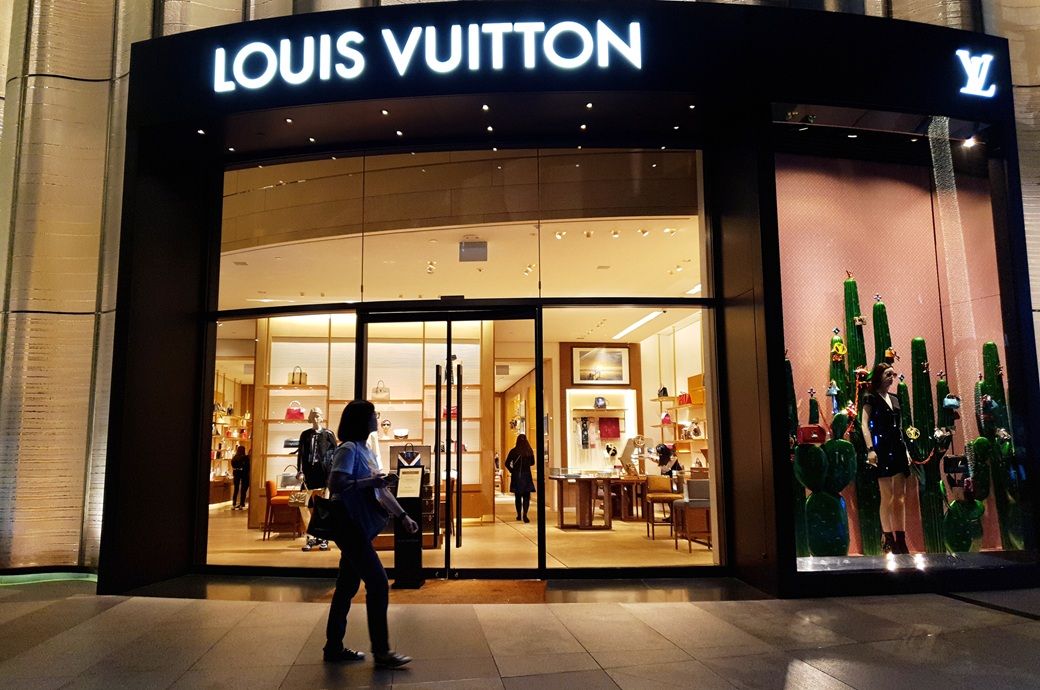
The group has reported revenue of €19.1 billion (~$22.54 billion) in Q1, a decline of 6 per cent year-on-year (YoY) due to adverse currency effects of 7 per cent. It delivered modest organic growth of 1 per cent, with the conflict alone weighing on growth by around 1 per cent during the quarter.
France’s LVMH has reported a resilient Q1 2026 performance despite geopolitical tensions and Middle East disruptions.
Revenue declined 6 per cent YoY due to currency effects, while organic growth remained marginal.
Strong demand in the US and Asia supported performance, though Fashion & Leather Goods saw a dip.
Sephora drove retail growth.
The group remains optimistic, backed by global diversification.
Regionally, performance remained mixed but broadly stable. The US recorded a strong start to the year, reflecting steady consumer demand. Europe and Japan benefited from resilient local consumption, which helped offset weaker tourist flows. Asia, excluding Japan, posted robust growth, confirming the recovery trend that began in the second half of 2025. However, the Middle East experienced a slowdown in March after a strong start, as escalating tensions disrupted consumer activity and tourism, LVMH said in a press release.
Across business segments, Fashion & Leather Goods, the group’s largest revenue contributor, declined by 2 per cent on an organic basis, impacted by the Middle East disruption. Nevertheless, leading maisons continued to reinforce brand desirability and innovation. Louis Vuitton marked the 130th anniversary of its Monogram canvas with global activations and new flagship openings, while Dior saw strong consumer response to new collections, including designs by Jonathan Anderson. Loro Piana maintained excellent performance, and creative transitions at Celine, Loewe, Givenchy and Fendi signalled ongoing portfolio renewal.
Selective Retailing recorded organic growth of 4 per cent, driven primarily by Sephora’s continued global expansion and market share gains. The brand strengthened its presence, particularly in the United Kingdom, while DFS undertook strategic restructuring, including agreements to divest certain operations in Greater China and US airport locations. Le Bon Marché maintained its differentiation strategy through curated events and retail experiences.
Despite persistent macroeconomic uncertainty and geopolitical disruptions, LVMH remains cautiously optimistic. The group continues to focus on innovation, brand development and selective distribution, leveraging its diversified portfolio and balanced geographic exposure. Backed by strong creative momentum and sustained investment, LVMH aims to reinforce its global leadership in luxury goods throughout 2026, added the release.
Fibre2Fashion News Desk (SG)
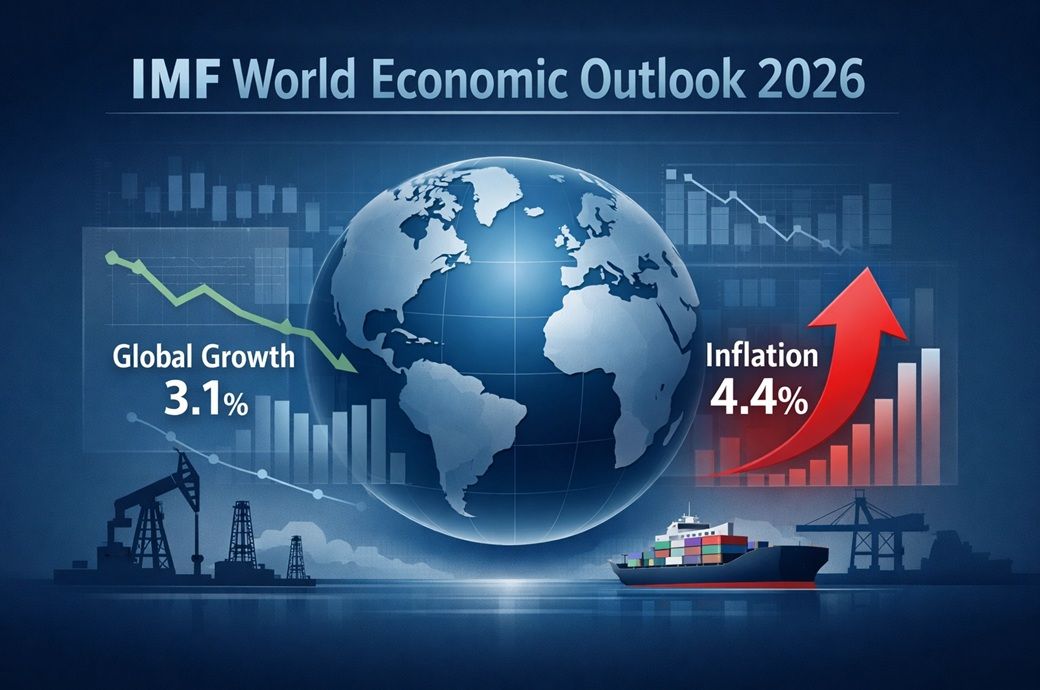
It projected that global growth will stabilise at this level in the medium term, below its historical (2000–19) average of 3.7 per cent.
Assuming that the Iran war will have limited duration, intensity and scope, and the disruptions will fade by mid-2026, global growth is projected to be 3.1 per cent in 2026 and 3.2 per cent in 2027, according to the IMF’s World Economic Outlook.
Global headline inflation is expected to rise to 4.4 per cent in 2026 and decline to 3.7 per cent in 2027, marking upward revisions for both years.
The forecast for 2026 is revised downward by 0.2 percentage point and that for 2027 is unchanged, compared with those in the January 2026 WEO Update.
Global headline inflation is expected to increase to 4.4 per cent in 2026 and decline to 3.7 per cent in 2027, marking upward revisions for both years.
Under an adverse scenario with larger and more persistent increases in energy prices, global growth would slow further to 2.5 per cent in 2026, and inflation would reach 5.4 per cent.
Under a more severe scenario in which there is more damage to energy infrastructure in the conflict region, the impact would be even larger: Global growth would be cut to only about 2 per cent in 2026, while headline inflation would be just above 6 per cent by 2027. The impact on emerging market and developing economies would be almost twice that on advanced economies under such a scenario.
Downside risks dominate the outlook. A longer or broader conflict, worsening geopolitical fragmentation, a reassessment of expectations surrounding artificial intelligence (AI)-driven productivity, or renewed trade tensions could significantly weaken growth and destabilise financial markets.
Elevated public debt and eroding institutional credibility further heighten vulnerabilities. At the same time, activity could be lifted if productivity gains from AI materialise more rapidly or trade tensions ease on a sustained basis.
Fostering adaptability, maintaining credible policy frameworks, and reinforcing international cooperation are essential to navigating the current shock while preparing for future disruptions in an increasingly uncertain global environment, the report noted.
Scaling up of defence spending prompted by a rise in geopolitical tensions could boost economic activity in the short term, but also bring about inflationary pressures, weaken fiscal and external sustainability, and risk crowding out social spending, which could in turn ignite discontent and social unrest.
The report recommended that governments rebuild buffers for future shocks by mobilising revenues, reprioritising expenditures, improving spending efficiency and managing windfalls prudently.
A second priority is addressing domestic imbalances, especially when doing so also helps reduce excessive external imbalances. Actions aimed at removing domestic distortions—through fiscal, structural, and industrial policies—can simultaneously narrow external imbalances while enhancing global output, added the report.
Fibre2Fashion News Desk (DS)
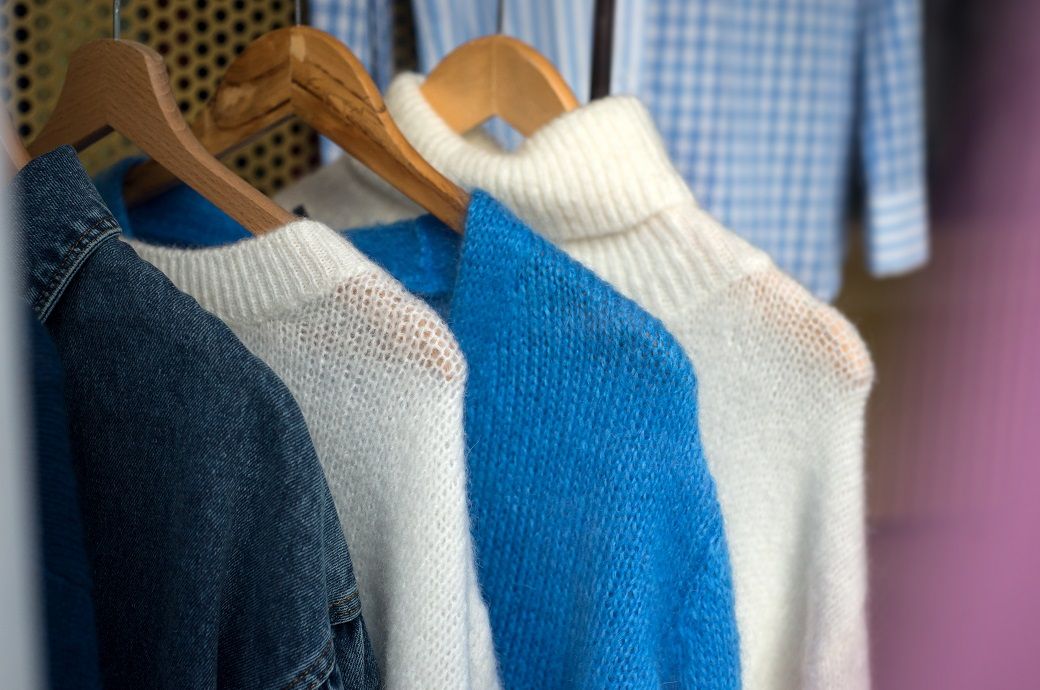
Switzerland’s apparel imports rose 11.7 per cent year on year (YoY) to $1.523 billion in January–February 2026, signalling steady demand.
Growth builds on 2025 momentum, led by knitwear and comfort-led segments.
China, Bangladesh and Italy remain key suppliers.
Strong purchasing power and stable retail trends continue to support consistent sourcing activity.
Source link


France’s LVMH Q1 revenue falls 6%, shows resilience amid Iran war

Grades for all 30 NBA teams after the 2025-26 regular season
Bank will not rush into moving rates despite ‘big energy shock’, says Bailey

-

 Fashion1 week ago
India’s exports face reset as EU links trade to carbon metrics: EY
-

 Entertainment1 week ago
Queen Elizabeth II emotional message for Archie, Lilibet sparks speculation
-

 Tech1 week ago
Azure customers up in arms over ‘full’ UK South region | Computer Weekly
-

 Tech1 week ago
As the Strait of Hormuz Reopens, Global Shipping Will Take Months to Recover
-

 Fashion1 week ago
CII submits 20-pt agenda to Indian govt to back firms hit by Iran war
-

 Tech1 week ago
This AI Button Wearable From Ex-Apple Engineers Looks Like an iPod Shuffle
-

 Politics6 days ago
Indian airlines hit hardest after Dubai limits foreign flights until May 31
-

 Fashion1 week ago
ICE cotton hits 11-month high on drought concerns, demand boost